
Mahjong Retreats in North Carolina: Where to Play and What to Bring
Last updated: Nov 23, 2026
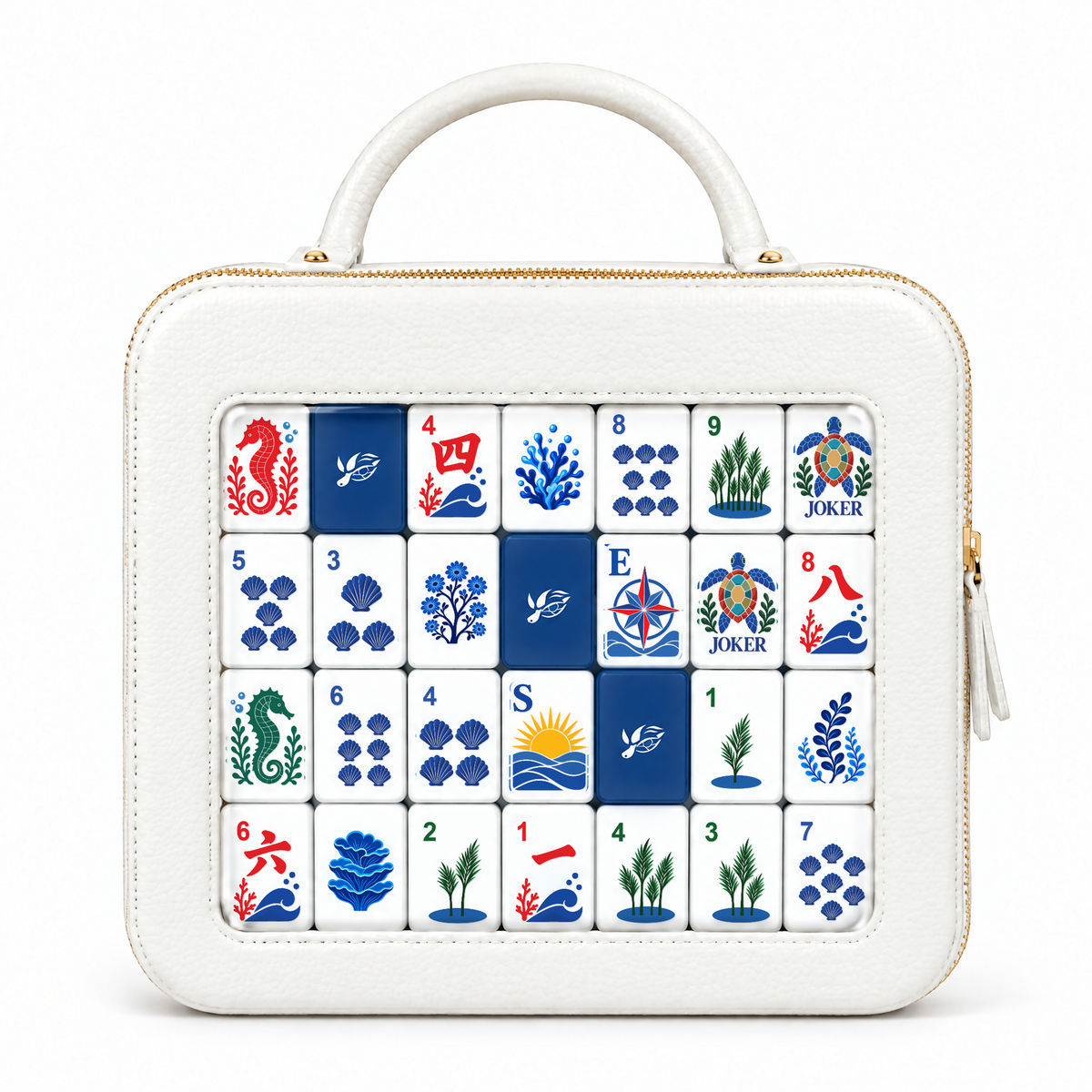
North Carolina's mahjong scene thrives in community centers, libraries, synagogues, and private country clubs across Charlotte, Raleigh, Greensboro, and the Triangle. Retreats typically run Friday evening through Sunday afternoon, hosting 12–32 players in round-robin or tournament formats, with hands played from the current National Mah Jongg League card. Most charge a modest entry fee and welcome both experienced players and newcomers willing to learn quickly. To find events, search your city's parks-and-recreation website, library bulletin boards, and local Meetup groups; many clubs post schedules seasonally. Bring your own tile set, a mat, racks, and score sheets. Expect casual social play, competitive tournament formats, and frequent breaks for meals—most retreats are as much about community as winning.
How do I find mahjong retreats and clubs near me in North Carolina?
Start with your city's parks-and-recreation department website and library system; many host or advertise regular mahjong nights and weekend events. Check Meetup.com for "mahjong" groups in your city—Charlotte, Raleigh, Greensboro, Durham, and Chapel Hill all have active listings. Call local synagogues, community centers, and country clubs; mahjong groups often meet weekly and welcome new members. Ask at fabric or game shops; staff sometimes post flyers for nearby clubs. Once you find one player, you've found the network—most communities are tight-knit and share retreat dates via email lists. Your first step: search "[city name] mahjong" on Meetup or call your closest library reference desk.
🀄 Shop best-selling mahjong sets →

What should I expect at a North Carolina mahjong retreat?
Most retreats run 12–36 hours (Friday evening through Sunday lunch, or full Saturday). Players sit in groups of four at table setups, playing hands from the current year's National Mah Jongg League card under American mahjong rules. You'll draw and discard, call pungs and kongs, and race to complete a legal hand before others. Scoring is done by game rather than cumulative, so each hand is a fresh start. Meals and snacks are usually provided or arranged nearby. Retreats range from casual social play (low stakes, lots of laughter) to competitive tournaments with prizes. Most welcome beginners who understand American mahjong basics—learn how to play American mahjong before you go, or arrive early for a quick coaching session.
What gear do I need to bring to a retreat?
Bring a complete 160-tile American mahjong set (includes 152 playing tiles plus spares), a felt or rubber mat to protect the table and muffle tile noise, a rack set with pushers to organize your hand, and a small notebook for personal scoring notes. Many retreats provide a scoreboard and score sheets; confirm before you arrive. Pack tile bags or cases if you want to protect your set during transport—sturdy cases with padded interiors keep tiles from shifting in a car. If you own engraved or personalized mahjong sets, bring them; players love unique designs and appreciate the quality. A small flashlight or phone light helps you read tiles in dim hotel lighting. Leave joker sets at home—the official 152-tile count is always used, and no extras are played. Our best-selling collection includes sets, mats, and racks designed for retreat travel and durability.
How do I host my own mahjong retreat or weekend game in North Carolina?
Rent a space—a church fellowship hall, community center, Airbnb with a large dining table, or country club room—that accommodates 8–16 players comfortably. Book Friday evening through Sunday midday (or a single Saturday). Set up four tables with mats and racks; one table serves as a registration and scoring station. Provide score sheets, pens, and the current year's National Mah Jongg League card at each table. Arrange meals (catered, potluck, or nearby restaurant reservations). Send invitations 6–8 weeks ahead with the entry fee, house rules, and a backup date. Charge a modest fee to cover rental and food; most players expect to pay entry plus meals. Ask players to bring their own tile sets—confirm each person has one before the event starts. If you're building a new host library, our travel bags and cases keep sets organized and protected across multiple vehicles.

What is American mahjong, and how is it different from other variants played in retreats?
American mahjong uses 152 tiles and is played strictly from the current year's National Mah Jongg League card—you can only complete hands that appear on that card. You cannot form sequences (called "chows" in other variants); only identical sets of three, four, five, or six tiles are valid. Jokers are wildcard tiles but cannot be used alone or in a pair. The game opens with the Charleston, a ritual of three passes where players hand tiles to neighbors before dealing. Play is turn-by-turn: draw, discard, pass. The first player to complete a legal hand stops the game; scoring is then calculated. This differs sharply from Chinese mahjong (which allows sequences, has hand memory and no official card), Hong Kong mahjong (faster payout-based scoring), and Riichi (Japanese, with melds and self-drawn winning). American mahjong's rules are fixed and democratic—the card levels all players and prevents gambling escalation. Retreats in North Carolina play exclusively or predominantly American because the card removes ambiguity and welcomes newcomers. Learn how to read the mahjong card before your first retreat; it's the single most important skill.
🎁 See our most-loved mahjong sets & accessories →
What should I check before I buy a mahjong set for retreat play?
Feature | Why It Matters | What to Look For |
Tile count | Must be exactly 152 tiles in play | Confirm 160-tile set (152 play, 8 spares) |
Tile weight | Heavy tiles slide better, feel premium | Acrylic or resin; ≥2 oz per tile |
Rack design | Pushers help you organize your hand quickly | Angled racks with matching pushers |
Engraving clarity | Readable in hotel lighting, lasts years | Deep engraving, contrast between tile and text |
Set storage | Protects tiles during travel | Sturdy case or padded bag with dividers |
Joints/seams | Cracks ruin tiles mid-retreat | Seamless acrylic, no glue lines visible |
Choose a 160-tile acrylic set from a maker who ships sets fully assembled and tested. Inspect tiles for chips or cracks upon arrival; retreats are no place for surprises. If tiles rattle in the case, the compartments are too loose—swap for a tighter case. Bring one backup rack in case you share a table with a player who forgets theirs. A felt mahjong mat is worth carrying; it protects your tiles and reduces noise so slower players can hear each other think.
✨ Find your Mahstead set — free US shipping →
How do retreat scoring and tournament structure work?
Scoring depends on the structure your retreat host chooses. Round-robin play means every player sits at a different table each round, playing against rotating opponents. Scores are tallied across 3–6 rounds; the highest total wins. Sit-and-play is casual—players stay at one table for hours, settling per-hand payouts in chips or points, no tournament record. Bracketed tournaments divide players into tiers (competitive, social, beginner) with head-to-head or group play; winners from each bracket are ranked separately. Ask the organizer before you arrive so you know what to expect. Most retreats provide a printed score sheet and a volunteer to track the board. Learn American mahjong scoring rules before you play; understanding payouts for two-player wins, limit hands, and joker usage will speed up your game and avoid disputes.
What to Check Before You Buy
Tile feel. Hold sample tiles (if buying in person or from a photo) to confirm they're not slippery or too light.
Case closure. Open and close the case multiple times; latches should hold tight during car travel.
Mat fit. Measure your largest table and confirm the mat unfolds to cover it without overhang.
Rack angles. Test pushers on a table at home; they should slide smoothly, not jam.
Set completeness. Count the tiles in the box or request a manifest; confirm exactly 160 (152 + 8 spares).

FAQ
Do I need to own a mahjong set before attending a retreat?
No, but it helps. Many retreats allow players to share sets or borrow from the host. If you attend regularly, owning a set ensures consistency and comfort. A 160-tile acrylic set is an investment that lasts decades.
Can I learn American mahjong at a retreat, or should I learn beforehand?
Learning beforehand is strongly recommended. Retreats are fast-paced; a crash course on the first night will slow everyone down. Read our mahjong-for-beginners guide, watch one round online, or find a local beginner class before you attend.
What does a mahjong set cost, and should I buy before the retreat?
See current prices on our product page; prices vary by design and customization. Buy 2–4 weeks before your retreat so tiles arrive, you test them at home, and any issues are resolved in time.
Are mahjong retreats in North Carolina only for experienced players?
No. Many retreats have a beginner table or welcome new players to sit alongside experienced ones. Always mention you're new when you register; hosts will match you appropriately.
What is the Charleston, and why do retreats always do it?
The Charleston is the three-pass tile exchange before the game starts—players pass tiles to neighbors to randomize starting hands and level the odds. It's essential to American mahjong fairness. Learn the Charleston explained before your first retreat.


View More
View More
View More
