
Mahjong Lessons in Orlando: Where to Find & Learn Fundamentals
Last updated: Nov 23, 2026
Mahjong lessons in Orlando are available through community centers, libraries, synagogues, country clubs, and casual meetup boards—search your city's Parks & Recreation website, library events calendar, or online meetup platforms to find group instruction. Most beginner lessons run 2–4 weeks, meeting once or twice weekly for 1.5–2 hours, and cover tile names, hand recognition using the current-year National Mah Jongg League card, the Charleston (tile-passing ritual), and basic play. Cost varies by venue but typically ranges from free (community-led groups) to moderate fees for formal instruction. American mahjong uses 152 tiles—three suits (Bams, Craks, Dots), 16 winds, 12 dragons, 8 flowers, and 8 jokers—and hands come only from the annual League card, never arbitrary combinations. Beginners should own or have access to a practice set; the best-selling mahjong sets are designed for regular play and learning. Avoid jumping straight into money games; learn the card first, then play socially for several weeks before wagering. 🀄 Shop best-selling mahjong sets →
How do you find mahjong lessons near you in Orlando?
Start with your city's Parks & Recreation department—many offer seasonal beginner classes at community centers. Check your local library's events calendar; libraries often host free or low-cost mahjong groups, sometimes run by volunteers. Synagogues, especially those with active adult programs, frequently host mahjong instruction. Country clubs and senior centers are another reliable source. Online, search meetup boards and Facebook groups for "Orlando mahjong" or "mahjong near me"—you'll find casual players who welcome learners. Ask instructors which year's National Mah Jongg League card they teach from; the card changes every spring, so make sure you're learning the current version to avoid confusion later.
What do beginner mahjong lessons actually teach?
Lessons typically start with tile identification—learning the three suits, winds, dragons, flowers, and jokers—then move to hand patterns on the National Mah Jongg League card. You'll learn how to read the mahjong card, which shows all legal hands for that year and has become the Bible of American mahjong. Instructors teach the Charleston—the four-pass ritual that distributes tiles before play begins. You'll practice exposing pungs (three identical tiles) and kongs (four identical), understand why sequences (chows) cannot be called in American mahjong, and learn how jokers work: they can substitute for any tile except a single tile or a pair. Most lessons include a few practice rounds so you feel confident at a table. Plan on 4–8 hours of instruction to grasp fundamentals; fluency takes weeks of regular play.
🎁 See our most-loved mahjong sets & accessories →
Why does American mahjong differ from what you might learn online?
American mahjong has no sequences (chows)—only identical pungs and kongs—making it simpler mechanically than Chinese or Hong Kong variants. Hands come only from the annual League card; you cannot invent a hand or play one from previous years. Jokers are wild but cannot be used to fill a single tile, a pair, or a quint (5 identical). The game is faster-paced than Asian variants and requires players to recognize patterns on the card rather than memorize abstract hand combinations. If you find a lesson teaching "sequences" or letting jokers substitute for pairs, it's a different mahjong family—ask the instructor upfront which variant they teach. American mahjong lessons specifically prepare you to play in American mahjong clubs and matches using current-year League rules.

What equipment do you need to start learning?
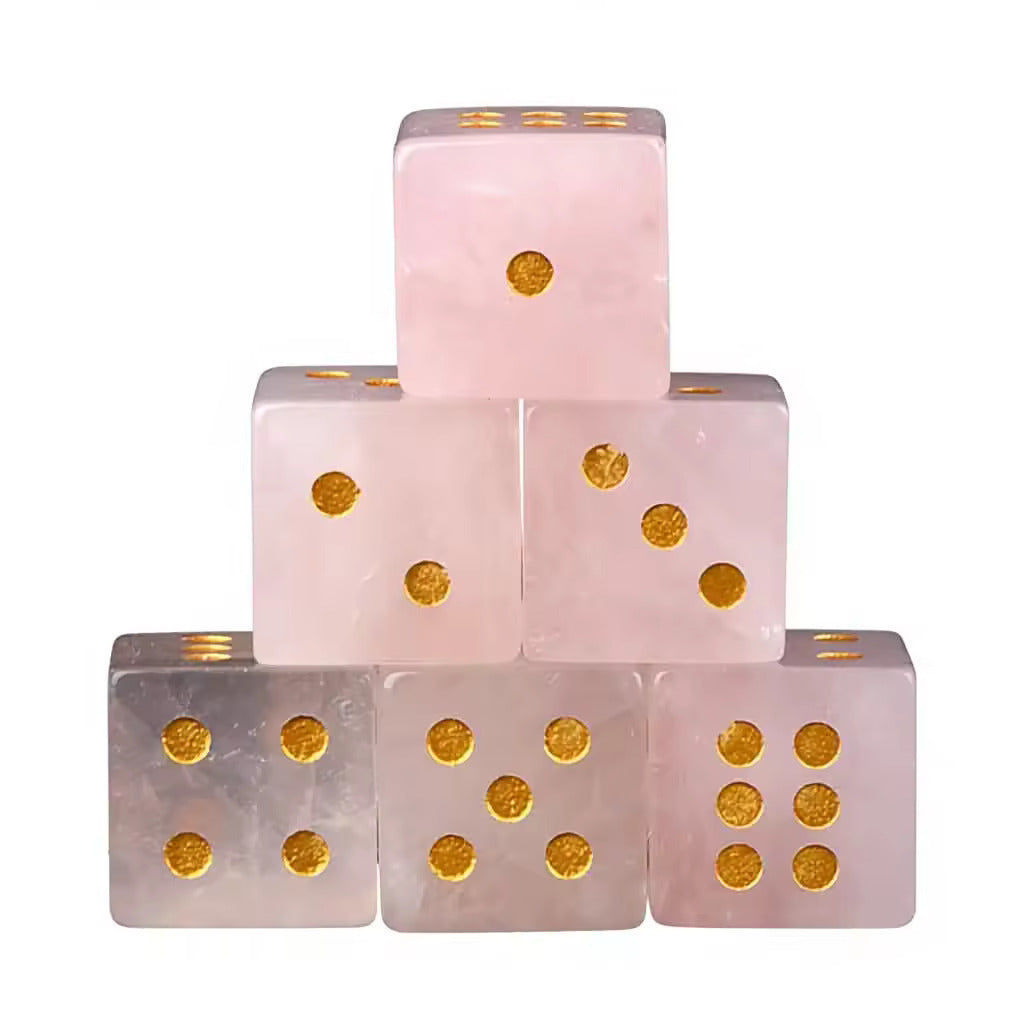
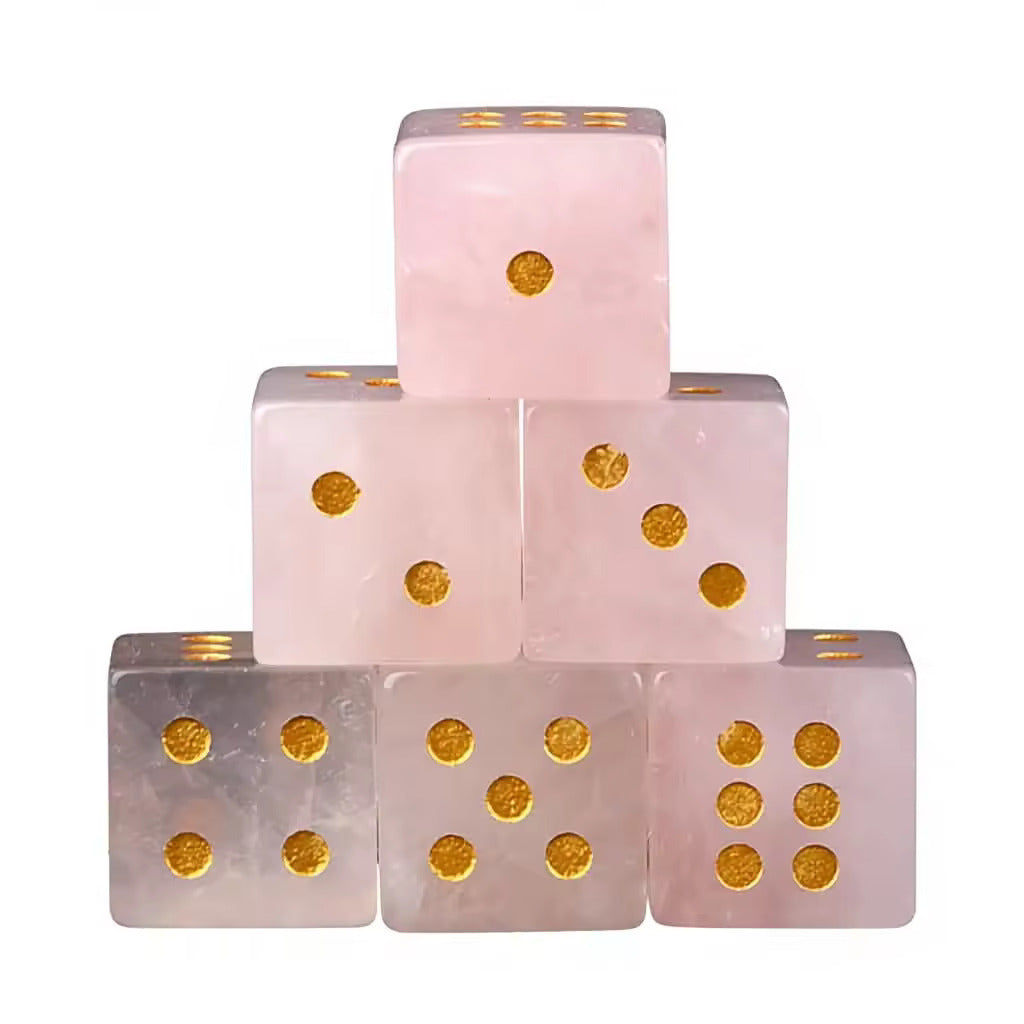
A practice set of 152 tiles (the standard) is essential. Best-selling mahjong sets come with clear tile markings and are built for regular use and study. You'll also want the current-year National Mah Jongg League card—instructors usually provide this or recommend where to buy it. A mahjong mat helps organize your hand and play area, especially useful when learning tile placement. Racks with pushers let you hold and sort tiles neatly, reducing fumbling and mistakes during play. Dice complete the setup for determining the starting player. Many instructors allow you to share equipment during lessons, but once you're playing regularly, owning your own set removes confusion and speeds up learning.
How do you move from lessons to hosting your own game?
After 4–6 weeks of lessons, join a casual weekly game—most clubs welcome newer players. Attend 3–4 weeks to build confidence before hosting. When you're ready, invite 3 friends who've also learned, gather supplies (a set, mat, racks, the current-year card, and dice), and run through the Charleston and a few practice hands before playing for real. Set clear house rules: score tracking method, whether you're playing for fun or small stakes, and how many rounds constitute a game. Keep the card visible so anyone can verify hand legality. Most host tables see the same 4 players weekly; consistency builds skill and friendship. Mahjong bags and cases let you transport your set to a friend's house or back between meetings without tile loss or damage.
What common beginner mistakes should you avoid?
Mistake | What Happens | How to Avoid It ---|---|--- Playing a hand not on the current League card | Disqualification or confusion mid-game | Always verify the card before play; ask instructors which year Joker in a single or pair | Rule violation; game pause | Remember: jokers can only fill missing tiles in pungs, kongs, quints, sextets—never a solo or pair Confusing sequences with American rules | Attempting illegal exposures | Repeat: American mahjong has no sequences; only identical tiles can be exposed Holding tiles carelessly | Mis-dealing or accidental reveals | Use a mat and racks; keep your hand sorted by suit Playing before learning the card | Slow games and frustration | Spend 1–2 weeks reading and recognizing card patterns before live play
Before you buy your first set, check these:
Tile clarity: Can you read Bam, Crak, Dot symbols and numbers without squinting?
Weight & feel: Do tiles stack without sliding?
Card match: Does your set include the current National Mah Jongg League card?
Spare tiles: A 160-tile set includes extra jokers and blanks for replacement if one cracks.
Case quality: If you'll transport it, does the case protect corners and keep tiles organized?
✨ Find your Mahstead set — free US shipping →
Once you've played 8–10 weeks of weekly games, you'll recognize hand patterns instantly, call tiles smoothly, and know when to pass in the Charleston. At that point, consider mahjong titles or engraved sets as gifts for your regular players—personal touches strengthen the weekly ritual and make hosting feel special. Join the Orlando mahjong community by showing up consistently: lessons teach you the rules, but regular play teaches you the game. Most players say their first three months were the most fun—no pressure, rapid improvement, and genuine friendship at the table.

FAQ
Can I learn mahjong from a YouTube video instead of a lesson?
Videos teach tile names and basic rules, but live instruction and peer play catch mistakes faster. You'll misread the card or expose an illegal hand a dozen times—an instructor corrects you immediately rather than letting bad habits form. YouTube works best after you've had in-person lessons, as a reference.
How much does a beginner lesson typically cost in Orlando?
Free to moderate; community-center classes may run $20–$50 for a 4-week session, library groups are free, and synagogue programs vary. Private instructors typically charge more. Many venues let you try one lesson free or at a trial rate.
What if I already know Chinese mahjong—can I learn American faster?
Partly. You know tile names and exposure basics, but American mahjong's no-sequences rule and card-only hands are fundamentally different. You'll need to unlearn sequence play and retrain your pattern recognition. Budget 2–3 weeks of focused learning rather than one.
Do I need to own a set before taking lessons?
No. Most instructors have practice sets or let students share during classes. Own a set once you're playing weekly—you'll reference it between games and host more confidently with familiar tiles.
Where is the best venue to learn mahjong in Orlando?
Start with your local library or community center; they're welcoming to total beginners. Then move to a regular club or synagogue group for ongoing play. Each venue has a different pace and social culture—try 1–2 before settling on a weekly game.
Can I learn mahjong in a single weekend intensive?
You'll learn the rules, but fluency requires weeks of play. A weekend crash course gets you functional but impatient during live games. Spread lessons across 4–6 weeks with casual play between; it sticks better and keeps the learning fun.


View More
View More
View More
