
Mahjong Party Ideas in Tucson: Host, Learn & Play
Last updated: Nov 23, 2026
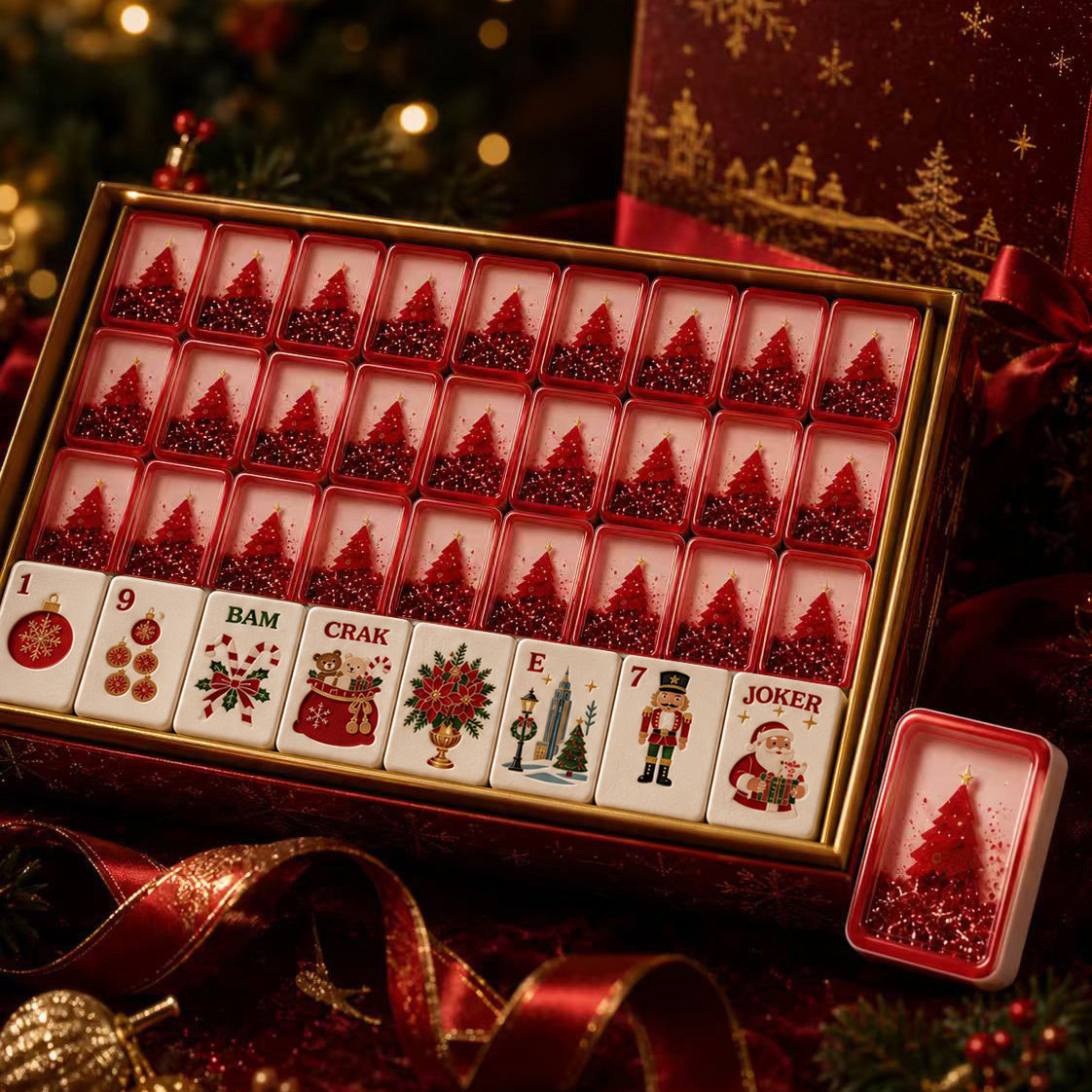
Mahjong parties in Tucson thrive in homes, community centers, libraries, synagogues, and country clubs—places where groups already gather. A beginner-friendly game lasts 1–2 hours with four players; each person needs a 160-tile set (Bams, Craks, Dots, winds, dragons, flowers, jokers—152 play, extras are spares), a mat to work on, and racks to hold tiles upright. Before dealing, players pass tiles three rounds in the Charleston ritual. The National Mah Jongg League card (updated yearly) lists only legal hands; American mahjong has no sequences—only identical sets (pungs, kongs). To find Tucson groups, search meetup boards, ask at senior centers and synagogues, or post on neighborhood Facebook groups. Mahstead offers best-selling mahjong sets and mats designed for hosting, with free US shipping. Start small: invite friends who like strategy, teach the Charleston first, and set a relaxed pace so new players learn.
What tiles do beginners actually need?
A complete American mahjong set contains exactly 152 playing tiles: 108 from three suits (Bams, Craks, Dots), 16 winds, 12 dragons, 8 flowers, and 8 jokers. Spare tiles (in 160-tile sets) are never added to the game—they're replacements if a tile cracks or a joker is lost. Do not buy extra jokers or blanks thinking they go into play; they don't. A set with clear markings on each tile helps beginners spot matches fast. Acrylic tiles are louder and easier to shuffle than bamboo, which appeals to players who like the click of traditional tiles but want durability for weekly hosting. The best-selling mahjong sets here in Tucson tend to be ones that survive both desert dust and weekly table use.

How do you teach a total beginner at a party?
Start by showing the tile structure: three suits (1–9 each), four identical copies of every tile, plus winds and dragons. Hand out the current year's National Mah Jongg League card—this is the only reference for legal hands. Explain the Charleston: three rounds of passing left, right, and across (all three things at once in round one). Do a dry run without betting. Deal 13 tiles per player, flip one discard, and walk through one hand: show how to match three identical tiles (a pung), four identical (a kong), or five identical (a quint). Mention that American mahjong has no sequences—a "1-2-3" is illegal here. Play one slow round, let people ask mid-game, and don't rush scoring. Most learners grasp the idea in 20 minutes if the host stays patient and the rules card is visible.
Where can Tucson players find regular games?
Community centers, libraries, and senior recreation programs often host beginner circles or drop-in games. Synagogues frequently run weekly or monthly mahjong nights and welcome newcomers. Country clubs and retirement communities have established groups; call ahead to ask if they accept visitors or guests. Meetup boards and Facebook neighborhood groups often post "looking for a fourth" posts—that's a low-pressure way to join. If no group exists, you become the host: pick a weeknight, invite three friends who like cards or games, set up a mat and clear table space, and play one round per week. Word spreads. Tucson's dry heat means your tiles won't swell like they might in humid cities—that's actually an advantage for hosting outdoors on a patio if you have a wind-resistant mat.
Venue Type | Best For | How to Find It | Entry Usually |
Community center | Beginner lessons | City recreation dept. website, call ahead | Drop-in or small fee |
Library | Casual weekly players | Check events calendar online | Free or donation |
Synagogue | Social groups, all levels | Search temple + "mahjong" online | Member/guest welcome |
Country club | Competitive, regular | If you're a member or know one | Member brings guest |
Private home | Intimate, teach-at-own-pace | Post on Meetup or Nextdoor | Potluck or snacks |
What gear makes hosting easier in a Tucson home?
A dedicated mat (not a sticky pad—a real playing mat with dividers) keeps the table organized and tiles from sliding off onto the floor during shuffles. Mahjong mats fold up, store flat, and work on any table—wood, tile, or patio. Racks with pushers let players hold tiles without cramping; tiles stay upright and hidden from opponents. A mahjong bag or case keeps your set dust-free between games—important in Tucson's arid climate, where acrylic can get scratchy if exposed. Some hosts add dice (for wind and round assignments) and a score pad. If you're hosting weekly, consider a set with a name or joke engraved on it—makes it a centerpiece and signals that mahjong is your night. Tucson hosts often mention that a good mat and case mean their tiles last years longer than friends who leave sets on shelves uncovered.
🀄 Shop best-selling mahjong sets →

How to make it a real Tucson tradition instead of a one-off?
Pick the same day and time each week—consistency builds habit. Invite the same core group (three or four friends), even if one person sometimes can't come; people commit when it's predictable. Set a tone: snacks, drinks, mild music, no phones except for the timer. Rotate who hosts if hosting becomes a burden. Keep rule questions fast: that's why the card is there. Track wins loosely (or use a simple score sheet) so people know how they're doing but aren't stressed. After a month, you'll see who wants to stay and who was just trying it. That's when you'll know if you need to find a fifth or recruit beginners. Tucson's active 65+ community means there's likely an untapped pool of players who grew up with mahjong and want a game—ask at pharmacies, coffee shops, and community bulletin boards. Many longtime Tucson residents learned mahjong from parents or grandparents and are happy to join a standing game.
🎁 See our most-loved mahjong sets & accessories →
Quick checklist before your first party
[ ] Have you got the current year's National Mah Jongg League card printed or shared digitally?
[ ] Is your 160-tile set complete (152 playing tiles + spares accounted for)?
[ ] Do all tiles have clear, readable markings (suit symbols, numbers, colors)?
[ ] Is your mat clean and the dividers working?
[ ] Do you have racks so players don't hold tiles in their hands?
[ ] Have you chosen a start time and invited exactly four people?
[ ] Do you know how to do the Charleston (three rounds of tile passing)?
[ ] Can you explain the difference between a pung (3 identical), kong (4), and quint (5)?
[ ] Is your space quiet enough to hear tiles shuffle and people talk?
[ ] Do you have snacks and water on hand?
What to check before you buy a set for hosting
Verify the tile count: a 160-tile set has 152 tiles for play plus spares—that's the standard. Check that markings are engraved or printed clearly (no faded ink after a few months). Acrylic is durable but can scratch if stored loose; a case or bag protects it. If you want personalization (name, joke, theme), confirm the design before ordering—engraved sets are final and ship ready to use. Test-shuffle with a friend's set if you can; some hosts prefer bamboo for the feel, others like acrylic for the sound and longevity. For Tucson's dry climate, avoid sets that claim to need humidity or frequent oiling. Free US shipping means you're not paying extra to get a backup set if you end up hosting every week. Read the product page carefully so you're not surprised by what's in the box.
✨ Find your Mahstead set — free US shipping →
Recommended collections for your Tucson game night
Your Goal | Collection | Why It Works |
First set, any style | Proven tiles, clear markings, ship ready | |
Personalized, long-term hosting | Your name or joke on tiles; memorable; makes hosting feel intentional | |
Ready-to-host bundle | Mats + racks | Mats organize play; racks hide tiles; both save setup time |
Travel between venues | Protect tiles in Tucson's dry air; fit in car easily |
If you're new to mahjong, read our beginner's guide for rules and history. Once you've hosted a few games, learn how jokers work and how to read the card to speed up hand-checking at the table.

FAQ
Can I play mahjong with just three people in Tucson?
American mahjong requires four players—three-player variants exist but use different rules and tile counts. If a fourth can't make it, pause and reschedule; don't force a shortened game. Some Tucson groups keep a backup list of subs who can jump in on short notice.
What's the real difference between American and Chinese mahjong?
American mahjong uses only hands from the current year's card and allows no sequences (chows)—only identical sets (pungs, kongs, quints). Chinese mahjong allows sequences, has different winning hand rules, and no official annual card. American is simpler for beginners and stays the same all year, making it easier to host regularly.
How much does a complete mahjong set cost?
Prices vary by material and design. See current pricing on the best-selling collection product pages—we ship free across the US, so you're not paying extra for delivery in Tucson or elsewhere.
If I buy a 160-tile set, do I use all 160 tiles in a game?
No. You use exactly 152 tiles; the other 8 are spares (extra jokers or blanks) in case a tile cracks or is lost. Never add them to the game—that breaks the hand structure and scoring system.
Do I need a fancy mat or can I play on a regular table?
A mat isn't required, but it helps beginners organize tiles into player areas, keeps them from sliding, and protects the table from scratches. For weekly hosting, a mat is worth the small investment; for casual play, a towel works in a pinch.
How do I find other Tucson mahjong players if I don't know any?
Check local Facebook groups, Meetup, community center bulletin boards, synagogue newsletters, and senior centers. Post "looking for a mahjong game" on neighborhood apps. Many established groups welcome newcomers; some offer beginner lessons.


View More
View More
View More
