
Mahjong table covers for seniors: what actually works
Last updated: Nov 23, 2026
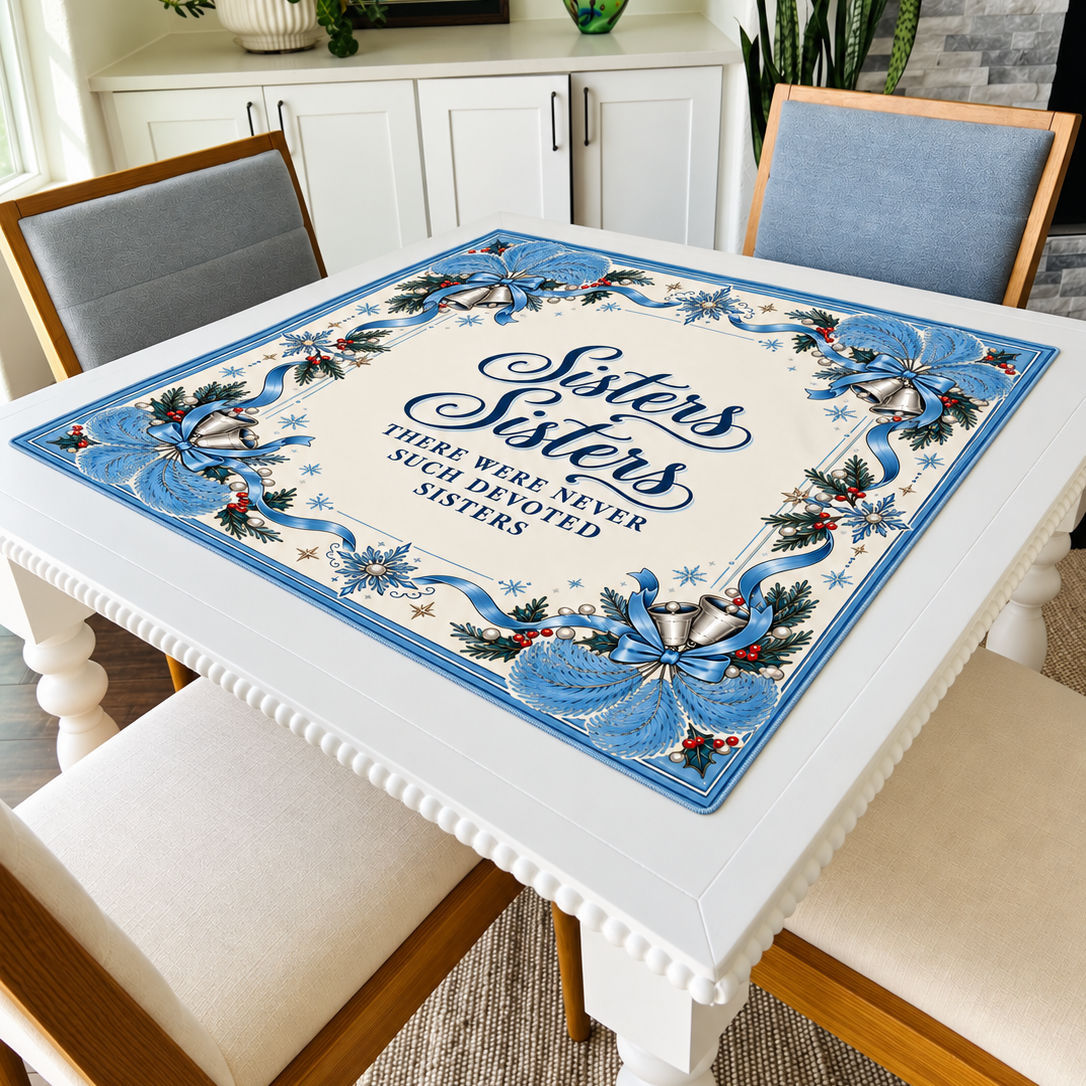
A mahjong table cover is a fabric mat that sits on top of your dining or game table, creating a felt playing surface with grid lines to organize tiles during play. Seniors benefit most from covers with anti-slip backing, high-contrast tile markings, and a size that fits standard dining tables (often 35"–40" square or rectangular). Quality covers last 3–5 years with regular use; they cost significantly less than replacing a damaged table. Look for machine-washable designs in light colors (easier on the eyes) and non-reflective felt to reduce glare. Many of our players prefer covers from our mahjong mats collection because they're made to withstand weekly games and ship flat for easy storage.
A mahjong table cover solves a real problem for seniors: protecting furniture while creating an ideal play surface. Unlike a mat that rolls up, a cover stays in place, cutting down on tile shuffling errors and the physical strain of reaching across unpadded wood. The grid lines help players with vision changes spot tiles at a glance. We'll help you choose one that actually fits your table and your game.
What size table cover do seniors typically need?
Most American mahjong games happen at dining or card tables between 35" and 42" on each side. A cover should overhang by 2"–4" so it doesn't slip when you lean on it, and it needs to be square or rectangular to match your table's footprint. Measure your table's length and width before ordering; covers don't stretch, and returning oversized ones costs time. If your table is smaller or irregular, a standard-sized mat can work, but a fitted cover with elastic backing stays put better during play.
Does anti-slip backing really make a difference?
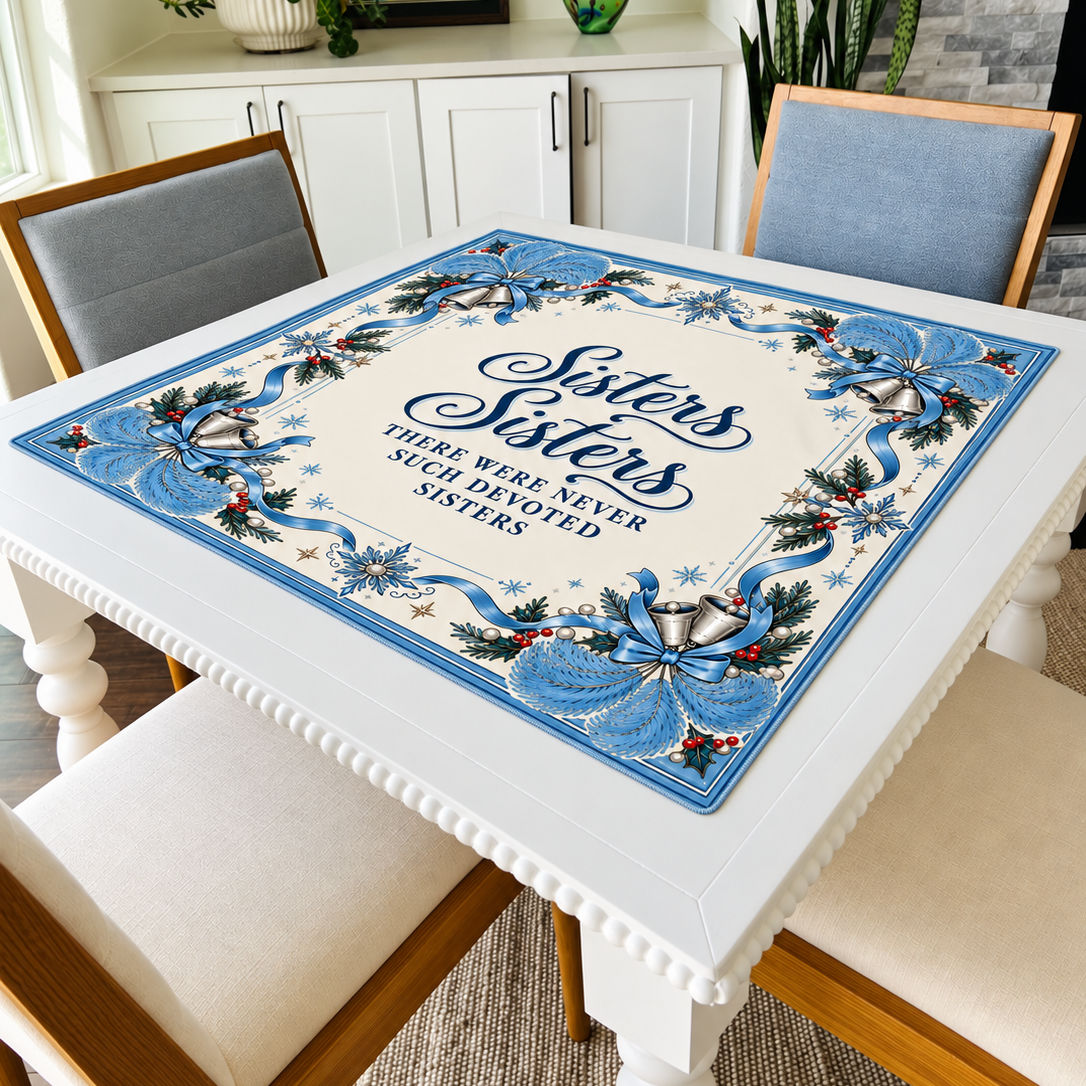
Yes. Senior players often experience hand tremors or arthritis, and a slipping cover creates dangerous moments—tiles scatter, someone lunges to catch them, and wrists get bent the wrong way. Covers with rubberized or polyester-backed non-slip bottoms stay anchored to wood, laminate, or glass without adhesive. Test the backing in your game room if possible; some seniors prefer felt-on-felt contact for traditional feel, while others swear by hybrid designs that grip without sticking. A non-slip cover eliminates mid-game adjustments and lets players focus on strategy, not equipment.
How do contrast and color affect play for aging eyes?
Mahjong tile symbols shrink under standard lighting, and white glare off a shiny cover can trigger eye strain or migraines. Light covers (cream, pale gray, soft green) reduce reflection, while high-contrast line markings—dark grids on light backgrounds—help players with presbyopia or mild macular changes see tile boundaries instantly. Avoid neon or heavily textured finishes; they distract more than they help. Consider the lighting in your game space: if you play near windows or under bright LEDs, a matte finish in a neutral tone is safer than glossy or bright white.
🀄 Shop best-selling mahjong sets →
What materials hold up best over 3–5 years of weekly play?
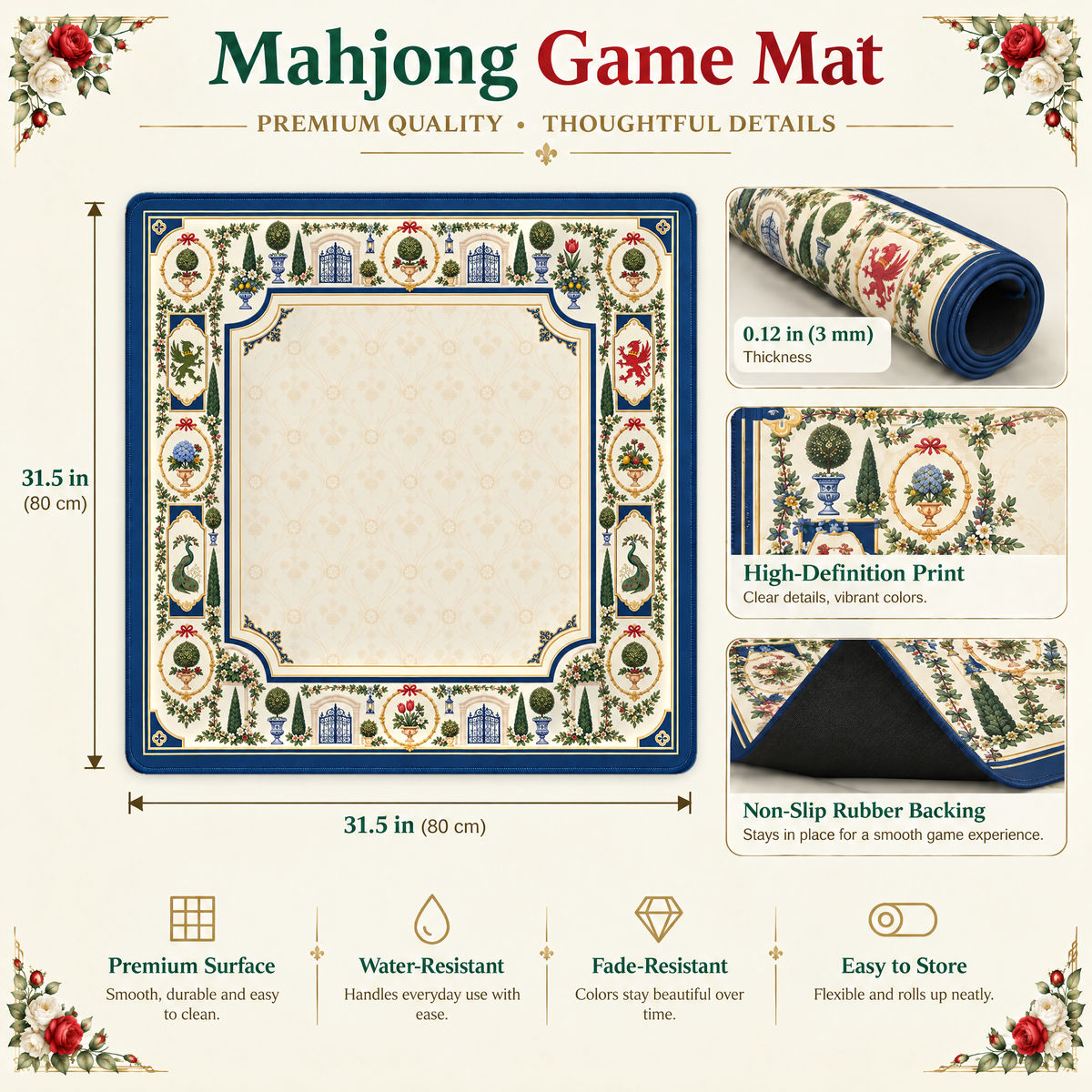
Felt is the gold standard—it resists pilling, cleans easily, and softens rather than hardens with age. Polyester blends last longer but can feel slick to older hands; 100% felt offers better control. Seams should be stitched, not glued, because adhesive fails when covers get washed or exposed to humidity. Edge binding prevents fraying; reinforced corners where the most stress occurs will keep a cover intact through hundreds of games. Machine-washable covers in warm water with mild detergent remove dust and spill marks without degrading the felt. Our players who host weekly games choose covers with bound edges and reinforced stitching because they withstand the wear.
How do you compare a table cover to a portable mat?
Feature | Table Cover | Portable Mat |
Setup time | 1–2 minutes (spreads flat) | 3–5 minutes (unroll, smooth) |
Storage | Folds into linen closet | Rolls or folds, needs 3×3 ft space |
Grip | Anti-slip backing holds firm | Lighter backing may shift |
Washing | Machine-washable (most) | Hand-wash or spot-clean often |
Durability | 3–5 years, high use | 2–4 years, moderate use |
Best for | Permanent table setup | Traveling or shared tables |
Cost basis | Mid-range | Varies wide; travel bags add cost |
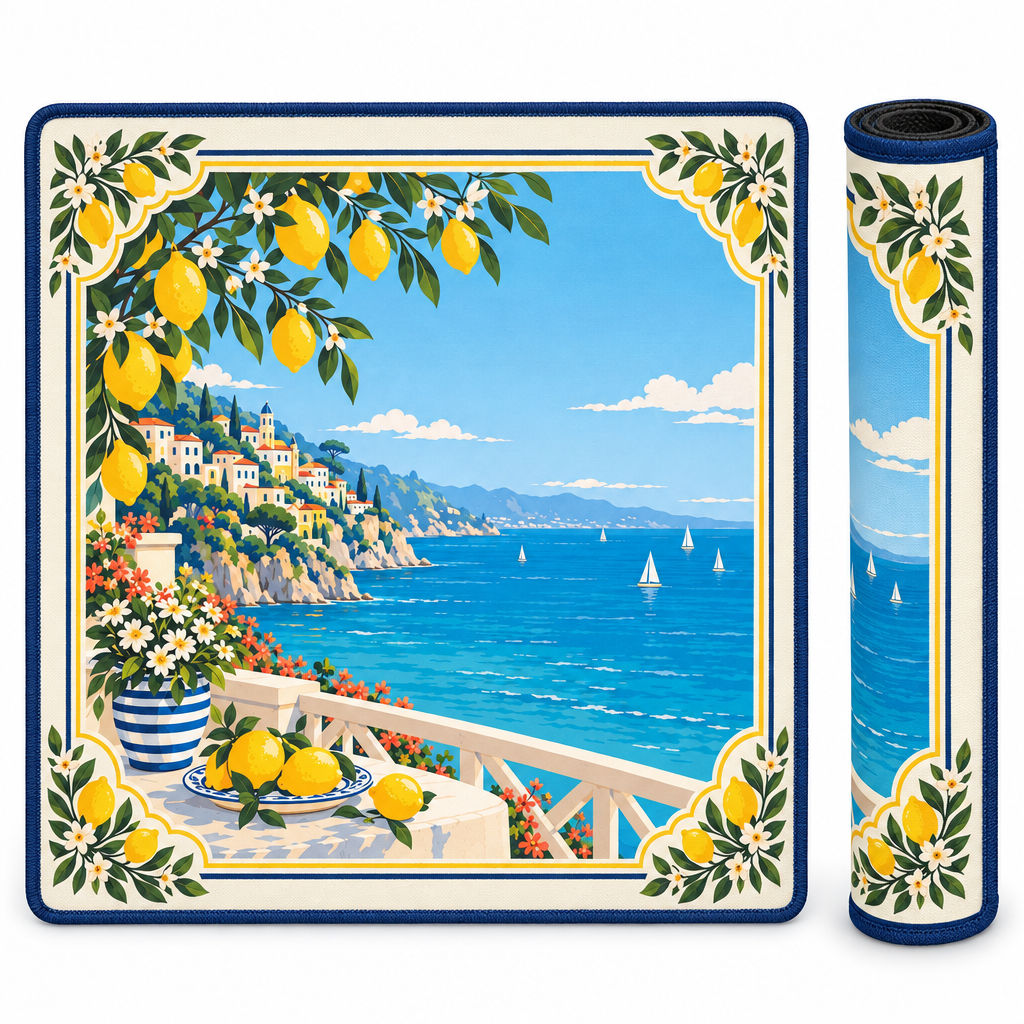
Covers work best for seniors who host regular games at home; mats suit players who travel or don't want a dedicated table. Many of our players own both—a cover for their dining room and a portable mat with a travel bag for visiting friends.
What should you check before you buy?
Table dimensions – Measure length, width, and thickness (especially if you have a leaf table). Confirm the cover's stated size fits with 2"–4" overhang.
Backing type – Is it truly non-slip, or just textured? Ask if the seller tests it on similar tables in your climate (humidity affects grip).
Washability – Can you machine wash, or does it require hand-cleaning? Seniors benefit from easy care.
Seam and edge quality – Turn it over; stitches should be tight and binding should be sewn, not glued.
Line visibility – Hold it under your home's typical lighting. Can you read the grid lines clearly from seated height?
Return policy – If it doesn't fit or grip as expected, can you send it back? Check before ordering.
🎁 See our most-loved mahjong sets & accessories →
Why does mahjong itself matter when choosing cover features?
American mahjong uses 152 tiles in four suits plus winds and dragons—many tiles with tiny symbols. A good cover's grid lines organize tiles into rows and columns, reducing confusion when you're setting up hands from the current year's NMJL card. Seniors playing weekly games need a surface that lets them place tiles without sliding, especially if they're learning how to read a mahjong card or have dexterity changes. The cover also protects your best-selling mahjong set and racks from spills, dust, and direct table wear. Pairing a quality cover with a well-organized rack system with pushers cuts setup time and lets players focus on the game instead of managing equipment.
Honest tip: Don't buy the thinnest cover thinking it'll suffice. Thin felt (under 2mm) compresses after a few months, loses grip, and wrinkles. Mid-weight felt (2–3mm) is the sweet spot for weekly play. Light covers show dirt more, but they're worth the frequent washing because glare causes eye fatigue and missed plays. If you live in a humid climate, store the cover flat or loosely rolled in a breathable bag; plastic storage can trap moisture and encourage mildew.
✨ Find your Mahstead set — free US shipping →
FAQ
Can I use a table cover on a glass or metal table?
Yes, but test the non-slip backing first. Glass can be slicker than wood, so covers with strong rubber backing work best. Some seniors tape the cover's edges to glass tables for extra security during play.
What's the difference between a table cover and a tablecloth?
A tablecloth is decorative and thin; a mahjong cover is game-grade felt with grid lines, anti-slip backing, and reinforced seams. See our guide on mat vs. tablecloth for details.
How often should I wash a mahjong cover?
After every 4–6 games, or when you see dust or spills. Machine wash in warm water with mild detergent; air dry to preserve the backing. Avoid bleach and high heat, which degrade felt and non-slip coatings.
Will a cover work with my existing mahjong set and racks?
Absolutely. A cover is universal—it works with any American mahjong set and acrylic or bamboo racks. The grid lines help organize tiles from any best-selling mahjong set.
What if my dining table is an odd size?
Measure it carefully. If it's smaller than 35", a portable mat may fit better. If it's larger than 42", you may need a custom cover or a mat designed for oversized tables. Contact the seller with your dimensions before ordering.
Can seniors with arthritis manage a cover without help?
A light cover (under 3 lbs) spreads easily. Lay it out the day before or ask a player to help during setup. Once spread, it stays put, so mid-game adjustments are minimal—much easier than rolling a mat.


View More
View More
View More
