
Mahjong Party Ideas in San Francisco: Host, Learn & Play
Last updated: Nov 23, 2026
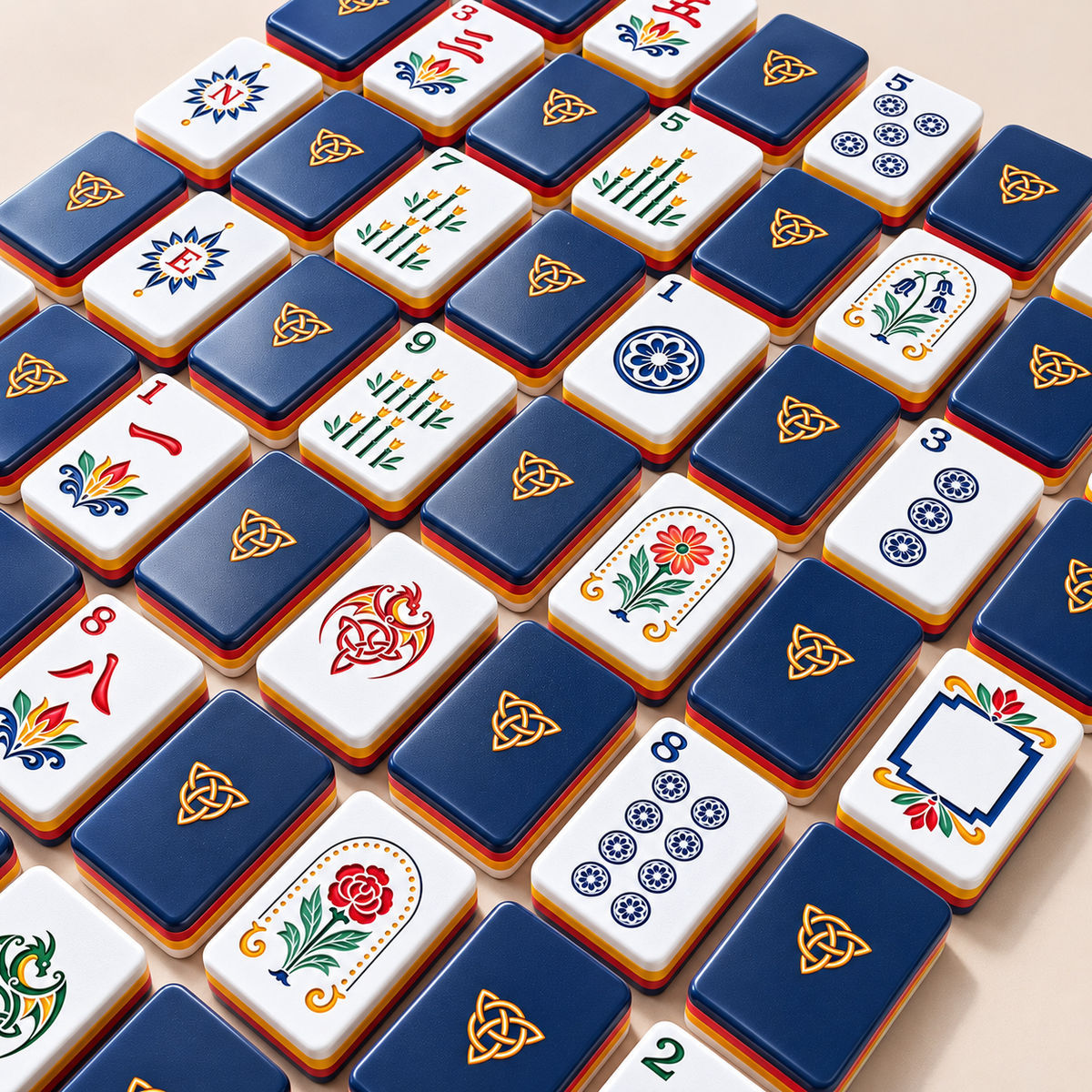
San Francisco mahjong gatherings happen year-round in community centers (check parks-and-rec programs), libraries (especially in neighborhoods with large Asian populations), synagogues, country clubs, and MeetUp boards. Most groups play American mahjong on weeknights or weekends; beginners can join drop-in nights, though some clubs require membership. Games run 2–4 hours; players typically contribute a small pot. Before hosting or joining, you'll want the current National Mah Jongg League card, a clean 160-tile set with eight jokers, a mat to protect your table, and racks with pushers to keep tiles organized. Mahstead's best-selling mahjong sets come engraved and ready to play, with mats and racks bundled separately. Budget realistically: expect to spend on the set itself, not rental fees in most social groups.
Where do San Francisco players actually meet?
Community centers in neighborhoods with large Chinese and Filipino populations—the Richmond, Sunset, Chinatown, and SOMA—often host drop-in or league nights. Check your local parks-and-rec website for schedules. Public libraries sometimes sponsor game afternoons; ask the reference desk. Country clubs, synagogues, and church social groups also organize mahjong nights. MeetUp, Eventbrite, and neighborhood Facebook groups list recurring games. Call ahead to confirm beginner-friendly status; some groups enforce a play level or require advance sign-up.

What do complete beginners need to learn before showing up?
Before your first game, spend 30 minutes understanding the how to play American mahjong basics: the 152 tiles, four players, and the National Mah Jongg League card. You must learn the Charleston—the pre-game tile-passing ritual—and how to read a hand from the official card. American mahjong is not sequences; it's pungs (three identical tiles), kongs (four), and special patterns only. Jokers substitute for missing tiles. Many SF groups have newer players sit alongside veterans or host brief teach-ins before play. Most beginner games play for fun or low stakes, not money.
🀄 Shop best-selling mahjong sets →
How do you host a first mahjong party at home in SF?
Invite three friends (four players total, the standard), set a date for a weeknight or Sunday afternoon, and send them the current National Mah Jongg League card two weeks in advance. You provide the tile set, mat, racks, and snacks; ask guests to bring drinks. Lay the mat on your dining table to protect the surface and reduce tile noise. Set up a rack and pushers for each player. If anyone is new, run through the Charleston and card-reading for 10 minutes before the first hand. Plan on 2–3 hours, play three to five hands, and keep the mood social. A mahjong mat designed for home play is quieter and easier to clean than a bare table, and racks with pushers eliminate dropped tiles and keep hands tidy.

What's the easiest way to gift a San Francisco friend a mahjong set?
Pick a set that matches your friend's style—minimalist acrylic, bright colors, custom engraved with a funny saying, or seasonal designs. Engraved American mahjong sets are popular gifts for friends hosting parties or milestone birthdays. Include a mat and racks bundle so they can play right away. Mahstead ships free across the US, so the gift arrives ready to unbox and set up. Avoid gifting a set without a mat unless the recipient already has one; a bare table and loose racks frustrate new players.
Gift Idea | Best For | Why It Works |
Engraved set + mat + racks | Birthday or housewarming | Complete, ready to play, shows thought |
Set alone | Collector or experienced player | Lighter gift, they have mats and racks |
Seasonal design | Holiday party host | Festive, timely, sparks conversation |
Travel set + bag | Frequent player or travel partner | Portable, durable case protects tiles on BART or car trips |
🎁 See our most-loved mahjong sets & accessories →
How do you avoid beginner hosting mistakes?
Common pitfalls and fixes:
Dirty or mismatched tiles: A new set from a trusted maker eliminates chipped or missing tiles mid-game. Always count the full 152 tiles before play.
No mat: Tiles bounce and roll on bare wood. A mat deadens noise and defines the play area so players stay focused.
Players unsure which hand to play: Print the current National Mah Jongg League card or project it on a TV so everyone sees it. Assign one person as "card reader" per hand.
Racks overflowing:Racks with pushers keep tiles upright and organized. Players without racks fumble and hold hands in their laps—messy and slow.
Joker confusion: Explain joker rules before the Charleston. Many first-timers think jokers are wild in sequences; they are not. Jokers only substitute for a single missing tile in a pung, kong, quint, or sextet, and a joker can never form a pair.
Incorrect pung or kong calls: A pung is three identical tiles (e.g., three 5 Dots). A kong is four identical. You cannot call a pung of 1, 2, 3—that's not allowed in American mahjong. Clarify this before the game.
✨ Find your Mahstead set — free US shipping →
What to check before you buy or borrow a set
Tile count: You need exactly 152 tiles (three suits × 36 each, plus 16 winds, 12 dragons, 8 flowers) and 8 jokers to play American mahjong. A Mahstead 160-tile set has your 152 playing tiles plus spares.
Joker color: Jokers should be clearly distinguishable—often bright red or yellow. You need all 8 jokers available to swap in during play.
Tile size and weight: Standard acrylic tiles are ⅝ inch square. Test a tile in your hand; if it feels too light or flimsy, it will slide around the mat and frustrate players.
Cracking or discoloration: Inspect each tile quickly before a game. Cracked tiles cause disputes and slow play.
Racks and pushers included: If you're hosting, racks + pushers make the game faster and smoother. If borrowing a set, ask if racks come with it.
Current National Mah Jongg League card: The card changes every March. Never use an old card; hands and scoring are different each year.
See the mahjong for beginners guide for step-by-step play and hand-building rules.

FAQ
Can I play mahjong in San Francisco without joining a club?
Yes. Host at home, attend drop-in nights at community centers or libraries, or join a friend's regular game. Many casual players never join a formal club.
What's the typical cost to join a San Francisco mahjong group?
Drop-in games are usually free or charge $2–5 per session. League memberships vary; ask locally. Most social play is low-stake or for fun.
Where do I find the current National Mah Jongg League card in San Francisco?
Buy it online or ask at a community center, library, or local game shop. The card updates every March; always play with the current year's version.
Do I need a rack and pushers to play mahjong?
No, but they make play much faster and more organized, especially for beginners. New players holding 13 tiles in their hands fumble and slow the game.
Can I use a regular dining table or do I need a special mahjong mat?
You can use any table, but a mat protects the surface, muffles tile noise, and keeps tiles from sliding around. It's worth the investment if you host regularly.
What size set should I buy for hosting at home?
A standard 160-tile Mahstead set with a mat and racks fits four players at any dining table. One set is all you need.


View More
View More
View More
