
Mahjong Party Ideas in Richmond: Host Your First Game Night
Last updated: Nov 23, 2026
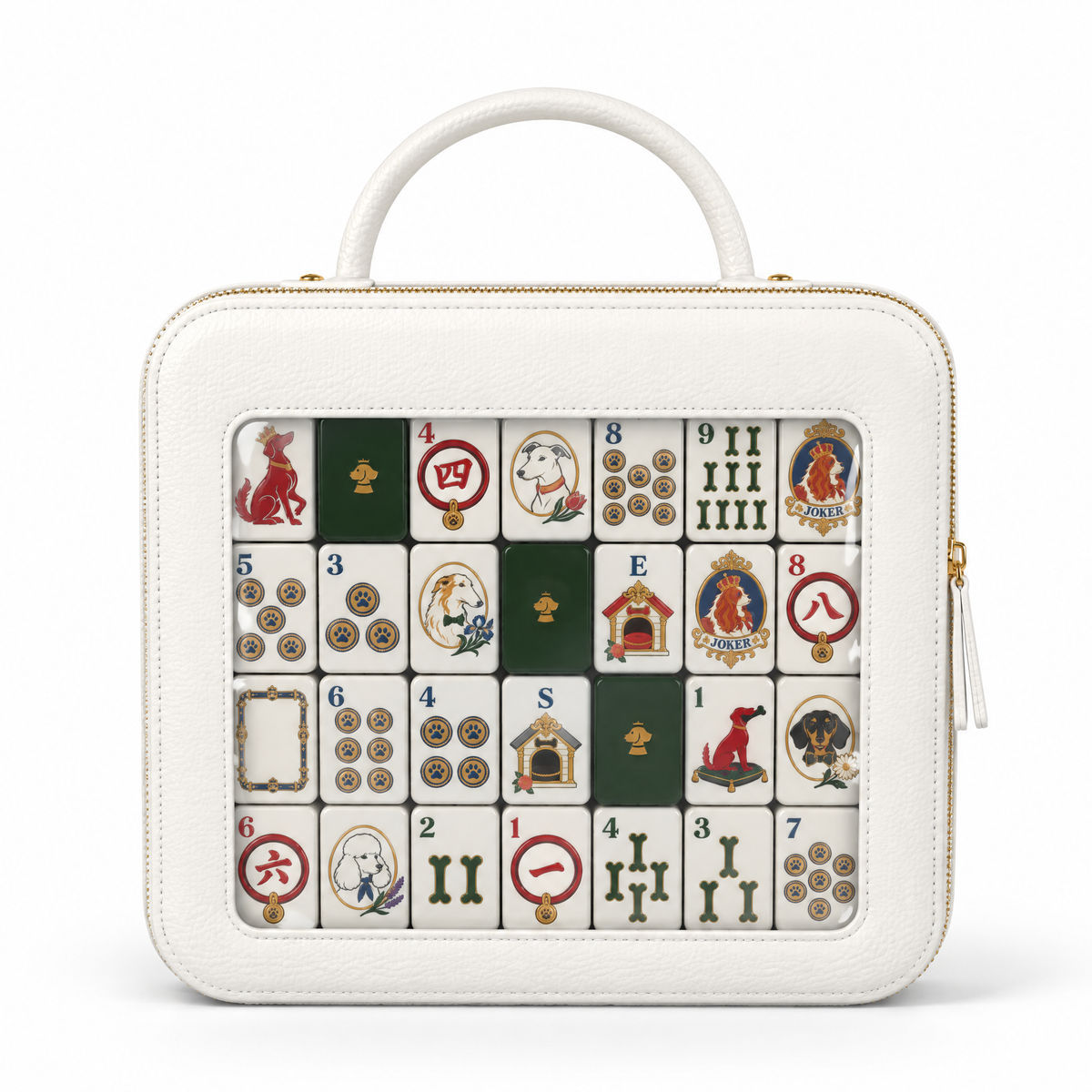
A mahjong party in Richmond follows the same four-player structure as games worldwide, but American mahjong has its own rhythm: you'll need exactly 152 tiles, eight jokers, and the current year's National Mah Jongg League card to match legal hands. Plan for 1–2 hours per session; invite friends to your home, a community center, or a local gathering space, and start with a shuffled tile draw to determine seating and the dealer. The Charleston—our pre-game tile-passing ritual—takes 10 minutes and teaches newcomers the flow immediately. You'll find mahjong for beginners guides online and in Richmond libraries; many players host casual groups that welcome newcomers. Mahstead's 160-tile acrylic sets ship free across the US and come engraved with titles or jokes, so you can make your party instantly memorable.
How Do You Set Up a Mahjong Game for Four Players?
Arrange four chairs around a table (24×24 inches minimum), seat each player facing outward, and place the 152 tiles facedown in the center. Shuffle thoroughly, then each player draws tiles to build a wall in front of them—ours grow from left to right in a standard counter-clockwise flow. Distribute 13 tiles to each of the three non-dealers; the dealer draws 14. Place the current year's National Mah Jongg League card in the center so all can see it, keep jokers and score sheets nearby, and you're ready.
🀄 Shop best-selling mahjong sets →

What Is the Charleston and Why Does Every Party Need It?
The Charleston is the 10-minute tile-passing warm-up before the hand begins: each player passes three tiles to their right, then three to their left, then three across the table. This ritual teaches newcomers how tiles move, builds excitement, and—honestly—levels the field so no one starts cold. Beginners see it as a game inside the game. The Charleston explained gives you the exact sequence; it's non-negotiable in American mahjong and makes first-time players feel included immediately.
How Do You Help Beginners Learn the Hands?
Print or laminate a copy of the current year's card and place it where all four players can reach it. Show newcomers how to read suit symbols (Bams show bamboo, Craks show circles, Dots show dots) and find matching hand patterns by section. Let them touch the card, ask questions during play, and don't penalize mistakes in the first two hands—speed comes naturally after three games. Many Richmond players host "beginner nights" on a set day each month; check community centers, libraries, and synagogues for open groups.
Setup Task | Time Needed | Who Leads | Common Mistake |
Shuffle & build walls | 5 min | Host | Uneven wall heights; recount |
Distribute starting tiles | 3 min | Dealer | Miscounting dealer's 14th tile |
Charleston passes | 10 min | All players | Passing 4 tiles instead of 3 |
Card review & hand matching | 2–3 min | Any player | Forgetting to check current year's card |
Game play (first hand) | 15–25 min | N/A | Calling hands too fast without verifying |
How to play American mahjong covers the full flow; if anyone gets stuck during play, pause and check the card together rather than arguing.
What Equipment Makes a Richmond Party Feel Polished?
A durable mahjong mat protects tiles from spills and gives the game table a cohesive look—guests immediately know it's intentional, not casual. Pair it with a set of engraved American mahjong sets (personalized with your name, a funny phrase, or a year) and racks with pushers so players organize their hand clearly. If you host regularly, a protective travel bag or case keeps everything clean between parties. These aren't luxuries—they signal respect for the game and keep the flow smooth.
🎁 See our most-loved mahjong sets & accessories →

How Do You Find a Mahjong Community in Richmond?
Start at your local public library, community center, synagogue, or country club—many host weekly or monthly games and welcome newcomers. Search online meetup boards for "mahjong Richmond" or ask at arts and crafts shops; players often post flyers. Invite friends in batches: host one home game, ask attendees to bring a second pair of friends, and momentum builds. Most communities have a mix of serious tournament players and casual friends, so there's always a table your speed. Once you've played four times, you'll recognize faces and can slot into a regular group easily.
What Mistakes Should You Avoid in Your First Party?
Don't mix years of the card. The National Mah Jongg League card changes every spring; using last year's card means hands won't match legal plays. Check your card's year before inviting guests.
Don't assume everyone knows the rules. Spend 5 minutes walking through a practice hand with no jokers; let players call "wrong hand" without penalty so they learn to check before declaring.
Don't skimp on tile quality or visibility. Worn, faded tiles slow the game and frustrate newcomers. What's in an American mahjong set breaks down each tile's design; acrylic sets stay crisp and readable for hundreds of games.
Don't overcomplicate joker rules. Jokers substitute for any tile except a single tile or a pair. Show one example per hand until it clicks. How jokers work has the full ruleset if disputes arise.
Don't rush the first hand. Let the first game take 25–30 minutes. Players need time to read the card, ask questions, and build confidence. Speed and competitiveness come naturally by game three.
✨ Find your Mahstead set — free US shipping →
What to Check Before You Buy
Tile count: Mahstead sells 160-tile sets (152 playing tiles + spares for loss or damage). This is standard for home play; you'll always have what you need.
Acrylic vs. other materials: Acrylic tiles don't absorb moisture, won't warp from humidity, and stay legible for years. If you host regularly, they're the long-term smart choice.
Mat size: Most players sit 2–3 feet apart. A mat 36–48 inches per side leaves room for tiles, racks, and cards. How to choose a mahjong mat walks you through dimensions.
Current year's card: Buy or print the 2026 National Mah Jongg League card. Older cards won't have this year's legal hands.
Personalization: Engraved sets make parties memorable and are a gift-quality upgrade at no extra complexity.

FAQ
Do I need to play in a club to host a mahjong party?
No. Four players, one set, a mat, and the current year's card are all you need. Host at home or book a community space. Most casual games form through word-of-mouth and repeat players.
How long does a mahjong game actually take?
A single hand runs 15–25 minutes once players know the rules; a full session is typically 4–6 hands, so 1.5–2 hours total. Beginners take longer; experienced groups move faster.
What's the difference between American and other mahjong variants?
American mahjong uses a card of legal hands (changes yearly), no melds can be called except pungs/kongs/quints, and jokers are wild. Chinese, Hong Kong, and Riichi versions have different tile counts, different calling rules, and no card. American is the easiest for beginners and most common in US home games.
Can fewer than four people play mahjong?
Yes, but the rules change. Two and three-player games exist but are less common. Start with four; if someone cancels, check 2 and 3 player mahjong rules or ask your group to reschedule so the game plays at full strength.
How do I know which tiles belong in a legal hand?
Use the current year's National Mah Jongg League card. Each pattern shows which suit, number, and quantity of each tile forms a winning hand. If your tiles don't match the card exactly (including joker count and position), it's not a legal hand yet.
What if someone calls "mahjong" too early or with the wrong tiles?
Stop play, check the card together, and if they're wrong, they pay a penalty (usually 8 points, but house rules vary). No one gets upset; it's part of learning. Experienced groups have a scorekeeper watch for this; beginners need patience and a friendly re-check.
Should I buy a mat, racks, and a fancy set for a casual game?
If you're hosting once, borrow or improvise. If you're hosting monthly or more, a mat keeps tiles safe and the game organized, racks help players see their hand clearly, and a quality set won't warp or fade. The investment pays off by game five.
Where can I find the National Mah Jongg League card in Richmond?
Check your local library, ask at community centers, order online, or ask experienced players in your group. The card changes every spring; always confirm you have the current year before playing.


View More
View More
View More
