
Mahjong Party Ideas in New York: Host, Learn & Play
Last updated: Nov 23, 2026
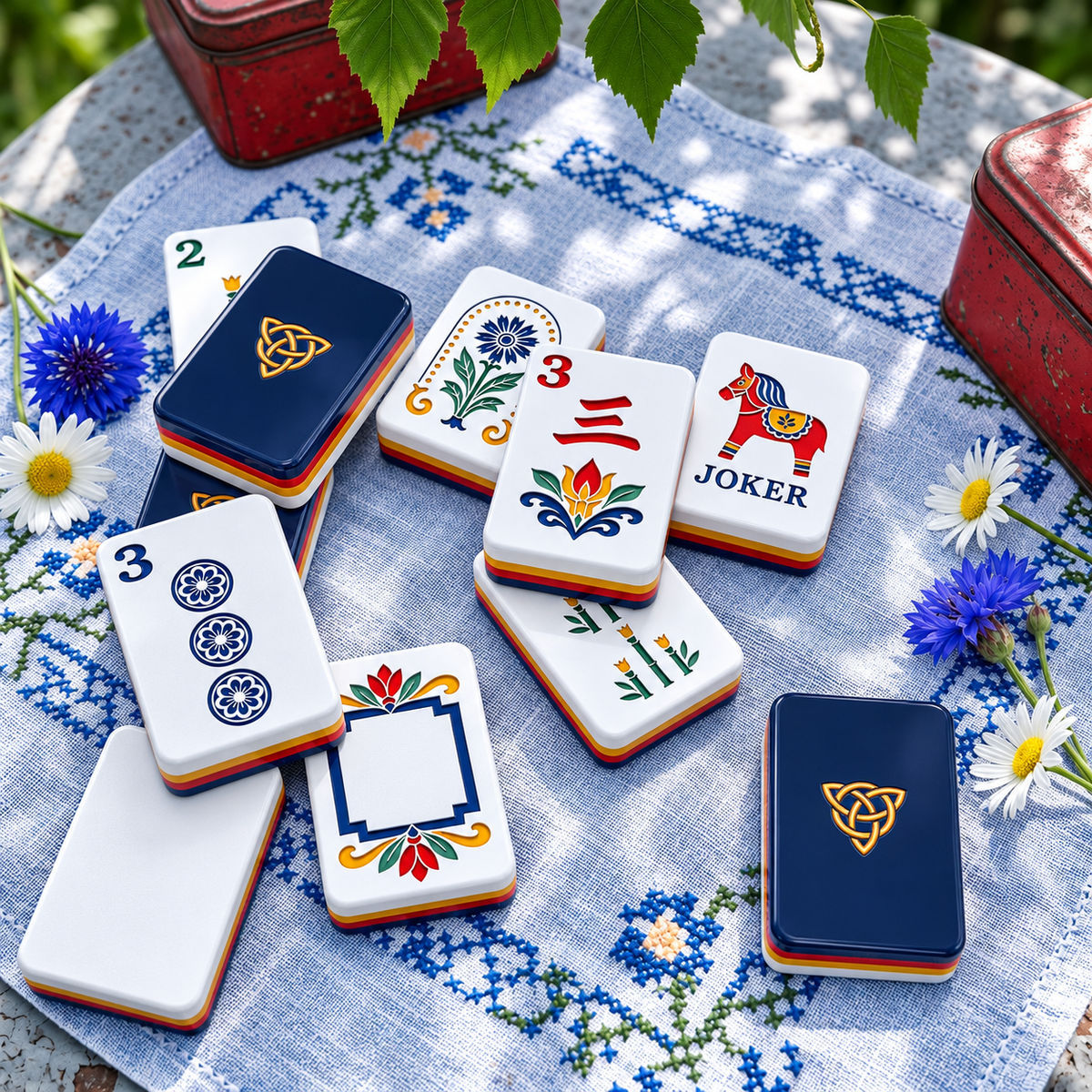
New York City hosts year-round mahjong communities across community centers, libraries, synagogues, and country clubs in every borough. A standard American mahjong game seats exactly four players and runs 30–90 minutes per hand; plan 2–3 hours for a casual evening. The game uses 152 tiles (three suits—Bams, Craks, Dots—winds, dragons, flowers, and jokers) plus a reference card updated each spring by the National Mah Jongg League. Players pass tiles in a ritual called the Charleston before forming hands from the card's listed patterns. You'll need best-selling mahjong sets with clear acrylic tiles, a mat to define the play space, and racks to hide your hand. Most NYC groups welcome learners; start by watching one hand, then join the next round. Never assume rules—always confirm which variant and card year your group plays.
A mahjong night in New York isn't just a card game—it's a weekly ritual in neighborhoods where families have played for decades, plus newer groups forming in bars, maker spaces, and online communities. If you're hosting or attending for the first time, the gap between "I've heard of it" and "I know what's happening" feels wide. But the setup is simpler than poker, the learning curve is gentler than bridge, and New York gives you more ways to play than almost any other US city.
Where do New Yorkers actually play mahjong?
Community centers, libraries (especially in neighborhoods with large Chinese and Jewish populations), synagogues, country clubs, and university alumni groups run regular games; check each venue's website or call their activities desk for schedules. Meetup boards and Facebook groups connect casual players; search your borough name plus "mahjong" to find open tables. Some bars and cafés in neighborhoods like Flushing, Sunset Park, and the Lower East Side host evening games. Ask at the table before joining whether they play American mahjong (four players, 152 tiles, hands from the current-year card) or a different variant; the rules differ significantly. Start with one visit as an observer, then ask if you can sit in on the next hand.
🀄 Shop best-selling mahjong sets →

What do you actually need to host a mahjong party at home?
Four players, one mahjong set (152 tiles, 8 jokers), a mat or dedicated table, four racks with pushers (one per player to hold and sort tiles), dice (usually included with sets), and a copy of the current National Mah Jongg League card. The card is free online or costs a few dollars in print; it lists every legal hand for that year. A bag or case protects your set during transit. Seating four around a table roughly two feet square is standard; crowding players leads to miscalls and slow play. Have snacks and drinks nearby but not directly on the mat—spilled coffee is a regular nightmare. If any player is new, print one extra card or display it on a laptop so they can learn the pattern names.
What You'll Need | Why It Matters | Host Tip |
152-tile set | Exact count; 144 is too few, 160 is for spares | Buy once, use for 20 years |
Four racks | Hides your hand; keeps tiles organized | Prevents accidental exposure |
Mat | Defines play area; mutes tile noise | Easier cleanup than bare table |
Current card | Rules change yearly; old card = wrong hands | Download free or buy at game |
Dice (pair) | Determines seating and first draw | Most sets include them |
How do you explain American mahjong to someone who's never played?
American mahjong uses 144 numbered tiles in three suits (Bams, Craks, Dots numbered 1–9), 16 wind tiles, 12 dragons, 8 flowers, and 8 jokers. Players draw tiles one at a time and discard one, trying to form a hand matching a pattern on the current year's card—all patterns have fixed combinations of pungs (three identical tiles), kongs (four identical), or pairs. Unlike Chinese mahjong, American hands have no sequences (1-2-3) that can be called or exposed; you only reveal pungs, kongs, and quints (five identical). Jokers are wild and can substitute for any tile in a pung, kong, or quint, but never in a pair or as a single tile. The game ends when one player completes a legal hand and declares Mah Jongg. Scoring follows the card: hands range from simple (few points) to complex (many points). Start with the official beginner's guide if you want to read the full rules before hosting.
What's the most common mistake new hosts make?
Not doing a practice hand before guests arrive. Run through the tile distribution, the Charleston (the three-round passing ritual before play), and one full hand yourself or with one player beforehand so you're not learning during the live game. Second mistake: mixing up tile counts—some older sets have 144 tiles (too few for American mahjong), while newer sets have extras; always confirm you have exactly 152 playing tiles before you start. Third: forgetting the card or using an outdated card. The National Mah Jongg League updates the card every spring; hands from 2024 are invalid in 2026. Fourth: seating players too close or without racks, leading to hidden tiles being exposed accidentally. Finally, don't let anyone explain all the rules during the game—assign one person as the tie-breaker before round one, then play.

How do you decide between casual home play and joining an established group?
Home play is relaxed, free, and on your schedule—ideal if you have a friend group ready to learn together. You control the pace, variant (American, Chinese, Hong Kong, Riichi, or Taiwanese—each has different rules), and stakes (friendly, no money, or penny-ante). Established groups often play faster, follow stricter rules (especially about joker use and exposed sets), and include players ranked by skill, so you'll improve quickly if you're serious. Groups also pressure you to play the same day each week, so commit only if you'll make most sessions. Many NYC players do both: casual home games on weekends and a league game on Tuesday or Thursday nights. Start with a hosted group game to learn the local dialect (some groups call certain plays differently), then host a home version when you're confident enough.
🎁 See our most-loved mahjong sets & accessories →
How do you choose a mahjong set when you're just starting?
Acrylic tiles are the NYC standard—they're durable, loud (satisfying click-clack on the table), and easy to read even for older players. Bamboo sets are beautiful but heavier and wear faster; resin sets are lighter but can feel cheap. Look for sets with embossed suits and numbers so you can feel the tiles even if you're not looking. Four-player American sets come at best-selling mahjong sets with matching racks and mats; buying as a bundle is simpler than sourcing separately. If you'll travel to games, get a bag or case that fits the mat and tiles—trains are loud, and loose tiles in a canvas bag get damaged or lost. Engraved sets make great gifts for housewarming or birthdays if you're hosting regularly; the personalization doesn't affect gameplay but makes your set unmistakable.
Before You Buy: A Hosting Checklist
Confirm you have exactly 152 playing tiles, not 144 (too few) or 160 (160 includes spares outside play).
Download or print the current-year National Mah Jongg League card; old cards have outdated hands.
Test the mat on your dining table to ensure four people fit comfortably around it without crowding.
Wash acrylic tiles before the first game; tiles often arrive with manufacturing dust.
Have one player familiar with the card and scoring rules act as moderator.
Plan 15 minutes for the Charleston (tile-passing ritual), then 20–30 minutes per hand.
Keep the case or bag nearby for safe storage between games.
✨ Find your Mahstead set — free US shipping →

FAQ
Is American mahjong the same as the mahjong played in China?
No. American uses 152 tiles with a yearly card, only exposable pungs or kongs (no sequences), and jokers as wildcards. Chinese mahjong uses fewer tiles, allows exposed sequences, and has different hand values. Always confirm which version your group plays.
Can I play mahjong with fewer than four players?
Yes, but the rules change significantly. Two or three-player variants exist but are not standard in New York clubs; ask your group if they offer 2 and 3-player rules before hosting.
How long does a mahjong game actually take?
One hand (one player winning) takes 20–45 minutes depending on skill and tile luck. Most casual sessions are 2–3 hours and include 3–5 hands. Organized leagues often play four hands (one round) in 90 minutes.
What does the Charleston actually do?
The Charleston is the pre-game tile-passing ritual where players exchange sets of tiles to randomize distribution and reduce luck. It takes about 10–15 minutes and must happen before play begins. Learn the exact steps here.
Do I have to use jokers in my hand?
No. Jokers are wild and can substitute for any tile in a pung, kong, or quint, but you never have to use one. Some hands are stronger without jokers because they block other patterns. Joker rules explained in full here.
What if someone calls Mah Jongg but the hand is illegal?
The hand is dead (invalid), and that player sits out the rest of the hand. Scoring then depends on who discarded the final tile; ask your table's moderator for the ruling. This is why one person should be designated as tie-breaker before play starts.


View More
View More
View More
