
Sichuan Mahjong Tips: Rules, Strategy & Setup Guide
Last updated: Nov 23, 2026
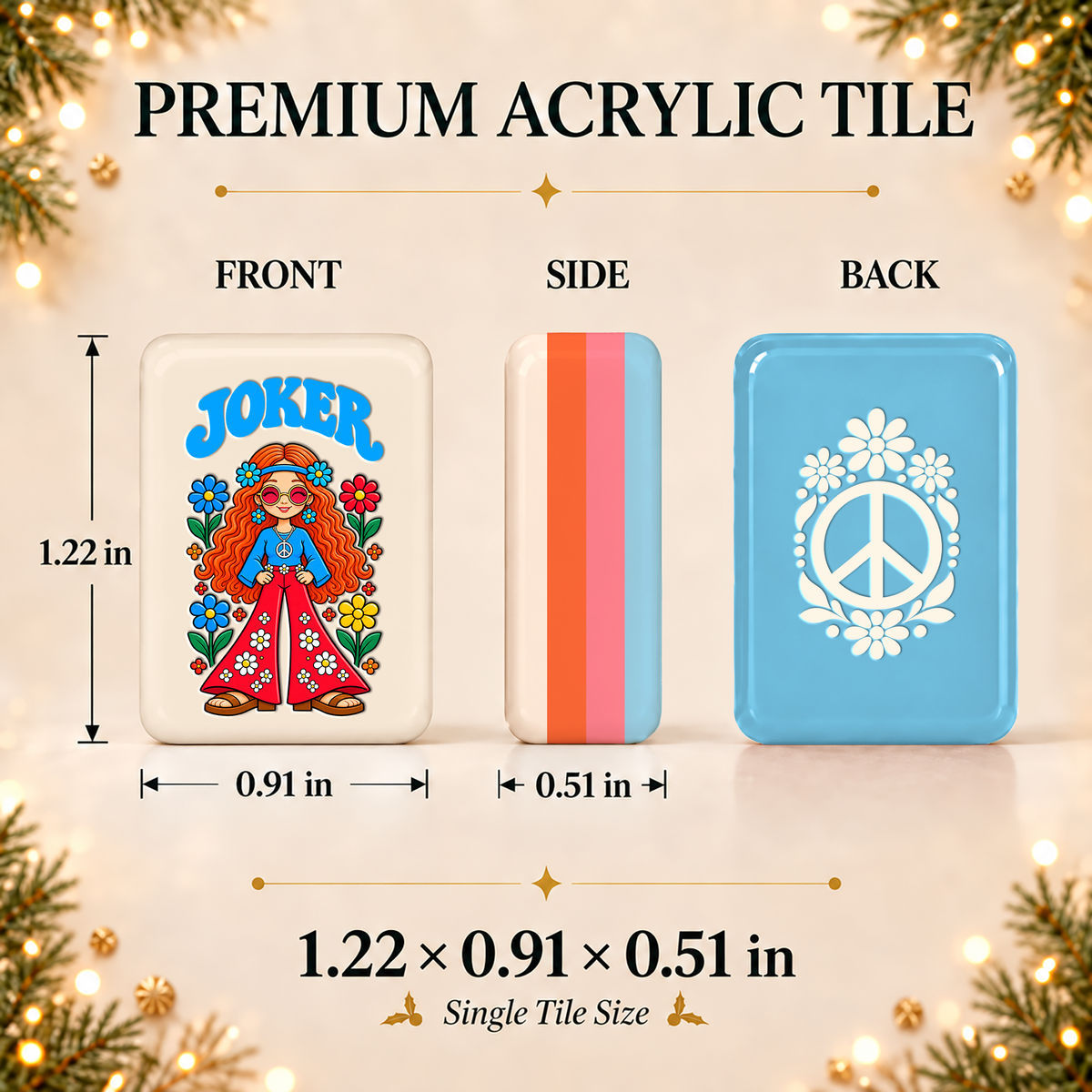
Sichuan mahjong uses a 108-tile deck (four copies each of 1–9 in three suits: Craks, Bams, Dots; plus winds and dragons) and plays with four hand types: eyes (pair), melded sets (pungs, kongs, chows), and melds. Hands score based on tile combinations and patterns rather than a reference card. Games move quickly with aggressive discarding and calling. Key strategy: recognize flush patterns early, count discards to predict opponents' shapes, and manage your suit exposure. Common traps include overholding honors too long, chasing marginal melds at risk of becoming "dead" (unable to win), and betting carelessly on weak hands. Unlike American mahjong's rigid annual card, Sichuan play emphasizes reading live tile flow and adapting to the table. Many home players track scores manually; best-selling mahjong sets come with dice and organized racks, making setup and score-keeping cleaner at every session. 🀄 Shop best-selling mahjong sets →
What are the core hand types in Sichuan mahjong?
Sichuan hands revolve around four components: a pair (eyes), at least one meld (pung, kong, or chow), and a winning tile. A pung is three identical tiles; a kong is four. A chow is three consecutive numbers in the same suit—crucially, this differs from American mahjong, which forbids chows in exposed play. Once you declare ready (ting), you wait for opponents to discard your winning tile. Most beginners overestimate how many melds they need; in Sichuan, one strong meld and a pair often beats a hand full of loose tiles. Speed wins—the faster you recognize a path to ting, the fewer dangerous tiles you hold and the faster you avoid dead hands.

How does Sichuan betting and scoring differ from other variants?
Sichuan mahjong scoring focuses on tile patterns and bonus combinations rather than a fixed card or chart. Players agree on a base unit before play (e.g., one round costs a fixed amount). Winners collect from losers; bigger patterns or self-drawn wins pay more. Discards are public, so all players see which tiles are dead. Betting is often applied live—players wager during play on strength signals (declaring ting, winning from wall vs. discard). This rapid feedback loop rewards careful tile reading and punishes loose calls. The lack of a formal annual reference card means tables vary by region and player agreement, making adaptability crucial to your edge.
What's the biggest mistake Sichuan players make?
Holding honor tiles (winds and dragons) too long is the classic leak. Many players cling to a pair hoping for a tig (honor set) bonus, but honors move slowly and block your exits. By mid-game, you've usually seen enough discards to know whether your honor pair is live. If you haven't seen three copies, fold it quickly. A second trap: chasing marginal chows when you're already far from ting. Staying for "one more tile" leaves you holding multiple suits and wide-open melds—other players see this and discard safely. The rule: if you're holding more than three suits three turns into mid-game, reassess your shape. Dead hands cost more than a cautious fold.
How do you read the table and adjust your strategy?
Track every discard in a mental map—note which suits and ranks are heavy, which are sparse. If Dragons have run out, fold any Dragon pair early. If one suit is completely gone, melds in other suits are safer to hold. Discard order matters: early-game discards are often dangerous (players shedding surplus tiles from their draw hand); mid-game discards are the most informative (players are ting-hunting and culling edges). When a player stays for many turns without discarding high tiles, they're ting on a low waiting tile—assume any 2–5 Dots, 3–7 Bams, or 2–6 Craks is hot. Aggressive players are better reads than cautious ones because they broadcast shape faster. Adjust your discard priority based on table aggression: safer discards early against loose tables, more flexible discards against tight ones.

What setup and equipment makes Sichuan play easier?
Clear tile organization is non-negotiable in Sichuan because the game moves fast and you'll miss calls if your racks are chaotic. Mahjong racks with pushers let you slide tiles forward as you ready instead of fumbling with hand arrangements. A sturdy mahjong mat keeps tiles visible and prevents slips—especially critical in fast play. Dice should be easy to read; quality sets come with dice designed for quick scanning. Keep score on paper (not memory) and recheck after every hand. Many experienced Sichuan players use a dedicated travel bag to store their set separately so they can set up at a moment's notice without hunting for a tile. A complete set with organized storage ensures you're never the reason the game stalls.
Setup Element | Why It Matters in Sichuan | What to Avoid |
Racks & pushers | Fast melds, clear reads, fewer misdealt tiles | Loose piles (tiles tip, discard errors) |
Scoring paper | Game speed, dispute prevention | Relying on memory (leads to disputes) |
Quality dice | Quick calls, no re-rolls | Ambiguous pips (costs time mid-hand) |
Dedicated mat | Tile visibility, tile grip, reduced slips | Bare table (tiles scatter, play halts) |
Organized storage | Setup in <3 minutes, no missing tiles | Bags with loose compartments (lost pieces) |
🎁 See our most-loved mahjong sets & accessories →
How does Sichuan mahjong compare to American and other variants?
Sichuan is faster and more flexible than American mahjong, which locks hands to a reference card and forbids chows in exposed play. American relies on strict hand patterns; Sichuan rewards tile-reading and seat dynamics. Unlike riichi variants (Japanese), Sichuan doesn't use a "ready" tile rule—you declare when you choose. Taiwanese mahjong also uses chows and is equally fast, but Sichuan scoring is simpler. Hong Kong mahjong is closer to Sichuan structurally but uses a larger tile set and different melds. The key advantage of Sichuan over American: you're not locked to an annual card, so regional tables vary—this means you'll develop stronger general tile-reading skills. The downside: no unified rulebook means house rules vary. Always clarify betting, tig bonuses, and flush patterns before sitting down.
What to check before you buy a Sichuan set
Tile count: A standard Sichuan set uses 108 playing tiles (no jokers or blanks). Verify the set you're buying includes exactly this—mixed sets sold online often omit this detail.
Suit clarity: Bams, Craks, and Dots must be instantly readable in side-light and dim room light. Test samples if possible; off-color printing slows the game.
Tile grip: Tiles should resist sliding on your mat. If they're too slippery, faster play becomes error-prone.
Rack fit: If buying racks separately, confirm they hold your tile size. American-sized tiles fit most acrylic racks, but check dimensions.
Storage: A fitted bag prevents tiles from loosening during transport. A complete set with a bag costs less than replacing lost pieces.
✨ Find your Mahstead set — free US shipping →

FAQ
Can I play Sichuan mahjong with an American mahjong set?
Not directly. American sets use 152 tiles with jokers and no simplified hand structure. Sichuan uses 108 tiles with no jokers. You'd need to remove jokers and flowers from an American set, leaving 108 core tiles, but the tile designs and suit markers differ—it's error-prone. A dedicated Sichuan set is cleaner.
What's "ting" and why is it so important?
Ting means you're ready—you're holding a legal meld plus a pair, waiting for exactly one more tile to win. Once ting, other players know you're dangerous and discard more carefully. Declaring ting early signals strength and often forces table dynamics to shift in your favor.
How many jokers or wildcards does Sichuan use?
Standard Sichuan uses no jokers or wildcards. All 108 tiles are fixed-rank. Some regional variants allow one or two jokers (called "kings" or "flowers"), but this is non-standard. Confirm with your table before play.
Is Sichuan mahjong legal to play for money?
Sichuan mahjong is played for stakes in casual home games across China. In the United States, home mahjong games for money between friends are generally legal in most states (check your local laws). Casinos and public rooms may face restrictions; always confirm local gambling laws before wagering.
What's the difference between a chow and a pung?
A pung is three identical tiles (e.g., three 5 Craks). A chow is three consecutive tiles in the same suit (e.g., 3-4-5 Bams). Both are melds. Chows move your hand forward in timing; pungs are safer because they're harder to predict and block.
How long does a typical Sichuan game last?
A full session (four rounds, one per seat, eight hands total) runs 60–90 minutes depending on table speed and betting depth. Fast tables with light betting finish in 45 minutes; careful tables with high stakes may extend to two hours. Set expectations before the first deal.
Should I memorize discards or just react?
Both. Strong players mentally log which tiles left the table each hand (especially honors and terminal tiles like 1 and 9). After 15–20 hands, you'll recognize patterns—your odds of hitting a specific tile improve. Early in a session, rough pattern-reading is enough; as hands progress, memory becomes your edge.


View More
View More
View More
