
Mahjong Party Ideas in Milwaukee: Host a Game Night
Last updated: Nov 23, 2026
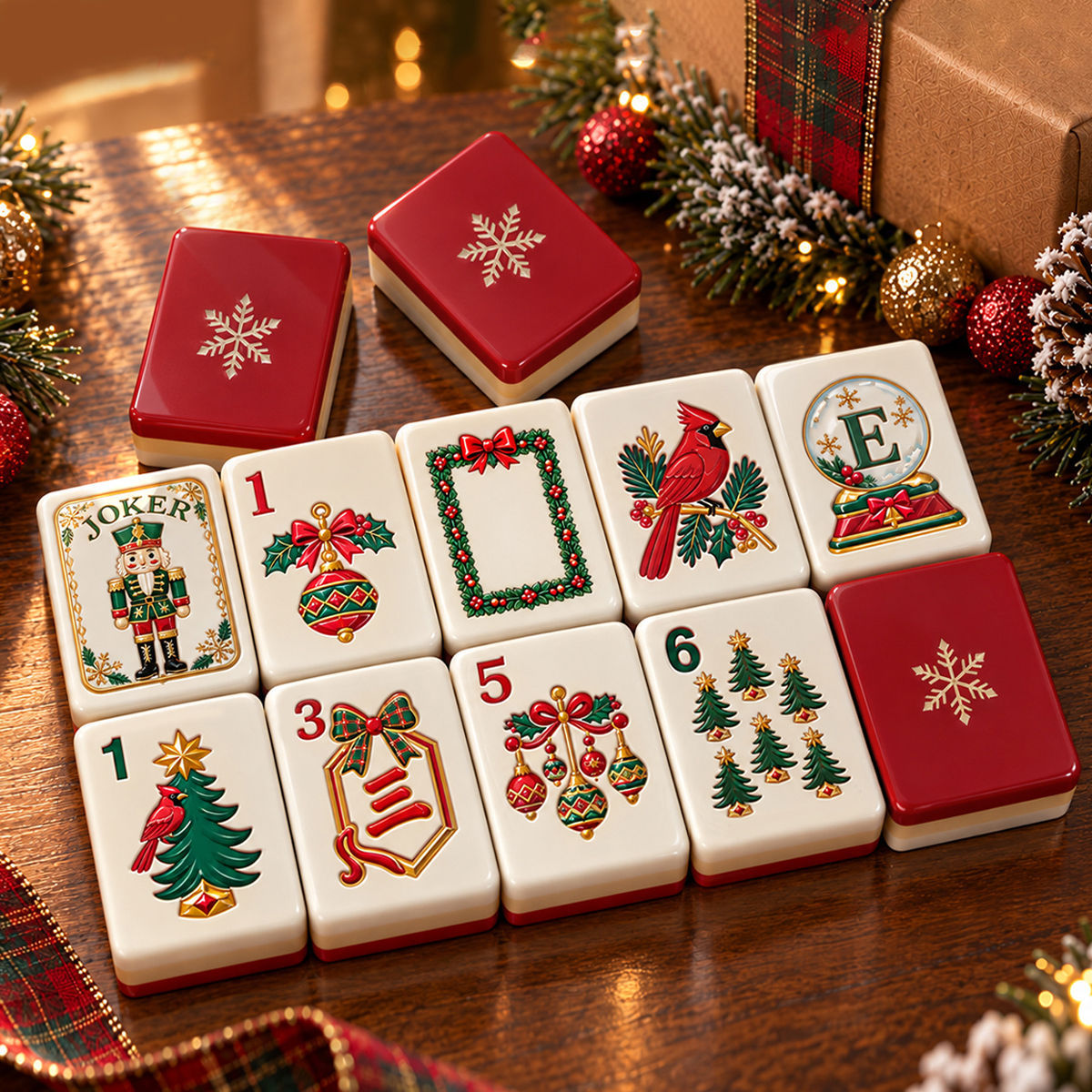
Milwaukee hosts mahjong in public spaces (check your local library, community center, and synagogue bulletin boards) and through informal home game networks. A casual four-player American mahjong party takes about 90 minutes for one game, including the Charleston tile-passing ritual and scoring. You'll need a 152-tile set, a mat to protect your table, and snacks—most players bring appetizers and drinks to share. Cost runs from modest (borrowed or older sets) to mid-range if you're buying your first best-selling mahjong set. Start by asking at community centers or checking Meetup boards; many groups welcome new players with patience and clear rule instruction.
Where do Milwaukee players actually gather?
Milwaukee's mahjong community meets in three main venues: libraries often host open-play afternoons or beginner classes (call ahead to confirm current schedules), community centers sometimes offer drop-in games or lessons on weekends, and synagogues frequently have active players who meet weekly. Churches and country clubs occasionally host games too. Your best bet: visit your neighborhood library or community center in person, ask the staff directly, or scan Meetup's activity boards for "mahjong" groups. Many groups are informal, so word-of-mouth is real—once you meet one player, you'll hear where the steady games happen.

What does a beginner-friendly mahjong party actually need?
A four-player game needs one 152-tile American mahjong set, a padded mat to protect your table, the current year's National Mah Jongg League card (updated every spring, often free or a few dollars at game shops), four chairs around a table, and snacks. Racks with pushers help beginners see their tiles clearly and reduce accidental exposures. You don't need music, complicated decor, or a casino vibe—just clear tiles, good lighting, and a rule reference nearby. Most players print or laminate a quick scoring cheat sheet to speed up resolution at the end of each hand.
How do you invite people without overwhelming them?
Frame it as "come learn" rather than "compete." Send a text or email three weeks ahead saying: "We're playing American mahjong—no experience needed; I'll teach the basics in the first 30 minutes." Suggest four to five people total (a full table). Ask if anyone has played before; if yes, they can help teach. Mention snacks, the start time, and how long you'll play (usually two hours). Be honest about the learning curve—most people pick up the tile recognition and pung-building in one session, then enjoy the game itself. If someone's nervous, pair them with a patient experienced player for their first hand.
What's the difference between hosting a casual game and joining a club?
Aspect | Casual Home Game | Established Club |
Frequency | Weekly, biweekly, or monthly; you choose | Fixed schedule, often weekly |
Cost | Usually none; potluck snacks | May have small membership or table fee |
Rule strictness | Relaxed; house rules okay | Follows National League rules; ref present |
Pace | Slower; pauses to chat | Faster; steady rhythm |
Group size | 3–5 friends you vet | 20+ rotating players |
Setup burden | You handle it | Venue provides mats, tiles, cards |
If you enjoy control and intimacy, host at home. If you want regular access to skilled partners and less prep work, join a club. Many Milwaukee players do both.
What common hosting mistakes should you avoid?
Crowding the table: Never squeeze more than four chairs around a mahjong table—you need elbow room to see tiles and move hands. Five players means a shortened game or frustration.
Unclear scoring: Before the game, pick a scoring method: most casual Milwaukee games use simplified American scoring or house rules to save time. Write it down so disputes don't derail the mood.
Forgetting the current-year card: Without it, you can't verify a legal hand. The card changes every spring, so old cards don't work. Print a free copy from the National Mah Jongg League website or ask a club player for the link.
Rushing beginners during the Charleston: The tile exchange before play confuses newcomers. Go slow; explain each step. Many groups hold the first Charleston longer so people settle in.
Bad lighting or small tiles: If guests squint or misread tiles, they make errors and feel lost. Invest in a good padded mat and table lamp. Large, clear acrylic tiles beat small bamboo when teaching.
🀄 Shop best-selling mahjong sets →
How do you teach the game in 30 minutes?
Show the tile types first: suits (Bams, Craks, Dots), winds, dragons, flowers. Point out that American mahjong uses only pungs (three identical tiles), kongs (four), and jokers as wildcards—no sequences like "1-2-3." Explain the Charleston: everyone passes 14 tiles left, then left, then across three times, in a ritual sequence. Then show one sample hand from the current year's League card—not a full one, just a pattern (e.g., "two pungs of Bams plus a pung of Dots"). Play one hand together where everyone sees everyone's tiles and you narrate each draw and discard. Skip scoring the first round; play a few more hands and then introduce simple scoring rules. By hand three, most players feel ready.
🎁 See our most-loved mahjong sets & accessories →

Should you give gifts or party favors?
Yes—small gifts turn a game night into an event guests remember. Consider engraved American mahjong sets as lasting favors for recurring players, or Christmas mahjong sets if your party is seasonal. Alternatively, give dice, small tile keychains, or a custom travel bag to someone who's committed to the group. Non-playing guests (spouses, kids, friends staying for snacks) enjoy novelty items with mahjong graphics. Gifts aren't required but they show you valued the guest's time.
Before you host: a quick checklist
[ ] Confirm your table is at least 34" × 34" and sturdy.
[ ] Test your set: count the tiles, check for cracks or loose acrylic.
[ ] Print or laminate the current-year National League card (or borrow from a player).
[ ] Clean your mats or order a new padded mat if yours is worn.
[ ] Invite people 2–3 weeks ahead; confirm one week before.
[ ] Set up the table, mats, and card 15 minutes before guests arrive.
[ ] Have a pen, paper, and snacks ready.
[ ] If hosting for the first time, have a video link handy or ask an experienced player to join early and help teach.
✨ Find your Mahstead set — free US shipping →
Why Milwaukee's informal mahjong culture works
Milwaukee's mahjong community thrives because it's low-pressure and multigenerational. Unlike competitive tournaments, most home games and library gatherings prioritize teaching and steady friendships. You'll meet retirees, working parents, and newcomers all learning together. Many players stay in the same group for years, creating a welcoming vibe for guests. This culture means your first party doesn't need to be perfect—just honest, clear, and fun. As you host more, you'll develop your own style and maybe find regular co-hosts who share the responsibility.
Our pick: what you'll need to start
If you're buying your first set, start with a best-selling mahjong set that comes with clear tiles and solid construction—it'll last through many home nights and survive passes between friends. Pair it with a padded mat and racks with pushers to help beginners organize their hands. Once your group is steady, consider an engraved or themed set as a personal touch. All ship free across the US, so you can set up your party with confidence and no rush.
New to American mahjong rules?
Start here: how to play American mahjong. For deep dives on the Charleston ritual, see this guide. Want a beginner's overview? Mahjong for beginners covers the fundamentals.

FAQ
Do Milwaukee players prefer American, Chinese, or Hong Kong mahjong?
American mahjong dominates in Milwaukee community centers and libraries. It uses one set per table, requires no sequences, and is widely taught. Chinese and Hong Kong variants exist in smaller private circles; ask the group you meet before assuming.
Can I play with fewer than four people?
Yes. Two or three players use adapted rules; see 2 and 3 player mahjong rules for specifics. Most parties aim for four because the traditional game is designed around a full table.
How much should I charge per game or per player?
Most Milwaukee casual groups play for free or pool small amounts ($1–3 per person) for snacks. Organized clubs may charge a table fee (typically $3–5) to cover table rental or materials. Home games are almost always free among friends.
Where do I buy the current National League card in Milwaukee?
Call your library's reference desk or local senior center; many stock them free or sell them cheaply. Online, search "National Mah Jongg League" for official retailers. Some players share digital copies; check with your local group.
What if someone says they know a "house rule" that changes the game?
Listen politely and say, "Let's stick to League rules tonight so everyone's on the same page." House rules can add flavor once players are comfortable, but beginners need consistency. You set the standard in your home.


View More
View More
View More
