
Mahjong Party Ideas in Houston: Games, Setup & Hosting Tips
Last updated: Nov 23, 2026
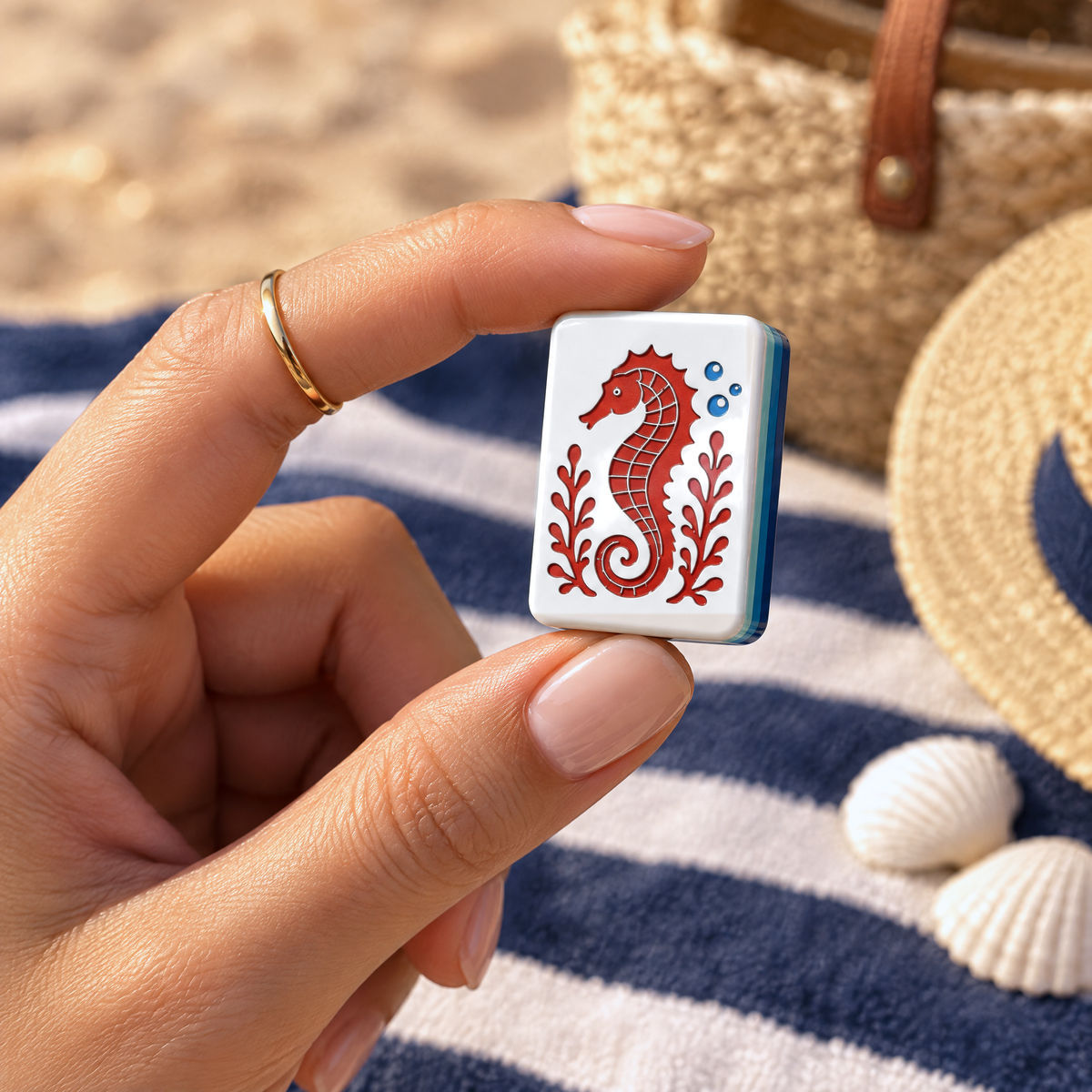
Hosting a mahjong party in Houston starts with the basics: gather four players, set a date and time (typically 2–4 hours), choose a quiet spot with a sturdy table, and decide whether you're playing American mahjong (the most common variant in Texas). You'll need a complete 152-tile set, mats to protect surfaces and improve play, racks with pushers for hand organization, and snacks for intermissions. Houston's home to year-round mahjong interest through community centers, libraries, synagogues, and country clubs—great places to recruit players or join existing groups. Plan for breaks every 60–90 minutes, keep copies of the current National Mah Jongg League card handy, and decide on stakes beforehand if playing for money. Our best-selling mahjong sets ship free across the US and arrive ready to play, so you can focus on hosting rather than hunting down parts.
What's the best space setup for a mahjong party at home?
A dedicated table at least 36 inches wide works best—a dining table or folding card table works fine. Center a mahjong mat to protect your furniture and provide a clean playing surface. Position players so each has roughly two feet of elbow room; ensure good overhead lighting so nobody strains to read tiles. Keep a small side table or cart nearby for the card (the reference for legal hands), scorecards, and a pen. This layout prevents tiles from sliding off edges and keeps the game flowing without constant pauses to retrieve pieces. For Houston's humidity, position a dehumidifier nearby if your space feels damp; acrylic tiles resist warping better than bamboo, but airflow still helps.

How do I find players or build a regular group in Houston?
Houston has thriving recreational mahjong communities scattered across the city. Check your local library branches, community centers, and neighborhood synagogues—many host open game nights or can direct you to established groups. Country clubs and golf clubs sometimes host mahjong evenings. Ask your friends and neighbors; word-of-mouth often yields dedicated players. Online meetup boards and neighborhood social groups are worth browsing for mahjong-specific gatherings. Once you've found 4–8 core players, pick a consistent time each week (Tuesday or Thursday evenings are popular) and send a simple reminder before each session. Consistency builds trust and ensures you have a quorum. If you're brand-new to the game, focus first on learning how to play American mahjong and understanding the Charleston before hosting; your confidence will put newcomers at ease.
🀄 Shop best-selling mahjong sets →
What food and drink strategy keeps energy high during a 3-hour session?
Start with light snacks that don't leave greasy residue on tiles: nuts, crackers, cheese, fruit, and cookies work well. Avoid chocolate, sticky candies, and saucy dips that transfer to hands and then to tiles. Set up a drinks station away from the table—coffee, tea, water, and soft drinks in sealed containers. Take a 10–15 minute break after the second hour; this resets focus and lets players stretch. If hosting evening games, prepare one substantial snack (cheese board, veggie tray, or homemade dumplings—Houston favorites) at setup time, then lighter finger foods during breaks. Asking each player to bring a dish or beverage (a sign-up sheet works) spreads the burden and builds community investment. Never eat directly over the tile area; enforce a "no food at the table" rule and stick to it. Players will appreciate the thoughtfulness and your tiles will last longer.
How should you explain American mahjong rules to newcomers before the party?
Send newcomers a one-page summary 2–3 days before the party: explain the four-player setup, the Charleston (tile-passing warm-up), and that hands come only from the current year's National Mah Jongg League card. Point out that American mahjong has no sequences (chows)—only groups of three identical tiles (pungs), four (kongs), five (quints), or six (sextets). Mention that jokers are wild and cannot be used for a single tile, a pair, or a pair in a special. If they've never played, watch a 5–10 minute video together as the group assembles, then walk through one sample hand with everyone's tiles face-up so confusion is cleared before real play starts. Keep a laminated copy of the how to read the mahjong card guide at the table so players can reference it without slowing the game. Explain scoring briefly—it's tied to the card and hand difficulty—and reassure them that everyone catches on by game two or three. This investment upfront prevents frustration and keeps the party fun.
🎁 See our most-loved mahjong sets & accessories →
What equipment checklist ensures your party runs smoothly?
Use this quick reference before guests arrive:
Item | Why It Matters | What to Check |
Complete 152-tile set | Core of the game; one missing tile stops play | Count: 108 suit tiles, 16 winds, 12 dragons, 8 flowers, 8 jokers |
Mahjong mat | Protects table; keeps tiles from sliding; marks dealer spot | Clean, flat, with clear markings |
4 racks with pushers | Organizes each player's hand; prevents tile spills | Pushers move smoothly; racks stable |
Current year's card | Only reference for legal hands; mandatory | Laminated or in a sleeve; everyone can see it |
Dice (two pairs) | Determines dealer and hand distribution | Roll smoothly; no bias |
Scorecards & pen | Tracks points each round | Legible, space for 4 names |
Spare tiles bag | Holds jokers if needed mid-game (rare) | Easily accessible but out of sight |
✨ Find your Mahstead set — free US shipping →

What money and stakes rules keep the evening friendly and fair?
Decide stakes before anyone arrives: play for free, penny ante, or a fixed amount per hand. Popular Houston groups often play 50 cents to a couple dollars per hand (the winner of a hand collects from the other three). Agree on a maximum buy-in for the evening so nobody risks more than they're comfortable with. Keep a running tally on a scorecard; settle up at the end. If anyone is uncomfortable with money, make it clear—everyone plays better when the stakes feel fair and transparent. For regular groups, some players prefer a monthly game where losers buy coffee the next session instead of paying cash. Document house rules in writing and share them with new players; consistency prevents arguments and keeps the group happy. If you're hosting a charity or themed event, mention it upfront so guests know their money supports a cause.
How do you handle ties, rule disputes, and other common party hiccups?
Keep the National Mah Jongg League card and a reference guide at arm's length. If a hand is disputed, stop and gather everyone to review it on the card together; this takes 30 seconds and prevents tension. If a player picks a tile out of turn or exposes a tile accidentally, most groups agree that it's a dead hand and the round restarts with no scoring. Use the rule book from your local mahjong teacher or the league if it's available. For ties (very rare in American mahjong scoring), split the pot evenly among winners. If someone makes an illegal move—like declaring a win with a hand not on the card—politely void that declaration and resume play. Keep the tone light: mahjong is about gathering together, not perfect rule compliance. Newer groups often house-rule minor disputes in the moment, then check the official rules later so everyone learns. This flexibility builds goodwill and keeps everyone coming back.
What to check before you buy
Tile durability: Acrylic tiles resist fading and warping in Houston's heat and humidity far better than paper or bamboo.
Mat protection: A thick mat prevents tiles from bouncing and protects both your furniture and your guests' comfort.
Rack stability: Pushers should move smoothly and racks should sit flat; wobbly equipment frustrates newer players.
Clear markings: Ensure the card you use is legible and the mat's dealer spot is obvious.
Spare jokers: A few extra jokers are handy if one cracks or gets lost; our 160-tile sets include them.
Comparison: Hosting styles for different group sizes
Group Size | Best Fit | Time Needed | Setup Complexity | Snack Level |
4 players (minimum) | Intimate friends/family | 1.5–2 hours | Low; one table | Light refreshments |
6–8 players | Rotating sub-groups | 2–4 hours (rotation) | Medium; need 2 tables | Full snack station |
8+ players (tournament) | Regular club or event | 4–6 hours | High; brackets, seating | Catered food & drinks |
Smaller groups build deeper friendships; larger groups need clear rotation rules and scoresheet management.
Next steps: Ready to host
Choose a date two weeks out and send invites early. Confirm your complete American mahjong set is ready (or order one with free US shipping if you need one). Grab a mat and racks with pushers so the game moves smoothly and your table stays in good shape. Print a one-page rules guide and laminate it. Scout your space for lighting, quiet, and space. Invite players, set stakes, and enjoy—you'll host a party your friends will ask about for months.

FAQ
Is American mahjong the most common variant played in Houston?
Yes. American mahjong dominates Houston social circles and is easiest for beginners. Some clubs also play Chinese or Riichi variants, but American rules (using the National Mah Jongg League card) are standard for house parties and casual groups.
What's the difference between a mahjong mat and a table cover?
A mat is a padded playing surface that protects your table and provides a non-slip base for tiles and racks; it stays on during play and makes tiles easier to handle. A table cover is decorative fabric that protects your table from dust but isn't designed for active play. A mat is essential for hosting; a cover is optional.
Can I play mahjong with fewer than four players?
Not standard American mahjong—it requires exactly four. Some variants exist for two or three players, but they use different rules and are rare in Houston. Stick with four for a smooth, recognized game.
How long does a typical mahjong hand take to play?
10–15 minutes for experienced players, 20–30 minutes for beginners still learning the card. Plan for 1–4 hands per hour depending on your group's pace and breaks.
Where can I buy a complete, ready-to-play mahjong set locally in Houston?
Most local game shops and some specialty stores stock American mahjong sets, though selection is limited. Ordering online guarantees a complete set arrives ready to use; Mahstead ships free across the US and carries acrylic sets built to last in humid climates.
Do I need to know how to do the Charleston before hosting?
It's helpful. The Charleston is the pre-game tile-passing ritual that mixes up the draw. Learn the basic steps so you can walk newcomers through it; it takes under five minutes and becomes second nature quickly.
Should I charge money for a casual house party?
It's your choice. Casual groups often play for free to keep things relaxed. Regular weekly groups frequently play for small amounts (stakes agreed upfront) to add light competition and keep focus. Always ask guests their comfort level first.


View More
View More
View More
