
Three Player Mahjong Etiquette: Rules, Seating, and Tile Flow
Last updated: Nov 23, 2026
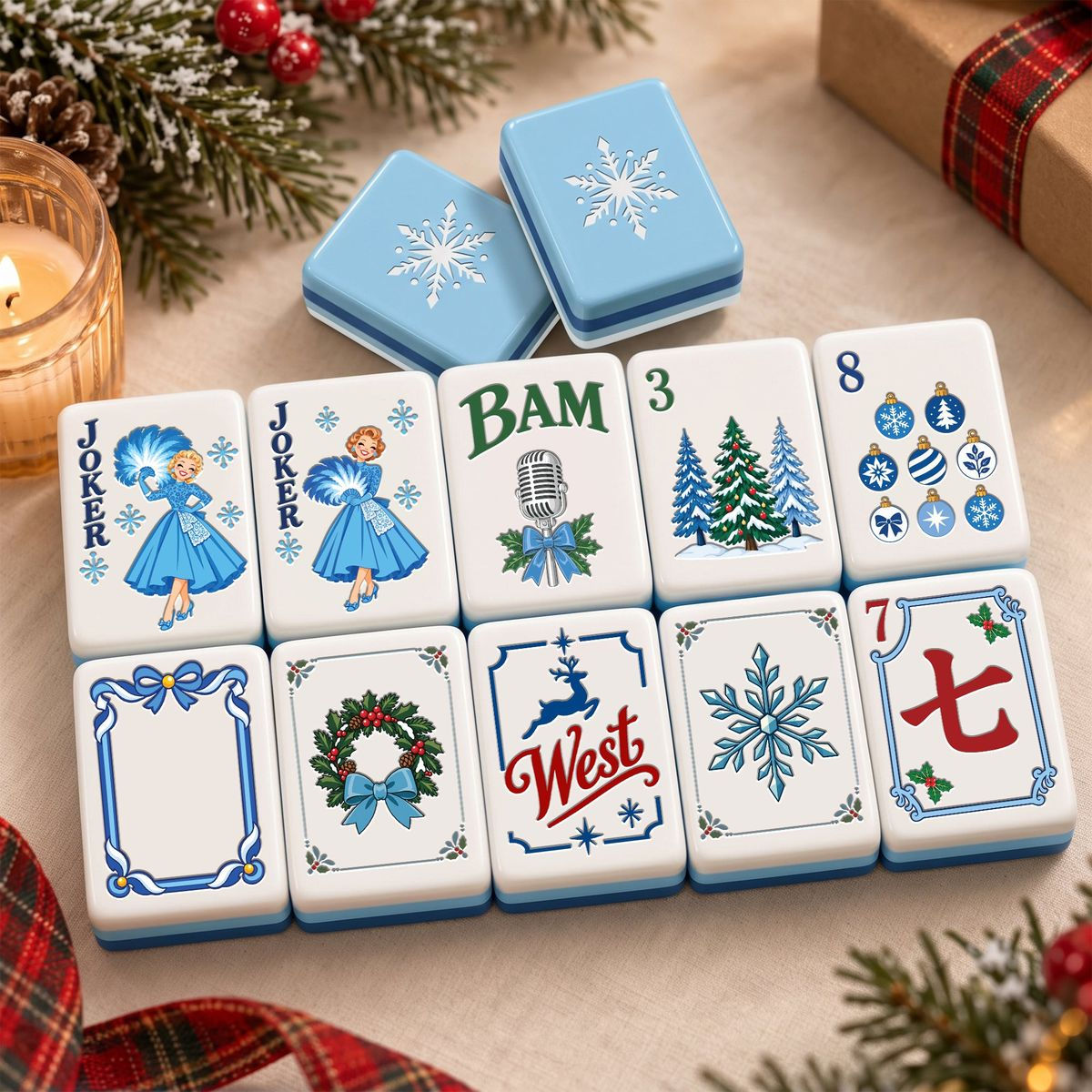
Three-player mahjong removes one wind (usually North) from play, leaving East, South, and West as active players; the fourth seat—the "dead hand"—rotates each round. You deal 13 tiles to each player plus one bonus tile to the dealer; all hands come from the current year's National Mah Jongg League card. The dead hand is never touched, and its tiles are never drawn or discarded into—this is non-negotiable. Etiquette demands: rotate the dead seat fairly (by round or dealer agreement), always discard face-up and within the same second, never touch another player's rack, and immediately announce any tile you draw from the wall before committing to your hand. The game plays faster because fewer players mean shorter discard chains, but it also means precision matters more—one mistake cascades harder. You'll need best-selling American mahjong sets with all 152 tiles intact and a clear mat so everyone sees every discard zone.
How do you assign the dead seat fairly?
Rotate the dead wind clockwise at the end of each round—or use the prevailing wind to decide it (if East is prevailing, East's seat becomes the dead hand next). Never assign the dead seat to the same player twice in a row, and don't let one player hold it for the entire session. If you're playing with a fixed table, mark the dead seat with a card, napkin, or small object so no one forgets it mid-deal. Many players establish this rule before the first hand; write it down if you're teaching newcomers. Fairness builds trust, and trust makes the game feel less tense.

What tiles belong in the dead hand's discard zone?
The dead seat has no discard zone—its tiles never leave the wall. If someone accidentally discards into the dead seat's area, stop play immediately, identify whose tile it was, return it to the player's rack, and resume. This is not a penalty, just housekeeping. Never pull a tile from the dead seat's potential discard area to replace a lost tile; instead, return the lost tile or use a blank from your spare set. The dead hand's four tile positions (drawn but unplayed) sit face-down at the wall edge, visible to all three players but never entered. Document this boundary before the game starts—a clear mat with defined zones helps prevent accidents.
🀄 Shop best-selling mahjong sets →
How strictly do you enforce the one-second discard rule?
In three-player, discard hesitation carries more weight because fewer players mean each discard signals stronger intent to others. Announce your discard tile aloud and place it face-up in your discard zone within one second of drawing from the wall. If you pause longer than two seconds, other players may call out the delay—not to penalize you, but to keep the game rhythm steady. Never move a tile toward your rack then back to the discard zone; that's a false signal and breaks trust. If you genuinely need to reconsider (a dead hand forced a different draw path), say so before your tile touches the table, and reset. Three-player games run lean and tight; telegraphing your moves keeps everyone sharp.
What happens if someone exposes a tile from the dead hand?
Stop the round immediately. If a live player's hand accidentally touched the dead hand's tiles, those tiles return to the wall untouched. If a tile from the dead hand is drawn into play, walk it back: return it to the wall and resume. This is rare but must be handled calmly—no accusation, just correction. Never play through an exposed dead tile; the error corrupts scoring and fairness. Mark the dead hand's boundary with a physical separator (a small card or chip) if your mat doesn't have clear zones.

Can you claim a discard from the dead seat's direction?
No. The dead hand has no active discards. If a tile lands in what would be the dead seat's discard area, retrieve it and return it to the player who threw it. The dead seat is a legal void in three-player; its position exists only to keep wind logic intact for scoring purposes. All three live players follow standard American rules: expose pungs, kongs, quints, and sextets; honor the Charleston; and never use a joker as a single tile or pair. The dead hand creates rhythm, not complexity—treat it as a non-player with no rights and no duties.
Table of Common Three-Player Etiquette Mistakes
Mistake | Why It Breaks Etiquette | How to Fix It |
Touching the dead hand's tiles | Signals carelessness; confuses wall draws | Mark dead zone clearly; agree on boundaries before play |
Slow discard (3+ seconds) | Slows pace; telegraphs too much | Draw, announce tile aloud, discard within two seconds |
Assigning dead seat to same player twice | Feels unfair; plants resentment | Rotate clockwise each round; document the rule |
Pulling from dead seat to replace lost tile | Changes wall order; corrupts hand validity | Use spare tiles or return the original lost tile |
Claiming a tile from dead zone | Dead hand has no discards in play | Redirect any tile landing near dead seat back to thrower |
What you'll need to play three-player etiquette correctly
A full 160-tile set with all original tiles intact (no substitutes from other sets).
A clear mat with defined player zones—one for each live player, one marked or empty for the dead seat. Our mahjong mats collection includes designs with labeled zones and centered dead-seat space.
Mahjong racks with pushers so tiles don't shift during the dead hand's turn (if the dead hand's tiles sit in racks rather than loose on the wall, the boundary is clearer).
A written house rule card listing your dead-seat rotation and discard timing expectations—keep it on the table during the first few games.
🎁 See our most-loved mahjong sets & accessories →
Before you host a three-player game: a quick checklist
☐ All 152 tiles accounted for before dealing.
☐ Dead seat assigned and marked (card, napkin, or mat zone).
☐ Discard zones separated so no tile can roll into the dead seat by accident.
☐ All three live players agree on dead-seat rotation rule (clockwise, by prevailing wind, or other).
☐ Racks stable if used; loose tiles stacked neatly if not.
☐ Current year's National Mah Jongg League card on the table.
☐ Jokers and spare tiles set aside clearly—not mixed with the 152.
☐ One player volunteers as scorekeeper; score sheet ready.
Etiquette in three-player mahjong isn't about punishment—it's about preserving fairness when fewer players mean each move lands harder. Treat the dead seat as a true void (never claiming from it, never pulling into it), honor the one-second discard rhythm, and rotate dead positions fairly. These practices let the game flow cleanly for three hours straight.
✨ Find your Mahstead set — free US shipping →

FAQ
Can the dead hand's seat be rotated mid-game, or does it stay fixed the whole session?
The dead seat rotates at the end of each round (four hands = one game round). Fix it for the entire round so scoring stays consistent; change it when a new round begins. This keeps learning curves shallow for newcomers.
What if someone draws a tile from the dead hand's wall position by mistake?
Stop play, return the tile immediately to the wall face-down, and resume from that player's next legal draw. No penalty; just a reset. Mark your dead zone more clearly for the next hand.
Do you discard into the dead seat area if you're sitting adjacent to it?
Never. Your discards always go in front of you, never toward the dead seat. If a tile lands in the dead zone by accident, retrieve it and try again. The dead seat is a legal void—no entries, no exits.
How long can a three-player game last, and does etiquette change the pace?
A three-player hand runs 10–15 minutes (vs. 12–18 for four-player) because fewer discards come before someone wins. Strict etiquette—quick discards, clear zones—actually speeds the game by preventing confusion and tile disputes.
If I'm teaching a beginner three-player rules, should I explain the dead hand first or after they know standard four-player?
Teach four-player American rules first (wind positions, Charleston, hand-building), then explain that three-player removes one wind and replaces it with a void. This anchor makes the dead hand concept click immediately.


View More
View More
View More
