
Neoprene vs Felt Mahjong Mat: Which Surface Wins?
Last updated: Nov 23, 2026
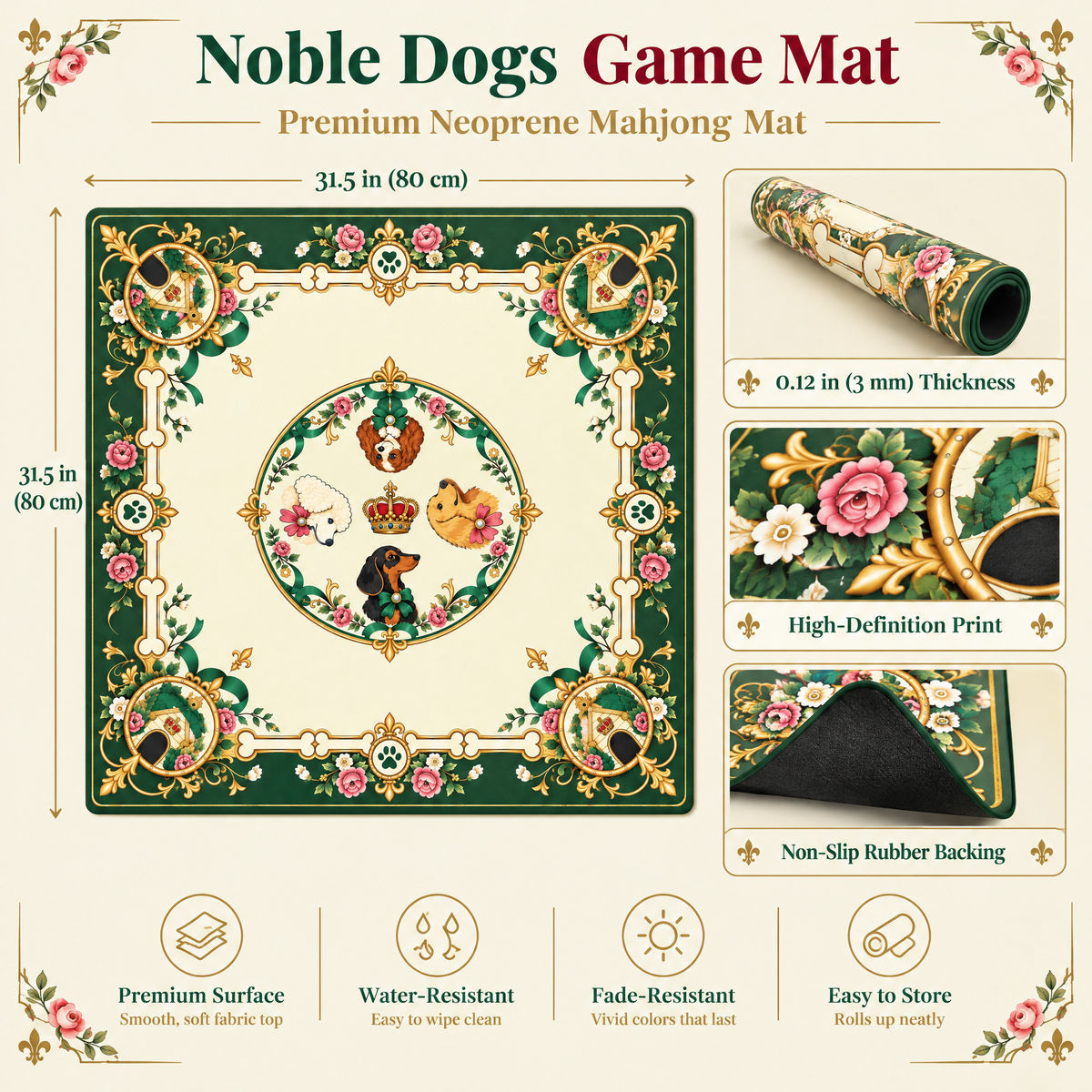
A mahjong mat's surface material determines how tiles glide, grip, and wear over years of play. Neoprene—a closed-cell rubber—offers excellent tile grip, resists spills, and lasts through heavy use; it's heavier and warmer underhand but easier to clean. Felt (often wool-blend or synthetic) provides a softer, quieter playing surface with gentler tile handling and lower cost, though it stains more easily and compresses over time. Both come in standard sizes (typically 27"–30" square for four-player games) and roll or fold for storage. At Mahstead, our neoprene and felt mats come with or without printed hand guides and non-slip backing. Neoprene suits serious players who host weekly games and want durability; felt works for casual players or those who prioritize comfort and aesthetics. Your choice hinges on how often you play, whether you need spill resistance, and your feel preference.
What does neoprene feel like underhand?
Neoprene has a smooth, slightly tacky surface. Tiles rest firmly without sliding unexpectedly, and your hand doesn't slip as you reach across the mat during the Charleston or when drawing from the wall. The surface feels warmer under prolonged contact—some players love this; others find it fatiguing in summer. Neoprene mats rarely bunch or wrinkle during play, so the playing field stays flat across the entire season of weekly games.
Why does felt wear faster?
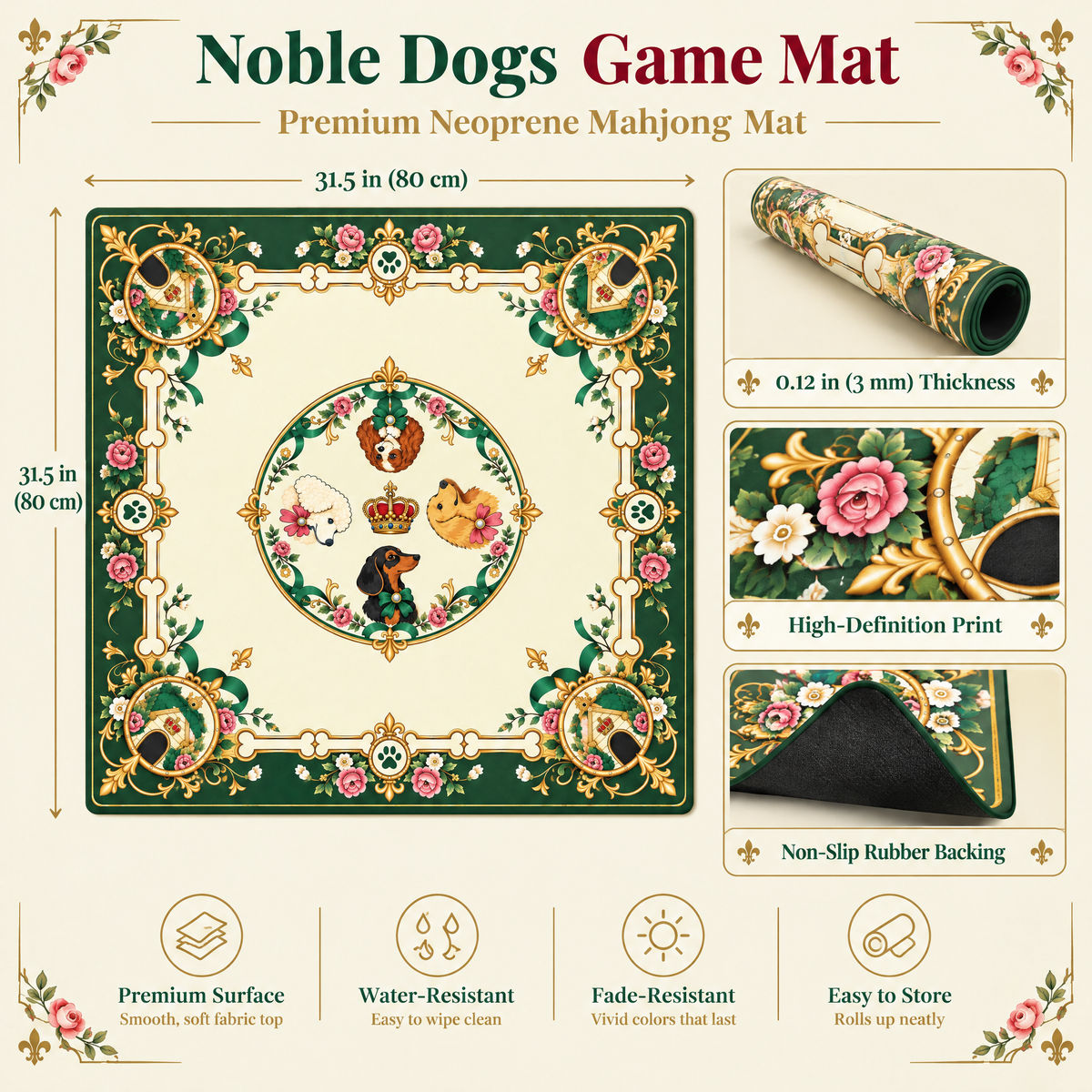
Felt is woven fibers that compress under repeated tile pressure and hand friction. After a year of weekly play, the nap flattens, reducing the soft cushion. Spills soak in rather than bead up, staining the surface and sometimes weakening the fibers if not dried quickly. Felt also sheds tiny fibers onto your tiles and hands—cosmetic but annoying. A quality wool-blend felt outlasts cheap synthetic felt, though neither matches neoprene longevity. If you're hosting games every week, felt will show wear noticeably by month six to nine.
How much does spill resistance matter?
If you're playing during or after a meal, spill resistance is critical. Neoprene repels water, coffee, and wine instantly—you wipe and play on. Felt absorbs liquids into its weave, and staining is permanent unless the spill dries completely before the mat cools. We've seen players keep a cloth handy specifically to blot felt mats after every drink refill. Serious hosts choose neoprene for peace of mind; casual games on a dining table sometimes opt for felt to avoid the rubber feel underhand.
What's the comfort difference over four hours?
Felt offers a cushioned, quiet surface that feels luxurious and reduces tile click noise—appealing to players who prefer a gentle game environment. Neoprene is firmer and louder (tiles snap crisply when discarded), which some find energizing and others find fatiguing on the wrists. Over a four-hour mahjong session, felt feels softer on the forearms; neoprene feels more like a professional playing surface. Your preference often depends on whether you value comfort (felt) or responsiveness (neoprene).
Attribute | Neoprene | Felt |
Tile grip | High (slightly tacky) | Moderate (softer) |
Spill resistance | Excellent (wipes clean) | Poor (absorbs stains) |
Durability | 3+ years, heavy play | 1–2 years, moderate play |
Comfort | Firm, warmer underhand | Soft, quiet, gentler |
Noise level | Louder tile snap | Quieter, muffled |
Cleaning | Wipe with damp cloth | Vacuum, spot-treat only |
Weight | Heavier (easier to lay flat) | Lighter (easier to roll) |
Appearance | Sleek, modern | Textured, plush |
Best for | Weekly serious hosts | Casual players, aesthetics |
How do you maintain each mat type?
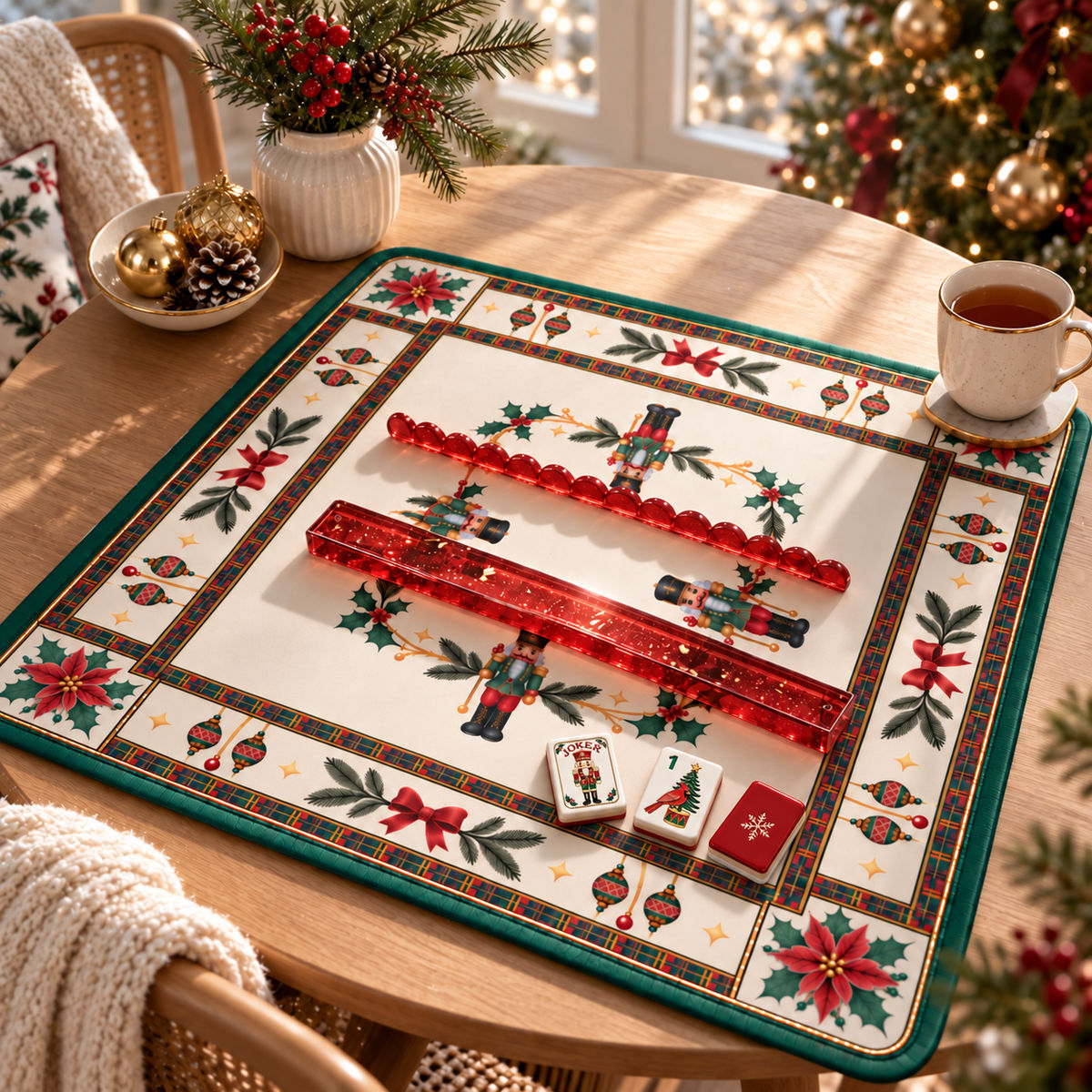
Neoprene: Wipe spills immediately with a damp cloth or paper towel. For stubborn marks, use a mild soap solution and dry fully before rolling. Neoprene resists mold and mildew, so storage is straightforward—roll it loosely or lay it flat in a dry closet. After a year of heavy play, the surface may develop minor creases, but they flatten when unrolled.
Felt: Vacuum gently with a brush attachment to remove debris and shed fibers. For spills, blot immediately (never rub) and let air-dry completely. Treat stains with a dry-cleaning solution if needed, but test on a hidden corner first. Store rolled in a dry place; felt can absorb moisture and develop odor if kept damp. Consider a breathable storage bag to protect it from dust.
What to check before you buy
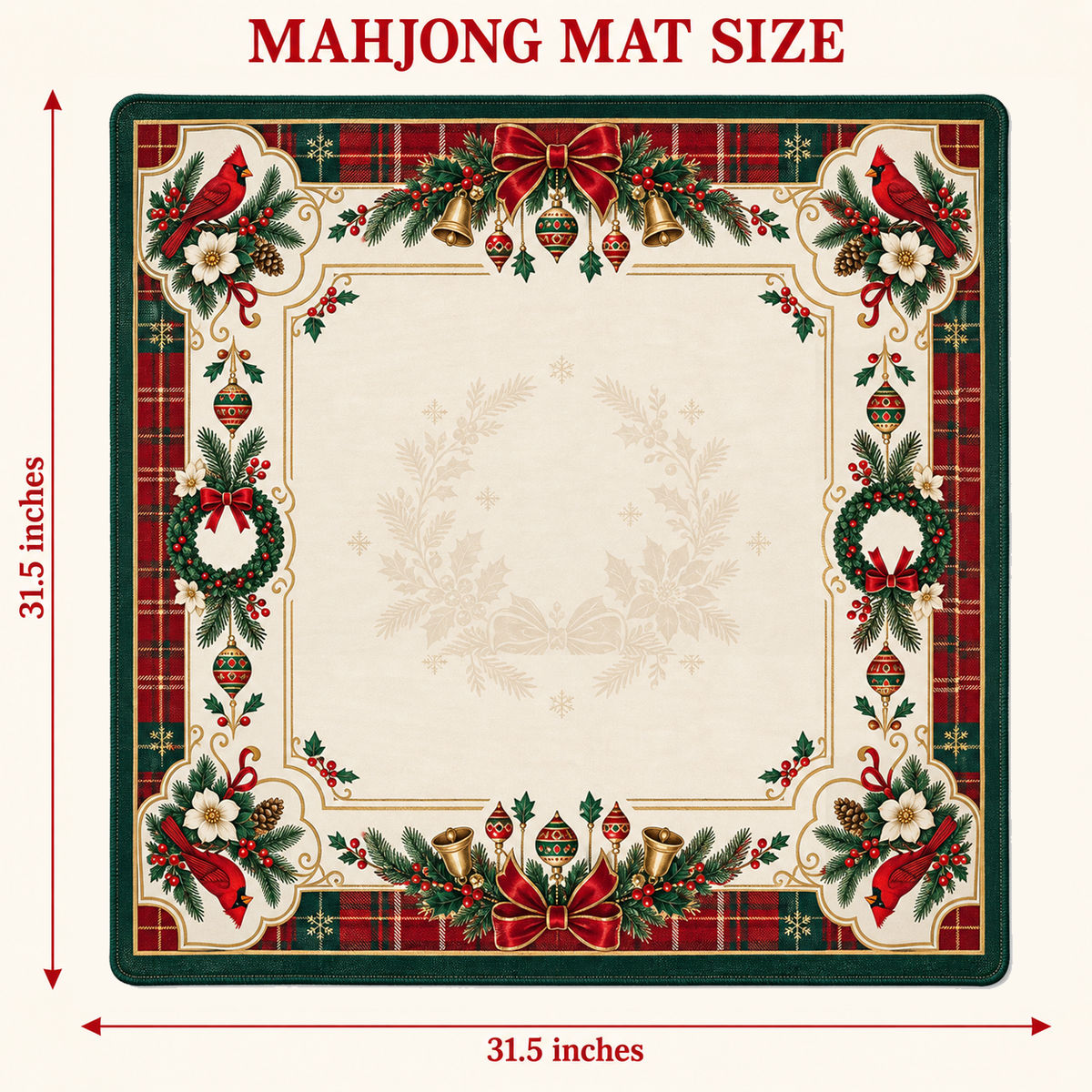
Measure your table. Standard mats are 27"–30" square; confirm your playing surface is large enough without overhang.
Decide on a guide print. Some mats include hand patterns or scoring reminders; others are blank. Blank mats pair well with the current year's National Mah Jongg League card held nearby.
Check the backing. Non-slip rubber backing keeps the mat from sliding during play, especially important on glass or polished wood tables.
Consider your play frequency. Weekly or more? Choose neoprene. Monthly or less? Felt is fine.
Factor in aesthetics. Neoprene comes in sleek, modern colors; felt often has richer, textured finishes. Browse our mahjong mats collection to see both options side-by-side.
Ask about thickness. Thicker mats (around 3–4mm) offer better cushioning and durability; thinner mats are lighter for travel.
🎁 See our most-loved mahjong sets & accessories →
How do neoprene and felt compare in real weekly play?
We've hosted games on both surfaces for years. On neoprene, tiles stay exactly where you place them—no micro-shifts during the Charleston, no surprises when you reach for a discard. The surface is honest: if you bump it, you know. On felt, the game feels gentler; tiles move slightly more freely, and the quieter sound encourages focus on strategy rather than the mechanical side. Neoprene shows its worth after month three of weekly play: the felt mat is visibly compressed and stained, while the neoprene looks almost new. If you're serious about hosting a standing game, neoprene pays for itself in durability and consistent playability.
For matched comfort and durability during weekly sessions, pair your mat choice with quality mahjong racks with pushers—they protect your tiles and reduce mat wear from constant tile handling.
Comparison for different play styles
Play style | Mat type | Why |
Weekly serious host | Neoprene | Durability, spill safety, consistent playability |
Casual monthly player | Felt | Lower cost, softer feel, acceptable wear |
Tournament or teaching | Neoprene | Professional appearance, spill-resistant for crowds |
Luxury/collectors | Felt (premium wool blend) | Aesthetic appeal, quieter game |
Travel/portable | Felt or lightweight neoprene | Lighter to pack and carry |
✨ Find your Mahstead set — free US shipping →
The right mat aligns with how you play. If you're building a best-selling mahjong set and hosting regularly, invest in neoprene—it's the equipment choice that pays forward week after week. If you're trying mahjong for the first time or play casually, felt offers a graceful entry point without the cost commitment. Either way, a good mat transforms your game from "tiles on a table" to a proper playing surface where every hand is fair and focused.
🀄 Shop best-selling mahjong sets →
FAQ
Can I use a neoprene mat on a glass-top table?
Yes, if the mat has non-slip rubber backing. Test it first by laying it flat and gently pushing—it should not slide. Some players place a thin cloth under the mat for extra grip on very smooth glass.
Does felt absorb the smell of food or drinks?
Yes. Felt is porous, so spills and food residue can leave odors if not cleaned promptly. Neoprene doesn't absorb odors because liquid beads on the surface.
Can I wash a neoprene mat in a washing machine?
No. Machine washing can damage the backing and weaken seams. Wipe it with a damp cloth and hang to dry. For deep cleaning, use a mild soap solution and dry fully before rolling.
How thick should a mahjong mat be?
Standard thickness ranges from 2mm to 4mm. Thicker mats (3–4mm) offer better cushioning and last longer; thinner mats are lighter for travel. Most serious players prefer 3mm or more.
What's the difference between a mat and a table cover?
A mat is a dedicated playing surface (usually neoprene or felt, 27"–30" square) designed to stay in place during games. A table cover is often fabric or plastic and can slip or bunch. For regular play, a mat is superior. Learn more in our mat vs. table cover guide.
Do I need a mat if I already have a mahjong table?
If your table surface is smooth (glass, varnished wood), a mat still improves tile grip and protects the surface. If your table has a built-in felt surface, a mat is optional but can extend the table's life.
Can felt and neoprene mats be used outdoors?
Neoprene tolerates brief outdoor play and sun exposure better than felt. Felt can fade and absorb moisture from outdoor humidity. For permanent outdoor setups, neoprene is the better choice.
How do I store a mahjong mat long-term?
Roll it loosely (never crease) or lay it flat in a dry closet. Use a breathable storage bag to keep dust off. Keep neoprene away from extreme heat; keep felt away from damp areas. Both can develop creases if rolled tightly for months.


View More
View More
View More
