
Mahjong Party Ideas in Fort Lauderdale: How to Host
Last updated: Nov 23, 2026
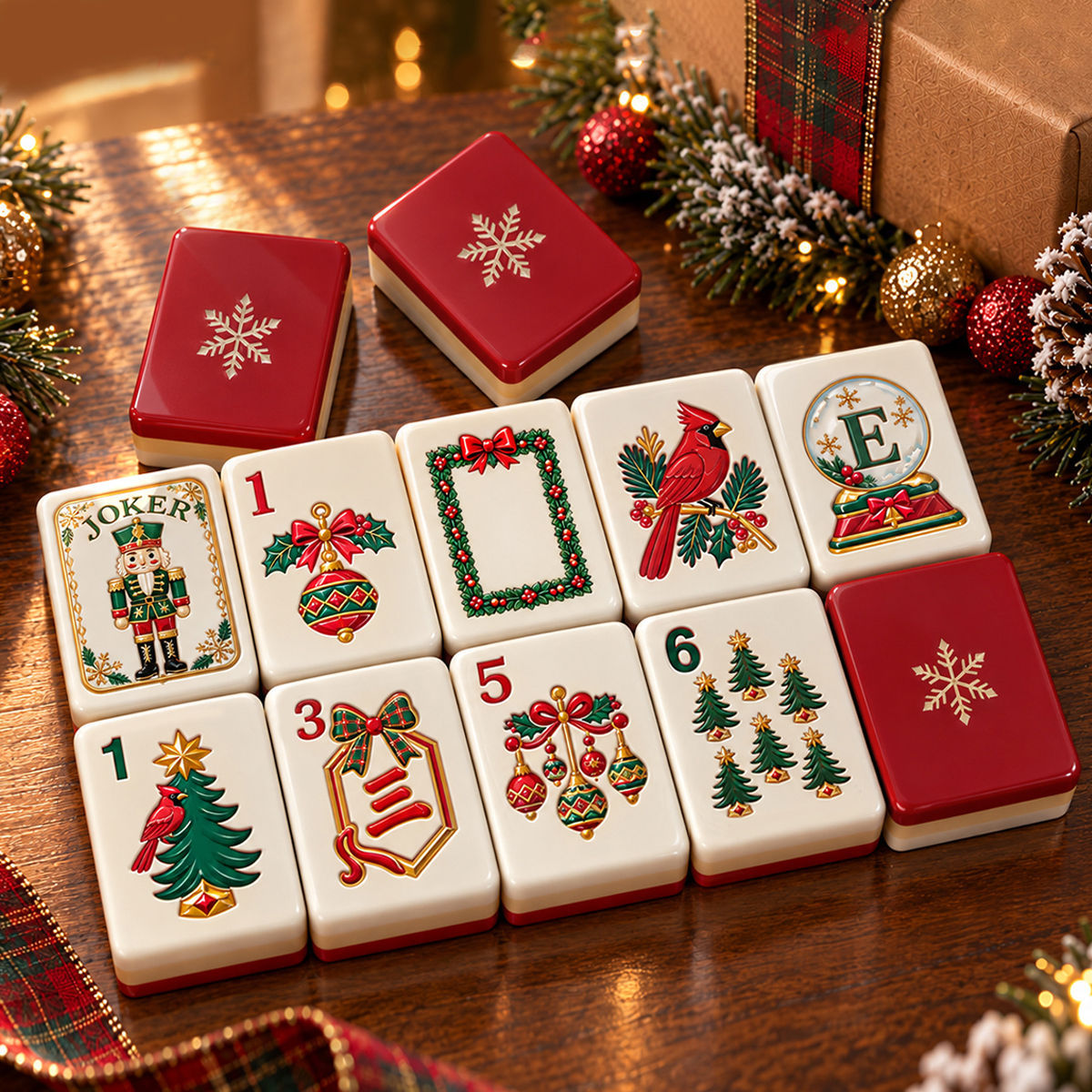
Fort Lauderdale parties thrive year-round because the climate lets you host indoors or by the pool. A typical mahjong gathering needs four players, a tile set (American mahjong uses 152 tiles in play, plus spares), a mat for stability, and racks so tiles don't tip. Most games run 1–2 hours per session; plan for three to four rounds. You'll want the current year's National Mah Jongg League card—the rule book for hand patterns—and ideally a refresher on the Charleston (the tile-passing opening ritual). Beginners and returning players in South Florida are everywhere: check community centers, libraries, senior centers, country clubs, and neighborhood meetup boards. Hosting at home works best on a dedicated table with good lighting; a padded mat prevents tile scatter and keeps noise down. Skip generic poker tables—acrylic tiles and a non-slip base are what separate a chaotic first try from a party everyone remembers. Mahstead's engraved sets and mats are designed for exactly this: they're built to last through back-to-back games without wear. 🀄 Shop best-selling mahjong sets →
How do you set up a mahjong table for your first Fort Lauderdale party?
Start with a flat, sturdy surface—a dining or card table works. Lay down a mahjong mat to define the play area and grip tiles. Place a tile set in the center; each player sits at one side. Put racks with pushers at each seat so players keep tiles upright and organized. Set the current year's National Mah Jongg League card where everyone can see it. Put a pencil and scoring pad nearby. Ensure overhead light is bright enough to read suit symbols clearly. A 36–48-inch-wide mat works for most home tables; larger groups may need a fold-out surface.

What's the fastest way to teach guests the American mahjong rules?
Give beginners the mahjong fundamentals guide five minutes before play: tiles, suits, wind positions, and the goal (complete a hand matching the card). Walk through one full hand slowly—dealing, the Charleston, and the draw phase. Show them how the Charleston works: players pass tiles right, then center, then left in a ritual exchange. Explain how jokers work—they can substitute for any tile except a pair. Then play hand one at half speed, pausing after each turn. By hand three, most players flow naturally. Assign one experienced player as "hand caller" to confirm wins and settle disputes.
Which Fort Lauderdale venues and groups host regular mahjong games?
Community centers, libraries, senior centers, and country clubs across Fort Lauderdale organize weekly mahjong. Check your city or county parks department website for "senior activities" or "game groups." Libraries often post flyers for bridge and mahjong clubs; ask the reference desk. Neighborhood association meetings sometimes list game times. Synagogues and cultural centers frequently host social mahjong on weekends. Meetup apps and local Facebook groups carry announcements—search "mahjong" + "Fort Lauderdale" or "Broward County." Many casual games run Thursday–Sunday evenings or Tuesday–Wednesday afternoons; call ahead to confirm open-table policies and membership fees. Beginners are almost always welcome at established groups.
What gear do you actually need to host a smooth party?
A standard mahjong party needs one tile set, one mat, four racks with pushers, one current National Mah Jongg League card, one scoring pad, and good lighting. The best-selling mahjong sets come with 160 tiles (152 in play, plus spares), so you have backups if a tile cracks—common after years of weekly games. A padded mahjong mat dampens sound and prevents tiles from sliding during play. Racks keep everyone's hand tidy and save time. If you're hosting regularly, a mahjong bag or case protects your set between parties and makes setup faster. Dice for determining seating and the dealing wall can be included or bought separately. Here's what real hosting looks like:
Gear | Purpose | Why it matters |
160-tile acrylic set | Complete play with spares | Acrylic outlasts plastic; spares prevent mid-game halts |
Padded mat | Defines play zone | Non-slip base keeps tiles stable; muffles noise |
Racks with pushers (×4) | Organizes each player's hand | Players see tiles clearly; turns move faster |
Current League card | Hand reference | No guessing; same card for all players that year |
Scoring pad & pencil | Tracks points | Prevents score disputes and speeds settlement |
Good overhead light | Tile visibility | Avoids misreads; speeds tile recognition |
Skip novelty sets (they crack easily), undersized mats (tiles slide during play), and flimsy racks (they tip). A real set and mat cost less than one night out and survive 50+ parties.
🎁 See our most-loved mahjong sets & accessories →

How do you pick the right tile set and mat for your party style?
For casual home parties, a best-selling standard set in clear acrylic works everywhere—durable, easy to read, and affordable. If you love hosting, consider an engraved set with custom titles—names, funny phrases, or dates laser-cut into each tile. These add personality and become keepsakes. For mat choice: a 36-inch mat fits most dining tables; a 48-inch mat suits wider surfaces. Non-skid rubber backing matters—it prevents tiles from skittering when players reach across. If you host outdoors in Florida humidity, acrylic tiles handle moisture better than wood, and a mat protects against sun fade. A matched set and mat from one maker often fit together visually and size-wise without surprises.
What common party mistakes should you avoid?
Wrong tile count: Many hosts buy a 144-tile set by mistake, thinking fewer tiles cost less—you'll run out during play. American mahjong uses exactly 152 tiles plus 8 jokers. Always buy a full 160-tile set.
No mat or a mat that slides: Tiles scatter, games halt, players get frustrated. A padded non-skid mat is non-negotiable.
Plastic racks that tip: Cheap racks flip when players lean in. Solid racks with grip feet save embarrassment.
Outdated National Mah Jongg League card: The card changes yearly—hands from last year's card don't appear this year. Download or buy the current year's card before your party.
No one refreshed on rules: Assign a hand caller or have the how to play guide printed nearby.
Weak lighting: Guests misread tiles, turns slow, mistakes pile up. Place a lamp overhead or near each player.
What to check before you buy
Tile material: Acrylic is more durable and weather-resistant than plastic for Florida humidity.
Tile count: Confirm 160 tiles (152 play + spares), not 144.
Mat size: Measure your table; 36–48 inches is standard for four players.
Racks: Buy or source four racks with non-slip feet at the same time.
Set completeness: Check that all four wind tiles, four dragons, and eight flowers are present.
Spare storage: Keep the extra jokers in a small bag so they don't get lost.
Card access: Print or buy the current National Mah Jongg League card before your first party.
✨ Find your Mahstead set — free US shipping →

FAQ
Can I host mahjong with fewer than four players?
Yes. Two and three-player variants exist, but they use different hand patterns and tile draws. American mahjong is designed for four; ask your guests which variant they prefer before the party.
Where do I find the current National Mah Jongg League card in Fort Lauderdale?
Buy it online or check local libraries, senior centers, and mahjong groups—many give cards free to new players. Download links are also available through the League website; print it and laminate it so it survives humid weather and spills.
Do I need to buy matching racks or can I mix them?
Mix is okay, but matching racks with pushers from the same maker look professional and fit standard table setups better. They cost less than you'd expect and last years.
How often should a mahjong mat be replaced?
With weekly use, a quality padded mat lasts 3–5 years before the non-skid backing wears. A mat guide can help you spot when replacement is due—usually when tiles start sliding instead of gripping.
Can I use my mahjong set outdoors in Florida?
Yes, acrylic tiles handle sun and humidity well. Use a mat to shield tiles from direct UV during off-hours; store the set indoors between parties to prevent fading and warping. Bring the tiles inside if rain is forecast.
What's the difference between American and Chinese mahjong—and which should I host?
American mahjong uses 152 tiles, a yearly printed card, and exposed groups (pungs, kongs). Chinese mahjong has sequences (chows) and different scoring. Beginners in South Florida usually learn American first because the card removes guesswork. Ask your guests which they know before you decide.
Do I need to buy dice separately?
Most sets include dice, but verify before you order. Dice set seating and the dealing wall; they're small and easy to lose, so having spares is smart.


View More
View More
View More
