
American Mahjong Courtesy Pass Strategy: When & How to Pass
Last updated: Nov 20, 2026
The courtesy pass is an optional rule in American mahjong that allows a player to verbally refuse a tile another player has exposed (pungs, kongs, quints, or sextets) before formally claiming it. You announce "pass" to decline the tile, and play continues to the next player. It is not mandatory—some tables skip it entirely—but it is widely used for courtesy and to slow down rushed calls. The courtesy pass has no scoring penalty and does not affect hand value. It applies only to exposed melds, never to discards or the wall. Experienced players use it strategically: refusing a tile you don't need prevents opponents from reading your hand too easily, and it can reset the rhythm of play when tiles pass quickly. You'll find specific house rules vary by region and group; always confirm your table's courtesy pass rule before the Charleston begins, especially when joining a new game or hosting with a fresh set from Mahstead.
The courtesy pass is one of American mahjong's most misunderstood rules—partly because it is optional, partly because it sits between formal gameplay and table etiquette. Let's separate myth from practice.
What exactly is a courtesy pass, and when does it apply?
A courtesy pass happens when another player exposes a meld (a pung, kong, quint, or sextet) and you have the chance to claim it. Instead of calling it immediately, you announce "pass" to decline. The tile then passes to the next player in rotation. A courtesy pass applies only to exposed melds; it does not apply to the discard you draw from the wall, your own draws, or tiles still in someone's hand. The key: it is purely optional. If your table does not call courtesy passes, no player is required to offer one, and claiming a tile immediately is always legal.
Why do skilled players use the courtesy pass as strategy?
Refusing a tile tells the table nothing about your hand—your silence stays silent. By passing on a tile that would help you, you disguise your likely suit or number range and keep opponents guessing. Conversely, claiming every tile offered makes your hand obvious: if you call every Bam, the player to your left learns fast that your hand probably needs Bams and will discard them differently. Strategic passes also slow the game when tiles move too fast; a pause resets tension and gives slower players time to think. Some veteran players pass on purpose early in the hand to build a false pattern, then claim aggressively later when the real hand takes shape. This is not cheating—it is gamesmanship within the rules.
How does the courtesy pass differ from formal claims?
Once you say "pass," the tile belongs to no one and moves to the next player. If that player also passes, it circles back until someone claims it or it returns to the wall (rules vary by table—ask first). A formal claim ("I'll take it" or simply calling "pung") is binding: you must use that tile and expose your meld immediately. The courtesy pass is a checkpoint; a formal claim is a contract. Some tables use hand signals: a wave means "pass," a nod means "take it." Always confirm your table's signal system before play. In rare cases, a courtesy pass can also prevent arguments: if you offered a tile and a slower player missed it, the pass resets and gives them a fair second chance.
When should you NOT use a courtesy pass?
Do not offer a courtesy pass if your table has not agreed to use them. Some groups play strictly: call or pass immediately, no hesitation. Offering passes in a speed game slows everyone and frustrates faster players. Also, never use a courtesy pass to signal weakness or gain sympathy—this is collusion and unfair to the other players. If you are playing for money or in a league setting, always check the house rules first; some organized games forbid courtesy passes entirely to keep play crisp and prevent hand-reading. Finally, do not let a courtesy pass delay play for more than a few seconds; a long pause while you "think" about a pass is poor table manners and breaks rhythm.
How does courtesy pass interact with the National Mah Jongg League card?
The League card itself does not mention courtesy passes; they are a house rule, not a League rule. Reading the card accurately depends on knowing which melds you need, and a courtesy pass does not change what a valid hand looks like. However, passes do affect which tiles you actually collect and when, which can shift your strategy mid-hand. A player on your left who passes on your offered Crak might suddenly claim your next Crak; you must stay alert and adapt. The card is fixed; table courtesy is fluid.
Scenario | Courtesy Pass Used? | Next Action | Etiquette Notes |
Exposed pung offered; you don't need it | Yes, always | Tile passes left | Standard; expected |
Exposed kong offered; you do need it | No | Claim it immediately | Binding call; show meld |
Wall draw you didn't want | No pass option | Discard or hold | Passes never apply to wall |
Speed game or league play | Ask first | Varies by venue | Some tables ban passes |
Your hand is hidden; tile offered | Yes, optional | Announce clearly | Pause ≤3 seconds |
Another player looks hesitant | Offer courtesy | Wait briefly | Kindness, not collusion |
🀄 Shop best-selling mahjong sets →
How does the courtesy pass fit into the overall flow of American mahjong?
American mahjong gameplay moves in cycles: draw, offer melds, pass or claim, discard. The courtesy pass sits in the "offer or claim" moment. A well-paced game with courtesy passes can feel social and thoughtful; a game without them feels brisk and businesslike. Neither is wrong—context is everything. At a weekly home game with friends, a courtesy pass slows things down and lets everyone breathe. At a tournament or drop-in club game, it may be seen as time-wasting. New players benefit from courtesy passes because they have more time to read the hand and make decisions. Experienced players often skip them to keep the rhythm sharp. The best tables explain their approach before the Charleston and stick to it.
What should you do if someone passes when you did not expect it?
If you offered a tile, announced a meld, and the other player suddenly says "pass," accept it gracefully and move the tile to the next player without comment. Do not say "Are you sure?" or "Don't you need it?"—that is pressure and poor sportsmanship. If you did not intend to offer a pass and the other player assumed you did, clarify once: "I'm calling; I'm taking this meld." Then move on. Confusion happens; clear communication prevents it. A healthy table has an agreed courtesy pass rule before play starts. If your table is split on whether to use passes, vote or ask a senior player to decide. Once the Charleston is done and tiles are drawn, the rule is locked in for that hand.
Building the right table culture around courtesy passes
Courtesy passes work best when everyone at the table knows the rule, accepts it, and uses it fairly. If you host a weekly game, set up your space with a good mat and racks so players feel comfortable and unhurried; this naturally encourages thoughtful play and courtesy passes. Brief new players on your table's rule during the Charleston explanation. Model the behavior yourself: if you pass gracefully, others will. If you rush or snap up every tile, the whole table speeds up and courtesy evaporates. A quality mahjong set with clear tiles and good lighting also helps—players who can read tiles easily are less likely to claim by mistake and more likely to use courtesy passes wisely.
🎁 See our most-loved mahjong sets & accessories →
What to check before you buy into a new game
Ask about courtesy passes first. Does the table use them? Is it mandatory or optional? How long is a typical pass window (2–3 seconds is standard)?
Confirm claim signals. Does the table use words ("pass," "take," "pung"), hand signals, or both? Are there any silent signals you should know?
Check the venue's house rules. Some clubs or community groups have printed rules; ask for a copy or a quick summary before you sit down.
Observe one hand before you join. If you arrive early, watch a hand in progress and see how passes are handled. It is the fastest way to learn the table's culture.
Bring clarity, not assumptions. If you are unsure, ask. "On this table, do you use courtesy passes?" is always okay.
✨ Find your Mahstead set — free US shipping →
FAQ
Is a courtesy pass the same as declining a tile?
No. A decline is a formal refusal (no pass offered); a courtesy pass is an optional offer you can make to another player. If you decline, the hand stops; if you offer a courtesy pass, play continues to the next player.
Can I change my mind after I pass?
No. Once you announce "pass," the tile belongs to the next player in rotation. You cannot reclaim it. This is why you pause and think before you pass.
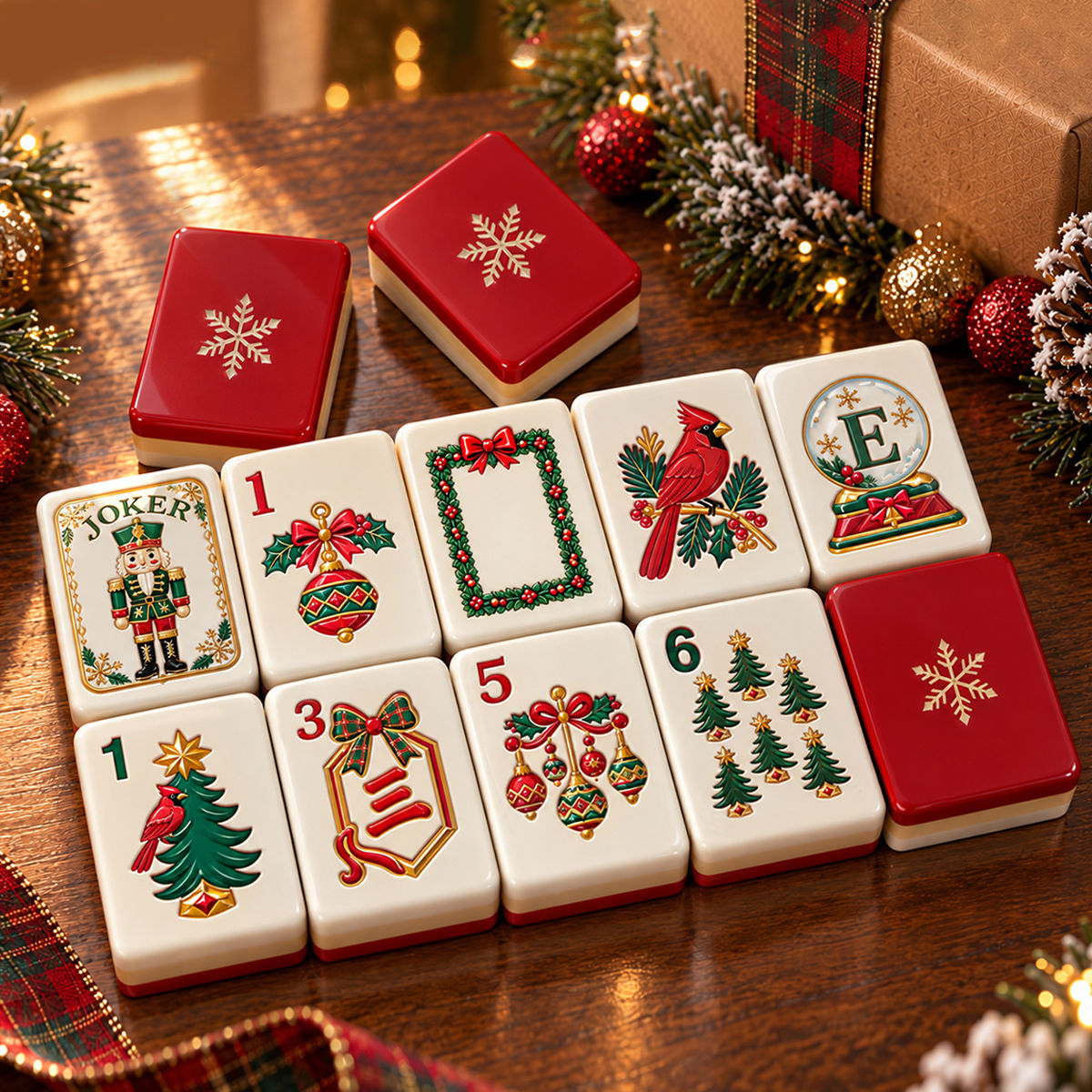
Do courtesy passes apply to the 1 Bam with the bird image?
Yes. The 1 Bam is a tile like any other; if it is exposed in a meld and offered, you can pass or claim it following the same courtesy pass rule as any other tile.
What happens if everyone at the table passes on the same exposed meld?
This is rare and varies by house rule. Some tables bury the tile back in the wall; others rotate it again. Confirm this edge case with your table before play.
Are courtesy passes used in other mahjong variants (Chinese, Hong Kong, Riichi)?
Courtesy passes are primarily an American mahjong house rule. Chinese, Hong Kong, and Riichi mahjong have their own claim and discard mechanics. They do not use the same courtesy pass system.
If I am hosting a game, should I require or forbid courtesy passes?
Neither. Explain the option, let your players vote, and stick with their choice for consistency. Most home games use courtesy passes; most speed or league games do not.


View More
View More
View More
