
Mahjong Party Ideas in Birmingham: Host & Learn
Last updated: Nov 23, 2026
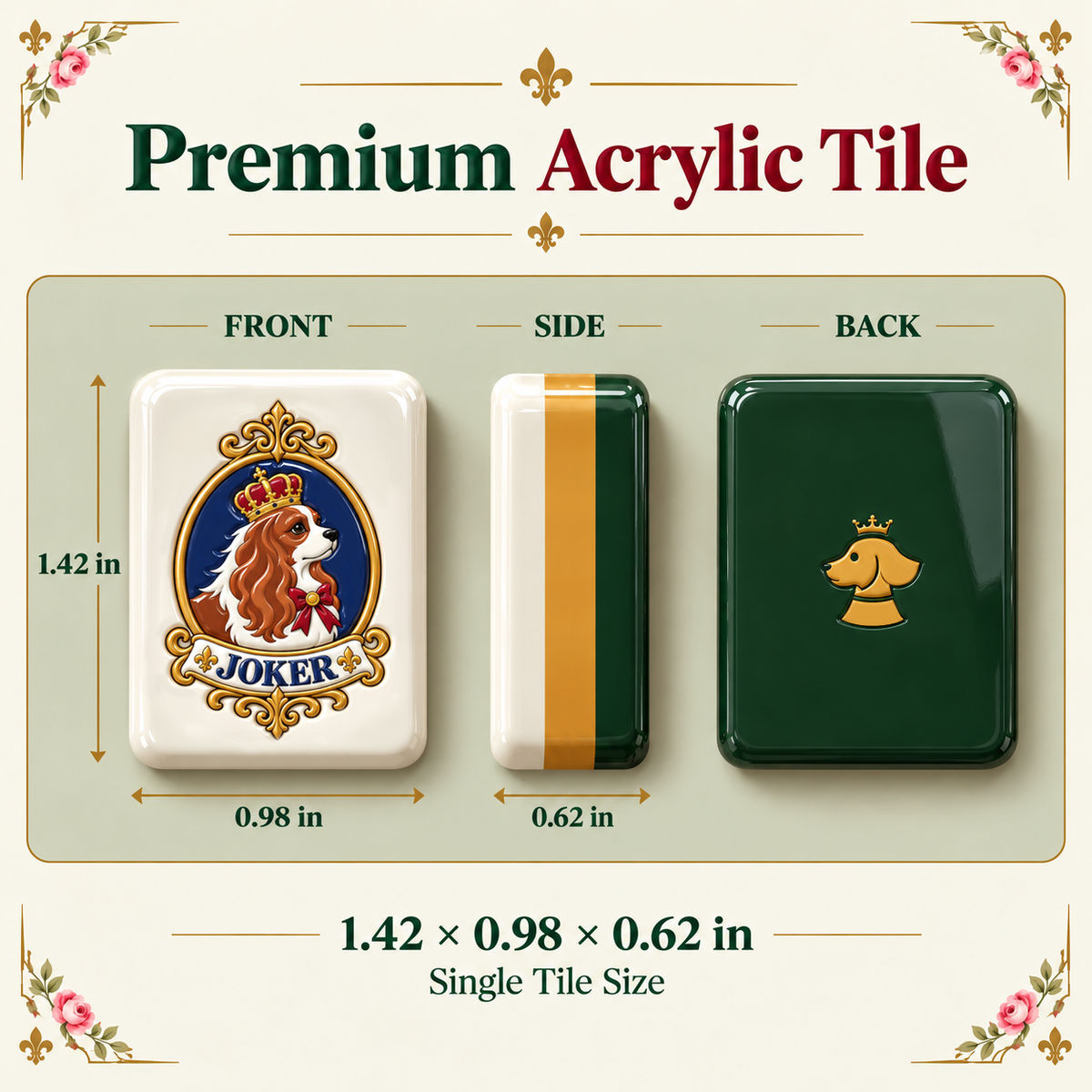
Hosting a mahjong party in Birmingham means finding three friends, one good set, a mat, and a few hours. American mahjong—the four-player tile game played with 152 tiles and the current year's National Mah Jongg League card—works best for groups of 4; you can adapt for 2–3 players with house rules. Beginner-friendly Birmingham venues include community centers, libraries, synagogues, and country clubs; many host open game nights or can point you to weekly players. A casual home game takes 1–2 hours per round; a themed party with snacks and rotating tables might run 3–4 hours. You'll need a quality best-selling mahjong set, a mat to protect tiles, and a scoring sheet. Most Birmingham players source sets online for quick delivery; Mahstead ships free across the US, so you can have everything ready before your first game.
Where do Birmingham players gather to learn mahjong?
Birmingham has no single mega-venue, but strong game communities exist. Check your local library's bulletin board for advertised game groups; many libraries host drop-in play or can connect you to established clubs. Synagogues and Jewish community centers often run open games weekly. Country clubs and senior centers frequently host mahjong nights. Your best first move: search community-event sites and ask at a local cultural center if they run games or can recommend a teacher.

How do I teach brand-new players the rules in one evening?
Stick to the fundamentals and use the card—not memory. Each player picks a hand from the current National Mah Jongg League card. Start with one simpler hand (fewer jokers, obvious patterns). Walk through tile values: three suits (Bam, Crak, Dot) numbered 1–9, plus winds (N/E/W/S), dragons, and flowers. Explain pungs (3 identical), kongs (4 identical), and that jokers can substitute anywhere except a single tile or pair. Demo the Charleston—the tile-passing ritual before each hand—so newcomers feel the rhythm. Play one hand slowly, calling every draw and discard aloud. Expect 15–20 minutes of teaching before round one; most catch on by round three.
🀄 Shop best-selling mahjong sets →
What gear makes hosting easier and more fun?
A quality set and mat are non-negotiable. Cheap plastic sets jam and rattle, ruining the flow. A padded mat protects tiles and keeps them from sliding off the table; it also speeds cleanup. Racks with pushers hold and organize your hand, which newcomers especially appreciate—they stop worrying about dropped tiles and focus on the strategy. A travel bag or case lets you carry everything between venues without damage. Dice for rolling to determine who deals. If your table is narrow or you're hosting multiple rounds, racks make play faster and cleaner. Consider an engraved set if you host regularly—it becomes your signature item, and guests remember it.
What's a realistic party timeline and player mix?
Plan for three-hour blocks. Hour one: arrivals, light snacks, rules overview, and the first Charleston. Hours two and three: two full rounds with scoring breaks. Four players is ideal; if you have five or six, rotate one in after each round or split into two tables. If you invite mixed skill levels, pair one experienced player with each newcomer's table for the first round. Tell guests upfront: "We play American mahjong, and everyone's welcome even if they've never played—we teach as we go." Hosting a standing game (same time, same place weekly) builds momentum; after month two, regulars will bring friends and handle teaching.

How does Birmingham's player culture differ from other regions?
American mahjong is strongest in urban centers with established Jewish and Asian communities, but Birmingham has grown a steady casual scene over the past decade. Unlike regions where competitive play dominates, Birmingham's game nights lean social—work pressure winds down, and the tiles do the talking. Most groups play for fun rather than money; when they do keep score, it's for bragging rights. Because Birmingham isn't a mega-hub, you'll find fewer weekly tournaments and more private home games. This is an advantage: you're not competing against strangers who memorize every card variation, and house rules are forgiving. Word-of-mouth spreads fast; if you host well once, invitations to other tables follow.
Party Element | What to Do | Why It Matters |
Pre-game snacks | Finger foods, no sticky fingers | Tiles stay clean and game runs smooth |
Tile set quality | Get a best-selling acrylic set | Cheap plastic jams; good tiles = better flow |
Rules handout | Print the card section + basic pung/kong rules | Guests can refer back; less repeat explaining |
Racks & pushers | One per player | Newcomers hold hands confidently; faster play |
Scoring sheet | Pencil, paper, or phone notes | No disputes; clear winner at day's end |
Venue prep | Clear table, good light, quiet corner | Easier to hear calls; focus stays on tiles |
🎁 See our most-loved mahjong sets & accessories →
How do I find steady players after my first party?
One good party leads to two. Ask your guests if they know other players, and ask if they'd come back in two weeks. Post a note at your library or community center: "Casual mahjong group forming—all levels welcome, Thursdays 7 pm." If your city has a Meetup group for game nights or cultural events, add your game there. Reach out to local synagogues; many have email lists. Join online forums dedicated to American mahjong and mention you host in Birmingham—you may find experienced players relocating or traveling who want a weekly slot. Start with four committed regulars and it grows organically.
What's the cost of getting started, and where do I save money?
A solid acrylic American mahjong set is your main buy; compare quality versus cost on our product pages. A mat usually costs less than the set. Racks and dice are modest add-ons. The card is free online or comes with many sets. You don't need fancy decorations—guests come for the game. If you host weekly, spread the set cost over months of play; if you host once, invite players who already own gear and just contribute snacks. Buying once and playing for years is far cheaper than tournament fees or buying rounds at a bar.
What to check before you buy:
Does the set include all 152 playing tiles plus spares?
Are tiles thick acrylic or thin plastic? Thicker lasts longer.
Is a carrying case or bag included, or sold separately?
Do racks feel sturdy and do pushers move smoothly?
Is the mat large enough for your table? Most seat four comfortably.
Does it ship to you free? Mahstead ships free across the US.
✨ Find your Mahstead set — free US shipping →
For your next step, dive into how to play American mahjong so you can teach confidently. And if you're hosting a holiday gathering, explore our Christmas mahjong collection for a festive touch.

FAQ
Is American mahjong the same as the version my grandmother played?
No. American mahjong uses a card with specific hands each year; older Chinese mahjong uses memory and different rule sets. American is easier for newcomers because the card does the thinking.
Can I play mahjong with fewer than four people?
Yes, but rules change. 2- and 3-player mahjong requires different draws and tile counts. Four players is standard and most balanced.
How many jokers are in a set, and can I use them any way I want?
A standard American set has eight jokers used during play. Jokers can substitute for any tile except a single tile or a pair—this rule is strict and common source of beginner mistakes.
Do I really need a mat and racks, or are they just luxury?
You can play without them, but a mat protects tiles and racks organize hands—both speed up the game and reduce chaos. For hosting, they're worth the investment.
Where do I get the mahjong card each year?
The National Mah Jongg League publishes a new card every spring. You can buy it online or find free versions on league forums and partner sites. Most dedicated players frame a copy at the table.


View More
View More
View More
