
Mahjong Open Play on Long Island: Where to Find Games & How to Join
Last updated: Nov 23, 2026
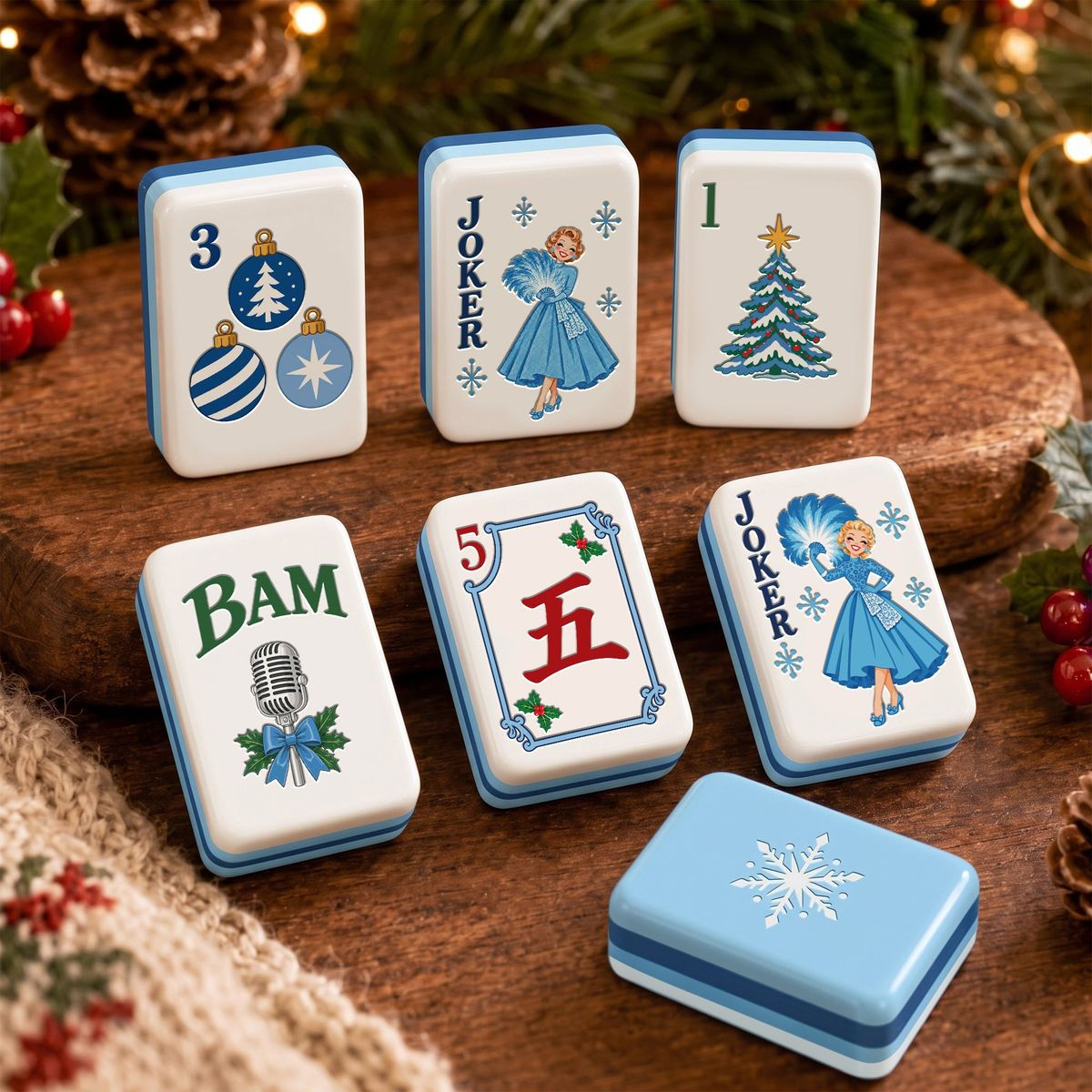
Open play means showing up to a game session where you pay a small entry fee and play with rotating opponents—no membership required. On Long Island, open games typically happen at public community centers, libraries, senior centers, and country clubs; check bulletin boards, call ahead, or ask at local synagogues and cultural organizations. Most games run weekly or twice weekly, last 2–4 hours, and welcome players of all levels, though some house rules vary. Costs are modest table fees, not tile purchases. Before you go, learn the basics from mahjong for beginners, understand how jokers work in American mahjong, and if you want to host at home afterward, invest in a 160-tile acrylic set from Mahstead with a carrying case—acrylic tiles last longer than bone and bamboo in frequent play.
Where Do Long Island Players Gather for Open Play?
Long Island's mahjong community centers around Nassau and Suffolk counties—check community recreation departments, public library events calendars, and senior centers first. Many synagogues host open-play nights, especially on weekday evenings; call ahead to confirm the day and time. Country clubs and private clubs sometimes allow guest players at open sessions; ask if a current member can introduce you. Bulletin boards at coffee shops, fitness centers, and cultural organizations often list game times and contacts. Start by searching your town's community center website for "mahjong open play" or "game day"; if the page is outdated, call the main office—staff can direct you to the active host or coordinator.
🀄 Shop best-selling mahjong sets →

What Should You Bring to Your First Open Game?
Bring cash in small bills for the table fee (usually a few dollars per session). Most venues provide tiles and mats, so you don't need your own set unless asked. Wear comfortable clothes and leave your phone on silent. Eat before you arrive; games can run 2–4 hours without breaks. Study the current year's National Mah Jongg League card beforehand—ask the host which version they use. Bring a pen and small notebook if you want to jot down hand patterns you spot. Most importantly, let the host know you're new; they'll seat you with patient players and explain local scoring rules. Arriving 10–15 minutes early shows respect and lets you get comfortable with the table setup.
What Are the Unwritten Rules That Matter?
Experienced players move tiles slowly and deliberately—rushing signals poor play and annoys your opponents. Don't touch another player's wall or tiles; only the player whose wall it is may pick from it. Keep your hand organized and your discard pile neat; a messy table slows the game and invites mistakes. Never discuss live hands with other players, and don't offer unsolicited tips to a struggling opponent—it breaks concentration and can shift the table's mood. Pay attention during discards; slow play is a red flag. If you miss a winning tile and another player melds instead, accept it gracefully—no complaints about "what could have been." Tip the host or coordinator at the end, even modestly, if you plan to return; they're often volunteers.
How Do Open-Play Scoring and Payouts Work?
Scoring follows the National Mah Jongg League rules, updated annually—all players use the same card, which the host provides or you bring. Each winning hand has a point value based on the hand pattern and number of jokers used; the player who discarded the winning tile (the discarder) pays the winner double, and all other players pay single. Payouts are usually a fraction of a cent per point, set at the table before play starts—ask the host what the rate is. Keep a running tally on paper; most venues don't allow electronic scoreboards during open play because they slow down play and distract younger players. If you win a hand, recount your points before announcing; mistakes embarrass everyone. Losing gracefully and paying promptly keeps the game flowing and the table friendly.

How Should You Prepare at Home Before Going?
Study how to play American mahjong to learn the basic sequence: Charleston, wall build, turn order, and melding rules. Watch a 10-minute video of a live game if you can find one online; seeing the pace and tile movement is invaluable. Practice reading hands from how to read the mahjong card so you can spot patterns quickly without freezing during play. If possible, get a friend to teach you over one home game before you go public. Understand that American mahjong uses only pungs (3 identical tiles), kongs (4), quints (5), and sextets (6)—no sequences like 1-2-3—and that jokers work as wild tiles but never as a single tile or in a pair. Once you're confident, show up to open play and tell the host you're new; Long Island players are known for welcoming newcomers.
Preparation Step | What It Covers | Why It Matters | Time |
Watch a beginner video | Tile names, tile movement, wall ritual | You'll recognize what's happening | 10 min |
Read the National Mah Jongg League card | Hand patterns, how to spot a win | You can find hands without panic | 15 min |
Learn tile anatomy | Suits, winds, dragons, flowers | You won't confuse a Crak with a Dot | 10 min |
Play one home game | Feel the pace, practice discards | You'll move naturally at the table | 90 min |
Total | Foundational competence | You'll play confidently | ~2 hours |
🎁 See our most-loved mahjong sets & accessories →
What Equipment Do You Need to Host Games at Home?
Once you've played a few times and want to host, get a 160-tile acrylic American mahjong set; acrylic is durable, light enough to travel to open-play venues if you become a regular, and easy to clean. Pair it with a quality mahjong mat so tiles don't scatter—a mat also marks the discard area and wall clearly, which keeps gameplay smooth. Add racks with pushers so players can organize and conceal their hands comfortably; wooden racks with pushers are traditional and reduce hand fatigue during long sessions. If you'll host regularly or travel to venues, get a carrying case or travel bag to keep your set protected and ready. Most Mahstead sets ship with everything you need in one box; unpack it, learn the Charleston, and host your first game. Personalized engraved sets also make hosting feel special and are memorable gifts for friends who want to start their own home games.
What to Check Before You Buy Your Own Set
Confirm your set includes all 152 playing tiles plus spares in a carrying case or bag. Test the tile weight and sound in person if possible, or read player reviews on the Mahstead site. Make sure the suit symbols (Bams, Craks, Dots) and wind/dragon labels are clear and large enough to read without picking tiles up. If you're older or have vision concerns, look for sets with high-contrast paint and large numerals. Verify the case closes securely and that the mat is washable; you'll want durability if you're moving the set weekly. Check that racks fit comfortably in your hand and have smooth pushers. Finally, confirm free shipping is included—Mahstead ships across the US at no charge, so compare the all-in cost with other vendors before deciding.
✨ Find your Mahstead set — free US shipping →
Once you join an open-play group and feel ready to host, you'll know exactly what you need because you'll have played on others' sets. Long Island's mahjong culture rewards showing up, staying patient, and respecting the game. Start small, learn steadily, and the community will embrace you—open play is how friendships and regular game groups grow.

FAQ
How do I find open-play mahjong groups on Long Island if there's no online directory?
Call your town's recreation department or library directly and ask for the mahjong coordinator; ask if they post schedules or have a contact list. Check synagogue event calendars and senior center newsletters. Word of mouth spreads fast—once you find one group, ask where they know of others nearby.
Can I just show up to an open game without knowing how to play?
Many venues welcome true beginners if you arrive early and tell the host. They'll seat you with patient players and may explain house rules. However, knowing tile names and basic hand patterns beforehand makes the first session far less stressful—spend two hours studying online first.
What does "open play" cost compared to lessons or membership at a club?
Open play is usually a modest table fee per session (set by the host). Lessons at independent teachers vary widely. Club memberships may have higher upfront costs but offer unlimited play; ask the venue if multi-session passes are cheaper than dropping in each time.
Do I need to buy my own mahjong set before my first open-play game?
No—open-play venues provide sets. Buy your own only if you want to host friends at home or want a backup set for travel. Acrylic sets are durable and suit frequent use better than bone and bamboo.
What's the biggest mistake new players make at open play, and how do I avoid it?
Rushing—moving tiles too fast, discarding without looking at what others have exposed, or not paying attention to the wall. Slow down, watch three hands before playing, and ask questions during dead time, not during live play.
Are there any Long Island-specific house rules I should know about before I arrive?
Each venue has slight variations in scoring rates, payout methods, and tie-breaking rules. The host will explain before the first game. The National Mah Jongg League card is the baseline everywhere, but ask if they use the current year's card and whether all-joker hands are allowed at your venue.


View More
View More
View More
