
Mahjong Open Play in San Antonio: Where to Play & How to Join
Last updated: Nov 23, 2026
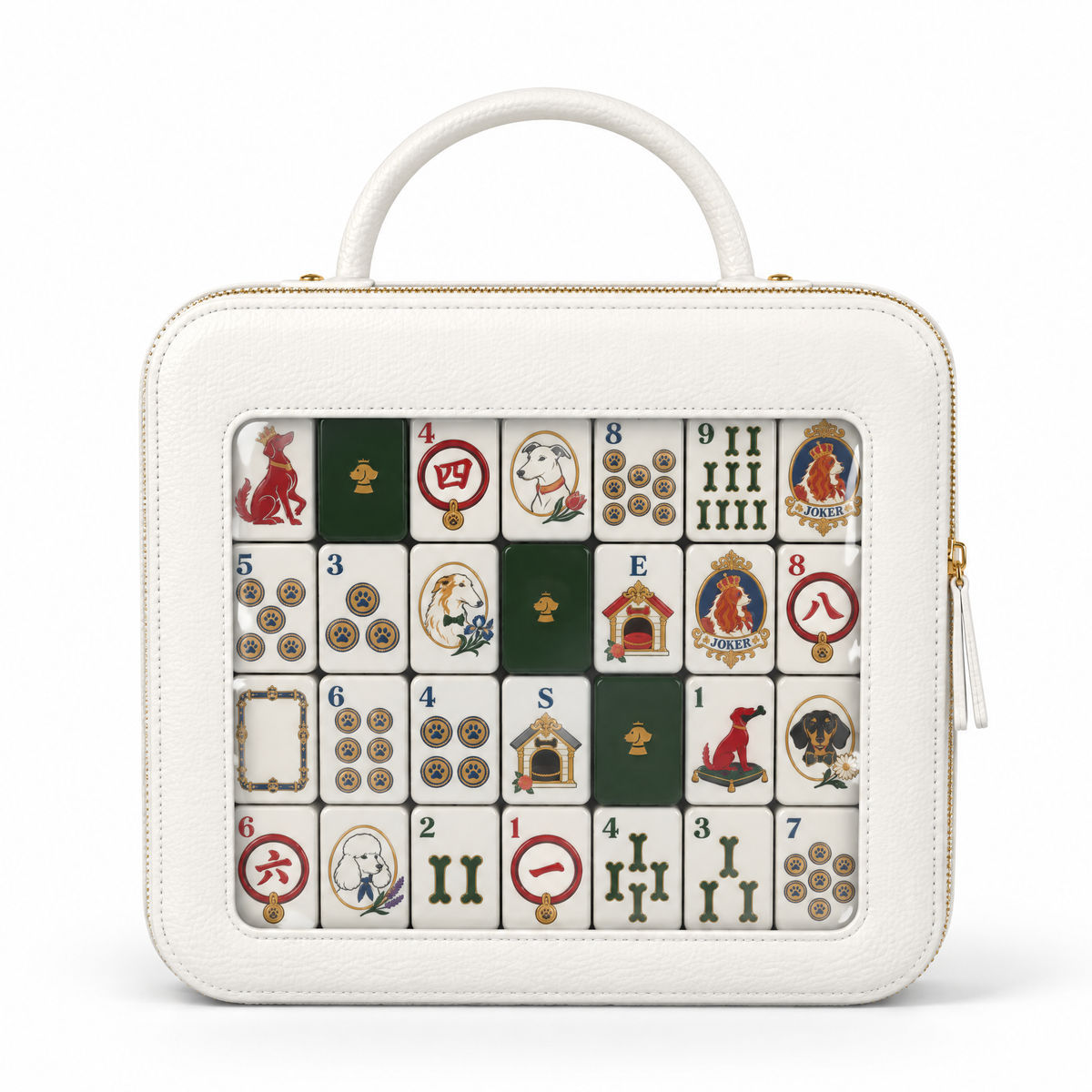
San Antonio's mahjong open play scene centers on community spaces: check your local library branches, community centers (especially north and central locations), synagogues with game programs, and country clubs that host tile nights. Most open play follows American mahjong rules using 152 tiles, eight jokers, and the current year's National Mah Jongg League card. Games typically run 2–4 hours on weekday evenings or weekend afternoons; entry is usually free or a small table donation. Before your first session, learn the basic tile setup, how the Charleston tile pass works, and how to spot winning hand patterns on the card. You'll need your own set or can borrow one; our best-selling mahjong sets come ready to play and include everything beginners need.
Where do San Antonio mahjong players actually gather?
Open play happens at libraries (ask staff about game night schedules), municipal community centers that run ongoing programs, synagogues with active game communities, and private country clubs or game rooms that welcome newcomers. Call ahead or check bulletin boards—most groups post meeting times weeks in advance. Look for flyers at bridge clubs, senior centers, or arts centers; established groups often have informal waiting lists. Many venues run beginner nights separate from advanced play, making it less intimidating your first time.

What's the difference between open play and league play?
Open play is casual, same-day signup, no scoring toward rankings, and usually free or cheap. League play requires registration, annual membership fees, participation in official tournaments, and scoring tracked by the National Mah Jongg League. Open play is perfect for learning; league play suits serious players chasing rankings or competitive events. Most open-play groups welcome walkins; league games have rosters and registered players only. Start with open play to build confidence and find your style.
What do you need to bring to your first game?
Bring a valid set (or ask if one's provided), a tile rack if yours doesn't have one, pen and paper for scoring, and the current year's mahjong card. Many hosts have spare sets and racks, but bringing your own ensures comfort and eliminates delays. Wear clothes with pockets if you'll be handling loose tiles. A notebook helps you track calls, scoring, and rules you want to review later. Don't overthink it—experienced players are used to new faces and will answer questions between hands.
🀄 Shop best-selling mahjong sets →
How do you actually start playing in open-play groups?
Arrive 10–15 minutes early, introduce yourself to the host, and say you're new or returning. Ask where to sit and who plays East first (usually determined by dice or drawing tiles). Watch the first hand to see tile flow and calling patterns. Don't worry if you don't finish the hand—draw tiles with the group anyway. Ask questions between rounds; open-play veterans expect and welcome them. After 2–3 hands, you'll start recognizing tile patterns and understand rhythm.
Here's a step-by-step checklist for your first night:
Before you leave home: Review the current year's card (available free online at the National Mah Jongg League website) and understand one or two simple hand types.
Upon arrival: Find the host, say you're new, ask where to sit.
During setup: Watch how tiles are shuffled and drawn; count along silently.
During play: Listen for calls (Pung, Kong, Win), ask what they mean when the hand ends.
Between hands: Ask the winner to show the matching hand pattern on the card.
After three hands: You'll have the rhythm; relax and enjoy the game.
What rules should every beginner know before showing up?
American mahjong games always use exactly 152 tiles and eight jokers; no tiles are added or removed mid-game. Winning requires matching a hand pattern from the current year's card—no improvisation. You can only expose pungs (three identical tiles), kongs (four identical), quints (five), and sextets (six); chows (sequences like 1-2-3) are never exposed. Jokers cannot be used as a single tile or a pair—only filling blanks inside a pung or kong. The Charleston is the mandatory tile-passing ritual before the first hand begins; always participate even if you're new. Learn how the Charleston works before your first night so passing isn't awkward.
The table also has unwritten rules: never rearrange exposed melds, don't comment on another player's strategy, and fold your hand face-down if you stop playing a round. If you break a tile (crack or chip), tell the host immediately. If you draw out of turn or play a wrong tile, say so at once—experienced players will correct it and move on without judgment.

What gear makes open play easier for a beginner?
Gear | Why it helps | Best for |
Personal set with racks | Keeps tiles organized; lets you focus on hand patterns, not fumbling | First-time players; anyone nervous about tile handling |
Felt or suede mat | Quiets tile movement; makes shuffling smoother; protects table | All players; essential for senior players or shared tables |
Lightweight pushers | Reduces hand strain; speeds tile passing; keeps melds aligned | Extended play sessions; players with joint concerns |
Tile bag or case | Protects set from damage; makes transport easy; shows respect for equipment | Players who travel between venues; set owners |
For your first few nights, borrow a mat and rack if available; after you know you'll return, invest in your own. Our mahjong mats come in sizes for home play and portable travel. If you plan to play at multiple venues, a travel bag keeps your set safe between sessions and saves setup time.
🎁 See our most-loved mahjong sets & accessories →
How to read the card so you can spot winning patterns fast
The annual card shows winning hand combinations in sections organized by hand type: Like Hand (all one suit plus honors), Consecutive pairs, Quint hands, and others. Each hand lists tile combinations in brackets; a single bracket [5B 5B 5B] means a pung of 5 Bams. Jokers appear as blanks in the printed hand; they substitute for any missing tile. Start by finding hands that use mostly Bams or Dots (easier to track than Cracks early on). During play, glance at the card whenever you're holding 8+ tiles; after three or four games, you'll start recognizing patterns without looking. How to read the mahjong card takes 10 minutes to learn and makes calling and playing infinitely smoother.
What happens if you don't know the rules mid-game?
Ask immediately—don't stay silent and guess. Experienced players expect questions and will pause to explain without penalty. Common beginner confusion: thinking jokers can fill a pair (they can't), trying to expose a sequence (American mahjong doesn't allow it), or misunderstanding pung calling rules. The worst mistake is hiding a rule question; it only slows the next hand down. Table veterans are almost always patient; open play exists partly to teach newcomers.
Where do you find community centers, libraries, and venues with mahjong?
Search online: "[city name] library mahjong" or "[city name] community center game nights" to find official program pages. Call your local library and ask the programming or events desk—they know exact times and whether beginners are welcome. Check Meetup.com for informal player groups that post current schedules. Ask at synagogues with senior or adult programs; many run weekly or monthly mahjong nights. Country club websites often list game events in their calendar. Place an ad on community bulletin boards asking to join a weekly group if no open play exists yet. Many cities have Facebook groups for mahjong players; search and request to join.
✨ Find your Mahstead set — free US shipping →
What to check before you buy a set for open play
Tile clarity: Can you read the number and suit from across the table? Larger tiles reduce squinting during long sessions.
Rack fit: Does your set include racks? Test fit tiles before playing; loose or tight racks cause fumbling.
Joker count: All playing sets contain eight jokers; confirm your set is complete before leaving the store or after unboxing.
Case or bag: Open-play players move between venues; a protective case keeps your set playable for years.
Tile weight and feel: Hold tiles before playing if possible; heavy tiles feel smoother but tire hands faster in 3+ hour sessions.
Our best-selling mahjong sets ship complete with all 152 playing tiles, eight jokers, racks, and pushers—everything you need for open play on day one. Many sets come with a travel bag, so you can move confidently between venues.

FAQ
Can I play mahjong open play if I've never played before?
Yes. Open play is designed for beginners and regulars. Most hosts expect new players and will answer questions between hands. Watch the first round, ask about calls and winning patterns, and join the second hand—confidence builds fast.
Do I have to own a mahjong set to play open play in San Antonio?
No. Most open-play groups have spare sets. Many venue hosts provide tiles. Bring your own if you have one; it speeds setup and shows respect for shared equipment. After 3–4 visits, owning a set makes hosting and practice easier.
What's the National Mah Jongg League card and why does it matter?
The card is the official list of all winning hand patterns for American mahjong, updated every April. A new card is issued each year; only hands on the current card count as wins. You cannot win with improvised patterns or hands from prior years. Every open-play venue uses the current card.
How long does a typical open-play game last?
A single hand lasts 15–30 minutes depending on player speed and table talk. Most open-play sessions run 2–4 hours and include 4–8 complete games. Arrive when you can and leave when you want; no commitment required. Many players stay the full session to practice and socialize.
Is open play expensive?
Almost always free or very low cost. Some venues ask for a small table donation (supporting the facility), but most open play charges nothing. You may want to own a set (one-time investment) and a mat for comfort, but neither is required to start playing.
What if I mess up a tile during play or break a rule?
Say so immediately. Experienced players correct mistakes in real time and move forward. No penalty; everyone fumbles their first dozen games. Honesty keeps the table fair and saves re-playing the entire hand.


View More
View More
View More
