
Cheap vs Expensive Automatic Mahjong Table: What to Buy
Last updated: Nov 23, 2026
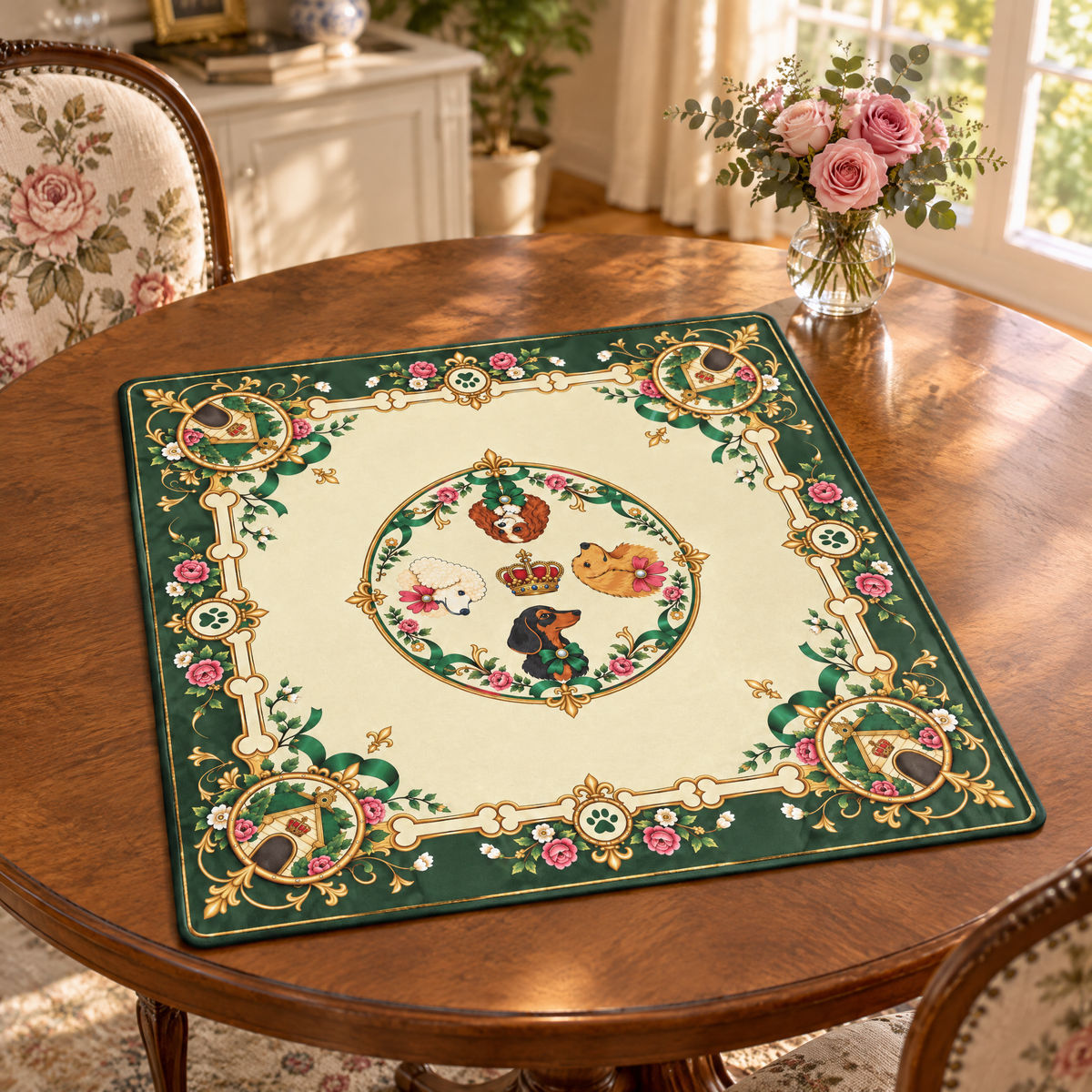
An automatic mahjong table mechanizes tile shuffling, dealing, and often wall-building—saving 10–15 minutes per setup. Budget tables (lower end of the market) use simpler motors and plastic components; premium models feature reinforced mechanisms, quieter operation, and longer service life. American mahjong tables must accommodate a standard 152-tile deck plus 8 jokers. Most automatic tables run on electricity and occupy 3–4 feet of floor space. The difference between cheap and expensive largely comes down to motor durability, noise level, build materials, and warranty coverage. If you host weekly games, a mid-range table with proven reviews from active players often outperforms the cheapest option. Budget models suit occasional players; serious groups benefit from construction that survives years of heavy use. Mahstead sells hand-pushed mahjong mats and racks instead of automatic tables—a practical alternative that cuts setup time without the motor maintenance headache.
Why do automatic tables vary so much in price?
A cheap automatic table cuts costs by using plastic gears, lower-quality motors, and thin laminate surfaces. Expensive models invest in metal components, sealed bearings, and hardwood veneers. The motor is the biggest cost driver—a weak motor wears out in 2–3 years of heavy play; a robust one lasts 10+ years. Noise, another hidden cost factor: budget tables often clatter and whir loudly; premium tables run nearly silent. Support infrastructure matters too—cheap brands rarely have replacement-part availability or responsive customer service; established premium brands stock parts and honor multi-year warranties. If you play twice a week, a budget table's shorter lifespan means buying again sooner, erasing any upfront savings. Serious players consistently choose mid-range to premium because the total cost of ownership is lower over a decade.
What should you check before buying an automatic table?
Inspect the shuffle mechanism (does it use metal gears or plastic?), the dealing arm (does it move smoothly without jamming?), and the table surface (is it sealed laminate or raw veneer that stains?). Ask the seller for decibel ratings; under 70 dB is comfortable for conversation during play; over 80 dB becomes unpleasant. Confirm that replacement parts are available—motors, shuffle wheels, and felt surfaces wear fastest. Check shipping and assembly: some tables arrive fully assembled; others require 2–4 hours of on-site work. Test if the table handles both American (152-tile) and alternative formats; a one-size-only table limits future flexibility. Call the manufacturer before purchase and ask how many units they've sold in your region; high regional sales signal local support. Verify warranty length and whether it covers motor failure or only cosmetic defects—most cheap warranties exclude wear-and-tear.
🀄 Shop best-selling mahjong sets →
Budget vs. Mid-Range vs. Premium: A Comparison
Factor | Budget | Mid-Range | Premium |
Motor lifespan | 2–3 years | 5–7 years | 10+ years |
Noise level | 75–85 dB | 65–75 dB | <65 dB |
Shuffle reliability | Occasional jams | Rare jams | Nearly jamless |
Parts availability | Limited | Good | Excellent |
Surface durability | Stains easily | Stain-resistant | Sealed hardwood |
Warranty | 1 year (cosmetic) | 2–3 years (parts) | 3–5+ years (full) |
Best for | Casual, infrequent play | Weekly home games | Club/professional use |
Budget tables work if you host 4–8 times per year and accept that replacement parts may be hard to find. Mid-range is the sweet spot for home groups playing weekly; you get quiet operation and motors that survive 5–7 years without constant repair. Premium is worth the investment for clubs, tournaments, or players who move tables between venues often—durability pays for itself.
How does a hand-pushed mat compare to automatic tables?
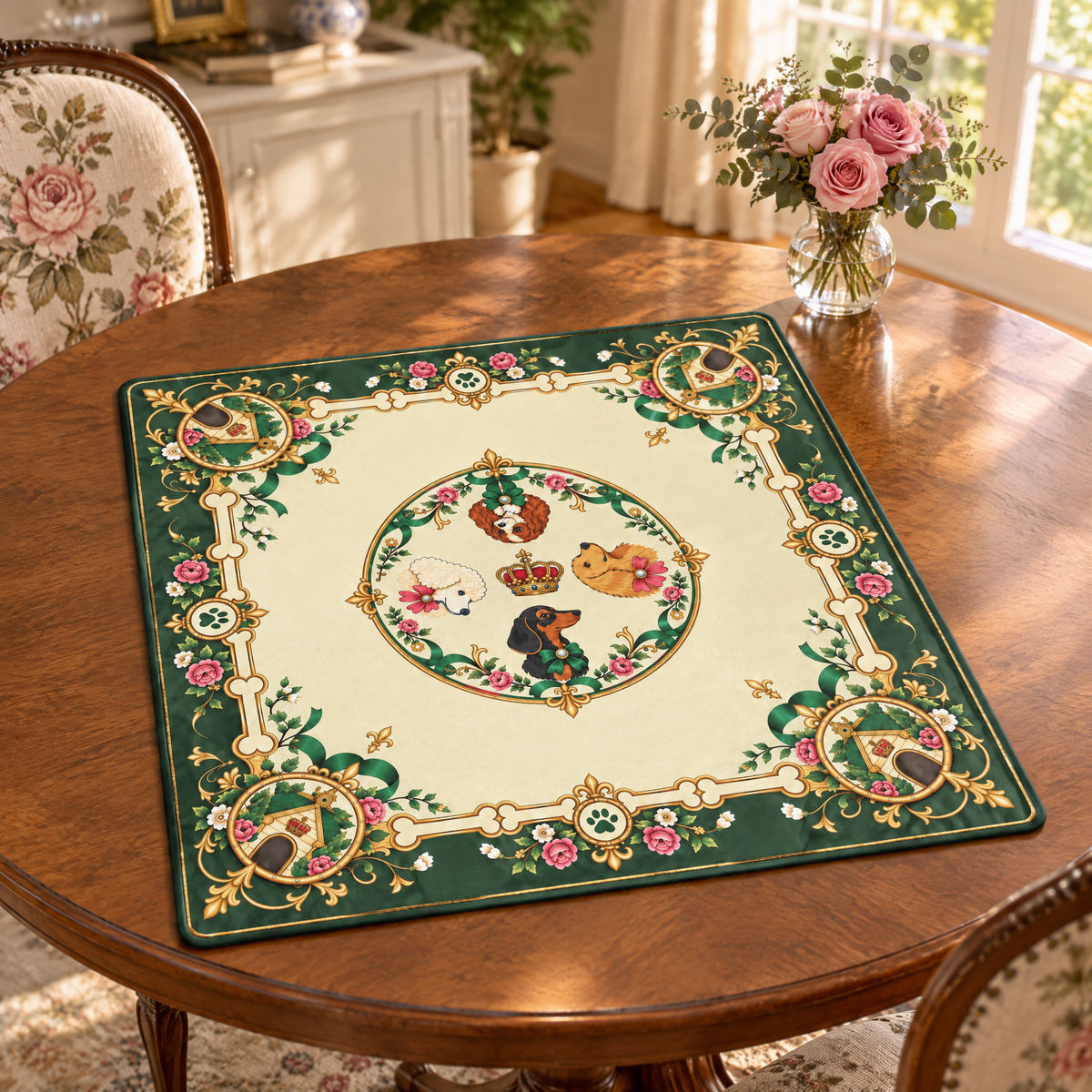
A mahjong mat plus racks with pushers eliminates motors entirely: you shuffle by hand (3–5 minutes) and deal manually. Setup takes slightly longer than an automatic table, but there's no maintenance, no noise, no power cord, and no moving parts to fail. Many serious weekly players choose mats and racks specifically because they avoid the downtime of a broken shuffler. Mats roll up and pack into a bag for easy transport; automatic tables don't travel well. A mat is cheaper upfront than even budget automatic tables, yet costs almost nothing to own forever. The trade-off is labor: your players do the work. For groups that like the ritual of hand-shuffling and don't mind the 10-minute setup, a mat feels more traditional and social. Automatic tables save time but tie you to electricity and maintenance schedules.
🎁 See our most-loved mahjong sets & accessories →
What common mistakes do buyers make when choosing?
Many shoppers pick the cheapest option and regret it after the motor fails six months into weekly play—a false economy. Others buy based on size alone without checking if the table fits their room's electrical outlets or doorway dimensions. Underestimating noise is another trap: a table that sounds acceptable in a quiet showroom becomes intrusive in a living room, especially during evening games. Some buyers ignore regional parts availability and end up stranded when the shuffler breaks and no local repair shop stocks components. Assuming all automatic tables handle American tiles the same way is risky—some are designed for Chinese or Japanese mahjong and don't accommodate Craks, Bams, and Dots properly. Not confirming power requirements is costly too: a table that needs 220V won't work in a standard home outlet. Finally, skipping the warranty details leads to expensive surprises; a motor failure on day 366 of a one-year warranty is your bill entirely.
Should you buy automatic or invest in a quality mat and racks?
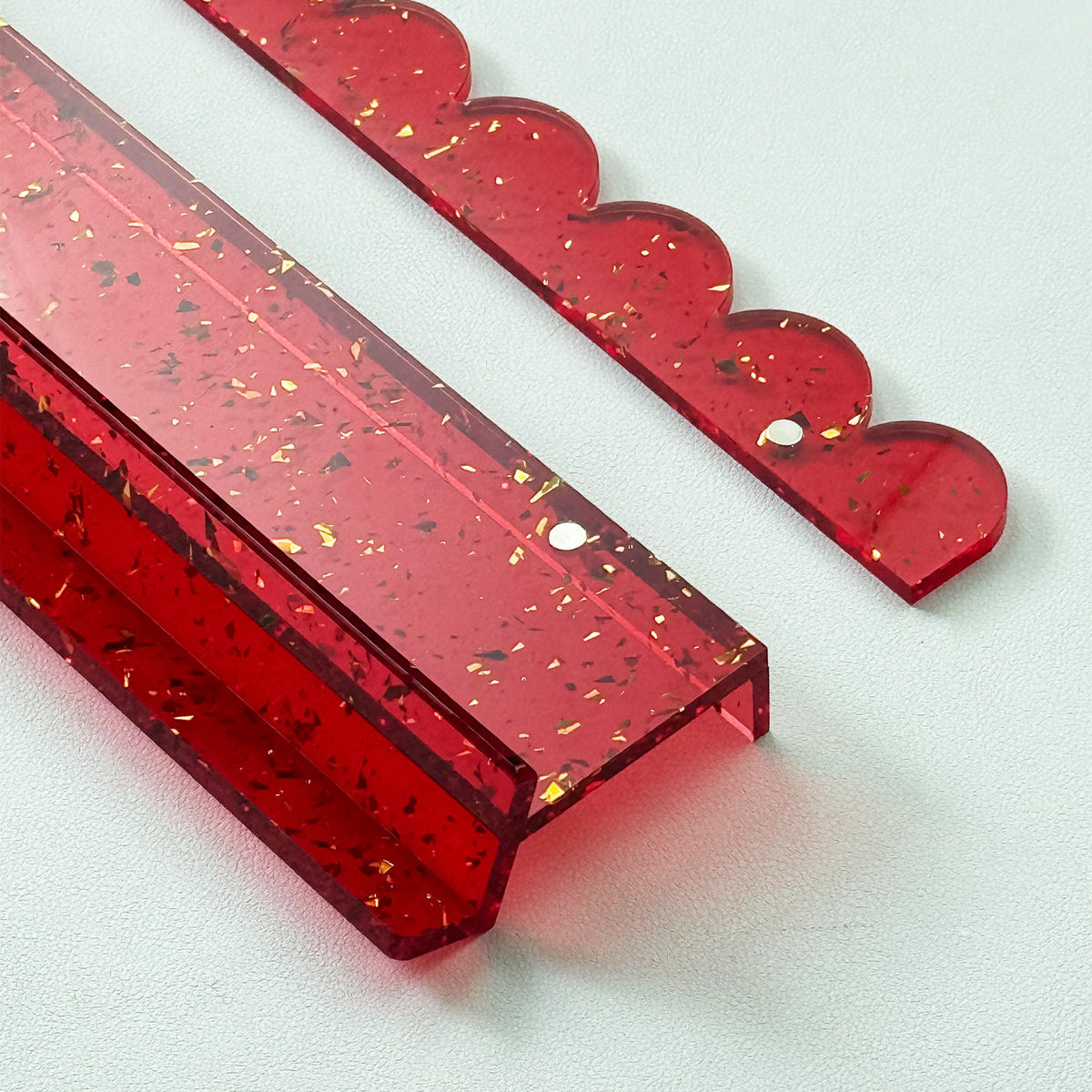
If you play mahjong once or twice a month, a mat and racks give you years of reliable service without hassle. If you host weekly games and want to maximize chair time (not shuffle time), an automatic table—ideally mid-range—eliminates the setup bottleneck. Clubs and tournament organizers almost always choose automatic because consistent, predictable setup is essential. Solo players or pairs who play casually often find a mat sufficient. The honest answer: automatic tables are luxuries, not necessities. A mat from our mahjong mats collection paired with good racks and pushers gives you professional-grade gameplay at a fraction of the cost—and you'll never troubleshoot a motor. Automatic tables are right for groups willing to budget for convenience and accept ongoing maintenance as the cost of that convenience.
✨ Find your Mahstead set — free US shipping →
What to Check Before You Buy
Electrical & space:
Confirm outlet proximity and voltage requirements (most US tables run on 110V standard outlets; some require 220V).
Measure your game room; automatic tables occupy 3–4 feet × 3–4 feet minimum and need 12 inches of clearance for the dealer arm.
Motor & mechanics:
Ask the seller for motor specifications (wattage, RPM, brand name).
Request video of the shuffle and deal cycles; jamming mid-shuffle is a deal-breaker.
Verify parts availability for your region by calling the manufacturer directly.
Surface & build:
Touch the playing surface and ask about stain resistance; untreated veneer absorbs spilled drinks.
Check if legs are adjustable (table height should be 28–30 inches for comfortable sitting).
Look for sealed seams and quality joinery; visible gaps signal poor construction.
Warranty & support:
Get the warranty in writing and clarify what's covered (motor vs. cosmetics vs. wear-and-tear).
Ask about the return window—30 days is standard; shorter windows are a risk.
Confirm response time for customer service; a 2-week wait for a replacement part kills your game schedule.
FAQ
Is a cheap automatic table ever worth buying?
Yes—if you play fewer than 4 times per year and don't mind replacing it in 2–3 years. For weekly play, the math favors mid-range or a hand-pushed mat instead.
Do automatic tables handle American mahjong tiles specifically?
Most modern tables do, but always confirm with the seller before buying; some are optimized only for Chinese or Japanese mahjong tiles, which differ in weight and thickness.
How long does an automatic table last with heavy use?
Budget models: 2–3 years; mid-range: 5–7 years; premium: 10+ years. Heavy use (3+ times per week) can shorten any table's life by 1–2 years.
What's the quietest automatic table?
Premium models typically run below 65 decibels; mid-range hovers around 65–75 dB; budget often exceeds 75 dB. Sealed metal gears are quieter than plastic ones.
Can I use a regular folding table with a mat instead?
Yes—many home players do exactly that. A folding table plus a mat from our collection gives you a playable surface for a fraction of an automatic table's cost, with zero maintenance.
Are replacement parts expensive if the motor fails?
Motor replacement typically ranges widely; contact the manufacturer for exact pricing. This is why buying a brand with strong local availability matters—some brands have no parts in stock anywhere.
Should I buy automatic if I'm just starting out?
No. Learn the game with a mat first. After 6 months of weekly play, you'll know if you want to invest in automation; rushing into automatic tables is a common beginner mistake.
What's the best alternative if I can't afford automatic?
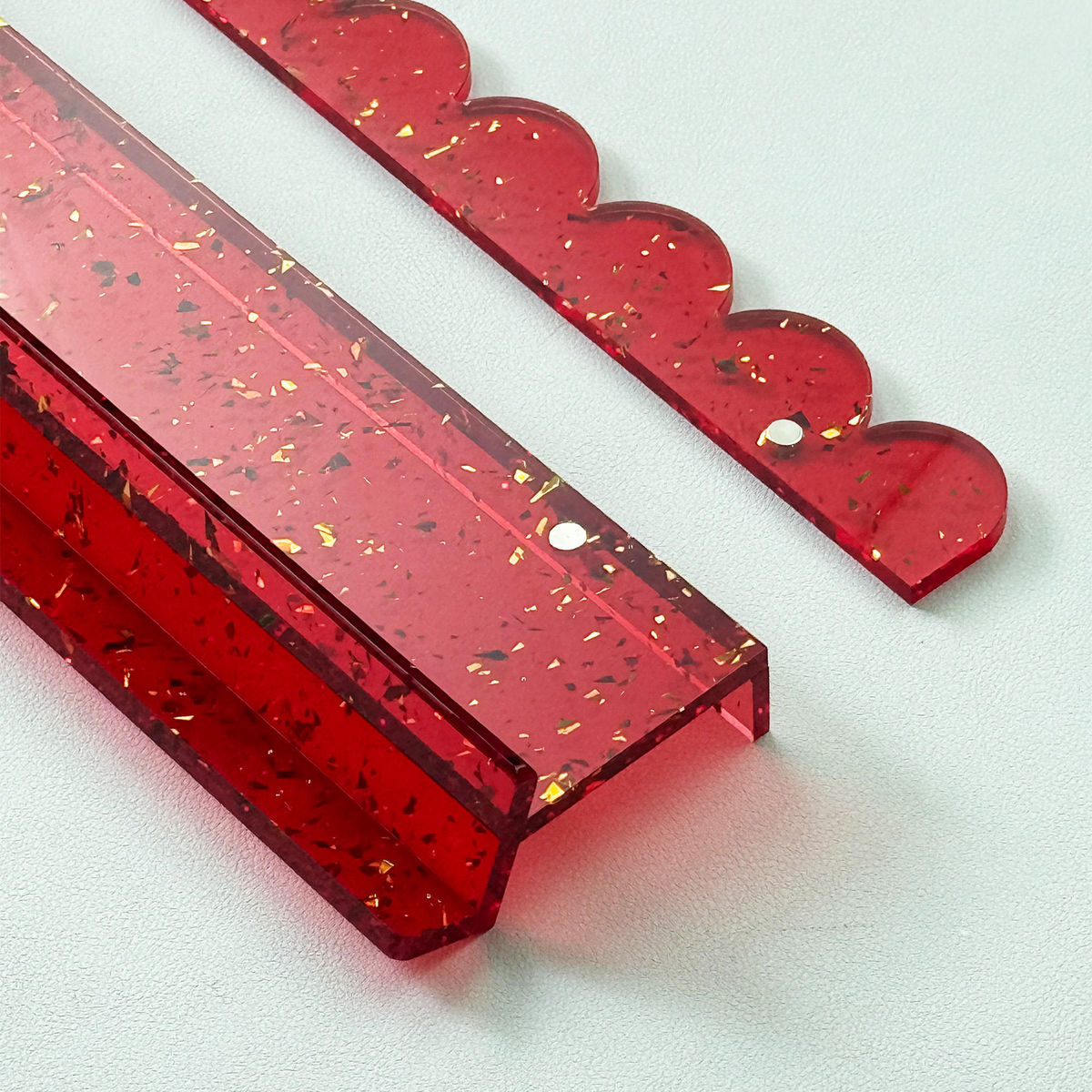
A quality mat paired with racks and pushers offers the fastest setup time without motors. Many serious players actually prefer this because there's nothing to break and no noise interrupts conversation.


View More
View More
View More
