
Mahjong Classes for Beginners in Des Moines: Where to Learn & What to Know
Last updated: Nov 23, 2026
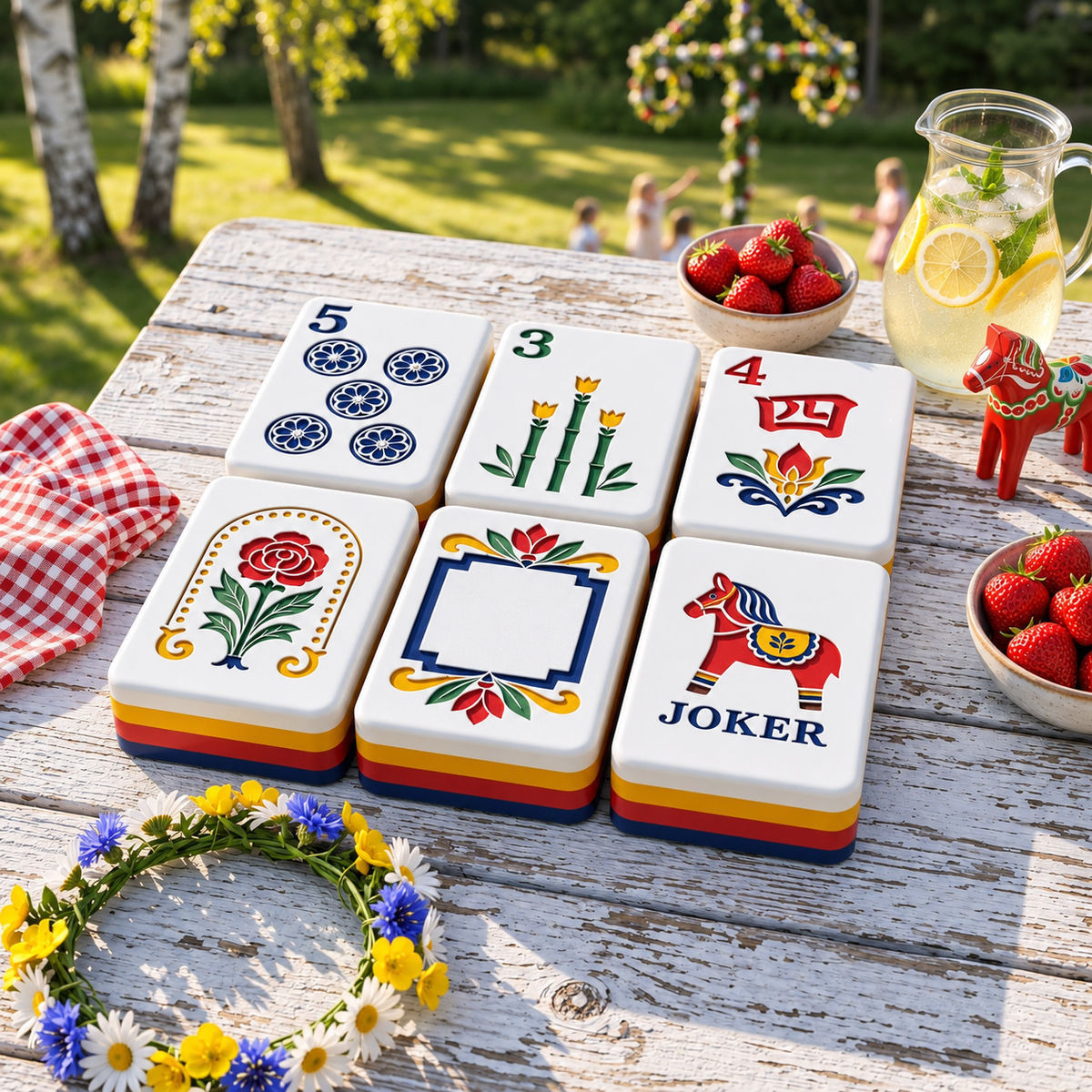
Beginner mahjong classes in Des Moines are available through community centers, public libraries, senior centers, and private instructors—most run 4–8 weeks at a beginner pace. Check the Des Moines Public Library website, local community center registrations, and Meetup boards for current offerings; many instructors teach American mahjong using the National Mah Jongg League card. Expect to learn tile names, the Charleston (tile-passing ritual), hand-reading, and basic scoring. Classes typically cost between modest community rates and private lesson fees; ask instructors whether they supply sets or expect you to bring one. A quality best-selling mahjong set with clear tile markings and a mat makes learning easier and hosts your first home games without buying multiple sets.
Where do beginners find mahjong classes in Des Moines?
Start by calling or visiting the Des Moines Public Library branches directly—many host ongoing mahjong instruction or can refer you to instructors. Community centers (check Parks & Recreation department listings online) often offer seasonal beginner classes. Senior centers in Des Moines-area neighborhoods frequently run mahjong groups; even if you're younger, many welcome newcomers. Search "mahjong instructor Des Moines" on local Meetup or Facebook groups; retired players and enthusiasts often post weekly game times and beginner-friendly sessions. Call ahead: ask whether the class teaches American mahjong (the most common U.S. variant) and whether tiles are supplied or you must bring your own.

What do beginners learn in the first few weeks?
Week one typically covers tile recognition—learning the three suits (Bams, Craks, Dots), the 16 winds, dragons, flowers, and jokers. Week two introduces the Charleston, the pre-game tile exchange that balances hands. Weeks three and four focus on reading the National Mah Jongg League card, understanding hand patterns (pungs, kongs, pairs), and calling rules. By week five, most players can recognize a winning hand and follow table etiquette. Instructors should emphasize that American mahjong has NO sequences (chows)—only identical tile sets and joker substitution—which is unique compared to Chinese or Riichi mahjong variants. How to play American mahjong covers these rules in detail if you want to review at home.
What equipment do you need to get started?
You'll need a standard American mahjong set (152 playing tiles plus 8 jokers), a mat or table cover, tile racks to hold your hand, and a scorepad. Most class instructors provide sets; ask before enrolling. If you're buying for home play, ensure the set includes all 152 tiles and a clear mat—durable acrylic sets with engraved markings survive weekly games better than bamboo. A padded mahjong mat protects your table and keeps tiles from sliding. If you plan to host, racks with pushers save wrist strain during long games and look professional. Starting with these basics keeps cost low and lets you focus on learning rules, not equipment.
Should you buy a set before your first class?
Not necessarily. Most instructors and community classes supply equipment. Attend two or three sessions first—it's the fastest way to confirm you enjoy the game before investing. If the class asks you to bring your own, buy one set, not four; you'll use it with three friends for years. If you're hosting a game at home and people keep asking to play, that's when buying a dedicated best-selling set makes sense. Choose acrylic over bamboo if you're new—it's clearer, more durable, and easier to read. Avoid novelty or cheap sets; unclear tile markings frustrate learners and delay play.

How do you transition from class to hosting your own weekly game?
Once you've completed a beginner class and feel confident with hand-reading and basic scoring, invite two friends who've also learned or are willing to learn. Host your first game with the National Mah Jongg League card and a scorepad; let everyone have a copy of the card or share one. Play slowly—expect three games to take 1.5–2 hours. Use a mat to protect furniture and keep tiles visible. After your first two weeks, you'll develop rhythm and speed. Many Des Moines players join informal weekly groups once they're comfortable; ask your instructor whether they host a regular home or library game you can join. This is the natural path: class → home game → weekly circle.
Stage | What You're Learning | Equipment Needed | Timeline | Next Step |
Beginner class | Tile names, Charleston, card reading | Instructor supplies | 4–8 weeks | Play a full game with friends |
First home game | Hand recognition, basic scoring, speed | One set + mat + card + scorepad | 2–3 games | Invite regulars for weekly play |
Weekly hosting | Scoring refinement, strategy, table etiquette | Durable set + mat + racks (optional) | Ongoing | Host or join a monthly game night |
What common beginner mistakes should you avoid?
Forgetting the Charleston. New players sometimes skip or rush this tile-passing ritual—it's essential for fair hand balance. Practice it slowly in your first class.
Confusing joker rules. Jokers are wildcards in sets, but never in a single tile or a pair. Review how jokers work before your first game to avoid costly errors.
Using the wrong card. Always use the current year's National Mah Jongg League card (2026 for 2026 games). Old cards have different patterns and will confuse play.
Buying low-quality tiles too early. Cheap sets with worn markings frustrate learners; scratch them or use them for practice only.
Not writing scores down. Verbal tracking causes disputes. Use a scorepad and keep a clear record every game.
What to check before you buy a set for home play
Tile clarity: All 152 tiles should be engraved or painted so markings stay readable after 50+ games. Hold a tile to light; if symbols fade or blur, skip it.
Joker count: A proper set includes 8 jokers for standard American play. Check the count before leaving the store or unpacking at home.
Racks and mat included: Some sets include them; others don't. Factor this into your decision if you're buying for a group.
Durability: Acrylic and high-grade plastic outlast compressed bamboo in weekly play. Avoid sets that feel hollow or rattle.
Return policy: Ask whether you can return or exchange tiles if any are broken on arrival—shipping happens, and reputable sellers stand behind their product.
🀄 Shop best-selling mahjong sets →
Once you've completed a beginner class, hosting your first weekly game feels natural. Begin with one reliable set, a mat, and clear tile markings—everything else (racks, fancy bags, multiple sets) comes later as your group grows. The goal in your first months is consistency: same time, same place, same friends, so everyone's learning accelerates together. Des Moines has enough mahjong interest to support beginner classes and regular home games; joining a class is the fastest way to tap into that community and find your weekly circle.
🎁 See our most-loved mahjong sets & accessories →
For more foundational guidance, read our guide to mahjong for beginners and what's in an American mahjong set. These cover tile names, hand patterns, and equipment in depth so you arrive at your first class with confidence. If you prefer learning at your own pace before joining a group, both resources walk you through the basics step-by-step.
✨ Find your Mahstead set — free US shipping →

FAQ
How long does it take to learn American mahjong well enough to play a full game?
Most beginners grasp tile names and basic hand patterns in 2–3 weeks (one class per week). A full winning game typically takes 4–6 weeks of consistent instruction, depending on class frequency and your comfort with card-reading. Practice between classes accelerates progress.
Are mahjong classes in Des Moines expensive?
Community center and library classes usually cost modest registration fees (typical for group instruction in Iowa). Private instructors charge more. Compare options by calling ahead; some offer drop-in rates if you prefer flexibility.
Do I need to own a mahjong set before starting a class?
No. Almost all beginner classes supply sets. Confirm with the instructor when you enroll. Buying later—after you've played a few games—is wiser than guessing which set you'll like.
What's the difference between American mahjong and the Chinese or online versions I've seen?
American mahjong uses the National Mah Jongg League card, 152 tiles, no sequences (chows), and jokers as wildcards in sets only. Chinese, Hong Kong, and Riichi variants use different tiles, allow sequences, and have separate scoring systems. Ask your instructor which variant the class teaches.
Can I play mahjong if I'm younger or don't know anyone else who plays?
Yes. Many Des Moines community centers and libraries welcome mixed-age groups. Once you finish a class, you can host friends at home or ask the instructor about ongoing weekly games where you'll meet other players.
What should I look for when buying my first mahjong set for home use?
Choose a set with clear, durable tile markings (acrylic holds up better than bamboo), confirmed 152 tiles plus 8 jokers, and a mat. Read customer feedback about tile clarity and durability. Avoid novelty sets; they frustrate learning and wear quickly.


View More
View More
View More
