
Mahjong Clubs in Jacksonville: How to Find & Join
Last updated: Nov 23, 2026
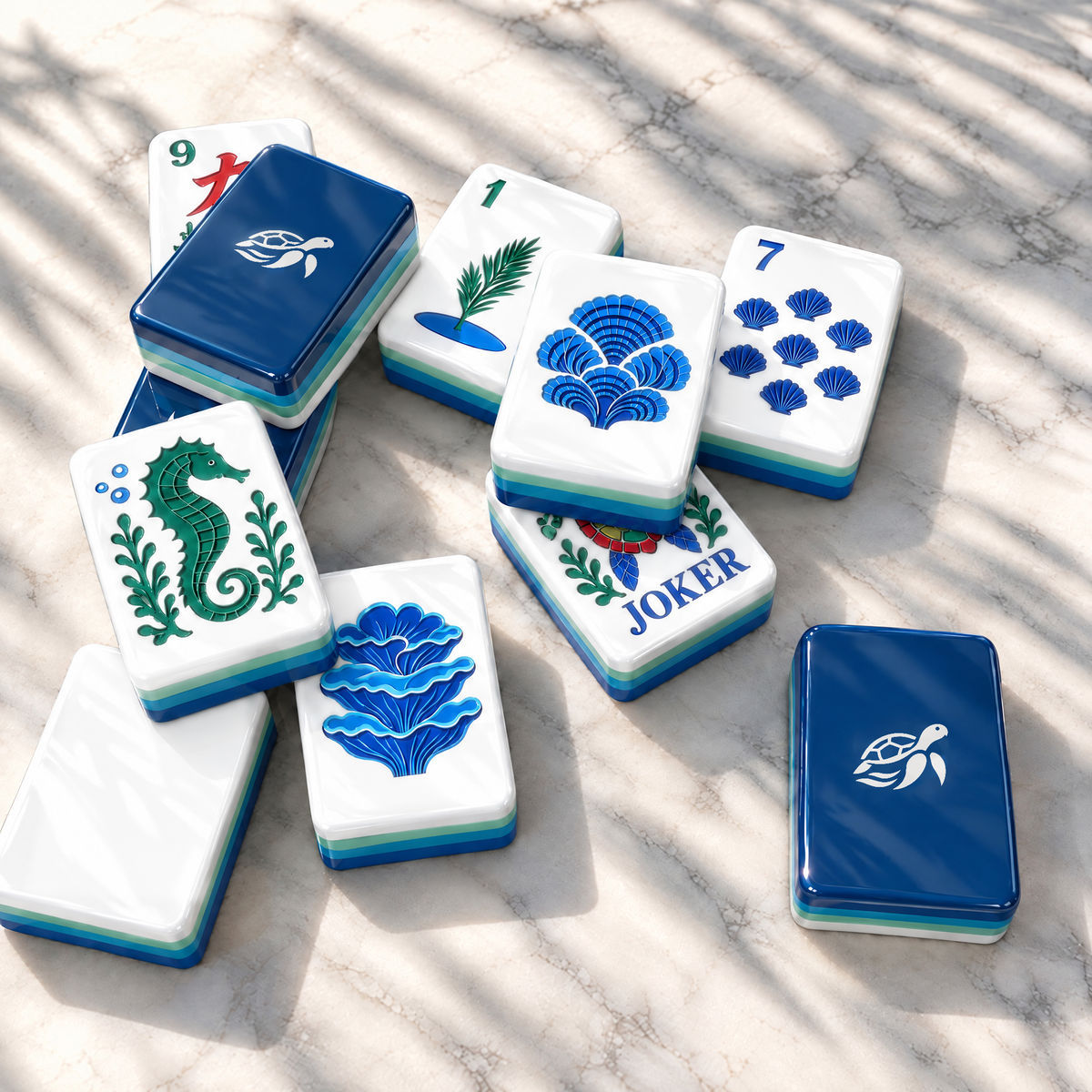
Jacksonville mahjong groups meet mainly through community centers, libraries, and private memberships at country clubs and retirement communities. The largest pools of players gather at local YMCAs, public library program calendars (check the Duval County Libraries system), and synagogue social committees. Some groups meet weekly, others monthly; games typically run 2–4 hours with 4 players per table. You'll need a 160-tile American mahjong set, a mat, and the current National Mah Jongg League card to play. Start by calling your nearest library, asking directly about "mahjong groups" or "mah-jongg clubs," and checking Meetup.com's Jacksonville board for informal game announcements. Many longtime players bring their own equipment; beginners often borrow a set the first time but should own one within a few games.
Jacksonville's mahjong scene is quieter than Miami or Tampa, but players here are loyal and welcoming to newcomers. If you're looking to join, you have several reliable pathways — and a few mistakes to avoid.
Where do Jacksonville mahjong groups actually meet?
Community centers, libraries, and religious organizations host the most stable games. Call ahead: most don't advertise weekly mahjong on their main websites. Ask specifically for "mah-jongg" (the older spelling helps older staff recognize it). Public libraries often coordinate social programs; a librarian can connect you to the group coordinator. Country clubs and retirement communities frequently host private games but may require membership. A few independent players organize casual games through Meetup.com or neighborhood Facebook groups — search "Jacksonville mahjong" in both places and message organizers directly.

How do I find the right beginner-friendly group?
New players do better in groups that explicitly welcome learners or have a designated newcomer time. Call ahead and ask: "Do you teach beginners?" A good answer sounds like "We have a beginner table Tuesday mornings" or "Our group doesn't mind slower play." Avoid groups that say, "Everyone here has been playing for years"—you'll spend more time confused than learning. Visit our pillar on mahjong for beginners to learn the real rules before you show up; players respect someone who's done homework. Expect 2–4 hours your first night. Bring a notebook; rules feel strange until your third game. If a group feels rushed or dismissive, try another—Jacksonville has enough options that you'll find a good fit.
🀄 Shop best-selling mahjong sets →
What should I bring to my first game?
Bring yourself and an open mind; the group will provide tiles and a card. Most established groups have shared sets, but quality varies. If you fall in love with the game (and most people do), buy your own 160-tile acrylic set from our best-selling collection—consistent tiles are a game-changer. A personal mat and rack set make you feel like a real player and help other players keep score cleanly. Some groups use dice; others don't. Dress comfortably; you'll sit for hours. If you're joining a monthly dinner-game hybrid, bring a small dish or donation. Never bring alcohol unless the group organizer says it's okay.
What do you need to actually own to play regularly?
Once you decide to join weekly, here's what serious players keep at home:
160-tile American mahjong set (152 playing tiles, 8 jokers; acrylic lasts decades and plays smoothly)
Mahjong mat (protects your tiles and muffles noise)
Rack with pushers (keeps tiles organized so you don't accidentally reveal your hand)
Cloth bag or case (protects your investment when you travel to games)
Current year National Mah Jongg League card (issued every spring; your group will have one to reference, but owning one speeds up play)
Item | Why It Matters | Typical Use Case |
Personal set | Consistent tile feel; you learn your tiles' weight and sound | After your first 3–4 games |
Mat | Quiet shuffling, professional table feel, easier scoring | When hosting or playing weekly |
Rack with pushers | Protects your hand from being seen; makes tile management faster | Week 2 onward |
Bag or case | Your set arrives intact to the game; lasts for years | Immediately, if traveling more than 5 minutes |
League card | Speeds up hand verification; you learn the patterns faster | First game (group's copy OK, but better to own one) |
Buying all four items at once is natural—most players do by month two. A travel bag or case with a mat and rack built into your routine means you're a real member of the game, not a guest.

What mistakes do newcomers make when joining a Jacksonville group?
Showing up without knowing the basic rules. Spend 15 minutes reading how to play American mahjong first. You won't master it, but you'll ask smarter questions.
Expecting the group to have spare equipment for you forever. Players assume you'll buy a set after game two. Bring a set by your fourth appearance or you'll feel the shift in hospitality.
Playing too fast or too slow without adjusting. Ask the group's pace their first game. If they're snappy, keep up or admit you need a slower table. If they're glacial and you move faster, stick with them anyway—rushing newer players is poor form.
Borrowing someone's tiles without asking. Always ask before touching another player's set or mat.
Missing the Charleston ritual. Before the first hand, players pass tiles in a specific three-step exchange. Learn the Charleston explained so you don't panic when it happens.
Misunderstanding joker rules. Jokers are wild but follow strict rules in American mahjong—they can never form a single tile or a pair, and they're used only in exposed sets. Read how jokers work in American mahjong before your first shuffle.
🎁 See our most-loved mahjong sets & accessories →
When should you stop looking for a group and start your own?
If you've called 5 libraries, checked Meetup three times, and found nothing, or if every group is full and has a waitlist, you have an opening. You don't need a formal venue: a dining table, four chairs, and a mat work fine. Invite two friends who've played anywhere (Chinese, Hong Kong, or Riichi mahjong players adapt quickly to American rules). Host one game; if everyone enjoys it, you've started a group. Post on Meetup saying "Casual American mahjong, no experience required, meet monthly." Within a month, you'll have 8–12 people asking to join. Jacksonville's mahjong community grows from one table at a time.
What equipment should your home game include?
If you're hosting, start with one quality set, one mat, and racks for each player. You can borrow these or invest in them; either way, quality matters more than quantity. We recommend a mat that rolls up for storage and a set with tiles large enough to handle (many hands are uncomfortable with small bakelite tiles after 3 hours). If you host more than once a month, upgrade to a second set and a nicer mat—players notice and return more often.
Browse our mahjong racks with pushers to add to your home setup. A good rack makes the game faster and more fun for everyone.
✨ Find your Mahstead set — free US shipping →

FAQ
How much does it cost to join a mahjong club in Jacksonville?
Most public library and community center groups charge nothing or ask for a small annual donation ($10–20). Country club games typically require membership. Private weekly games often collect a small pot for food or prizes but aren't "pay to play" in the traditional sense. Owning your own set costs more than the club membership.
Can I play American mahjong if I've never played before?
Yes. American mahjong is taught at the table by experienced players. Plan for a slow first game. Watch one full hand before you play a tile. Most players call this a learning round and don't count it toward scoring. Your group will expect to teach you once, then assume you'll practice between games.
What's the best time to visit a new group—a beginner session or a regular game?
If the group offers a dedicated beginner session or "newcomer time," always go there first. Otherwise, arrive 15 minutes early to an established game and introduce yourself. Regular players will slow down for one newcomer but not ten, so timing matters. Weekday mornings tend to be slower and friendlier than weekend nights.
Do I need to own my own mahjong set before I join?
No for your first 3–4 games. Most groups have shared sets. But once you commit to playing regularly, buy one—your own set becomes a sign of respect to the group and speeds up your learning. A 160-tile acrylic set is the standard American choice.
What's the difference between the Charleston and the actual game?
The Charleston is a mandatory tile-passing ritual before each hand where players exchange tiles three times in a specific direction and order. It's not part of scoring; it's part of setup. Learn the Charleston explained so you don't hold up the game on your first night.
How long does a typical game last?
A game of four hands (each player takes a turn as dealer) lasts 1.5 to 3 hours, depending on how fast players move. Casual beginner groups run longer. Competitive groups move faster. Ask the organizer for their average before you commit.
What if I find a group but nobody speaks English as a first language?
That's common and not a barrier. Most Jacksonville groups are multilingual, and mahjong uses visual pattern recognition—tiles speak louder than words. Bring a pen and paper for scoring notes. Ask players to point to the card when verifying hands. You'll pick up mahjong terminology fast because it's the same in every language.


View More
View More
View More
