
Mahjong Open Play in Palm Beach: Where & How to Join
Last updated: Nov 23, 2026
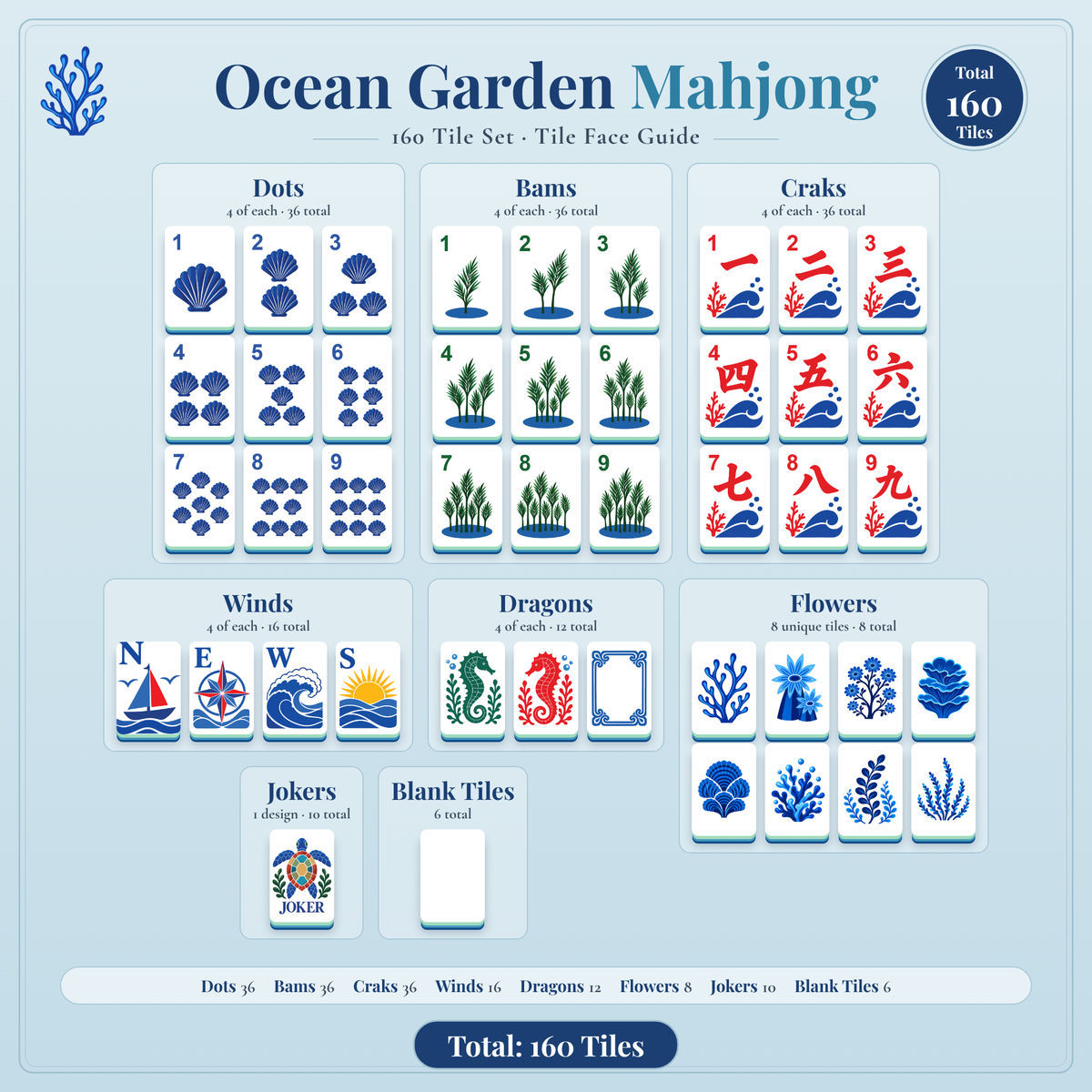
Open-play mahjong in Palm Beach happens year-round at community centers, public libraries, synagogues, country clubs, and casual meetup groups—search your city's parks-and-recreation website, call the main branch library, or ask at Jewish community centers and social clubs. Games typically run weekly or twice weekly, sessions last 2–4 hours, and most groups use the current National Mah Jongg League card and standard American rules (152 tiles, 8 jokers, no sequences, only pungs and kongs exposed). Entry costs vary from free casual play to nominal table fees; bring your own tiles or use the host's set. Before joining, confirm the specific house rules, whether they use jokers liberally, and the skill level so you're neither lost nor bored.
How do I find open-play mahjong games near me in Palm Beach?
Start with your city's recreation department website—many list weekly mahjong sessions at municipal centers. Call the main Palm Beach County library branch; most host daytime games or post flyers naming local clubs. Check synagogues and Jewish community centers in your area; they often run open tables on weekday afternoons. Ask at country clubs, senior centers, and arts councils. Search meetup boards and neighborhood social-media groups for casual hosts who post weekly game schedules. Visit in person: players are usually welcoming and can direct you to other venues.
🀄 Shop best-selling mahjong sets →

What's the difference between open play and tournament mahjong?
Open play is casual: no entry fee (or a small table fee), flexible house rules, mixed skill levels, and a social focus. Tournament mahjong follows strict National Mah Jongg League card standards, charged entry, ranked scoring, and timed rounds. Open play lets you chat, laugh, and replay hands; tournaments demand speed and silence. Most Palm Beach open groups use the current-year League card but are lenient with joker substitutions and pacing. If you crave structure and competition, tournaments run seasonally; for relaxed weekly fun, open play wins.
What house rules should I ask about before my first game?
Ask whether the group plays "strict League rules" or uses house modifications. Key questions: Do jokers substitute freely or only in exposed melds? Is the Charleston mandatory and how rigorous? Do they reset the wind each hand or carry it? What's the payment—table fee, per-hand pool, or honor system? How do they handle disputes on the card or tile counts? Do beginners sit with mentors? What's the player rotation when someone joins mid-session? Write these down; the host will respect your diligence and likely appreciate a careful new player over a sloppy one.
What tiles and equipment do I need to bring or expect at open play?
Most established groups have a set or two for shared use. If you bring your own, look for durable acrylic sets that survive shuffling and spill—bamboo cracks in humid Florida heat. You'll also want a sturdy mat to define the play area and keep tiles from rolling. If you play weekly, a rack with pushers makes organizing your hand faster and protects your wrist. A travel bag or case protects your set during transport between home and the venue. Some groups provide dice and scoring pads; bring a pen anyway. Never bring a cloth bag—tiles spill, get lost, and tempers flare.
Gear | Why it matters for open play | What to check |
160-tile acrylic set | Durable, no warping in humidity, survives table shuffles | Tiles click (not thud), count all 152 play tiles + spares |
Mat | Keeps tiles visible, defines boundaries, no rolling away | Rubber back grips table, felt top is soft not slippery |
Rack with pushers | Faster hand setup, less wrist strain, faster play | Fits your hand span, pushers slide smoothly |
Travel bag or case | Protects tiles from cracking, keeps set organized between games | Padded compartments, secure zippers, shoulder strap if you bike |
Dice | You or host always need two—score tracking and hand setup | Dice are 16mm or standard, not weighted |

What mistakes do new players make at open-play sessions?
Not knowing the card. Bring a laminated copy of the current National Mah Jongg League card or ask the host for one. Squinting at your phone mid-game slows everyone down. Confusing a pung with a sequence. American mahjong has no exposed chows (1-2-3 runs)—only pungs (three identical), kongs (four identical), and joker-wild melds. If you come from Chinese mahjong, this trip you up for two weeks. Joker misuse. Jokers never form a single tile or pair; they only substitute in melds. New players often try to use a joker as a fourth dot or a spare wind. Slow tile-picking. Learn to scan the wall quickly and call discard priorities confidently. Forgetting the Charleston. At the start of each hand, tiles pass three times before play begins. Ask the host to walk you through it once; after that, follow the rhythm. Ignoring the wind. The prevailing wind and your seat wind matter for scoring. Listen when the dealer announces it.
🎁 See our most-loved mahjong sets & accessories →
What should I check before I buy my own set for open play?
If you're joining a regular group, invest in one nice set that you'll use weekly. Acrylic is standard now—wood and bamboo warp, crack, and get expensive to replace. Check that the set is 160 tiles (152 play tiles plus spares), which is the universal American standard. Make sure the engraving is clear and the tiles are uniform weight so shuffling is fair. Inspect the jokers; a 160-tile set includes extras for spares. If you travel to different venues, add a protective bag. If you host a game at home, pair your set with a mat and maybe racks for guests. A mat also doubles as a tablecloth that hides a worn table. Don't cheap out on dice or a scoring pad—they wear out fast.
✨ Find your Mahstead set — free US shipping →
What to Check Before You Buy
Tile count: Must be 160 tiles total (152 play + spares). Never buy a set with fewer.
Material: Acrylic is durable in Florida humidity; avoid bamboo unless you store it climate-controlled.
Engraving clarity: Symbols must be legible after shuffling; faded tiles confuse players and slow the game.
Joker count: Verify spares are included; you need eight jokers for a game of four.
Weight & balance: Shuffle a demo set or watch a video; tiles should move smoothly without sticking.
Case or bag: If playing at multiple venues, a padded bag prevents cracks and keeps tiles organized.

FAQ
Do I need to own a mahjong set to play open games in Palm Beach?
No. Most established groups have a set or share one. New players often use the host's tiles for their first 2–3 sessions. If you join a regular weekly game, owning your own set becomes convenient after a few months.
What's the typical cost to join an open-play session?
Costs range from free casual play at libraries to modest table fees (a few dollars) at private clubs. Some groups pool entry fees into a prize pot. Ask before you arrive; most welcome new players without a fee on day one.
How long does a mahjong game take at open play?
One hand takes 10–20 minutes depending on skill level. Most open-play sessions last 2–4 hours, so you'll play 6–15 hands per outing. Casual groups break for chat and snacks; competitive groups play faster.
Should I learn the League card before showing up?
Yes. Download the current year's National Mah Jongg League card, study a few sample hands, and read how to read the card guide. You don't need to memorize it, but understanding the layout prevents you from looking lost and speeds your turns.
What if I've played Chinese or Hong Kong mahjong—will the rules confuse me?
Yes, initially. American mahjong has no sequences (chows), uses only one deck per game, and relies on a card of legal hands. If you know Chinese rules, set that aside for your first month. The pacing and hand construction are very different. Ask a mentor to sit with you for the first 2–3 hands.
Can I bring my own tiles to an established open-play group?
Absolutely. Most hosts welcome players who bring personal sets. Keep your set in a protective bag and store it at the venue between sessions if you play weekly. Make sure your tiles are in good condition—cracked or mismatched tiles slow the game and frustrate other players.


View More
View More
View More
