
Mahjong Classes for Beginners in Las Vegas: Where to Learn & What You'll Need
Last updated: Nov 23, 2026
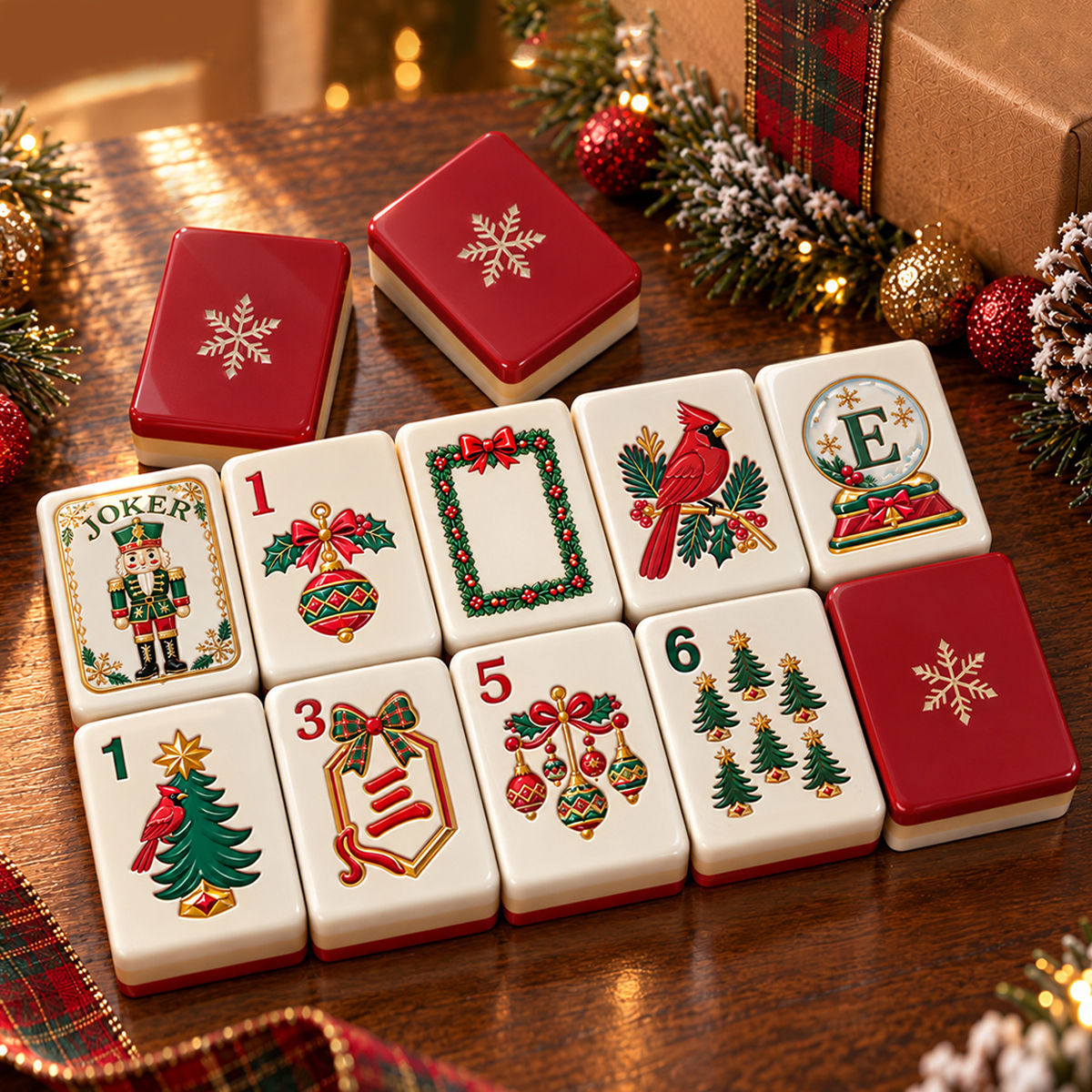
Las Vegas beginners can find mahjong instruction through community centers (search your local parks & recreation departments), synagogues (which often host weekly games and lessons), libraries hosting game nights, and private instructors advertising on meetup boards or Facebook groups. Most beginner classes run 4–8 weeks, meeting once or twice weekly for 2–3 hours; some instructors offer drop-in sessions. Classes typically cover tile recognition, the National Mah Jongg League card (updated yearly), hand patterns, the Charleston tile exchange, and basic scoring. Cost varies by instructor and format. Avoid classes that skip the official NMJL card or promise "quick mastery"—American mahjong has real depth, and solid fundamentals prevent frustration later. Bring a notebook and set your expectation: you'll handle 152 tiles, learn 40+ hand types, and play with real players within weeks, not days.
Where exactly do Las Vegas beginners find mahjong instruction?
Las Vegas has multiple entry points: search your city's Parks & Recreation website for "mahjong" or "tile games" under adult programs—most offer seasonal beginner sessions taught by certified instructors in community center studios. Libraries throughout the metro area frequently host game clubs or can connect you to local groups; call the reference desk directly. Synagogues and Jewish community centers often welcome newcomers to weekly games; email their events coordinator to ask about beginner nights or lessons. Private Facebook groups and Meetup.com pages for "Las Vegas mahjong" or "Las Vegas game groups" list instructors, club schedules, and drop-in games with ratings and contact info.
🀄 Shop best-selling mahjong sets →

What happens in a typical beginner mahjong class?
A beginner session runs 2–3 hours and covers four core zones. First, your instructor teaches the 152-tile anatomy: three suits (Bams, Craks, Dots numbered 1–9), winds, dragons, flowers, and how jokers substitute missing tiles. Second, you decode the current year's National Mah Jongg League card—the rulebook that governs hand combinations; instructors focus on reading sections and recognizing patterns rather than memorizing every hand. Third, you practice the Charleston, the tile-passing ritual before each game, and learn how to set your rack and read your hand. Fourth, you play a supervised game with experienced players sitting alongside to coach. Most classes meet weekly; beginners typically need 4–6 sessions before joining regular tables.
How do you choose between a class, a private coach, and a drop-in club?
This decision hinges on your pace, budget, and social style. Class (group setting, 6–12 players): best for learning fundamentals, meeting peers, and asking questions in a low-stakes environment—typically the most affordable option per hour. Private instructor (one-on-one or small pair): ideal if you learn faster alone, have a specific schedule conflict, or want focused coaching on hand-reading before joining a club. Drop-in club (existing players, no formal teaching): only if you've played 5+ games already and want to polish your speed and scoring—jumping in cold usually feels overwhelming. Here's a quick grid:
Format | Best For | Time Commitment | Learning Curve | Social Feel |
Weekly class | Nervous beginners, all ages | 6–10 weeks, 2–3 hrs/week | Steady, structured | Welcoming, peer-paced |
Private coach | Fast learners, tight schedule | 2–4 sessions, flexible timing | Quick, customized | One-on-one attention |
Club (drop-in) | Already-capable players | Ongoing, 3+ hrs/session | Steep, live-game pressure | Competitive, experienced |
Choose class if you're new; switch to a club after 10 real games.
What equipment do you need before your first class?
You'll need a complete American mahjong set (152 playing tiles, 8 jokers), a printed copy of the current year's National Mah Jongg League card, and paper to score. Your instructor may have spare sets, but owning your own accelerates your memory and comfort. Many best-selling mahjong sets come as 160-tile sets with engraved tile faces for clarity—easier on eyes than plain surfaces, especially if you're over 40. A rack with pushers (the wooden holder that tilts tiles upright) costs less than a movie ticket and prevents hand strain and tile-dropping accidents; crucial if you're playing 3-hour sessions. A padded travel bag protects your set if you're moving between different class locations or game venues. A mat or tablecloth reduces tile noise and protects the table—not mandatory for class, but considerate and steadies your focus. You don't need dice or a scoreboard app yet; stick to hand scoring until you've played 5 games.
🎁 See our most-loved mahjong sets & accessories →

What mistakes do beginners make in Las Vegas mahjong classes?
The top three: Skipping the official card. Some new players try to memorize hand patterns without holding the actual National Mah Jongg League card in their hand during play. The card isn't cheating—it's the law. Teach yourself to read it fluently; every class will reinforce this, so ask your instructor for a reading tutorial early. Calling or exposing incorrect combinations. American mahjong allows you to expose only pungs (three identical tiles), kongs (four identical tiles), and longer sets—never sequences like 1-2-3 or mixed numbers. Jokers can never be a single tile or a pair. Instructors catch this quickly, but understanding the rule before class means fewer red-face moments. Underestimating the Charleston. New players rush the tile pass before the hand begins, miss the rhythm, or don't track which tiles they've sent. Spend one full class session just doing the Charleston slowly with your instructor; it feels silly but saves confusion during real games. Ask your teacher to slow down and narrate every pass.
What should you expect to pay and how long before you're playing regularly?
Beginner class cost depends on your instructor and format; contact your local community center or parks department directly for current pricing. Most 4–8 week courses cost less than a month of streaming subscriptions. Private coaches charge more per hour but require fewer total sessions if you're learning quickly. After 4 weeks (4 classes), you'll recognize tiles and read basic hands. After 8 weeks, you'll play a full game without stopping, score correctly, and spot your own errors. Most players are ready to join a regular table after 10–12 games total. Don't rush this; mahjong tables welcome beginners, but showing up with solid fundamentals means you enjoy the game instead of drowning in the details.
✨ Find your Mahstead set — free US shipping →
What to check before you buy your first mahjong set
Once you've decided to keep playing (usually after your first class), buy a set you'll love using. Look for:
Tile clarity: engraved faces (not printed) hold up through years of handling and remain legible even under poor light.
Suit abbreviations: confirm the set uses standard English: Bam, Crak, Dot (not alternative spellings).
Joker count: a 160-tile American set includes eight jokers; if the listing omits the joker count, ask before buying.
Rack fit: if you buy racks with pushers, verify the set's tile size matches the rack's slot width.
Storage: measure your shelf or closet; a padded travel bag or case fits easily in a side table drawer.
Test-drive a borrowed set in your first class. If you fall in love with mahjong after week two, buy a set that matches your home décor or table style—you'll reach for it more often.

FAQ
Do Las Vegas community centers offer beginner mahjong right now?
Yes; search your local Parks & Recreation website or call the main office for fall and spring adult game classes. Availability shifts quarterly, so contact them directly for current schedules and enrollment.
Can I learn American mahjong online, then play in Las Vegas?
Partly. Online tutorials teach tile names and basic patterns, but in-person play reveals the speed, energy, and social rhythm that videos can't replicate. Take an online course first, then join a local class or club for your first real games.
What's the difference between American, Chinese, and Hong Kong mahjong?
American mahjong uses a printed card updated yearly, limits hands to those on the card, forbids sequences, and allows joker substitution. Chinese and Hong Kong variants use different tile sets, scoring systems, and hand rules. Las Vegas classes teach American mahjong unless stated otherwise.
If I buy a set before my first class, will I be wasting money?
No, but buying after week one is smarter. Many beginners quit after one session or discover they prefer playing at a club (which supplies sets). Buy once you've played twice and loved it.
How do I know if a Las Vegas instructor is legitimate?
Ask: How long have they been playing? Do they teach from the current National Mah Jongg League card? Can they explain why certain hands are not on the card? Do current students recommend them? Avoid anyone promising to teach "old-school" rules or "secret" hands.
Should I learn to play with 2–3 players before joining a 4-player table?
No. Standard American mahjong is designed for four players. If you want to learn 2–3 player variants later, that's fine, but master the core game first; the full beginner guide covers why.


View More
View More
View More
