
Mahjong Open Play in Little Rock: Where to Join & How to Start
Last updated: Nov 23, 2026
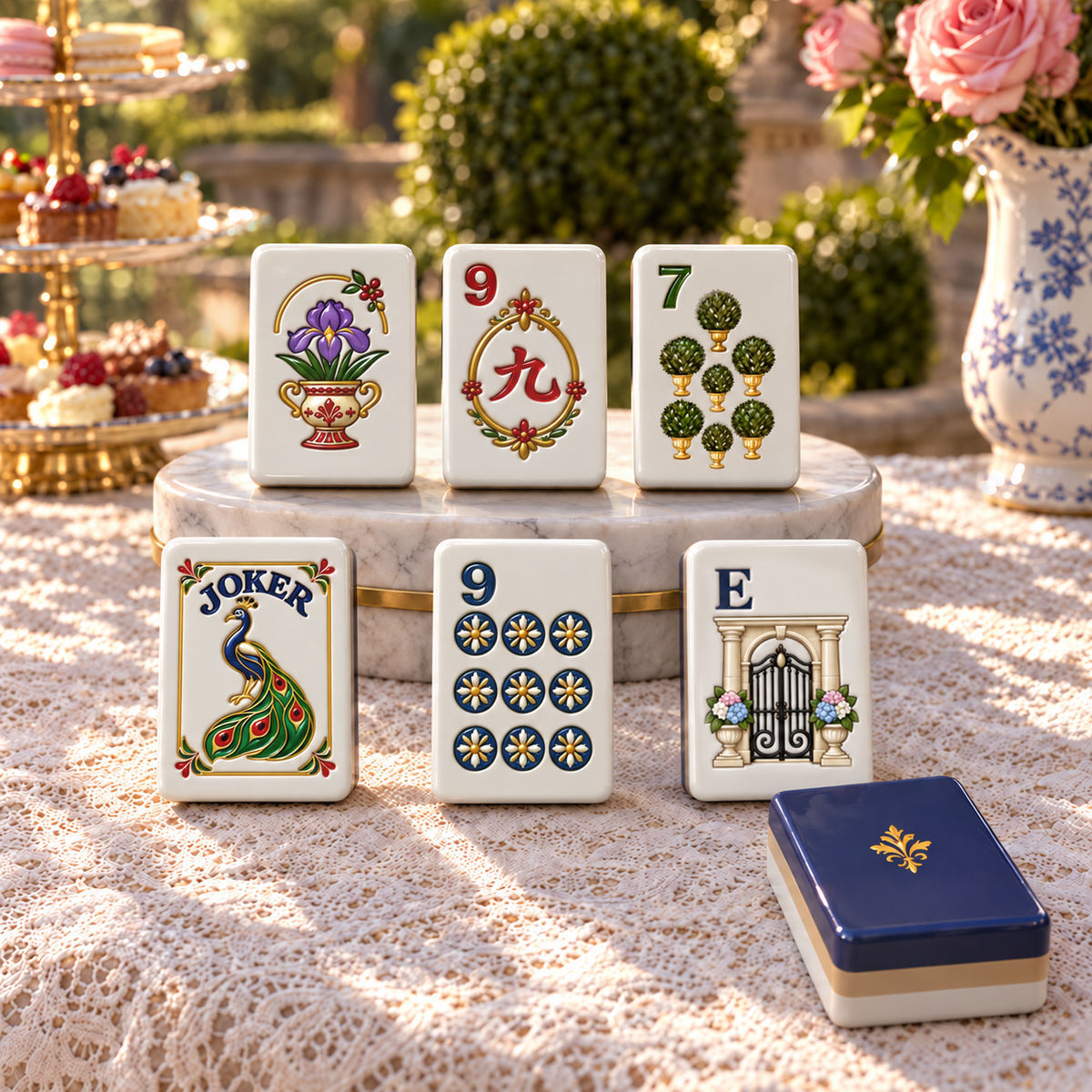
Open play mahjong in Little Rock happens at community centers, public libraries, country clubs, and synagogues—check their bulletin boards, websites, or call ahead to ask about weekly American mahjong games. Most games run on a fixed night (often Thursday or Sunday afternoon) and welcome drop-in players of all levels; games typically last 2–4 hours and cost nothing or a small voluntary pot split among winners. Before joining, learn basic rules: you'll need a working knowledge of how American mahjong works, the four-player structure, and how to read the current year's National Mah Jongg League card. Many groups supply sets, but bringing your own lets you play with tiles you know; check Mahstead's best-selling mahjong sets collection for durable acrylic options suited to casual weekly tables.
How do I find open play mahjong groups in Little Rock?
Start by contacting your local community center or parks-and-recreation office—most cities maintain a calendar of club meeting times. Call the main library branch and ask the community services desk whether mahjong meets there; many libraries host standing game days. Check nearby synagogues or Jewish community centers: they typically host mahjong nights and welcome newcomers. Country clubs often have mahjong committees; if you know a member, ask them about invitations. Search community meetup boards, Facebook groups ("Little Rock mahjong," "Arkansas game night"), or ask at local card shops whether they know regular players who host open tables.

What are the basic rules I need to know before showing up?
American mahjong uses 152 tiles across four players, a yearly card that dictates winning hand patterns, and a tile-passing ritual called the Charleston before each round begins. You build hands from melds (exposed groups of three or more matching tiles or jokers), draw and discard in turn, and win by completing a pattern from the season's card. Jokers can substitute for any tile in a group but never count as single tiles or pairs. The hand is all-or-nothing: incomplete hands score zero. Learn the Charleston ritual and tile-passing strategy so you aren't caught off guard in your first game; most players explain it kindly, but showing up prepared saves embarrassment and keeps the game flowing.
What's the difference between open play and league-sanctioned games?
Open play is casual, house-rule friendly, and cost-free or low-stakes—you set your own scoring system and decide whether to use standard rules or local variants. League-sanctioned games (run by National Mah Jongg League affiliates) follow strict American rules, use the official card, and charge a small membership fee to support the organization. Open play suits beginners because there's no pressure and mistakes become teaching moments. If you love the game, many Little Rock players graduate to league play later for ranked scoring and tournament access. Either way, you're playing the same core game.

What equipment should I bring to open play?
Most established groups provide sets, but bringing your own is smart if you've invested in a quality set—you'll play faster because you're used to your tiles' weight and layout. Bring a notepad and pencil for scoring; most groups use a standard scorecard template. If the group uses house rules or variant scoring, ask the host beforehand. A durable acrylic set from Mahstead's collection survives years of weekly play and shuffling without chipping, which is why casual players often choose acrylic over bone-and-bamboo for open-table settings. Don't worry about a rack or mat at first—use the table edge—but if you play regularly, a rack with pushers helps you organize your hand and speeds up turns.
🀄 Shop best-selling mahjong sets →
How do I prepare for my first game and avoid common mistakes?
Read the National Mah Jongg League card before you arrive so the hand patterns aren't a total surprise. Understand that jokers work as wild tiles in groups but have strict limits: you can't use them as single tiles or pairs, and once exposed in a pung (three of a kind), they're locked in. Avoid picking up discarded tiles carelessly—always wait to be called before claiming a tile, and make sure you can complete your hand before claiming. Never count someone else's hand out loud or hint at what they need. Admit if you don't understand a rule instead of guessing; every table has house variations, and asking saves time and hard feelings. Most groups are patient with rookies as long as you listen, stay engaged, and play at a reasonable pace.
Beginner Mistake | What Happens | How to Avoid It |
Picking tiles out of turn | Hand is invalid; play stops | Wait for the host to pass tiles or call officially |
Using a joker as a single or pair | Hand is illegal; you lose the hand | Remember: jokers only work in groups of 3+ tiles |
Claiming a tile incorrectly | You may be forced to keep it or forfeit | Ask the group "May I claim?" and state your group clearly |
Not reading the card before the hand | You won't recognize winning patterns | Study the current year's card for 10 minutes beforehand |
Playing too slowly or talking out of turn | The game bogs down; players get frustrated | Keep your hand organized; take turns without side chatter |
🎁 See our most-loved mahjong sets & accessories →
What should I check before buying a set for regular open play?
If you decide to invest in your own set after a few weeks, verify the tile count: you need exactly 152 tiles for standard American play (never fewer, never more than the spares). Check that all four suits—Bams, Craks, Dots, and winds—are present and complete. Acrylic is the smart choice for open tables because tiles stay fresh-looking after years of shuffling and rarely crack from accidental drops. Make sure the set fits in a bag you can carry to the table; most players keep a lightweight, easy-to-transport bag so they're not fumbling with loose tiles. Verify that the tiles have clear markings—worn or faded tiles slow play and frustrate neighbors.
✨ Find your Mahstead set — free US shipping →
What to check before you buy:
Tile count: 152 tiles exactly (plus spare jokers in a 160-tile set)
Completeness: All three suits, winds, dragons, flowers, jokers present
Material: Acrylic withstands weekly handling better than other materials
Readability: Symbols and numbers are clear and won't fade with use
Portability: Fits snugly in a bag and isn't too heavy to carry
Feel in hand: Visit a local game if possible to see whether you like acrylic tile weight and thickness
Start by visiting open play once as an observer or silent player, then commit to two or three weeks before deciding to buy a set. You'll learn the house rules, meet regulars who'll teach you faster, and feel confident that you're ready to invest.

FAQ
Do I need to know how to play before joining open play in Little Rock?
No—most groups welcome complete beginners. Arrive early, watch a hand, and tell the host you're new. Players will explain the Charleston and basic rules as you play. Practice a few hands as an observer first if you're nervous.
What's the cost of joining open play?
Most open play is free or runs a small optional pot split (usually among the three highest scorers). Some games are social only with no money. Ask the host beforehand about any house fees or scorekeeping system.
Can I use any mahjong set I find online, or does it have to be American?
Open play in Little Rock specifically uses American mahjong rules and sets with 152 tiles. Chinese, Hong Kong, or Riichi sets won't work because the tile inventory and hand patterns are completely different.
Should I bring my own set or let the group supply tiles?
Beginners should play with the group's set first—you'll learn the tile distribution and weight before investing. After three to five weeks of regular play, buying your own set makes sense if you're hooked.
What's the typical time commitment for a session?
Most sessions run 2–4 hours (usually four or five hands). Arrive on time and let the host know if you need to leave early; they'll finish the current round before you go.
Is there a difference between American mahjong and the other types I see online?
Yes—American mahjong has unique rules, a yearly card, and no sequences; other variants use different tile counts and patterns. Little Rock open play groups use American rules exclusively, so that's what you should learn.


View More
View More
View More
