
Mahjong Open Play in Kansas City: Where to Find Games & Start Playing
Last updated: Nov 23, 2026
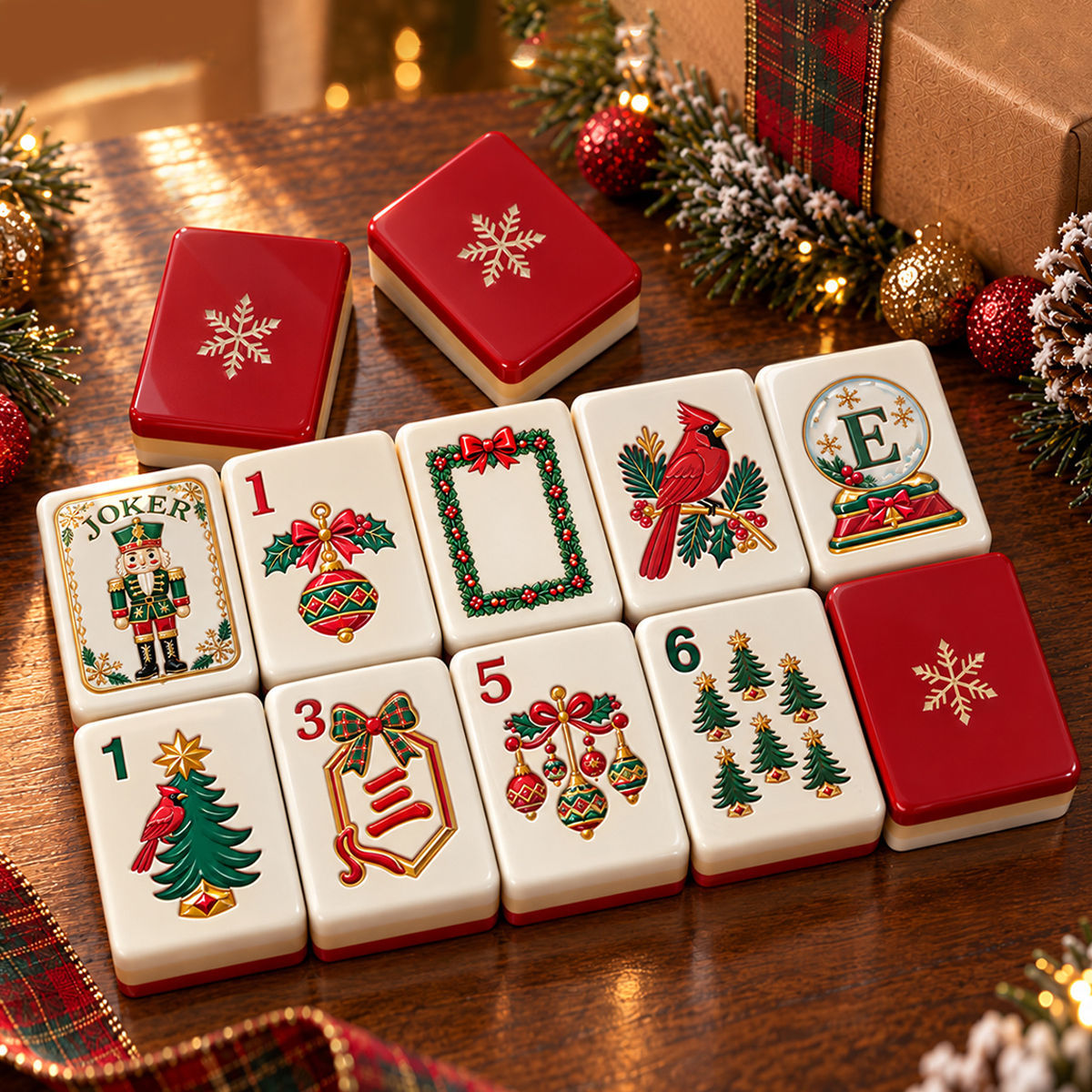
Open-play mahjong in Kansas City happens weekly at community centers, public libraries, and private clubs scattered across the metro area. Games typically run in afternoon or evening slots, last 2–3 hours, and charge little to nothing for drop-in players. To find a game: call your local library or community center, check social media meetup groups (especially Facebook community boards and Meetup.com), ask at country clubs or senior centers, and network through synagogues or Jewish community organizations. Most Kansas City groups play American mahjong using the current National Mah Jongg League card; bring a set if you own one or share one at the table. Beginners are welcome. If you don't have equipment yet, a best-selling acrylic set with a mat makes your first session smoother. Before attending, confirm the game time, address, cost, skill level expected, and whether you should bring your own set or if communal tiles are provided.
How do I find a mahjong game in Kansas City right now?
Start with three phone calls: your neighborhood community center, the nearest public library branch, and any country club or senior center in your area. Many KC facilities post weekly game schedules online or have a activities bulletin board. Social media is faster: join local Facebook groups with keywords like "Kansas City mahjong," "KC games," or "community activities." Meetup.com also lists hobby groups by zip code. Synagogues and Jewish community centers often host games; a quick search or call can connect you. Ask the organizer directly whether drop-ins are welcome, if they provide tiles or you bring your own, and the exact start time.

What's the typical format of open-play sessions in KC?
Most open-play groups in Kansas City meet for 2–3 hours, usually weekly or twice weekly. Games follow American mahjong rules with the current National Mah Jongg League card. Table play runs in a standard four-player format: players sit opposite one another, each draws from a wall of 152 tiles, and hands come from the annual card lineup. A session might include 2–4 games depending on how long each hand takes (typically 20–45 minutes per game). Players often rotate table positions between games. Payment is typically nothing or a small entry fee (split the winner's pot, or play for fun without stakes). Beginners are usually accommodated; experienced players teach hand-reading and strategy between games.
What should I bring to my first open-play session?
Bring your National Mah Jongg League card for the current year (2026). If you don't have one yet, ask the host which card year is in use and order it ahead, or ask to share another player's card at the table. Bring a pen or small notebook to track scoring. If you own a mahjong set, bring it—many players enjoy their own tiles. If you don't own a set yet, the host will typically provide communal tiles. Wear comfortable clothes; you'll sit for 2–3 hours. Bring a small snack or drink if permitted. If you're unsure about any rule, arrive 15 minutes early to introduce yourself and ask questions; experienced players enjoy helping newcomers learn.
Item | Why It Helps | Bring It? |
2026 National Mah Jongg League card | Only way to know legal hands that year | Yes, required |
Your own mahjong set | Faster setup, familiar feel, no sharing confusion | Optional (hosts often provide) |
Pen & scorepad | Track points and learn faster | Recommended |
Cushion or coat | Long sit; extra comfort matters | Optional |
Snack or water | Fuel a 2–3 hour session | Optional |
Phone with photos of card rules | Backup if shared card is unclear | Optional |
🀄 Shop best-selling mahjong sets →
What American mahjong rules should I know before I attend?
American mahjong uses 152 tiles in four suits and symbols: Bams (sticks), Craks (characters), Dots, Winds, Dragons, Flowers, and Jokers. Hands come only from the current National Mah Jongg League card; you cannot make your own combinations. You win by being the first to "meld" (expose) or declare a hand that matches the card, using exposed sets called pungs (three identical tiles), kongs (four), and jokers as wild cards. Jokers cannot form a single tile, cannot be used in a pair, and cannot stand alone. The Charleston—a pre-game tile-passing ritual—sets up the game fairly. If you're new to how to play American mahjong, watch a tutorial video or ask the host to teach you before your first game; most groups run a quick refresher round. Knowing what's in an American mahjong set and how the Charleston works will speed your confidence.

Should I invest in my own mahjong set before joining a KC game?
Yes, if you plan to play regularly (more than once a month) or want to host friends. A personal set costs less than a few game sessions and lets you practice at home. You control the quality, appearance, and whether tiles are comfortable for your hands. Shared communal sets can be loud, sticky, or missing pieces. If you're just trying open play once or twice to test your interest, start by sharing the host's set. But once you're committed, owning a best-selling set means you can bring it anywhere, host your own games, and enjoy custom designs or engravings. A durable mat and a rack with pushers make setup fast and keep the game organized—worth the investment if you're joining a regular group.
🎁 See our most-loved mahjong sets & accessories →
What mistakes do first-time open-play players make?
New players often forget their League card or show up late without confirming the address. Some don't read the card before the game starts and fall behind hand-recognition speed. Others assume house rules differ from League rules—they don't. A common error: thinking jokers are flexible everywhere (they're not in pairs or singles). Many beginners panic when they don't win the first game; remember that American mahjong is skill and luck, and pattern recognition improves with exposure. Don't assume you can bring a partner to an open-play session without asking first; some groups have strict four-player limits. Arrive 10–15 minutes early to confirm the rules, table, and format. Ask questions before the Charleston begins, not mid-game.
What to check before you buy equipment:
Set durability: Look for acrylic sets with thick, smooth tiles that won't wear out after 20 games.
Joker count: Your set must include 8 jokers for American play (152 tiles + spare jokers are standard).
Tile readability: Ensure suit markings and numbers are clear under table lighting.
Mat fit: Confirm your mat works with the table size at your Kansas City venue.
Bag practicality: If you'll carry your set weekly, choose a bag with a handle and padded compartments.
✨ Find your Mahstead set — free US shipping →
Where to continue learning before your first game
The mahjong for beginners guide walks through fundamentals step-by-step. If you're unfamiliar with how jokers work or how to read the mahjong card, spend 20 minutes on those pages. Watch the host or experienced players during your first game; don't hesitate to ask for a rule clarification. Most Kansas City groups are warm and love teaching newcomers. Bring a set you're proud of—it makes the table feel more like home, and good equipment helps you focus on learning the game instead of fighting unclear tiles.

FAQ
Do I need to own a mahjong set to play open-play in Kansas City?
No. Most open-play groups provide communal sets. However, owning your own makes sessions faster, more enjoyable, and lets you practice at home. Once you're a regular, a personal set is worth the investment.
What is the 2026 National Mah Jongg League card and where do I get it?
It's the annual reference listing all legal American mahjong hands for 2026. Buy it from the NMJL website or many mahjong retailers before your first game. Ask the host which year's card they use (usually the current year).
Can I play mahjong in Kansas City if I've never played before?
Yes. Open-play groups actively welcome beginners. Arrive early, introduce yourself, ask for a quick rules refresher, and learn by watching and playing. Most players enjoy helping newcomers.
What's the difference between American mahjong and other types (Chinese, Hong Kong)?
American mahjong restricts hands to the annual League card; you can't invent combinations. It uses jokers as wild cards and specific tile counts. Chinese and Hong Kong variants use different tile counts and hand rules. Kansas City open-play groups almost always use American rules.
How much does it cost to join an open-play session in Kansas City?
Most groups charge nothing or a small entry fee (often split among winners or donated to the venue). Call ahead to confirm costs. Some play for fun with no stakes.
What should I do if I make a rule mistake during play?
Stop and ask the table. Experienced players are happy to clarify. Most groups reset the hand if a major error happens early. Mistakes are part of learning; no one minds.
How long does one game of American mahjong take?
Typically 20–45 minutes per hand, depending on player speed and how many jokers are used. A session lasts 2–3 hours and often includes 2–4 full games.
Do I need to bring my own mahjong mat to an open-play session?
No. The host usually provides a table or mat. But if you own a mat, bringing it ensures a familiar playing surface and faster setup.


View More
View More
View More
