
Mahjong Tournaments in Atlanta: Where to Play & How to Get Ready
Last updated: Nov 23, 2026
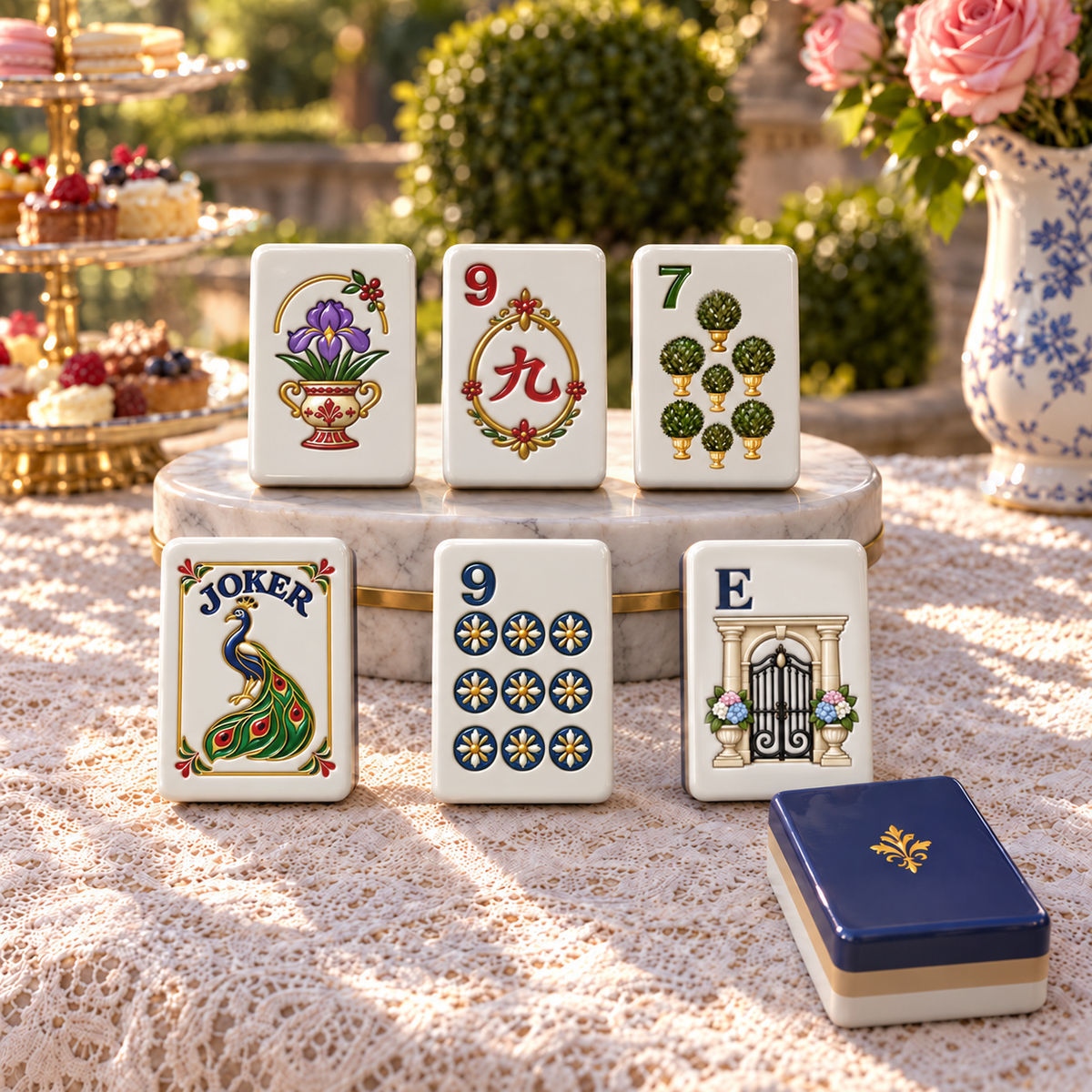
Atlanta mahjong tournaments are hosted year-round at community centers, synagogues, country clubs, and libraries across the metro area — search local recreation departments and Meetup boards to find current schedules. Most tournaments follow National Mah Jongg League (NMJL) American mahjong rules and use the current year's official card. Entry fees typically range from casual play (no cost) to organized tournaments. Players should confirm the format (American vs. Chinese variants), whether sets and mats are provided, and registration deadlines. Bring your own equipment if you prefer consistency; many tournament players use engraved acrylic sets and padded mats for comfort during multi-hour events. Contact local synagogue boards, senior centers, and meetup organizers for upcoming schedules and skill levels accepted. 🀄 Shop best-selling mahjong sets →
How do I find mahjong tournaments near Atlanta?
Start with community centers in your neighborhood — most parks and recreation departments list weekly and monthly game schedules online. Search your city's name plus "mahjong" on Meetup.com, Facebook community groups, and Nextdoor. Synagogues often host tournaments open to the public; call or visit their websites. Country clubs frequently run tournaments for members and sometimes guests. Senior centers are reliable year-round sources. Ask at local game stores or call libraries; staff can direct you to active groups and upcoming competitions.

What's the difference between casual games and tournament play?
Casual games have no entry fee, flexible start times, and relaxed scoring — you might play one hand for fun. Tournaments run on a schedule, follow strict rules, cap scoring disputes, use official NMJL cards for that year, and charge entry fees that fund prizes or venue costs. Tournament players rotate opponents, play timed rounds, and post results. Casual games let you learn; tournaments test skill and offer community recognition. Most Atlanta clubs run a mix of both, so beginners can graduate from open play to competitive brackets at their own pace.
What rules do Atlanta tournaments follow?
Nearly all Atlanta mahjong tournaments use American mahjong rules per the National Mah Jongg League, which means hands must match the current year's official card, no sequences (chows) are allowed, and jokers have strict rules — they cannot form a single tile or a pair. The Charleston tile-pass happens before each hand. A game uses 152 tiles and 8 jokers. Confirm your tournament uses American rules; some groups also play Chinese or Hong Kong variants, which have different hand patterns and rules. Check with the organizer before entering an unfamiliar event.
What should I bring to a tournament?
Bring your NMJL card for the current year (printed or digital copy), a pen, and a notepad for scoring. If the venue doesn't provide sets and mats, bring your own — many tournament players prefer consistent equipment. A personal acrylic set and padded mat let you play comfortably for hours. Wear layers; tournament rooms vary in temperature. Bring water and snacks if allowed. A dice cup and pushers make play smoother, especially if you're rotating among players you've never met. Arrive early to verify the format, hand out your contact info, and get comfortable at the table before play starts.

How do I prepare my equipment for tournament play?
Tournament players need reliable, durable tiles that shuffle and sort cleanly. Acrylic American mahjong sets from our best-selling collection stay bright and organized through hours of play without chipping or dulling. Choose a padded mat that fits your table — most tournament tables are 2.5–3 feet square, so measure first. Add a pair of racks with pushers to sort your hand quickly and reduce fumbling; organized hands win games. If you play multiple events a month, invest in a sturdy travel bag or case so your set survives transport without cracking or losing tiles. Clean your tiles before tournament day — a soft cloth and no water keeps acrylic pristine.
🎁 See our most-loved mahjong sets & accessories →
Equipment Comparison: What Tournament Players Actually Need vs. Casual Home Play
Item | Casual Home Play | Tournament Play | Why It Matters |
Tile Set | Plastic or bamboo, any year | Acrylic, bright colors, 160-tile (152 play) | Tournament tiles must sort consistently and survive 4+ hours of play without chips. |
Mat | Cloth or foldable card table | Padded, fitted, non-slip base | Quiet, stable play reduces errors and arm fatigue during multi-round events. |
Racks | Optional, often skip | Racks with pushers | Faster hand organization = quicker play, fewer accusations of slow hand-building. |
Case or Bag | Kitchen box or closet storage | Reinforced travel bag | Equipment damage during transport loses games; serious players protect their sets. |
Dice & Pushers | Any generic dice | Tournament-standard pushers + dice | Uniform tools prevent disputes over seating and tile claims. |
Current Year Card | Last year's card okay for fun | Must have current NMJL card | Hands expire after spring; old cards disqualify you from organized tournaments. |
✨ Find your Mahstead set — free US shipping →
What to Check Before You Enter Your First Tournament
Confirm the variant: Ask if the tournament plays American mahjong (152 tiles, current-year NMJL card, no chows). Chinese, Hong Kong, and Riichi mahjong have entirely different rules; don't assume.
Verify what's provided: Does the venue supply sets, mats, and cards, or do you bring your own? If you bring yours, confirm tile count — American tournaments use exactly 152 tiles plus 8 jokers.
Check entry fees and skill level: Some tournaments are beginner-only; others mix all levels. Fees typically cover venue rental and sometimes a light snack or prize pool.
Ask about scoring method: Confirm whether you're playing for fun (no money) or points-only, and how ties are broken. This affects strategy and lets you play confidently.
Arrive 15 minutes early: Chat with organizers, learn the table rotation system, and get your hand-building rhythm in place before the first wall is built.
Next Steps: Build Your Tournament-Ready Set
If you're new to competitive mahjong, start by attending casual games at community centers or meetup groups — no entry fee, no pressure, just learning. Once you know American rules, play a few open tournaments to build confidence. Invest in a quality set and mat only after you've decided tournament play fits your schedule; one good acrylic set and a padded mat last years. Many players add personalized or engraved sets as their skill grows — a keepsake that marks their tournament journey.
Tournament play in Atlanta is welcoming and well-organized. Find your first group this month, bring the curiosity you'd bring to any new hobby, and let the community teach you. You'll meet players who've been at it for decades and newcomers just starting — mahjong levels that divide by skill, not age or background.

FAQ
Do I need to own a mahjong set to play in Atlanta tournaments?
No. Most community centers and organized tournaments provide sets and mats. However, bringing your own ensures consistency and comfort, especially if you play multiple tournaments per month.
Can I play Chinese mahjong in Atlanta tournaments?
Yes, some clubs run Chinese or Hong Kong mahjong nights alongside American tournaments. Always confirm the ruleset with the organizer before entering — rules differ drastically between variants.
What does the current-year NMJL card cost and where do I get it?
The National Mah Jongg League card is published each spring and sold at most tournament venues or online through game retailers. Ask your tournament organizer how to purchase one for your skill level.
How often do Atlanta tournaments run?
Community centers typically host weekly casual games and monthly tournaments. Synagogues and country clubs run seasonal or bi-weekly events. Search your neighborhood's parks department website or Meetup to find schedules near you.
Is mahjong tournament play expensive?
Entry fees for casual play are zero; organized tournaments charge modest fees (contact local venues for current rates) that cover the space and often prizes or refreshments. Equipment is a one-time investment if you choose to buy your own.
What happens if I don't know how to play American mahjong yet?
Attend beginner-friendly games at community centers or start with our guide to how to play American mahjong. Most Atlanta clubs welcome new players and pair them with experienced ones during casual rounds before any tournament play.


View More
View More
View More
