
Mahjong Open Play in Hoboken: Where to Join & How to Start
Last updated: Nov 23, 2026
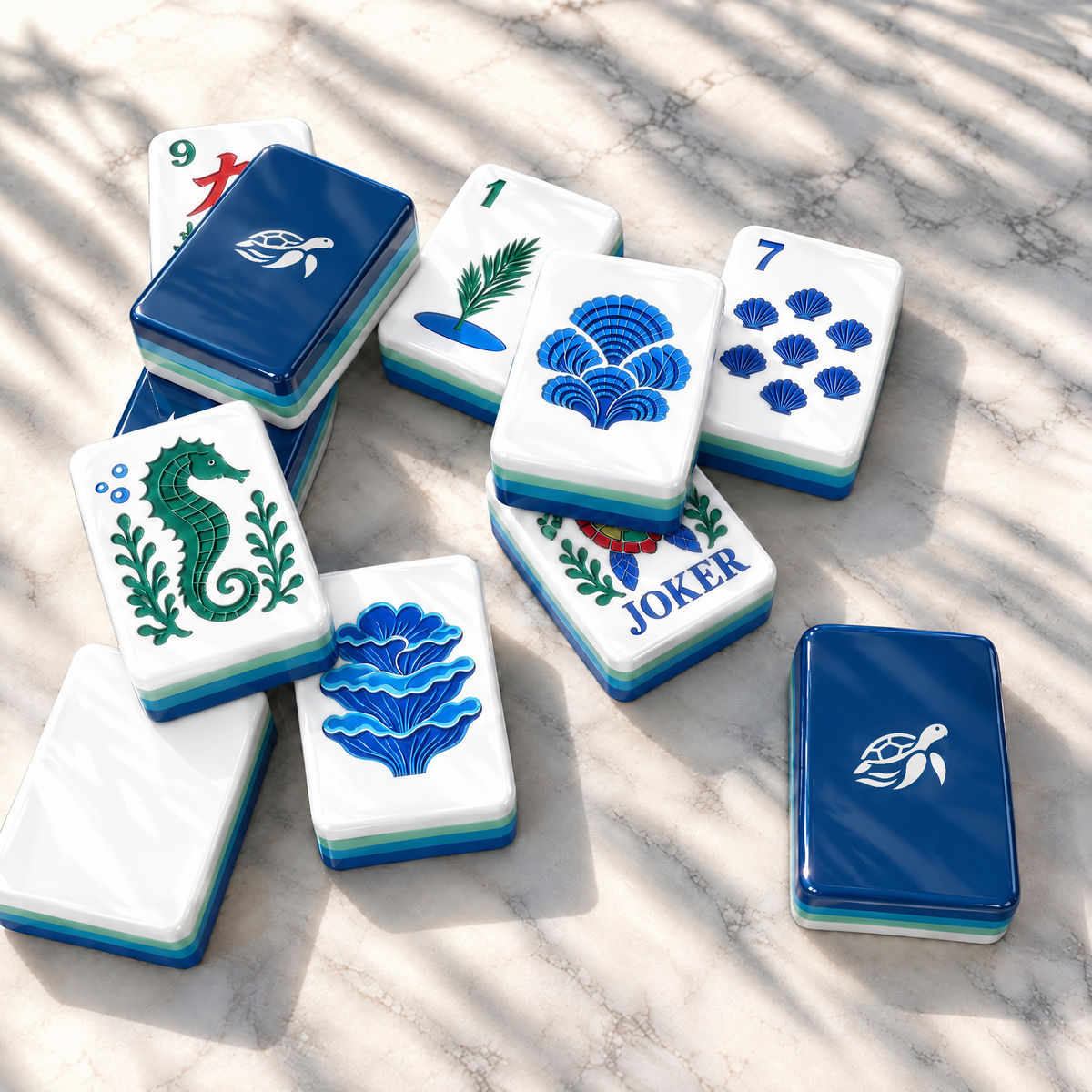
Open mahjong play in Hoboken happens in community centers, libraries, senior centers, and private homes through word-of-mouth or meetup groups. Most games follow American mahjong rules using the current National Mah Jongg League card (issued each spring). A typical game lasts 2–4 hours with four players, costs nothing to a few dollars per hand (optional scoring), and requires only a standard 160-tile set with mat, rack, and dice. To find games: check local Facebook groups for "Hoboken mahjong," ask at libraries or community centers about bulletin boards, visit senior centers and synagogues (both common hosts), or search Meetup for regional mahjong clubs that include Hudson County. Beginners should arrive 15 minutes early, bring the current year's card, and expect a brief Charleston (tile-passing warm-up) before hands begin. Mahstead's best-selling mahjong sets come with everything you need, and free US shipping means you can start playing within days.
Where do Hoboken players meet for open games?
Community centers, libraries, and senior centers host most public open play. Check your local Hoboken Recreation & Parks department website or call the community center closest to you—many have weekly or monthly mahjong programs listed in their activity catalogs. Libraries often post flyers about game groups meeting on their bulletin boards. Synagogues and Jewish community centers in the area frequently host mahjong nights, even if you're not a member. For private home games, Facebook groups devoted to Hudson County or North Jersey mahjong are the fastest route; ask in the comments thread which games welcome newcomers.

What rules do open-play groups actually use?
Nearly all recreational open-play groups in the Northeast use American mahjong, which requires the current year's National Mah Jongg League card to determine which hand patterns win. Unlike Chinese mahjong (which uses fixed sets of rules), American mahjong changes the legal hand list every spring, keeping the game fresh. You'll see players consulting the card during play—this is normal and expected. Before your first game, learn how to read the mahjong card so you can follow along. Most groups play the Charleston (a tile-passing ritual) at the start of each round, so understanding how the Charleston works will help you fit in without slowing the game down.
🀄 Shop best-selling mahjong sets →
What equipment do you need to join an open game?
You'll need a 160-tile mahjong set (includes tiles, dice, and jokers), a mat, a rack with pushers, and a copy of the current year's card. A standard American mahjong set contains exactly 152 playing tiles plus spare jokers—never add or remove tiles mid-game. A mat keeps tiles from sliding and helps you see your hand clearly; choose one 27–30 inches wide depending on your table size. Racks hold and organize your tiles so opponents can't see them, and pushers (small sticks attached to the rack) let you manage discards cleanly. Most groups don't mind if you bring your own set, and many even welcome beginners who show up without gear and borrow tiles for a game or two. However, picking your own set means you can practice at home and arrive confident—a worthwhile investment if you plan to play weekly.
How much does it cost to join open play, and what should you expect as a scoring setup?
Most open-play games in the area are entirely free to join, or players rotate paying a few dollars per hand to a small pot, with winners taking home loose change. No money is required upfront; ask when you arrive what the group's tradition is. Some groups play purely for fun with no scoring money at all. The social aspect—regulars catching up, hands flying by, chips stacking—is the real draw. Come prepared to play 8–12 hands in a 2- to 4-hour session, with breaks for snacks and conversation. If you're new, expect gentle coaching on the first hand and then full speed ahead; Hoboken players are welcoming but move fast.

What mistakes do newcomers make, and how do you avoid them?
Beginners often arrive without a current card and panic when they can't follow along; always bring that year's card or download it to your phone before game night. Second, they forget that jokers cannot be used in a single tile or a pair—jokers only fill gaps in exposed sets of three, four, five, or six identical tiles. Third, they don't study how jokers actually work, so they leave plays on the table. Fourth, they neglect to sort their tiles or rack them neatly, which slows the game and frustrates tablemates. Fifth, they skip the Charleston, which throws off the first hand's rhythm. Finally, new players often don't know that scoring in American mahjong is points-based and changes every season with the card; don't assume you understand what a hand is worth until you check the card or ask the dealer.
Mistake | Why It Stalls Play | How to Avoid It |
No current card | Can't verify winning hands | Bring printed card or phone app |
Joker misuse | Illegal plays challenged mid-round | Study joker rules before joining |
Messy tile rack | Slow discards, confusion | Sort tiles by suit & number immediately |
Skipping Charleston | Tiles unshuffled, hands feel unfair | Arrive early, ask for Charleston walkthrough |
No mat | Tiles slide, hand exposed | Borrow or bring a small mat from home |
Forgetting scoring changes yearly | Disputes over hand value | Check the card before claiming a win |
🎁 See our most-loved mahjong sets & accessories →
What if you're a complete beginner—can you really just show up?
Yes. Most Hoboken open-play groups welcome complete beginners, especially if you show respect for the game and the players' time. Arrive 20 minutes early, introduce yourself as new, and ask if anyone can walk you through the first hand. Bring the current card, even if you don't understand it yet; a regular will help you read it. Wear comfortable clothes and bring a small notebook to jot down patterns you see—this accelerates your learning. Expect your first 2–3 games to feel overwhelming; by your fifth game, the rhythm clicks. If a group feels rushed or unfriendly, try another one; Hoboken has enough casual mahjong culture that you'll find your fit. Start with our beginner guide before your first game to remove the biggest surprises.
What to check before you buy your own set
If you decide to invest in a set after your first few games:
Tile size: Standard American tiles are roughly ¾ inch square; verify the product description matches your table's space.
Weight & feel: Acrylic tiles make a satisfying snap; handle a friend's set first if possible.
Mat dimensions: Measure your play surface; a 28–30 inch mat fits most home tables.
Rack height: Choose a rack that lets you see your hand without straining; test if you can.
Joker count: A 160-tile set includes enough spare jokers for long play sessions without recycling.
Case durability: If you plan to travel to games, a padded bag or hard case protects tiles from damage.
✨ Find your Mahstead set — free US shipping →
Once you've played a few open-play sessions and understand the pace, browse Mahstead's newest arrivals or engraved title sets if you want a set with personality. If you're gifting a set to someone starting with your group, our best-selling collection offers reliable, beautiful options that arrive ready to play.

FAQ
Can I play mahjong with fewer than four players in Hoboken open games?
Most public games require exactly four players. However, many groups accommodate 2 or 3 players on request using modified rules. Ask the organizer before you arrive; some host alternate sessions for short-handed play.
Do I need to know Chinese to play American mahjong?
No. American mahjong uses English suits (Bam, Crak, Dot), numbered tiles, and winds/dragons marked in English. The card is all English. Knowing the suits helps, but you'll pick that up by game two.
What if I can't find an open game nearby—can I start my own group?
Yes. Post on local Facebook community boards or Meetup saying you're looking for players. Many Hoboken-area mahjong enthusiasts are eager to join a new regular group. Most groups meet weekly for 2–3 hours on the same evening.
Do open-play groups ever charge a table fee or membership?
Rarely. Most are completely free or use optional small hand-scoring pots. A few community centers or senior centers may charge a nominal activity fee (like any other class), but mahjong itself is not expensive to join.
How long before I'm good enough to play in an open game without feeling lost?
Most players feel competent by their fifth or sixth game. The Charleston, card reading, and tile organization become automatic within 2–3 weeks of weekly play. Don't worry about "skill"—open play is social, and speed and strategy develop naturally.
Should I bring my own set to my first game, or is it okay to just borrow tiles?
Either is fine. Borrowing lets you try before investing. Many groups keep a spare set on hand. Once you decide to play regularly, owning your own set builds confidence and lets you host games at home.


View More
View More
View More
