
Cantonese Mahjong Tournament Rules: A Player's Guide
Last updated: Nov 23, 2026
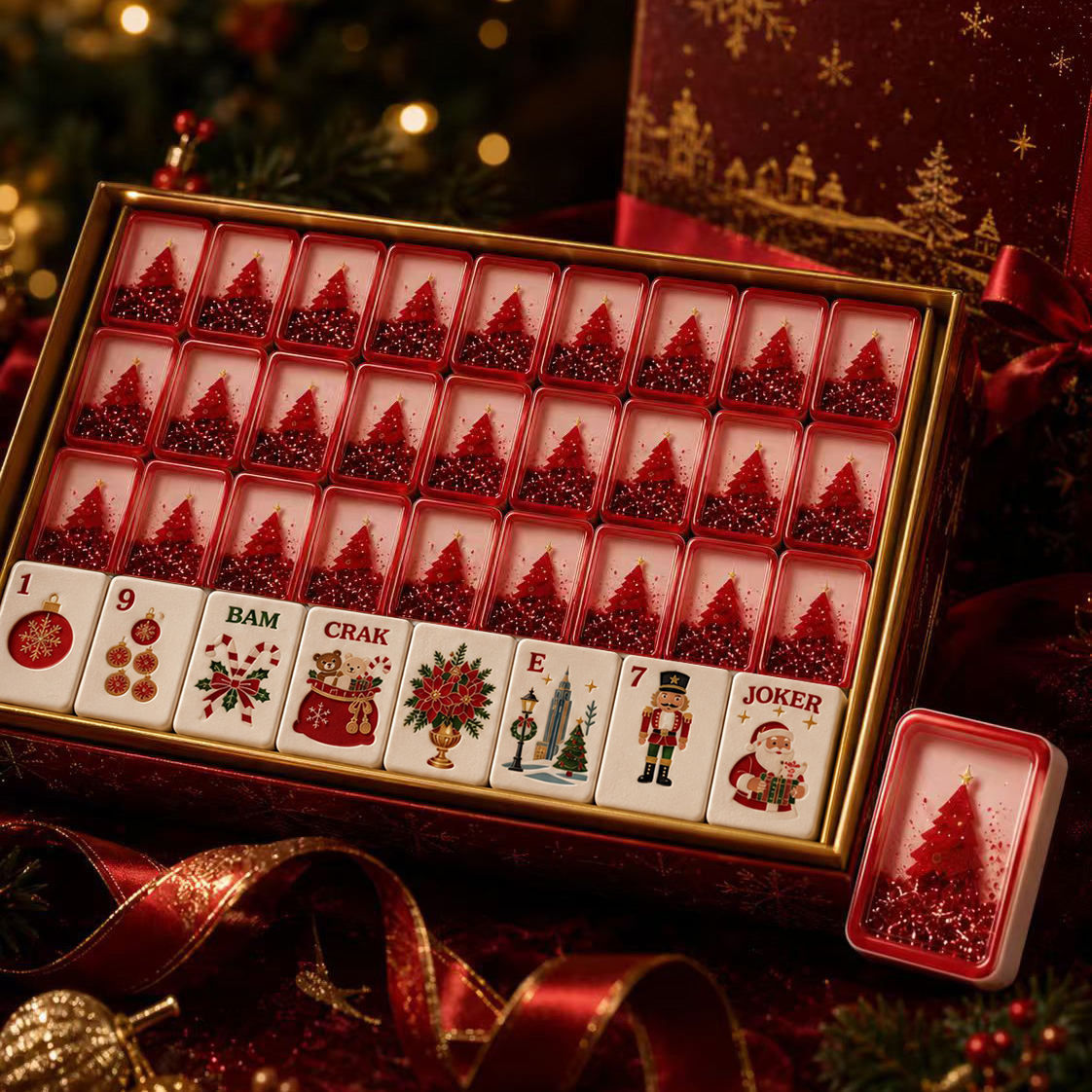
Cantonese mahjong tournaments are the high-speed, high-stakes sibling of American play. If you've only played American mahjong—with its card, jokers, and no sequences—Cantonese will feel like learning a new language. We've sat across tables where a player's hand locked in three seconds, where nobody consulted a reference card, and where settlement happened instantly. Tournament rules exist to make that chaos fair.
What is a Cantonese mahjong tournament, and how long does it take?
A Cantonese tournament is a structured competition where four players compete in fixed seating over multiple games, each lasting 15–30 minutes, with scoring totals calculated at the end of each session. A standard tournament day runs 4–6 hours; a weekend tournament spans Friday evening through Sunday, with morning and afternoon sessions. Players enter individually or as teams, and prizes are awarded by points or cash settlement. The format is stricter than a casual game: call order is enforced, discard timing is watched, and house rules are posted at the table before play begins.

How do Cantonese tournament seats and winds work?
Wind assignments (East, South, West, North) determine rotation order: East is the dealer and plays first; players rotate counter-clockwise after each game. A wind draw at the start of the session assigns initial seats randomly. In a multi-day tournament, players may be re-drawn by standings or kept in a "ladder" format where winners move to higher tables. Each player keeps their wind for a complete "round" (typically four games), then winds rotate. East player leads the discard, collects the first draw, and receives payment if any player goes out on their own tile.
What are the main scoring and payment differences from American mahjong?
Cantonese tournaments use "faan" (multipliers) and base-point systems rather than hand matching. Every winning hand is scored by its component parts: winning type (self-drawn vs. discard), melding patterns, terminal/honor presence, and bonus combinations. Payouts are calculated per hand, not per game. A hand worth 3 faan might pay 3× base; a hand with 5 or more faan often "doubles" (pays double the base from all players or only the discarder, per house rules). There is no "all pass" or joker substitution. Settlement happens immediately: the loser pays the winner, or all three non-winners each pay the winner. This means four players rarely end a session with the same score; winners and losers are clear at every hand.
What are the rule differences—chows, melding, and call restrictions?
The most shocking difference for American players: chows (sequences of three consecutive numbers in the same suit) are allowed and can be called from the discard. A player can declare Pung (triplet), Kong (quartet), Chow, or—in some tournaments—Quint if visible on the table. When a tile is discarded, the next player in rotation (not the player with priority) can claim it. If multiple claims exist, Pung beats Chow, Kong beats Pung. Concealed Kong (four identical tiles drawn fresh) is scored higher than exposed Kong. Dead melts (already laid on the table) must remain exposed; no jokers can substitute for missing tiles. House rules vary on whether certain "honor" combinations (dragons or winds) can form chows; confirm this before play.
What timing and declaration rules do tournaments enforce?
Tournament play enforces a draw-discard cycle: you draw, you must discard within 15–30 seconds (some venues use a timer). Claiming a discard (calling Chow, Pung, Kong, or Win) must happen before the next player draws; if you miss the window, the tile is dead. A player cannot "bury" a tile back into the wall; every discard is visible. Declaring a winning hand must happen immediately; "false win" (claiming win when the hand is invalid) carries penalties. Many tournaments require a player to announce a near-win condition: if you're one tile away from a complete hand, you cannot claim certain tiles on the discard—this is called "ting" in some variants. Read the house rules sheet at check-in; violations result in hand forfeiture or point penalties.

Where do you find and enter a Cantonese mahjong tournament?
Cantonese tournaments are most common in cities with large Cantonese-speaking communities (San Francisco, Vancouver, Hong Kong, Macau, Sydney, Singapore). Search for "Hong Kong mahjong club" or "Cantonese mahjong tournament" plus your city. Community centers, cultural associations, Chinese temples, and country clubs often host leagues. Some charge entry fees (USD 50–200+ per session, depending on location and prize pool); others operate on small stakes (USD 0.10 per point). Most tournaments publish schedules online or via WeChat; call ahead to confirm seating, player level (beginner, intermediate, advanced), and whether the ruleset is "Macau," "traditional Hong Kong," or house-modified. Many tournaments accept drop-in players; arrive 30 minutes early to complete registration and receive the house rules handout.
Cantonese vs. American Mahjong: Quick Reference
Aspect | Cantonese (Hong Kong) | American |
Tile count | 108 (no flowers, no jokers) | 152 (with flowers and jokers) |
Hand source | Free play—no card | Current year NMJL card only |
Sequences (chows) | Allowed, can be called | NOT allowed, ever |
Jokers | None | 8 jokers, can substitute |
Concealment | High—concealed melds score more | Melds exposed once called |
Settlement | Per-hand payment immediately | After all four win (rare) |
Call priority | Rotation order (strict) | Player with priority (flexible) |
Speed | 15–30 min/hand | 30–60 min/hand |
Scoring basis | Faan (multipliers) + base point | Point scale on card |
What to check before you enter a tournament
Before signing up, ask the organizer for the written house rules: confirmation of the tile set (108 or 136), scoring system (base points and faan cap, if any), payment method (cash only, Venmo, point tally), call restrictions on honor tiles, and overtime protocol (how many discards before a drawn game). Confirm seating time, session length, and whether spectators are welcome. Bring cash for buy-ins and settlements; few tournaments handle electronic payment mid-session. If you're a beginner, ask whether the tournament welcomes newcomers or requires prior tournament play. Don't assume your home-game rules apply; every club has variants.
🀄 Shop best-selling mahjong sets →
Setting up for Cantonese practice at home
If you're preparing for tournament play, practicing with the right equipment helps. Explore our best-selling collections for acrylic American mahjong sets—they're durable and clear, perfect for learning tile recognition. While Cantonese tournaments use 108-tile Hong Kong sets (which we don't stock), many players practice both American and Cantonese on the same tiles, rotating hands and calling patterns. A sturdy mat keeps tiles organized during practice; organized bags and cases let you transport your set if you travel to tournaments. If your home game involves scorekeeping or betting, clear tile markers prevent disputes.
🎁 See our most-loved mahjong sets & accessories →
Preparing your tournament mindset
Cantonese tournament play moves faster than American mahjong—every player is racing to finish their hand, calls happen in milliseconds, and hesitation costs you priority. Before your first tournament, attend a casual session at the club or watch a recorded game online to see the rhythm. Many tournaments pair faster-paced players; if you're new, you may sit at a "beginner" or "practice" table where the pace is slower. Know your faan scale cold—don't ask the table to explain scoring after every hand; that slows play and annoys opponents. Bring a notepad and write down every hand type you see; pattern recognition is your biggest edge in the first month.
✨ Find your Mahstead set — free US shipping →

FAQ
Can I play Cantonese mahjong with an American mahjong set?
No. American sets have 152 tiles, flowers, and jokers; Cantonese tournaments require 108 tiles and forbid jokers. Tile symbols, scoring, and hand validation are incompatible. Use a dedicated Hong Kong 108-tile set.
What's a "ting" condition, and why does it matter in tournaments?
"Ting" means you're one tile away from a complete hand and have declared it to the table. In strict tournaments, this locks you into waiting for specific tiles; you cannot change your win condition mid-hand. Some house rules forbid claiming certain discards once you're ting.
Do I have to bet money in a Cantonese tournament?
Most tournaments involve settlement (payment between players). Entry fees and point-per-hand stakes vary by venue. Confirm the betting structure at registration; some clubs offer non-betting "friendly" sessions or beginners' tables with minimal stakes.
How do concealed kongs score differently than exposed kongs?
A concealed kong (four identical tiles drawn and kept private until melding) is worth more in faan because it was harder to achieve. An exposed kong (called on a discard) is visible from the moment it's melded. The faan difference depends on house rules; confirm at the start of your tournament.
What happens if I claim a winning hand and I'm wrong?
False claims carry penalties: your hand is forfeited, you may forfeit points, or you pay all other players per house rule. Double-check your hand before declaring; in tournaments, there's no takeback. This is why experienced players recite their hand aloud before announcing the win.


View More
View More
View More
