
Mahjong Racks with Pushers Made in USA: Buyer's Guide
Last updated: Nov 23, 2026
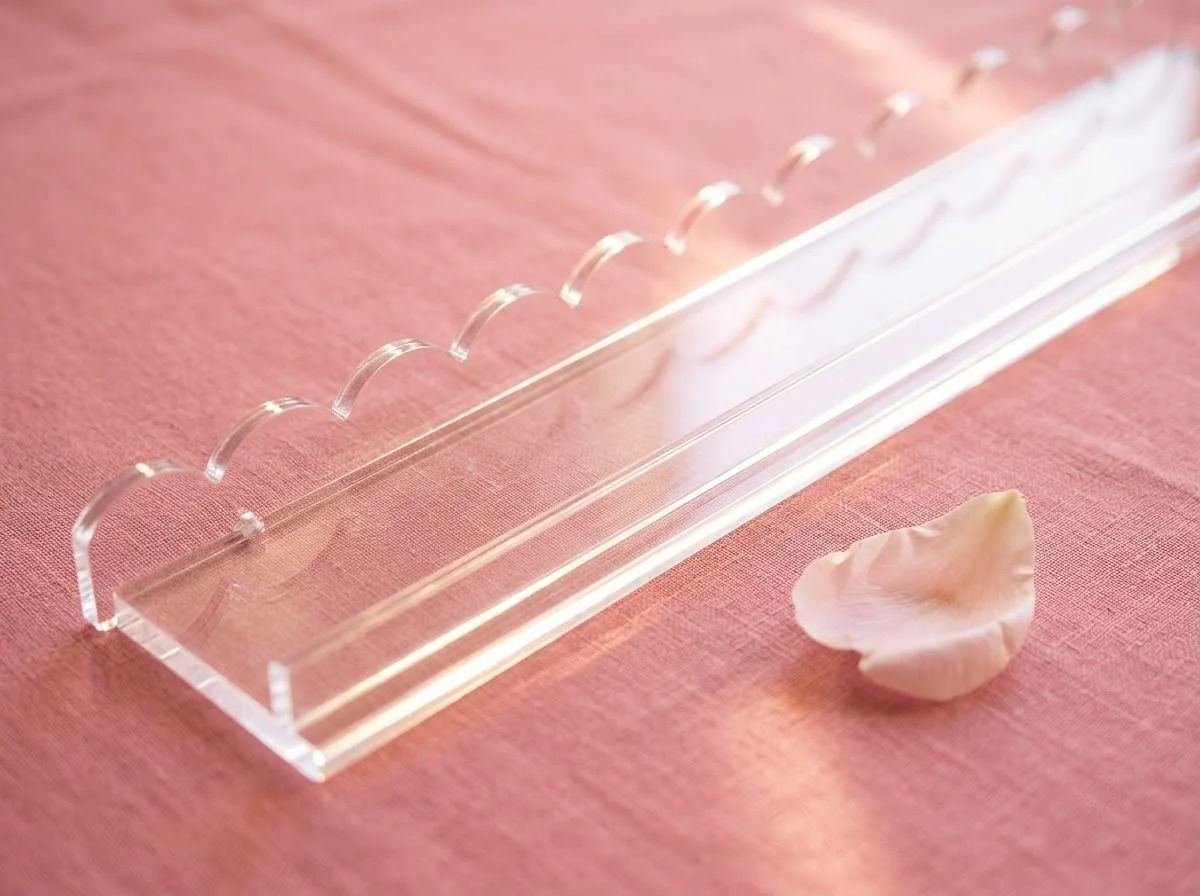
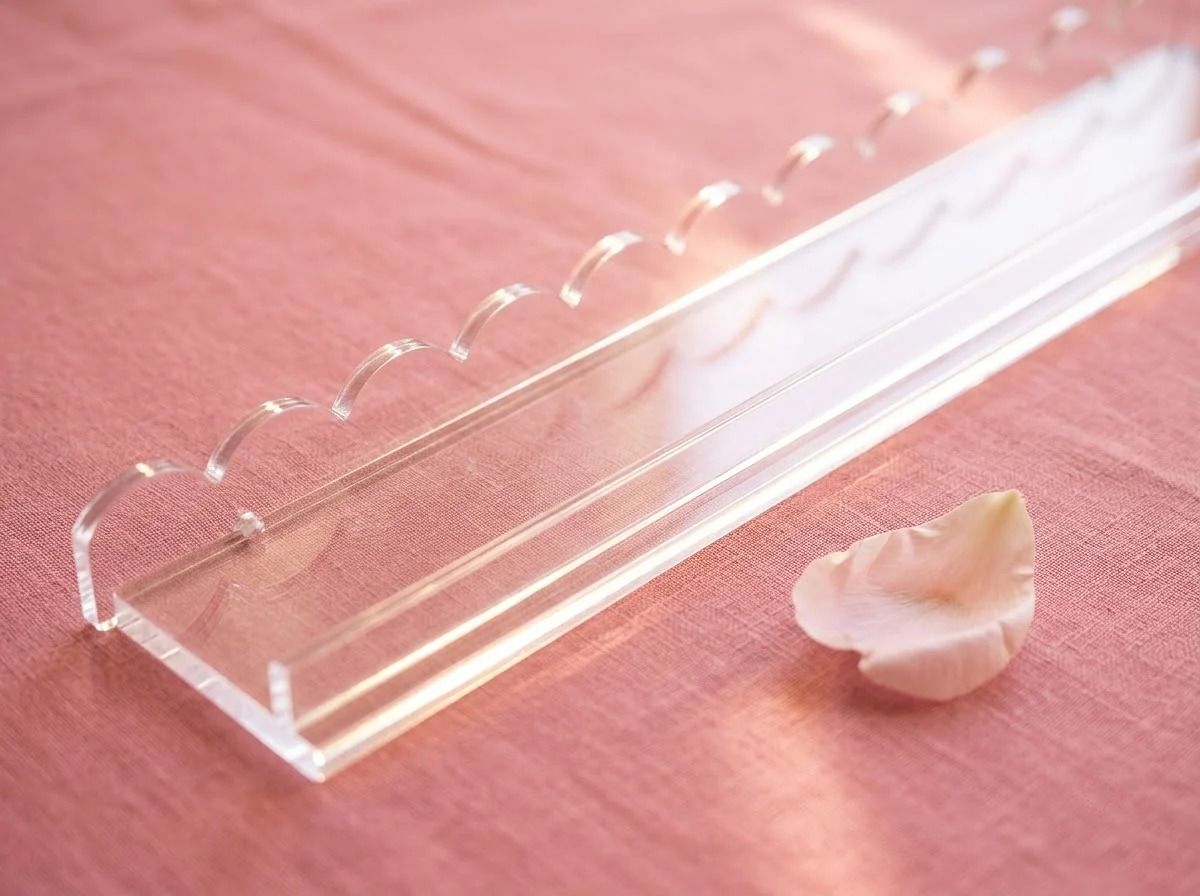
American-made mahjong racks with pushers are tile holders designed to organize and display your hand while the pushers help you manage and separate tiles cleanly. Manufactured in the USA by Mahstead and other makers, they're acrylic, wood, or hybrid designs that hold up to 18 tiles per rack (two racks per player in a four-player game). A complete rack set typically includes four racks and four pushers; you'll also need a mahjong set with 152 tiles and 8 jokers to play. Racks cost varies based on material and finish — acrylic tends to be budget-friendly, while engraved or specialty designs run higher. Buy from makers who offer free US shipping and stock spare parts, so you can replace a pusher or repair a crack without replacing the whole set. Avoid thin acrylic that chips easily or pushers that don't slide smoothly; test them before a big game order if possible.
Why do you need racks with pushers, not just a mat?
Racks hold your hand upright so opponents cannot see your tiles; a mat alone leaves tiles flat and exposed. Pushers slide under tile edges to separate sets (pungs, kongs, or quints) at a glance during play. We've hosted hundreds of games: players without racks fumble tiles, lose track of hand shape, and slow down the draw phase. A pusher also protects tiles from accidental spills and lets you organize your hand into "ready" and "waiting" sections instantly. If you're serious about weekly play, racks and pushers are not optional—they're the foundation of organized, faster games.
What's the difference between acrylic and wood racks?
Acrylic racks are lightweight, durable, and easy to engrave with names or designs; they slide smoothly on mats and ship safely. Wood racks (usually bamboo or hardwood) feel premium and add elegance to any table but are heavier and require oiling to prevent warping in humid climates. Acrylic racks resist staining from spilled drinks and are easier to wipe clean after a session. Wood racks absorb odors and require more care but age beautifully if maintained. For Dallas weather (hot and humid) or frequent travel, acrylic is the safer bet; for a permanent home table, wood is timeless. Our players in high-humidity homes prefer acrylic; those with climate-controlled game rooms often choose wood for the ritual feel.
🀄 Shop best-selling mahjong sets →
How do you choose the right pusher size and grip?
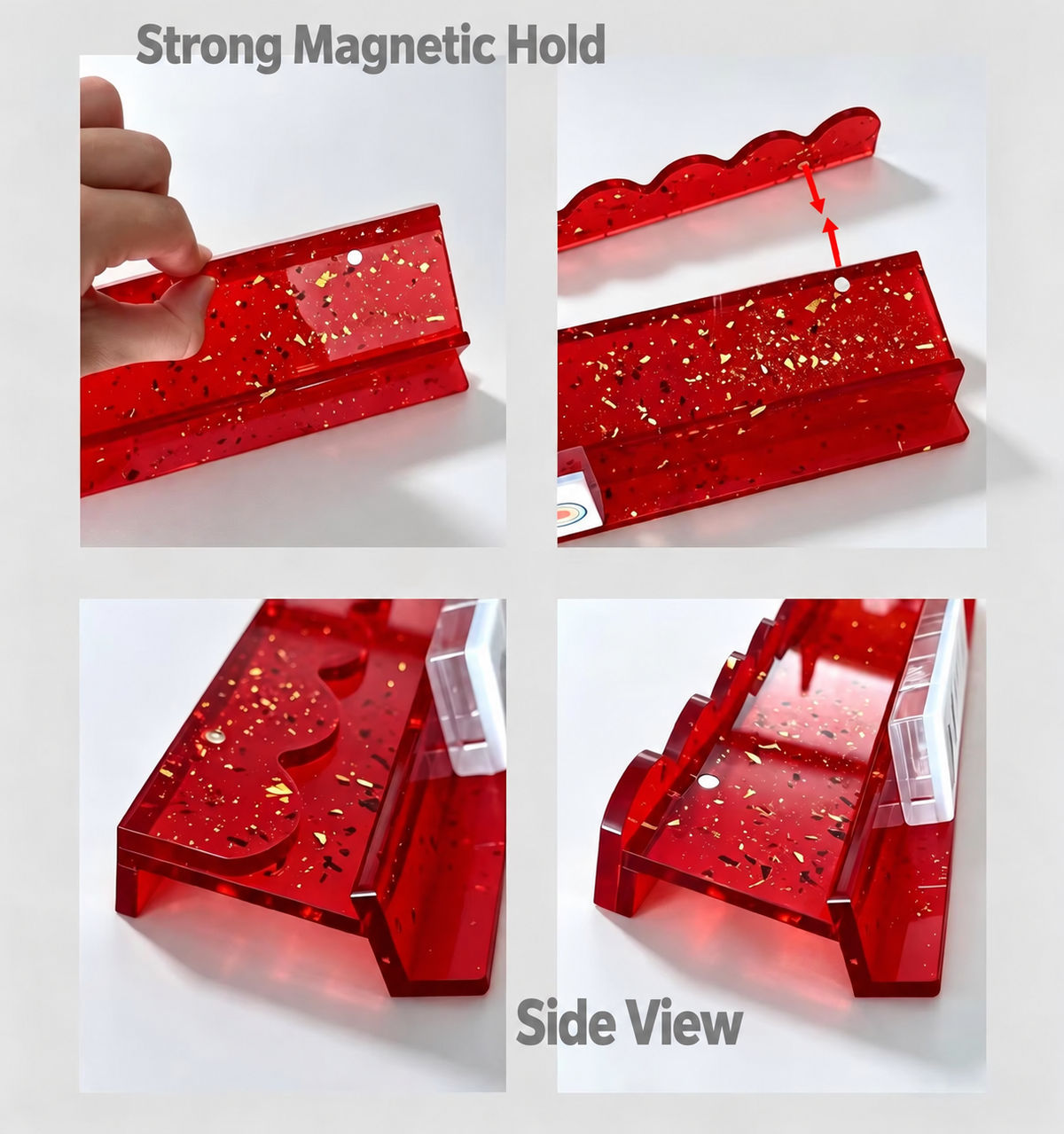
Pushers range from 1.5 to 2 inches wide and 0.25 to 0.5 inches thick; wider pushers suit larger hands, thinner ones work for precise play. A pusher's grip is the underside texture—smooth acrylic slides fast but can stick in humid conditions; ridged or brushed surfaces grip better on plastic mats. Test a pusher's action: it should glide under a tile edge without lifting or dragging. We recommend medium-width pushers (1.75 inches) as the starting point for most American mahjong players. Buy racks from makers who sell pusher replacements separately; one bent pusher shouldn't force you to retire the whole set. Avoid pushers narrower than 1.25 inches—they're hard to control and often slip sideways during the draw.
Feature | Best for | Why it matters |
Acrylic, smooth pusher | Fast, casual play | Slides easily; suits mat-only setups |
Acrylic, ridged pusher | Humid climates | Grips mat without sticking |
Wood rack + acrylic pusher | Premium home table | Aesthetics + reliability |
4-rack set with 4 pushers | Four-player American | Everything included; one order |
Engraved acrylic racks | Gifts, clubs | Personalization; lasts years |
What common mistakes should you avoid when buying racks?
Mistake 1: Buying racks without testing pushers first. Pushers that stick or slip ruin play rhythm. Ask sellers for a sample pusher or watch a game video before ordering.
Mistake 2: Choosing racks too narrow for your tiles. Mahjong tiles are 1.125 inches wide; racks must hold them upright without leaning. Racks narrower than 5 inches often tilt tiles sideways.
Mistake 3: Ordering mismatched racks and pushers from different makers. Different manufacturers' acrylic finishes don't always work together smoothly. Buy complete sets from one maker.
Mistake 4: Ignoring spare-parts availability. If a pusher cracks or a rack breaks, you need to replace just that piece, not the whole set. Mahstead and other USA makers stock spares; verify this before buying.
Mistake 5: Buying used racks without checking for cracks. Hairline cracks spread in heat or humidity and weaken the grip. Inspect photos carefully or ask the seller for close-up shots of high-stress areas.
We've replaced racks only after years of weekly play; buy from makers who guarantee parts availability and offer straightforward repairs or replacements.
🎁 See our most-loved mahjong sets & accessories →
What should you check before placing your order?
Before ordering racks from the collection, confirm these six points:
Rack dimensions: Verify they fit your tile size (standard American mahjong tiles are 1.125" wide). Measure the rack's interior width and depth.
Pusher material and finish: Check if pushers are acrylic, wood, or hybrid. Test the claimed grip (smooth vs. ridged) against your mat style.
Set completeness: Four racks + four pushers should come together. Don't assume four racks alone are enough.
Shipping and packaging: Free US shipping is standard; ask if racks are boxed separately or bundled. Acrylic racks need padding to avoid chips during transit.
Spare-parts policy: Can you buy replacement pushers or a single rack? How long does it take? Good sellers ship spares within days.
Customization options: If you want engraved names or initials, confirm the font, size, and placement. Engraved racks take longer to ship but make great gifts for long-time players.
Our players who ordered without checking dimensions ended up with racks too shallow for their tiles. Ask the seller for a photo of assembled racks holding actual mahjong tiles.
How do racks fit into your full game setup?
Racks work best as part of a complete, thoughtfully chosen setup. Pair them with a high-quality mahjong mat that has smooth, consistent texture so pushers glide without resistance. A mat with a felt or suede surface grips pusher edges better than slick vinyl, reducing drag during tile draws. Add a mahjong bag or case to transport racks safely—they're fragile in car trunks without padding. If you're hosting weekly games, invest in racks with pushers that match your tile set aesthetically; mismatched components feel cheap and distract from play. We've found that players take the game more seriously when the whole table—set, racks, mat, and pushers—feels intentional and unified.
✨ Find your Mahstead set — free US shipping →

FAQ
Can I use racks made outside the USA?
Yes, but USA-made racks from Mahstead offer better spare-parts availability, faster customer service, and are often designed for American mahjong tile sizes. International racks sometimes fit poorly.
What happens if my pusher breaks?
Contact the maker immediately. Mahstead and most USA manufacturers sell replacement pushers separately at a fraction of a full set cost. Acrylic can be replaced in days; wood takes longer.
Do I really need two racks per player?
Yes, in American mahjong. One rack holds your melds (exposed pungs, kongs, etc.); the other holds your concealed tiles and draws. One rack alone forces you to pick up and set down tiles repeatedly.
Are engraved racks worth the extra cost?
Only if you're gifting them or building a permanent home table. Casual players don't notice engravings during play. For clubs or long-term games, personalized racks are memorable and add prestige.
How do I know if my racks are the right size?
Hold a mahjong tile upright in the rack's slot. It should stand without leaning, and you should fit 18 tiles across with the pusher underneath. Test before committing to a full set.
Should racks be the same color as my tiles?
Not required, but matching sets feel more polished. Mismatched colors aren't a gameplay issue. Engraved racks in contrasting colors (e.g., black acrylic with white engraving) are also popular.
Can I travel with racks?
Yes, with a protective bag or case. Acrylic racks ship well padded; wood racks are heavier but survive travel if wrapped carefully. Use a mahjong-specific bag with compartments.


View More
View More
View More
