
Mahjong Open Play in Greenville: Where to Join & What to Bring
Last updated: Nov 23, 2026
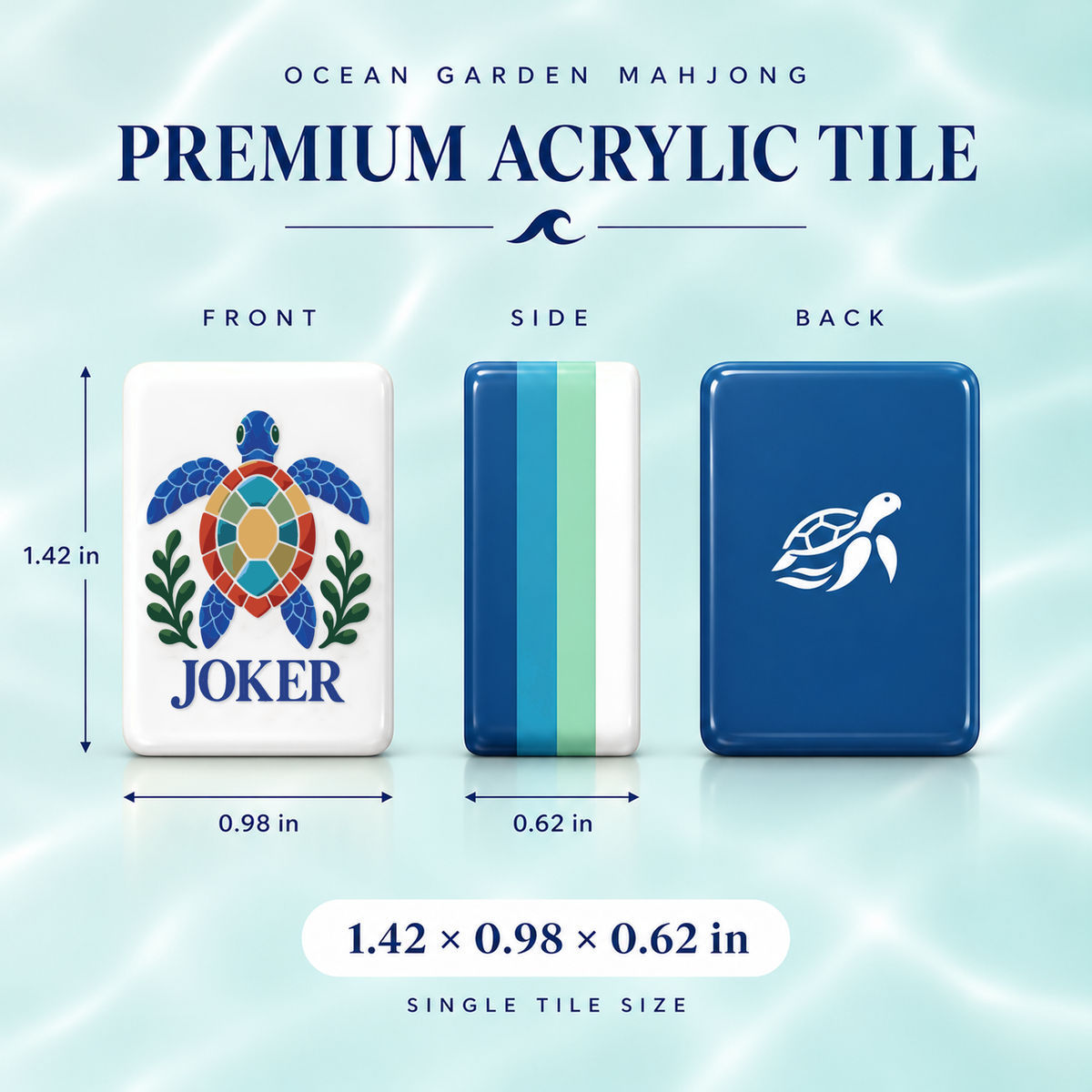
Open play in Greenville happens at community centers, libraries, senior centers, and country clubs—usually Tuesday through Thursday evenings or weekend afternoons. Start by calling your local library's programming desk or checking community center activity boards; many post mahjong schedules online. Most groups play American mahjong (the tile game played with the current National Mah Jongg League card), meet for 2–3 hours, and welcome newcomers. Cost is usually free or a small donation. Before you go, learn the basic hand structure and how to read the card—you don't need your own set the first time, but having one from Mahstead's best-selling collection means you can practice beforehand and join faster once you're comfortable.
Where exactly do Greenville players meet for open play?
Community centers and public libraries host the most accessible open play. Check your city or county recreation department website for "mahjong" in their activity listings. Senior centers often have weekly games but may welcome younger players too. Country clubs sometimes host mahjong nights for members and their guests. Synagogues and churches occasionally sponsor game nights as fundraisers or social events. The best way to find the exact location, day, and time is to contact the venue directly—staff can tell you whether the game is beginner-friendly and whether you need to bring your own set.

What skill level do I need to start open play?
You need to know the basic rules: how a hand forms (14 tiles arranged as pungs, kongs, or pairs), what the Charleston is, and how jokers work. You do not need to memorize every hand on the card or have played before. Most open play groups have at least one experienced player who explains plays, and the group usually moves slowly during early rounds so newcomers can keep up. Bring the current year's National Mah Jongg League card and your own tile set if you have one; otherwise, you can watch and help count tiles the first time.
Should I bring my own mahjong set, or can I use the group's?
Many open play groups have one or two communal sets available, but they're often incomplete or worn. Bringing your own is faster, more respectful, and lets you learn tile values and spot quick plays during your turn. An American set must contain exactly 152 tiles plus 8 jokers for play—anything beyond that is spares. A 160-tile set includes the full playable set plus extra tiles for damage or loss. Choose one that's durable enough for weekly use (acrylic tiles hold up better than bamboo in humid conditions) and a mat that protects your tiles and speeds tile movement during the fast-paced endgame discard.
How do I avoid common beginner mistakes at open play?
Mistake | What happens | How to avoid it |
Calling a hand with jokers in the pair | Your hand is invalid; you lose points and your turn | Never use a joker in the pair (the two identical tiles you keep at the end). |
Discarding before drawing the new tile | Your tile count is wrong and play stops. | Draw first, then discard—always. |
Not reading the card carefully | You miss legal hands and stay in play longer than needed. | Study the card section for your suit before each round. |
Forgetting to call "mah jongg" out loud | Other players might not notice your win and play continues. | Call it loudly and clearly; then verify your hand aloud with the card. |
Breaking a pung or kong to use tiles elsewhere | Your exposed melds dissolve, confusing scoring. | Never separate an exposed pung, kong, or quint once it's laid down. |
Passing tiles incorrectly during Charleston | The pass sequence breaks; the round restarts. | Watch the experienced player do it once, then copy the exact motion. |

What else should I bring to an open play session?
Bring a pen and paper to track score (scoring varies by hand and position). Wear comfortable clothes—you'll be sitting at a table for 2–3 hours. Many players bring water or a snack. If you own racks with pushers, bring them; they make tile management faster and tidier, especially when you're learning. A small bag or case protects your set on the drive to the game. A mobile version of the current year's card (check the National Mah Jongg League website) is useful if you want to review hands on your phone before your turn.
🀄 Shop best-selling mahjong sets →
How do I prepare before my first open play night?
Learn the hand structure. Read Mahjong for beginners to understand why hands have exactly 14 tiles, how pungs and pairs work, and what the card means.
Study the Charleston. Watch the tiles pass right-to-left (then left-to-right, then across) during the pre-game exchange. The Charleston explained shows the exact pass sequence so you don't freeze up on your turn.
Understand jokers. They're wildcards in melds but never in pairs or single tiles. How jokers work walks through real examples.
Get or borrow a set. If you don't have one, ask the group leader if a communal set is available. If you decide to buy, best American mahjong sets compares what works for open play.
Print the card. Download the current National Mah Jongg League card and bring a paper copy. Laminate it if you plan to play weekly—it will last longer.
Watch one full round. Sit next to an experienced player and ask quiet questions during play. Watching beats reading about it.
🎁 See our most-loved mahjong sets & accessories →
What if the open play group uses a different mahjong variant?
American mahjong (the one played with the League card) is the most common in Greenville and across the US. However, some groups play Chinese, Hong Kong, or Riichi mahjong—these use different tile sets, hand rules, and scoring. Ask the venue or group leader before you arrive which variant they play. If it's not American mahjong, you'll need to learn different rules; the group should provide guidance or a hand chart. American mahjong is easier for beginners because all hands are printed on one card, so you don't memorize them—you just look them up.
What should I check before I buy a set for open play?
Tile count: American open play uses 152 tiles + 8 jokers, always. Don't buy a 144-tile set.
Material: Acrylic tiles are durable, easy to clean, and don't crack in temperature shifts. Bamboo is beautiful but fragile for weekly play.
Suit clarity: Make sure the Bam, Crak, and Dot symbols are easy to read under indoor lighting. Hold a sample in the store if possible.
Bag or case: Open play means weekly transport. A protective bag prevents tile loss and extends set life.
Extras: A mat reduces tile noise and speeds sorting during the fast endgame. Racks with pushers make your melds easier for others to read and prevent accidental tile shifts.
Compare these factors against your budget and how often you expect to play. If you're starting open play this month, Mahstead's best-selling sets are tested by weekly players and cover all these bases.
✨ Find your Mahstead set — free US shipping →

FAQ
Can I play open mahjong in Greenville if I've never played before?
Yes. Most open play groups welcome beginners and have experienced players who explain plays aloud. Learn the basic hand structure before you go, and watch the first round without playing. Most players remember their first night and will be patient.
Do I need to own a mahjong set to join open play?
No, but it helps. Many groups have communal sets, but they may be incomplete or old. Having your own set means you can practice at home first and join play faster once you're seated.
How long does a mahjong game take?
A typical open play session runs 2–3 hours and includes 4–8 individual games (called "rounds"). Each round takes 20–40 minutes depending on player speed and whether the group stops to teach.
What's the difference between open play and tournament mahjong?
Open play is casual, weekly, and focused on learning and socializing. Tournament mahjong has strict time limits, official rules, and prize pools. Start with open play to build skills, then try tournaments later.
Should I buy an engraved mahjong set, or is a plain set better for open play?
Both work fine. Engraved sets (with names, titles, or designs) make a set feel personal and are easier to spot if multiple sets are on the table. Plain sets are cheaper and just as durable. Choose based on whether you want a keepsake or just a functional tool.


View More
View More
View More
