
Mahjong Clubs in San Francisco: Find & Join Your Game
Last updated: Nov 23, 2026
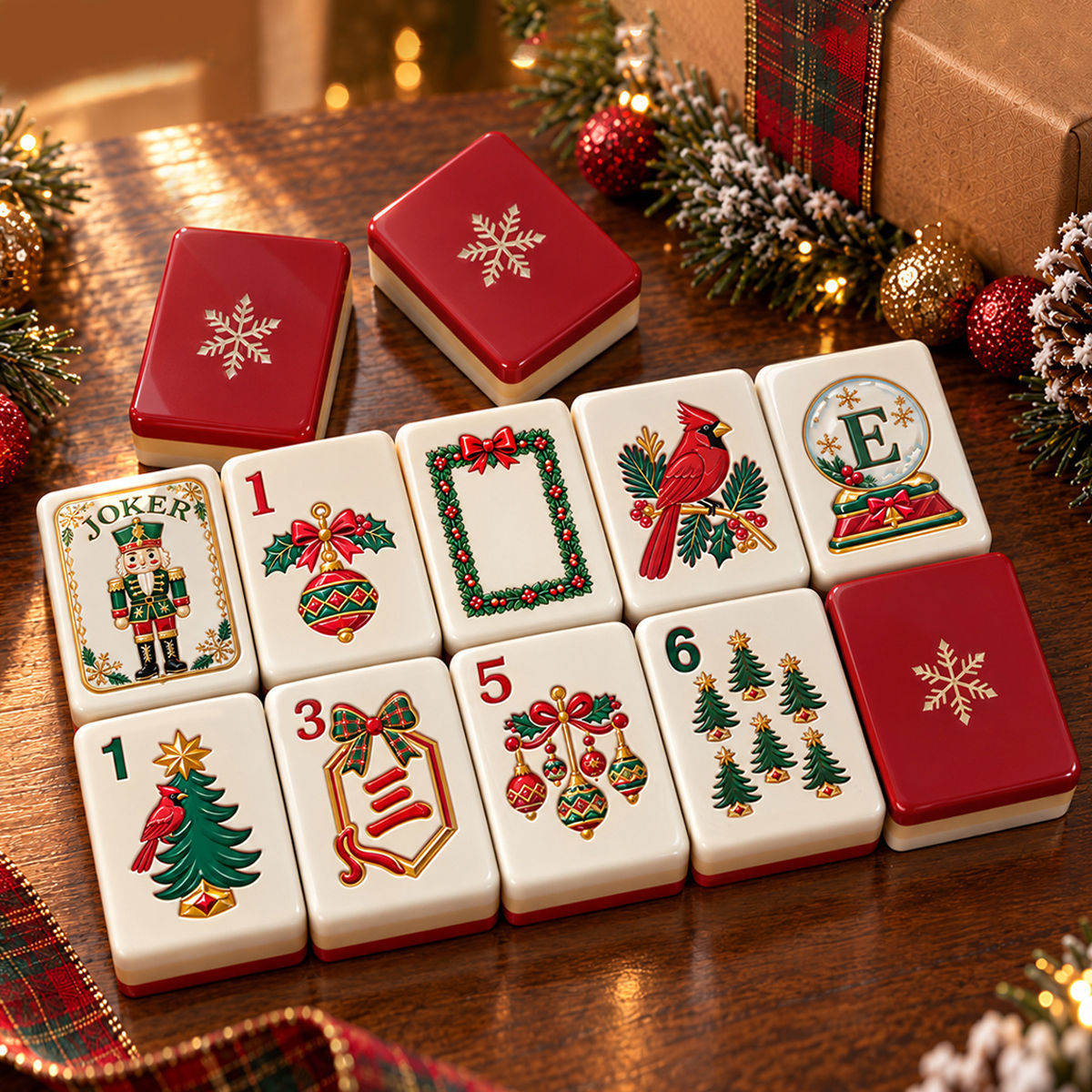
San Francisco mahjong players have multiple pathways to join: community centers (Parks & Recreation offers drop-in and league play), public libraries (many host weekly or monthly games open to all skill levels), cultural societies and senior centers in neighborhoods with large Asian communities, synagogues and cultural organizations that welcome all backgrounds, and private clubs found through word-of-mouth and online meetup boards. Most clubs welcome beginners and loan sets; joining costs little or nothing for casual play. Expect to find both American mahjong (the fast-paced, card-driven 152-tile variant) and Chinese variants depending on the venue. Call ahead to confirm rules, tile type, and whether new players can watch or sit in. You'll want to own or borrow a personal set eventually—we recommend a durable best-selling acrylic set and a mat to protect the table once you're playing weekly.
Where Do San Francisco Mahjong Players Actually Meet?
Community centers and public libraries are the easiest entry points for beginners. San Francisco Parks & Recreation operates multiple facilities offering mahjong instruction and open play; check the recreation center nearest your neighborhood—most publish schedules online. The public library system also hosts mahjong groups, often on weekday afternoons or Saturday mornings, and librarians can direct you to active players. These venues rarely require membership fees and often loan sets, so you can try the game without investing in equipment. Honest note: turnout varies by season and staffing, so call 48 hours ahead to confirm the group is meeting.

Which Neighborhoods Have the Most Active Clubs?
Chinatown, the Richmond District, and the Sunset District have the longest-standing mahjong traditions and highest player concentration. Senior centers in these areas often have daily or weekly drop-in games; Chinatown senior services in particular maintain strong afternoon mahjong programs. The Mission District and SOMA also host cultural organizations with regular games. Outside these neighborhoods, synagogues and Jewish community centers frequently offer mahjong leagues and beginner instruction (American mahjong is popular in these circles). Word-of-mouth is powerful: when you find one group, players usually know three others. A practical shortcut—search your neighborhood on meetup boards, local Facebook groups, and NextDoor; many clubs advertise there because flyers rotate.
What's the Difference Between American and Chinese Mahjong in SF Clubs?
Variant | Tile Count | Gameplay | Where You'll Find It | Learning Curve |
American | 152 tiles | Card-driven hand matching, 4 players, no sequences | Libraries, synagogues, middle-class clubs | Moderate (rules are strict, play is fast) |
Chinese | 144 tiles | Sequences allowed, melds exposed mid-hand | Chinatown senior centers, family groups | Steep (vocabulary and strategies differ widely) |
Hong Kong | 144 tiles | Fast-paced, tile combinations unique | Some Chinatown clubs, experienced groups | Very steep (unwritten style rules) |
American mahjong uses a card printed each spring by the National Mah Jongg League; players match tiles to listed hands on that card. No sequences (1-2-3 runs) are allowed—only pungs (three identical), kongs (four identical), and jokers as wildcards. Chinese variants permit sequences and play without a reference card. Most San Francisco beginners start with American mahjong at libraries or community centers because the rules are explicit and English-language instruction is available. If you're drawn to the Chinatown experience, ask the group which variant they play and whether they teach newcomers; Cantonese or Mandarin fluency helps but isn't always required. We recommend learning American mahjong first because the card rules are documented and beginner resources are plentiful.
How Do You Actually Join a Club as a Complete Beginner?
Start by calling or visiting in person. Visit a venue during posted game hours (usually 2–5 PM on weekdays or Saturday mornings), introduce yourself, and ask if you can watch a round or two. Most groups are welcoming—watching teaches you pace, tile handling, and table culture before you play. Say something like: "I'd like to learn. Can I observe this hand and maybe join the next round?" Most hosts will say yes. Come back the same day next week if you liked it; consistency shows respect and builds friendships. If the group feels cliquish or the pace too fast, try another venue—mahjong communities are varied, and a good fit matters more than proximity. Second honest point: a few clubs charge a small fee per session (typically split among players for house maintenance or refreshments), but this is rare at public venues. When you're ready to play regularly, owning a set with sturdy racks and pushers makes you a more reliable table mate and deepens your involvement.

What Should You Bring and Buy Before Your First Game?
First time: bring only yourself and water. Venues loan sets and mats. Within three to four visits, if you're hooked, buy your own set so you're not dependent on house equipment and you can practice at home. Here's a practical checklist:
Before week one: Nothing. Watch, listen, ask questions.
After week 3–4: A best-selling set (acrylic is durable and sounds authentic). Most players bring their own if they play weekly.
After two months: A protective mat to extend tile life and show respect for shared table space.
After you're a regular:Racks with pushers so you organize tiles elegantly and faster.
Optional: A carrying case if you play at multiple venues or want to move your set easily.
Avoid buying a set before you've played at least once—tile weight, tile size, and tile sound matter, and you'll have preferences after experiencing a few games.
🀄 Shop best-selling mahjong sets →
How to Stay Safe and Build Trust in a New Mahjong Community
Money and etiquette are the two touchstones. Most San Francisco clubs play for no money or small friendly stakes that are agreed on before play starts. Always confirm the stakes (or lack thereof) before sitting down. If money makes you uncomfortable, seek venues explicitly marked "friendly play" or "no wagering." Etiquette is quieter: don't give unsolicited strategy tips to other players, don't rush the person whose turn it is, and never touch another player's tiles without permission. If you misunderstand a rule, ask gently—"I'm new; can someone explain that?" is always welcome. Bring hand sanitizer and respect the house rules on food and drink near tiles. These small gestures build goodwill fast, and you'll find players genuinely want you back.
🎁 See our most-loved mahjong sets & accessories →
What to Check Before You Buy Your First Set
If you've found a club you love and are ready to buy, consider: Tile material. Acrylic is affordable, durable, and won't warp; bone and bamboo are heavier and more traditional but need more care. Tile size. Standard American tiles are about 1 inch × 1.25 inches; make sure the set matches what your club uses (most American clubs use standard; Chinese clubs vary). Set completeness. A 160-tile set (152 playing tiles plus spares) is the American standard and includes all you need. Personalization. Many players enjoy engraved sets with names or jokes; these also make great gifts. Carrying gear. If you travel between venues, buy racks, a mat, and a case as a bundle—they travel together and keep your set intact.
✨ Find your Mahstead set — free US shipping →
What to Check Before You Buy
Have you played at least 3 times? If no, watch more before spending money.
Do you know which variant the club plays? American sets and Chinese sets differ; buy the right one.
Have you held your club's tiles? Their weight, size, and sound will guide your choice.
Does the club have a preferred vendor or style? Some clubs are loyal to certain aesthetics; fit in respectfully.
Are you buying for yourself or as a gift?Engraved sets and themed collections make great gifts if you're confident in the recipient's interests.

FAQ
How much does it cost to join a mahjong club in San Francisco?
Most public venues (libraries, community centers) charge nothing or a small drop-in fee (typically under what a coffee costs). Private clubs may charge monthly or per-session; ask before committing. No San Francisco club requires a large membership fee to start.
Is American mahjong or Chinese mahjong more common in San Francisco?
Both thrive. American mahjong dominates libraries, synagogues, and middle-class clubs. Chinese variants are strongest in Chinatown and among multigenerational family groups. Try both if you're curious.
Can I learn mahjong by watching before I play?
Yes. In fact, we recommend it. Watch one full game (about 30–45 minutes), ask questions during breaks, and sit in the next hand. Most groups welcome this and will teach you as you play.
What size tiles should I buy for my first set?
Standard American tiles are about 1 inch × 1.25 inches. Before you buy, hold the tiles your club uses and confirm the size matches a set you're considering.
Where can I find a club if my neighborhood doesn't have one listed online?
Call your local community center or library and ask the staff for mahjong groups. Post on neighborhood Facebook groups and NextDoor. Visit the same venue twice and ask players where else they play—they'll give you three names.
Do I have to speak Cantonese or Mandarin to join a mahjong club?
No. Many San Francisco clubs are multilingual, especially those at libraries and community centers. Chinese-language clubs may use traditional terms, but hand signs and tile organization transcend language. Show up, be respectful, and ask for help.


View More
View More
View More
