
Mahjong Open Play in Birmingham: Where to Find Games & What to Know
Last updated: Nov 23, 2026
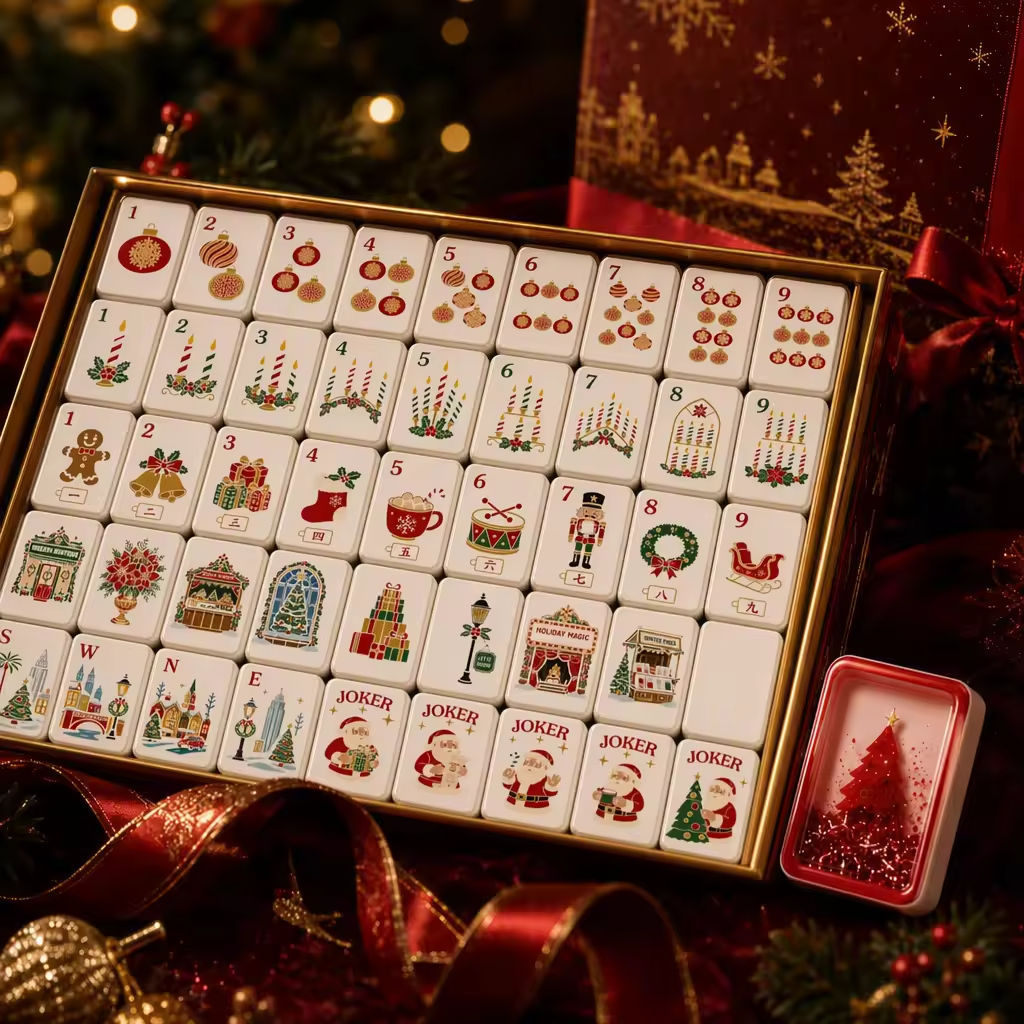
Open mahjong play in Birmingham happens at community centers, libraries, senior centers, country clubs, and through informal meetup groups you can find on community boards or social media. Most groups play American mahjong on Thursday or Friday evenings or weekend afternoons. Before you go, confirm they play American (152 tiles, National Mah Jongg League card) versus Chinese or another variant—rules differ sharply. Most open games welcome newcomers; bring a notebook to watch your first session. You'll need a set, mat, and rack with pushers if you're hosting. Check our best-selling mahjong sets to see what experienced players choose. Expect friendly, low-stress games; many players have played together for years and appreciate fresh faces. 🀄 Shop best-selling mahjong sets →
Where do Birmingham players actually gather?
Birmingham's mahjong community congregates in predictable places. Community centers often host weekly game nights or drop-in sessions; call ahead to ask if mahjong is on the calendar. Libraries sometimes sponsor game groups or can direct you to active players. Senior centers almost always have mahjong tables, even if you're not yet a member—some allow visitors. Country clubs, synagogues, and churches with active adult programs frequently run games. Check meetup apps and Facebook groups for "Birmingham mahjong" or "Alabama mahjong"—these often post open-play schedules. Finally, ask at a local Asian restaurant or shop; they often know where regulars gather. Word of mouth spreads fastest once you attend one game.

What rules do you need to know before your first game?
American mahjong uses 152 tiles (not 144) and plays only from the current year's National Mah Jongg League card. That's the core difference: hands are fixed on the card—you can't invent a hand. You'll call "pung" (three identical tiles), "kong" (four identical), or "quint/sextet" (five or six). No sequences (1-2-3). Jokers can substitute for any tile except a single or pair. The game opens with a three-round tile exchange called the Charleston; then dealer draws and play moves counterclockwise. Learning how to play American mahjong before you arrive means you won't slow the table. Most groups are patient with newcomers, but knowing the Charleston and joker rules stops confusion fast.
🎁 See our most-loved mahjong sets & accessories →
Should you bring your own set or use the group's tiles?
Many open-play groups share a house set, so ask before the first night. If they do, arrive early and watch. If you want your own set—because you'll host games or prefer specific tiles—bring one that follows American standard (160 tiles: the 152 in play plus spares). Acrylic tiles are best for open play: they're loud (so discards are heard), durable, and easy to clean. Bamboo and bone tiles are beautiful but slower and require careful handling in a group setting. If you're going to attend regularly, engraved sets are a great way to mark your tiles so they don't get mixed up mid-game. A set with a matching mat keeps tiles organized and looks polished.
What equipment makes open play smoother?
A dedicated mat prevents tiles from sliding and creates a professional feel. If the venue uses a table without a mat, bring one—it's not rude, it's practical. Racks with pushers keep your hand organized and hidden until you're ready, speeding play enormously. A mahjong mat also defines the playing area so tiles don't scatter onto someone's lap. If you're buying your first set, pair it with a mat and racks; they're inexpensive and transform the game from chaotic to smooth. Most venues have a house set but no personal racks, so bringing your own is appreciated. A small bag or case lets you transport everything without losing pieces.
Item | Why it helps | Who it's for | What to look for |
Acrylic set | Durable, loud, easy clean | First-time buyers, group hosts | 160 tiles, standard size, bright suits |
Mat | Prevents sliding, defines space | Groups playing on tables | Cotton or rubber, 4-player size |
Racks with pushers | Hides hand, speeds play | Competitive or regular players | Pushers included, comfortable grip |
Bag or case | Protects tiles in transit | Players traveling to venues | Padded, sized for your set |

How do you join without feeling out of place?
Arrive 15–30 minutes early and watch a round. Notice how players call tiles, handle the card, use jokers. Tell the group honestly: "I've played before" or "I'm new—okay to watch?" Nearly every group will say yes and explain as you observe. If someone's skeptical about newcomers, that's a red flag; find a different group. Ask if there's a table-stakes game (money) or social (no betting). Most Birmingham groups play socially. Sit in for a hand, ask questions between rounds, and offer to pay a small ante if they suggest it—but don't assume. After one or two sessions, you'll know the table's tempo and humor. Mahjong communities are almost always welcoming; the game moves too slowly to tolerate tension.
Checklist: What to confirm before you show up
✓ Day, time, and exact address (not just "community center")
✓ American (152-tile) vs. Chinese or other variant
✓ Social (no money) or table-stakes game
✓ Whether to bring your own set or they supply it
✓ Parking and building access (some senior centers close after 5 p.m.)
✓ Whether a beginner is welcome or if there's a minimum skill level
What should a beginner bring on night one?
Bring a pen and small notebook—jot down hands you see, joker placement, and scoring notes. Bring your own set only if you've confirmed they don't have a group set. Wear comfortable clothes; you'll be seated for 2–3 hours and leaning over tiles. Bring water or ask if you can set a drink nearby. Don't bring phone distractions; mahjong is a social game and players notice. Arrive on time or early; starting late is rude and disrupts the deal rotation. Finally, bring an open mind. Every group has slightly different house rules on things like whether a quint can be broken; ask at the first table and follow their standard. Reading the card beforehand helps you spot valid hands and understand what experienced players are calling.
Can you host your own open-play group once you've learned?
Absolutely. Many strong groups start when one person—you—buys a set, invites friends, and commits to a regular night. You'll need one set per player (or buy one and ask others to bring theirs), a mat, racks, and a copy of the current year's National Mah Jongg League card. Our best-selling sets work for any hosting style. Set a regular day (Tuesday 7 p.m., every other Friday, etc.) and post it on a neighborhood app or community board. Start with 4 players; avoid irregular attendance that makes learning hard. Provide the card and rules summary in your first email. Host games in your home or request a community room at your local library or center. Once you've been to a few open plays, you'll know exactly what comfort level you need—and whether you want the casual Sunday version or a faster, more competitive weekly league.
✨ Find your Mahstead set — free US shipping →

FAQ
How do I find open mahjong games in Birmingham if I'm new to the area?
Start at your community center, library, or senior center—ask staff directly. Check Facebook groups and meetup apps for "Birmingham mahjong" or "Alabama players." Call nearby country clubs or synagogues; they often host games. Finally, ask at a local Asian restaurant or store; regulars congregate there and word of mouth spreads fast.
Is American mahjong different from Chinese mahjong, and do Birmingham groups mix them?
Yes—completely different rule sets. American uses 152 tiles and a fixed card; Chinese uses 144 tiles and makes hands from memory. Most open-play groups stick to one variant. Always confirm before attending so you prepare the right rules.
Do I need my own mahjong set to play in an open group?
Not usually. Most groups have a house set. Ask before you go. If you attend regularly or host, buying your own is smart. Our best-selling sets suit group play.
What's the Charleston and why does everyone mention it?
It's the three-round tile exchange before each hand—players pass tiles to the right, then left, then right again. Our Charleston guide walks through it step-by-step so you're ready on night one.
Do Birmingham open-play groups use money or play socially?
Most Birmingham groups play socially (no stakes). Some do table-stakes games for small amounts. Always ask when you call or visit. Beginners are welcome in both formats.
What's the fastest way to stop feeling lost at your first game?
Watch a full hand before you sit down. Bring a pen and note how players call tiles and use the card. Ask between rounds, not during play. Every group appreciates a quiet observer who asks smart questions.


View More
View More
View More
