
Mahjong on Android: Play Real American Mahjong Games
Last updated: Nov 23, 2026
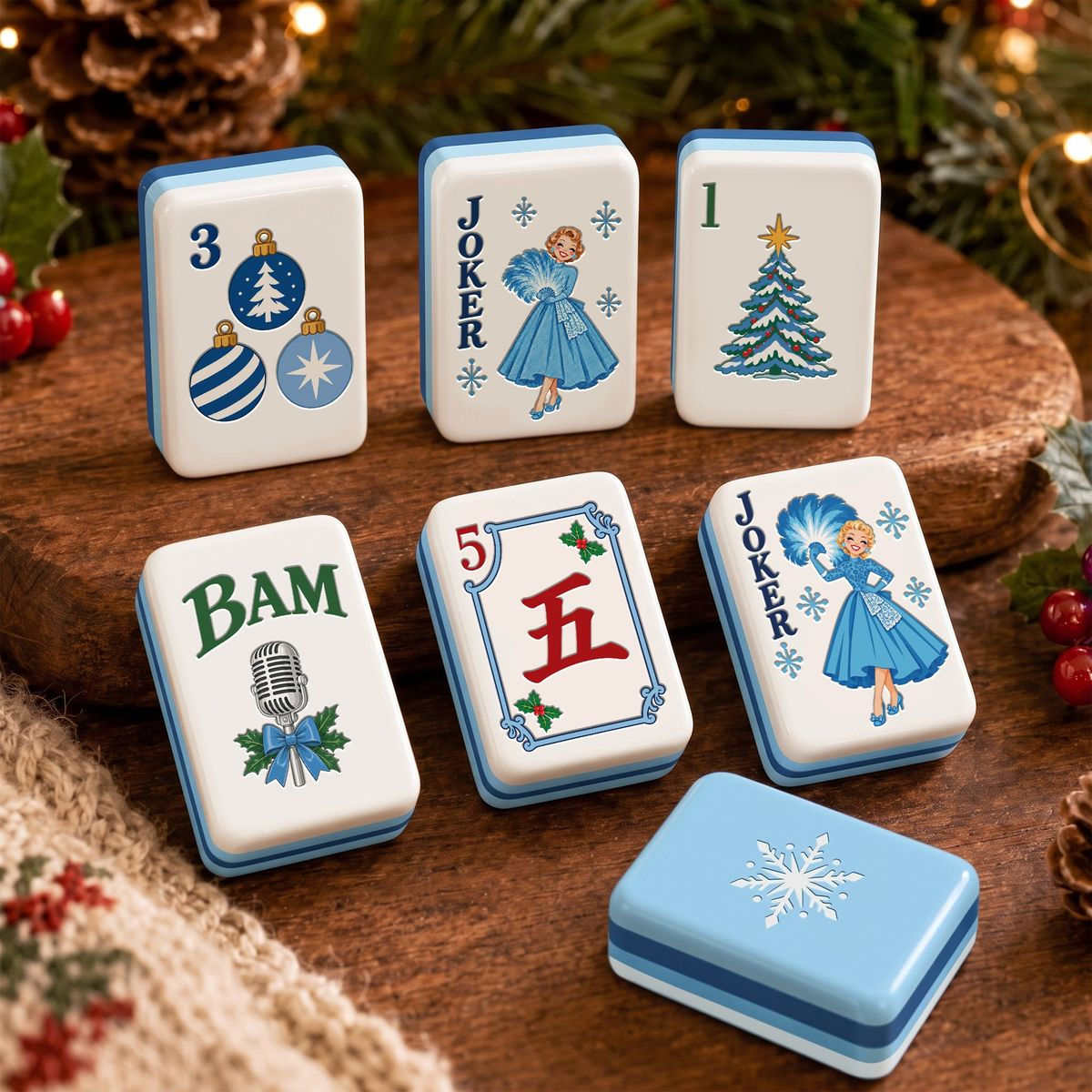
Android offers two mahjong worlds: casual puzzle games (solitaire-style, no multiplayer) and apps attempting American mahjong rules. Most "American mahjong" apps fail or simplify—allowing chows (1-2-3 sequences), wrong joker use, or ignoring the official National Mah Jongg League card. A few (like Mahjong Time for multiplayer, or Pogo for casual tiles) do offer competitive play with real opponents, though rule enforcement varies. None teach the Charleston, reading the card correctly, or how physical play differs. We recommend apps as casual fun only; for serious American mahjong, learn the actual rules and host games at your table with a real set.
What types of mahjong Android apps actually exist?
Three categories dominate: solitaire puzzle games (match and remove tiles; no rules), casual arcade titles (faster paced, still no real rules), and multiplayer apps claiming "American mahjong" or variants like Chinese or Hong Kong. Solitaire games teach tile recognition and layouts but zero strategy. Multiplayer apps let you play live opponents but often strip or misinterpret American rules—no chows is the biggest betrayal, since American mahjong bans them entirely. Apps labeled "Mahjong Solitaire" are truly solitaire, not mahjong; apps saying "American," "American Mahjong," or "NMJL" may reference the National Mah Jongg League card but rarely enforce it perfectly.

How do Android apps handle American mahjong rules?
Honestly, they don't—not well. American mahjong is rigid: you must match hands exactly to the current year's card, use only exposed pungs (3 identical), kongs (4 identical), quints (5), sextets (6), and pairs; jokers work only within exposed groups (never alone, never as a single tile). Apps either strip these rules to feel "easier" or oversimplify the card. Most allow chows (1-2-3 runs), which is Chinese or Hong Kong mahjong, not American. Joker logic often breaks: apps let jokers substitute anywhere, contradicting the rule that a joker in a pair is worthless and a joker alone doesn't count as a tile. If an app says "choose your ruleset," American rules usually run third or fourth in the list—a sign the developers built Chinese first, patched American after. Read reviews carefully; players spot rule failures fast.
Which Android apps come closest to real American mahjong?
Mahjong Time offers multiplayer ranked games with stricter rule enforcement than casual competitors; it supports American variant and tracks statistics across sessions. Pogo (part of EA) has an American mahjong room where players use the annual card—not perfectly, but closer than solitaire. MahjongTime and Pogo both cost nothing to download and play (optional paid perks). Tencent's "Mahjong Solitaire" and similar puzzle titles skip rules entirely but are excellent for learning tile names and layouts without pressure. No app replicates the full American experience: the Charleston (tile-passing ritual), the official card's paper texture, the sound of plastic on wood, or the social rhythm of four players arguing over a call. Apps are training wheels, not the real game.

Why do physical mahjong sets matter if I play on Android?
Android plays the image of mahjong; a physical set plays the game. On screen you tap tiles; at a table you shuffle, pass the Charleston, call and expose hands, see opponents' faces. The card in American mahjong is central—you must read the annual card fast, check your hand against dozens of patterns, and communicate calls clearly. An app does this lookup for you; a real game makes you a faster reader and sharper player. Handling tiles builds muscle memory: how a wind tile feels different from a flower, how you count spots on Dots quickly, how a Kong exposes faster than a Pung. Most critically, Android teaches no Charleston (the three-round tile-passing that begins every American game and scrambles strategy), no Charleston etiquette, and no table talk. Players who learn only on app often struggle when they sit down with a real set and other players.
What's the best way to use Android mahjong alongside physical play?
Use apps as reference, not replacement. Play solitaire on your phone to drill tile names and combinations—spend 10 minutes before bed, or on a commute. If you're learning American rules, an app that enforces the card (even imperfectly) lets you test hands without slowing down a live game. But move to the table as soon as you know the tiles. Host a weekly game with friends, use an actual National Mah Jongg League card (printed fresh each year, available from league or retailers), and keep a physical set in good repair. If you live far from other players, an app is better than nothing; but if players exist within an hour's drive, a real game beats any screen. The two work best in tandem: app first to learn, table to master.
Mahjong Android App Type | Best For | Rule Accuracy | Social Feel | Time Commitment |
Solitaire puzzle | Tile learning, solo drills | None (no rules) | Zero—you vs. algorithm | 10–30 min, flexible |
Casual multiplayer | Quick casual games | Low (chows, loose joker logic) | Moderate (text/emotes only) | 20–45 min, scheduled |
Ranked multiplayer (Mahjong Time, Pogo) | Competitive play, statistics | Moderate (American variant supported but not perfect) | Medium (live opponents, leaderboards) | 30–60 min, regular opponents |
Physical set + paper card | Real American mahjong | 100% (you enforce it) | High (four players, live table) | 45–120 min, social ritual |
🀄 Shop best-selling mahjong sets →
What to check before you download a mahjong app
Read the ruleset description. Does it list "American" separately from "Chinese" or "Hong Kong"? If American appears last or as a subtitle, the app was built for other variants first. Check recent reviews. Players report rule errors loudly ("jokers don't work right," "it allows chows when it shouldn't"). Test the free version. Play one round; can you expose a Pung correctly? Does it let you use a joker as a pair (red flag—it shouldn't)? Ask: Is this for fun or study? If fun, any solitaire game works. If you're preparing for real play, download Mahjong Time or Pogo and find a live group—apps alone don't teach the full game. Know the limits. No Android app teaches the Charleston or the annual card's specific patterns as well as sitting at a table with three other players and a printed card in your hand.
🎁 See our most-loved mahjong sets & accessories →
When you're ready to move from screen to table, we recommend starting with a clear-tile acrylic set—easier to read than bamboo, durable for weekly play, and our best-selling collection offers sets with or without racks and pushers depending on your hosting style. Pair any set with a mahjong mat to protect your table and a cloth travel bag if you're hosting at friends' homes. If you've drilled Android and are ready to host your first real game, read how to play American mahjong and pick up a current-year card—your table is waiting.
✨ Find your Mahstead set — free US shipping →

FAQ
Can I learn real American mahjong rules only from an Android app?
No. Apps teach tile names and basic layout but skip the Charleston, card reading speed, and live decision-making under time pressure. You need a physical table and the annual National Mah Jongg League card to learn the full game. Use apps as supplement, not substitute.
Do any Android apps use the official National Mah Jongg League card?
A few reference it, but none lock you to the current year's card the way physical play demands. Mahjong Time and Pogo mention American variant but don't perfectly enforce card-only hands. You must buy or print the official card for real play.
Why can't an app teach me the Charleston?
The Charleston is a physical ritual: you pass tiles left, center, and right in precise counts and timing. No touch screen replicates tile-passing etiquette, pace, or the surprises it creates. You must learn it live.
Is it okay to play only on Android if I have no local mahjong group?
Yes, it's better than not playing. Use solitaire or multiplayer apps to learn tiles and keep sharp. If a group forms nearby, switch to a real set immediately—the game is deeper at a table.
What's the biggest rule mistake Android mahjong apps make?
Allowing chows (1-2-3 sequences). American mahjong bans chows entirely—only pungs (3 identical), kongs (4), quints (5), sextets (6), and pairs are legal. Apps built for Chinese mahjong first often forget this when they add American mode.


View More
View More
View More
