
Mahjong Lessons in the Woodlands: Where to Learn & What to Expect
Last updated: Nov 23, 2026
The Woodlands doesn't have a single mahjong "hub" the way some older Texas neighborhoods do, but you have real options: check community centers (many run seasonal classes), synagogues and country clubs (popular hosts for lessons), local library branches, and Meetup boards for informal players' groups. Lessons typically run 4–8 weeks at 90 minutes per session, covering tile names, hand reading from the National Mah Jongg League card, the Charleston passing ritual, and basic strategy. A beginner set costs anywhere from modest to mid-range depending on quality and materials — we recommend starting with one of our best-selling mahjong sets so you're learning on tiles you can actually own and keep. Ask instructors directly: some include a loaner set, others expect you to bring your own. Most teachers charge a flat per-session rate or a block fee; confirm whether the course covers American mahjong (the most common variant in Texas) before enrolling. 🀄 Shop best-selling mahjong sets →
How do I find mahjong lessons near the Woodlands?
The fastest way is to check Meetup, Nextdoor, and Facebook groups for "Woodlands mahjong" or "Houston mahjong lessons" — you'll spot both formal instructors and casual player networks. Call your nearest community center (many run adult ed classes seasonally) and ask if they offer mahjong; if not, staff often knows who does. Country clubs and synagogues in the area frequently host or know instructors. Libraries sometimes have bulletin boards. Walk into any Asian grocery or community store in the area and ask staff — they often know the local player scene. Once you find a group, attend a game or lesson as a guest first; a good fit matters more than convenience.

What will a typical beginner mahjong lesson cover?
A well-structured beginner course teaches the tile system (three suits: Bams, Craks, Dots; winds; dragons; flowers and jokers), how to read a hand from the current year's National Mah Jongg League card, the Charleston (the tile-passing ceremony before each game), how to form and call melds, and basic scoring. Lessons often include a live hand or two so you feel the rhythm of draw-and-discard play. Most instructors spend the first session on tile recognition and will distribute a simplified cheat sheet. After three to four sessions, you should recognize tiles instantly and understand what "ready" means. The lessons focus on American mahjong — the variant nearly all Texas players use — which prohibits sequences (chows) and requires all exposed melds to be identical tiles or allowed combinations from the official hand list.
Should I bring my own set to lessons, or will the teacher provide one?
Always ask the teacher before your first session — this is critical. Some instructors have classroom sets (often basic plastic tiles) for students to use; others expect you to bring your own or have students form a buying club. If the teacher says "bring your own," don't feel pressured to buy an expensive set immediately; a best-selling mahjong set gives you quality tiles and a mat without overspending as a beginner. The tile size and quality do matter: if the tiles are too small or cheap, you'll fatigue your hands and won't learn proper handling. We pack all sets with free US shipping, so ordering online is often faster than hunting for stock locally.
🎁 See our most-loved mahjong sets & accessories →
What's the difference between American mahjong lessons and other variants?
This is crucial: American mahjong (the standard in Texas and most of the US) uses a 152-tile set with no sequences — you can only expose pungs (three identical tiles), kongs (four identical), and longer melds that match the hand card. Chinese and Hong Kong mahjong allow sequences and use different tile counts; Riichi is Japanese mahjong with a completely separate scoring system. If a teacher doesn't specify "American," ask. Most Texas instructors teach American, but if you're near a Chinese community center or online, you might find other variants. Learning American first is smart: it's what you'll play at social tables and clubs throughout Texas.
What equipment should I have ready before my first lesson?
Start with a complete mahjong set, a mat to play on, and a way to organize your tiles. A mahjong mat keeps tiles from sliding and defines each player's wall section; racks with pushers make tile handling faster and easier, especially if arthritis or hand strength is a concern. Many beginners skip racks at first and regret it — pushers let you shove tiles together, reducing hand strain during long games. A travel bag or case protects your set if you're carrying it to lessons. You don't need all of this on day one, but planning ahead saves frustration. Ask your instructor what other students bring; that's your real baseline.
Beginner Mahjong Lesson Checklist: What to Have & What to Skip
Item | Why You Need It | Start With? | Upgrade Later? |
152-tile set | Core of every game; you need real tiles to learn feel & speed | Yes | Only if damaged |
Mahjong mat | Keeps tiles from sliding; defines wall zones clearly | Yes, or borrow first | Better felt, thicker material |
Pushers & racks | Reduces hand fatigue; teaches proper tile stacking | No, borrow or skip | Yes, by week 2 |
Travel bag | Protects set; makes lessons portable | No, use a box | Yes, if you play regularly |
2026 NMJL hand card | Required to read legal hands | Yes | Same card all year |
Pen & paper | Track scoring during practice games | Yes | Not needed after basics |
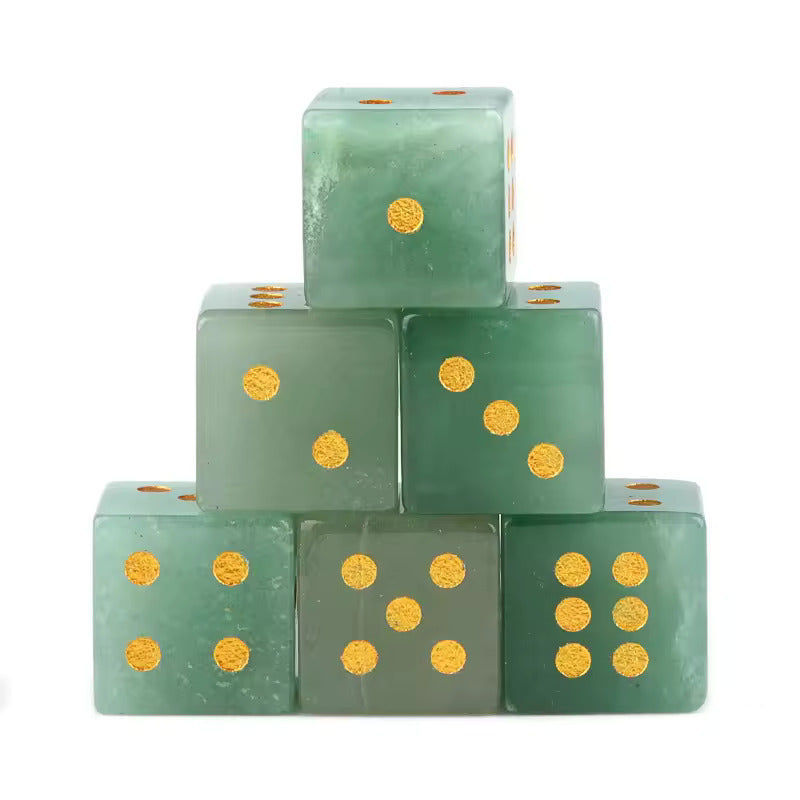
Dice | Draw starts, determine east wind | Borrow from teacher | Optional, but nice |

How much time should I expect to spend before I'm ready to play in a real game?
Honest answer: 6–12 weeks at one 90-minute lesson per week, plus 30 minutes of home practice twice weekly (tile recognition drills, card reading). Some people pick it up in four weeks; others need three months. Your hands and brain need to learn tile recognition at speed — you can't win if you're squinting at tiles. The real skill isn't complicated, but it's muscular and visual. After your first 8–10 full games (played at your own pace with patient friends), you'll feel confident enough to join a regular player group. Don't rush into a club game or paid tournament before you're comfortable; you'll lose confidence and money.
✨ Find your Mahstead set — free US shipping →
What mistakes do new Woodlands players make in their first lessons?
Not studying the hand card before class: the card is the law of American mahjong. If your teacher gives you one, spend 15 minutes at home each night recognizing hand patterns.
Rushing tile recognition: forced speed creates mistakes. Go slow the first month.
Buying a cheap set and regretting it: bad tiles feel wrong, wear out fast, and slow your learning. Invest in a best-selling set upfront.
Skipping racks and pushers too long: hand fatigue in week two kills enthusiasm. Borrow or buy racks with pushers early.
Playing without a mat: tiles migrate, turns get confused, walls collapse. Use a mat from the first lesson.
Not asking about American vs. other variants: some online lessons or older teachers teach Hong Kong or Chinese; learn American first if you're in Texas.
What to Check Before You Buy Your First Set
Confirm the set is 152 tiles plus spares — not 144 or 166. American mahjong always uses exactly 152 tiles in play.
Check tile size: look for photos or ask; typical is 1.25" × 1" minimum. Smaller tiles tire your hands fast.
Read descriptions carefully — does it include a mat, racks, or pushers? Or are those sold separately?
Verify free shipping — we ship all orders free across the US; confirm before checkout.
Ask your instructor what set quality they recommend — they've seen what works and what frustrates students.
What's the best next step after beginner lessons?
After 8–12 weeks, join a regular player group — ask your instructor for connections, or search Meetup for "Woodlands mahjong" or "Houston mahjong players." Many groups play weekly or twice monthly at homes, clubs, or community centers and charge nothing or a modest table fee. Attend as a guest first. Once you've played 10–15 games at that level, you'll know whether you want to join a formal club or stick with casual home games. Many players in the Woodlands area enjoy both. Start reading how to play American mahjong and brush up on how jokers work — jokers trip up beginners constantly, and mastering them is a big leap forward.
Why invest in a quality set now?
A best-selling mahjong set from Mahstead isn't fancy — it's practical. Acrylic tiles don't chip like plastic, feel better in your hands, and last years of weekly play. A mat keeps your game honest. Racks stop you from squinting at loose tiles. None of this is required on day one, but by week four, you'll feel the difference. Instructors see the same pattern: students who start with decent gear learn faster and stick with the hobby longer. We ship free, so there's no penalty for ordering online instead of hunting locally.

FAQ
Can I learn mahjong online instead of finding lessons in the Woodlands?
Yes, but with caution. Online lessons work for tile names and card basics, but they don't teach handling speed or the feel of live play. Consider online as a supplement to local lessons or as step one if no classes are nearby. Video lessons can't correct your grip, watch for errors, or show you what other players' subtle moves mean.
Do I need to buy an expensive set before my first lesson?
No. Borrow or use a loaner if the teacher offers one, or start with a mid-range best-selling set in the $100–200 range. After 4–6 weeks, you'll know if mahjong sticks, and you can upgrade then if you want premium materials.
How do I know if an instructor teaches American mahjong and not Chinese or Hong Kong?
Ask directly: "Do you teach American mahjong from the National Mah Jongg League card?" If they hesitate or mention sequences or chows, they're teaching a different variant. Most Texas instructors teach American, but it's the single most important thing to confirm.
What's the best way to practice between lessons?
Spend 15 minutes daily learning to recognize tiles and patterns on the hand card. Play one full practice game per week with patient friends or the instructor's group. Don't memorize hands; learn to read the card fast. Use a mat and a best-selling set at home so practice feels like real play.
Should I buy a mat and racks before my first lesson?
Ask your instructor first. If you're playing at their location, they likely have mats. If you're forming a home study group, get a mahjong mat before your first game; borrow or skip racks with pushers for two weeks, then buy if hand fatigue appears.
How long before I can play in a real game at a club or with experienced players?
8–12 weeks of structured lessons plus home practice. You need to recognize tiles instantly, read the hand card in under 30 seconds, and understand scoring. A patient friendly game speeds this up; a competitive club game will frustrate you if you're not ready.


View More
View More
View More
