
American Mahjong Set Materials Compared: Acrylic, Wood & Bamboo
Last updated: Nov 23, 2026
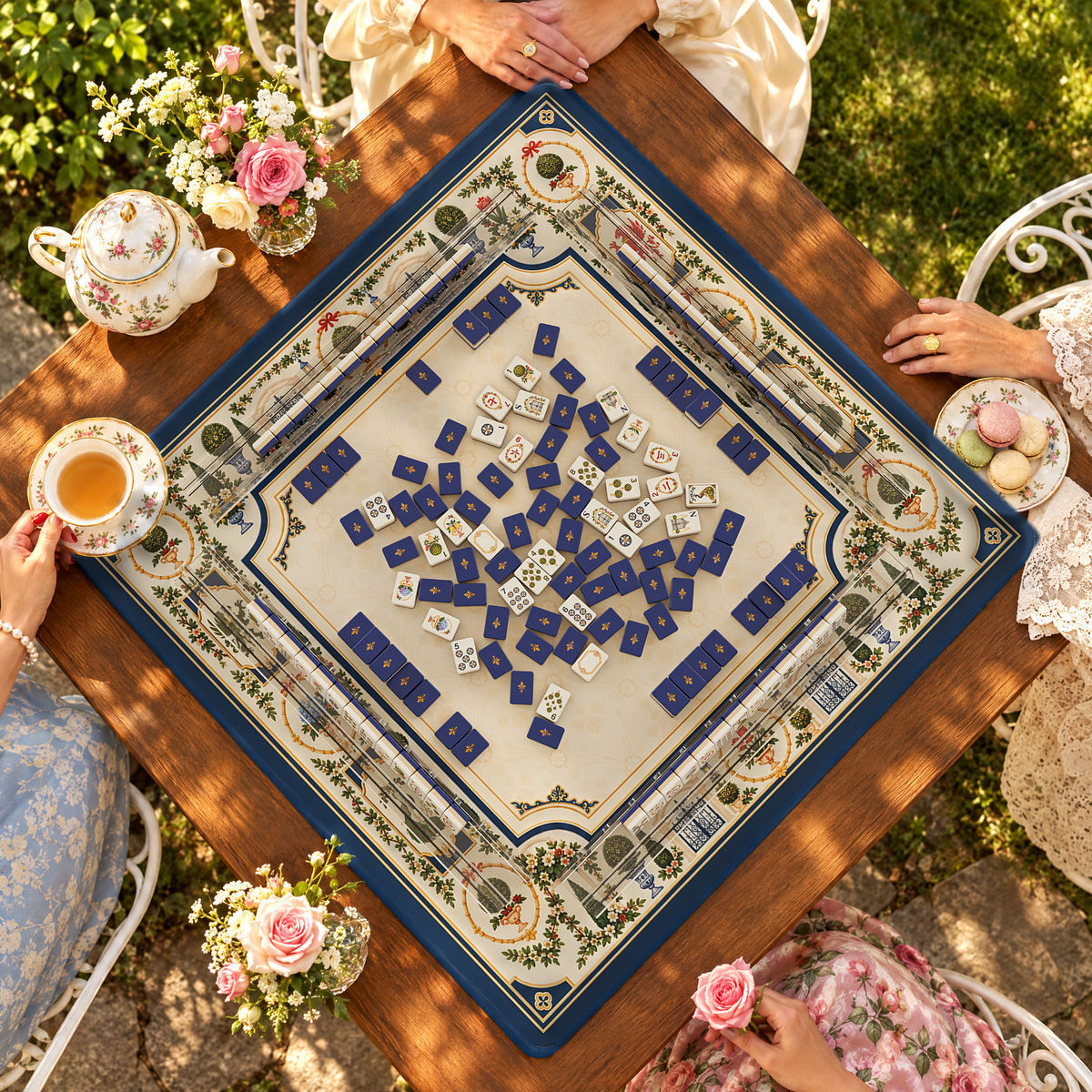
When we host weekly games, material choice matters more than players often realize. Acrylic (the most common for American mahjong) offers durability, vivid engravings, lightweight play, and affordable options—ideal for frequent players and travel. Wood tiles deliver heft, authentic sound, and premium feel but require care to avoid staining and warping; they're heavier to shuffle. Bamboo sits between them: lighter than wood, more textured than acrylic, traditionally valued in Chinese play but less common in American sets. All three hold tiles at 152-piece capacity. Acrylic from Mahstead's best-selling collection works best if you shuffle hard, travel monthly, or want crisp engraving. Wood suits players who host rarely, prefer silence and weight, and can store tiles indoors. Bamboo appeals to collectors bridging cultures. Buy acrylic if longevity and low maintenance rank first; wood if aesthetics and tradition win. 🀄 Shop best-selling mahjong sets →
Why material matters more than tile count?
Your tiles spend hours in your hands each week—shuffling, stacking, and passing in the Charleston. Material affects how tiles feel against your palms, how loud they clatter, whether they chip, how fast they wear, and whether you'll trust them in a suitcase. A set you dread touching becomes a set you skip. The three main options each solve different problems.
What makes acrylic the default for American mahjong?
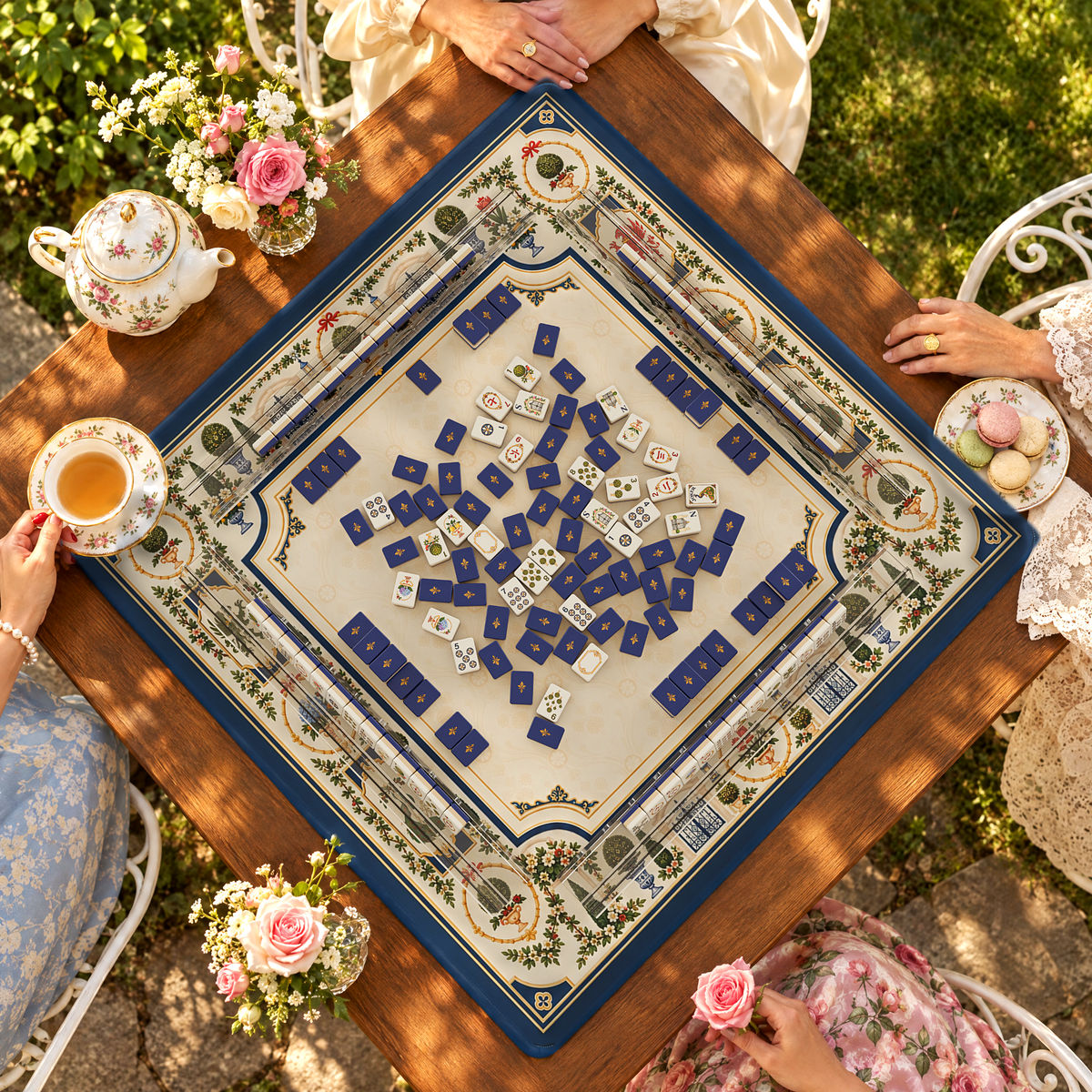
Acrylic dominates American play because it resists staining (crucial when spilled drinks happen), survives rough shuffling without splintering, and accepts deep engraving that stays crisp through years of play. The tiles feel smooth and cool, shuffle quietly, and stack evenly. They're lighter than wood, easier to pack, and less fussy about humidity or temperature swings—key when games move between homes and climates. Weight also matters: acrylic sets are fast to push and easier for players with hand strength concerns. Engraved American mahjong sets in acrylic preserve custom designs and text without fading because the engraving goes into the tile's structure, not just the surface. Most casual and serious American players default to acrylic because replacement tiles remain available and resale value stays stable.
What do wood tiles offer that acrylic cannot?
Wood tiles produce a deeper, more resonant sound—a muted click instead of acrylic's brighter pop. Players who value ritual and quiet play often prefer the aesthetic and audio. Wood tiles feel warmer in the hand and carry prestige in collectors' circles; they signal craftsmanship. However, wood requires dry storage away from direct sunlight and humidity swings, which can warp bamboo or cause wood to swell or split. Water marks stain easily. Wood tiles cost more upfront and chip or dent if dropped on hard surfaces; replacement is harder than acrylic. Shuffling feels heavier (some love this, others find it tiring) and creates more noise—problematic in shared housing or late-night games. Wood works best for players who host bi-monthly or less, store sets in climate-controlled homes, and rarely travel. Think of wood as heirloom furniture: beautiful, demanding, rewarding if you commit to care.
🎁 See our most-loved mahjong sets & accessories →
How does bamboo fit between acrylic and wood?
Bamboo tiles are lighter than wood, more textured than acrylic, and carry cultural weight in Chinese and riichi traditions. They resist staining better than wood but absorb moisture more readily than acrylic. Bamboo develops patina—slight color shifts and worn edges—which some collectors prize as "character." Shuffling feels smoother than wood but heavier than acrylic. Bamboo tiles cost between acrylic and wood depending on craftsmanship. The trade-off: bamboo requires moderate care (avoid prolonged wetness, store out of direct heat) but forgives more neglect than wood. Bamboo suits hybrid players—people who play weekly American mahjong, occasionally explore Chinese variants, and want a set that bridges traditions. It's less common in American retail, so finding replacements or reselling proves harder than acrylic.

Material comparison: which wins for durability, weight, and upkeep?
Material | Durability | Weight per tile | Maintenance | Noise level | Best for |
Acrylic | Excellent—resists chips, stains, humidity | Lightest | Wipe with dry cloth; store anywhere | Higher pitched | Weekly play, travel, beginners |
Wood | Good—dents/splinters if dropped; water marks easily | Heaviest | Dry storage indoors; polish occasionally | Deep, muted | Rare-host collectors, quiet play |
Bamboo | Good—absorbs moisture; develops patina | Medium | Moderate humidity control; avoid wet | Medium | Collectors, cross-variant players |
Acrylic wins for wear resistance and zero fuss. Wood wins for sound and feel but loses on practicality. Bamboo splits the difference if you're willing to manage humidity.
What to check before you buy: three practical questions?
First: How often do you actually play? If weekly or more, acrylic returns the best value because it survives shuffling marathons and travels without worry. If monthly or less, wood's beauty and feel justify the care demands. If you're exploring multiple mahjong styles (American, Chinese, riichi), bamboo hedges your bets.
Second: Where will tiles live? Apartments with variable heat, humid kitchens, or near windows? Acrylic. Climate-controlled home office with a locked cabinet? Wood is safe. Dry, stable room? Any material works; choose for feel.
Third: Do engraved designs matter to you? If you want custom engraved sets for gifts or to mark a milestone, acrylic's crisp, durable engraving outperforms wood (which can split along grain if carved deeply) and bamboo (where engraving fades). Acrylic holds personal text sharp for decades. Wood and bamboo suit uncarved, natural-finish sets better.
✨ Find your Mahstead set — free US shipping →
Pack your chosen material in quality mahjong bags and cases and mahjong mats designed to protect your investment. Acrylic forgives less cushioning; wood and bamboo benefit from padded storage. Pair a new set with racks and pushers sized to match your tiles' footprint so they don't wobble during play.
Real-world scenario: which material wins?
Scenario: You host weekly games, occasionally travel for tournaments, and want crisp tile markings.Winner: Acrylic. Travel twice yearly means your set bounces in bags; acrylic survives this. Weekly play demands fast shuffling and stain resistance. Crisp engraving means you'll read tiles fast under tournament pressure.
Scenario: You play monthly, own a lakehouse, and value prestige over convenience.Winner: Wood. Lower frequency means deeper care is feasible. A dedicated storage spot in a stable climate-controlled space protects wood from warping. Monthly play spreads wear over years, extending life. Sound and aesthetics justify the commitment.
Scenario: You play American mahjong but want to learn riichi, and you travel by car monthly.Winner: Bamboo or acrylic. Bamboo signals openness to tradition; car travel is gentler than air, so humidity swings are manageable. Acrylic hedges against riichi's faster, rougher shuffles. Test both if possible; acrylic is safer default.

FAQ
Do acrylic tiles yellow or crack over time?
High-quality acrylic resists yellowing for decades if stored away from direct UV light. Cracks are rare unless dropped hard on concrete; normal play won't crack them. Mahstead's acrylic tiles are formulated to stay clear and stable through thousands of games.
Can I replace a single cracked or lost tile from my wooden set?
Finding exact replacements is harder than with acrylic because wood sets vary by region and maker. Some specialty suppliers stock common patterns, but you may need to contact the original maker or commission a replacement, which costs time and money.
Does bamboo absorb odors from food or smoke during play?
Yes, bamboo absorbs odors more readily than acrylic because its surface is porous. If games happen near kitchens or with smokers, acrylic is more resistant. Store bamboo in sealed containers away from strong smells if you're sensitive to this.
Is a heavier tile set better for serious players?
Personal preference, not skill. Some serious players love wood's weight and sound; others prefer acrylic's speed and lightness. Tournament rules allow all three materials, so choose for comfort. Heavier doesn't equal better—it equals different.
How much does a complete American mahjong set cost, and do material and price correlate?
Prices vary widely based on material, engraving, craftsmanship, and seller; see current prices on the product page for Mahstead options. Generally, acrylic is most affordable, bamboo is mid-range, and wood is premium, but a finely engraved acrylic set may cost more than basic wood. Budget and material preference should guide you equally.


View More
View More
View More
