
Mahjong Tournaments in Florida: Where to Play & How to Compete
Last updated: Nov 23, 2026
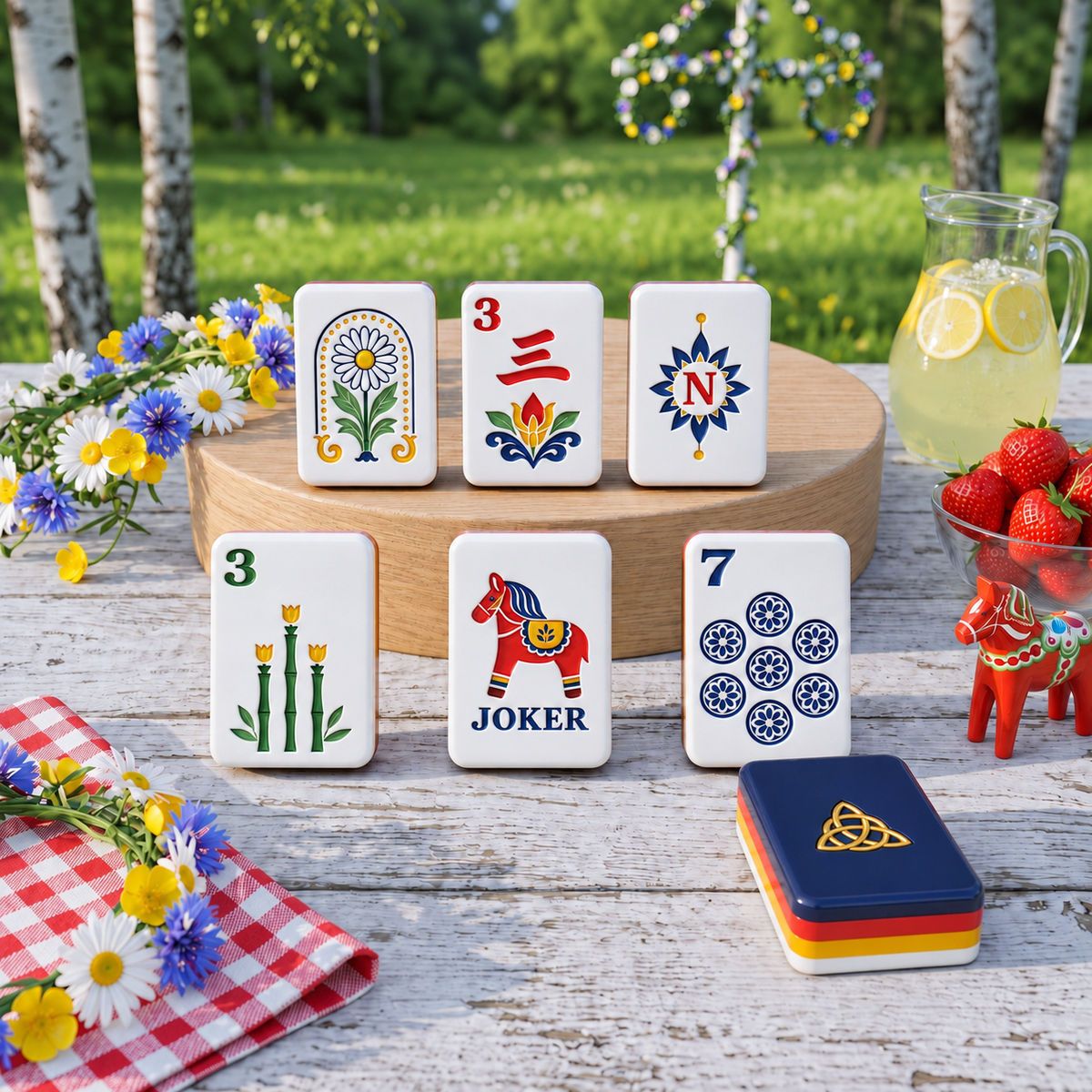
Florida mahjong tournaments run year-round, primarily through American Mahjong League–sanctioned events held in Miami-Dade, Broward, Palm Beach, and Hillsborough counties. Most tournaments occur on weekends at Jewish community centers, senior centers, and country clubs; entry fees typically range from modest amounts to higher buy-ins for larger events. To find tournaments, search your county library website for "mahjong club" listings, contact local synagogues' adult activity coordinators, or ask community center staff directly. Tournaments use the current year's National Mah Jongg League card, standard 152-tile American sets with 8 jokers, and follow round-robin or bracket formats lasting 2–4 hours. First-timers should verify the specific year's card rules in advance, arrive early, and bring a personal set if you already own one—most venues provide tables and tiles, but having your own best-selling mahjong sets means you practice with the exact tiles you'll play with, building crucial muscle memory.
How do you find tournaments near you in Florida?
Start with your county public library website—most post community event calendars that include mahjong clubs and their tournament schedules. Contact Jewish community centers directly (staff coordinate social games and sanctioned events). Visit local senior centers and ask about mahjong groups; many organize quarterly competitions. Meetup boards and Facebook groups specific to your county often announce weekend tournaments. Call ahead to confirm the current year's rules, entry fee, and whether you must pre-register or can walk in on game day.
🀄 Shop best-selling mahjong sets →

What are the rules for American mahjong tournaments?
Tournaments follow the National Mah Jongg League card released each spring for that year. Players must form hands exactly as printed on the card—no house rules or variations allowed. Each hand uses 14 tiles (13 in hand, 1 drawn or called). You may expose pungs (three identical tiles), kongs (four), quints (five), and sextets (six), but never chows (1-2-3 sequences). Jokers can fill any tile in an exposed meld, never used alone or as a pair. Winning hand is declared by saying "Mahjong" when you complete a legal pattern. Tournaments typically run four to eight rounds, each 15–20 minutes; scoring is based on wins, ties, and points from the League card. Understanding how to read the mahjong card before tournament day eliminates costly hesitation at the table.
Do you need a specific mahjong set to compete?
No official tournament requires a particular brand or design, but consistency in practice matters. Playing on one set repeatedly teaches you tile recognition speed, joker placement patterns, and rack flow—all essential under tournament time pressure. Some players bring personal sets with engraved titles or custom designs for confidence and comfort; others use the house tiles provided. The key: if you own a set, practice on it beforehand so your hand muscle memory aligns with tournament play. Engraved American mahjong sets with your name or a meaningful title add personal ownership and often encourage more focused preparation.
What pre-tournament checklist should you complete?
Before signing up:
Confirm the tournament date, location, start time, and parking.
Verify the entry fee and payment method.
Ask whether pre-registration is required or walk-ins are accepted.
Check which year's National Mah Jongg League card will be used.
One week before:
Study the current year's card thoroughly using how to play American mahjong as a refresher.
Play at least three casual games with friends to warm up hand recognition.
If you own a personal set, verify all tiles are present and jokers are clearly marked.
Day of tournament:
Arrive 15 minutes early to check in and learn table assignments.
Bring a notepad and pen to track scores if needed.
Eat a light meal before play begins to maintain focus.
Bring a personal set only if organizers permit; otherwise, expect house tiles.
What are the main tournament formats in Florida?
Format | Rounds | Duration | Scoring | Best For |
Round-robin | 4–6 | 90–120 min | Win/tie/loss vs. all players | Small clubs (12–16 players) |
Swiss bracket | 5–7 | 2.5–3.5 hrs | Wins paired by performance | Medium events (20–40 players) |
Double elimination | 6–8 | 3–4 hrs | Two-loss bracket | Competitive play; larger tournaments |
Speed/lightning | 2–3 | 45–60 min | Quick wins, casual prizes | Beginner-friendly, social events |
Round-robin formats dominate local Florida club tournaments; each player faces every other player once, so consistency beats luck. Swiss brackets appear in larger regional events where organizers pair players by cumulative wins, ensuring closer competition in later rounds. Choose a beginner-friendly format (speed rounds or small round-robin) for your first tournament to build confidence. Many clubs post format details on their calendar or confirm by phone—ask explicitly if you're new to tournament play.
🎁 See our most-loved mahjong sets & accessories →

How should you prepare mentally and tactically?
Tournament play differs from casual games in pace and pressure. Practice the Charleston (the tile-passing ritual before each hand) at speed; fumbling the pass costs time. Learn to spot winning patterns faster by playing the same year's card repeatedly—familiarity with common hands cuts decision time by half. Study mahjong jokers placement strategy: knowing which jokers to hold versus discard based on your hand type separates quick players from slow ones. Bring water and stay calm—most tournaments allow brief breaks between rounds. Play your first tournament in a social format (not double elimination) to focus on learning the room's pace rather than winning immediately.
What gear and accessories do you need to bring?
If you own a set, bring it in a protective case—tile cases keep tiles safe during transport and signal to organizers that you're prepared. Mahjong bags and cases designed for American sets fit standard 160-tile collections with room for a score sheet and pen. A personal mahjong mat is optional at tournaments (organizers usually provide tables), but if you practice on one at home, bringing it ensures consistent hand-feel. Racks with pushers are not allowed at most tournaments (organizers restrict hand visibility), so leave yours home and practice hand management without them before competition day. Dice should not be brought; tournaments provide house dice for tile-drawing randomness.
✨ Find your Mahstead set — free US shipping →
What to check before you buy tournament gear
Set completeness: Verify 152 playing tiles plus 8 jokers before purchase; count a spare joker if included separately.
Tile size consistency: Ensure all tiles are uniform in thickness and weight so they shuffle and draw evenly.
Joker clarity: Jokers must be visibly marked differently from numbered tiles; avoid sets where jokers blend into the face tiles.
Case fit: If ordering a case, confirm it accommodates your set's tile size and includes room for a scorecard.
Practice timeline: Begin practice on your set at least two weeks before tournament day to build muscle memory and tile-recognition speed.
Ready to compete? Start here.
Most Florida tournaments welcome first-timers; begin by contacting a local senior center or synagogue's mahjong coordinator this week. Attend one casual session first to learn the room's pace, then sign up for a beginner-friendly tournament. If you don't yet own a set, explore our best-selling designs—practicing on the same tiles you'll play with at tournament tables removes one variable and builds confidence. Return to mahjong for beginners if you need a rules refresher before your first game. The mahjong community in Florida is welcoming and organized; your first tournament is just a phone call away.

FAQ
Do I need to be a League member to enter a Florida tournament?
No. Tournaments are open to all players. Some clubs encourage League membership for larger regional events, but local tournaments welcome walk-ins and first-timers without membership. Verify with the organizer when you call to register.
What happens if I don't know a hand on the card during tournament play?
Ask the dealer to pause; most tournaments allow you to consult the current year's card during play. Hesitation costs game time but is not penalized. Studying the card beforehand eliminates this delay and keeps pace smooth.
Can I use a mahjong rack and pusher in a tournament?
No. Most tournaments prohibit racks because they hide hands from other players, violating fair-play rules. Practice without racks at home before competition to manage your 14 tiles in hand confidently.
How much does a tournament entry typically cost in Florida?
Entry fees vary by venue and format, ranging from modest club fees to higher buy-ins for larger regional events. Call ahead to confirm the fee for your tournament so you bring cash or check as required.
Where do I find the current year's mahjong card for practice?
The National Mah Jongg League card is printed each spring. Order a copy from league distributors, or ask your tournament organizer if they provide printed cards at the event. Many clubs sell copies at sign-in.


View More
View More
View More
