
Mahjong Hand Eye Coordination: Train Focus While You Play
Last updated: Nov 23, 2026
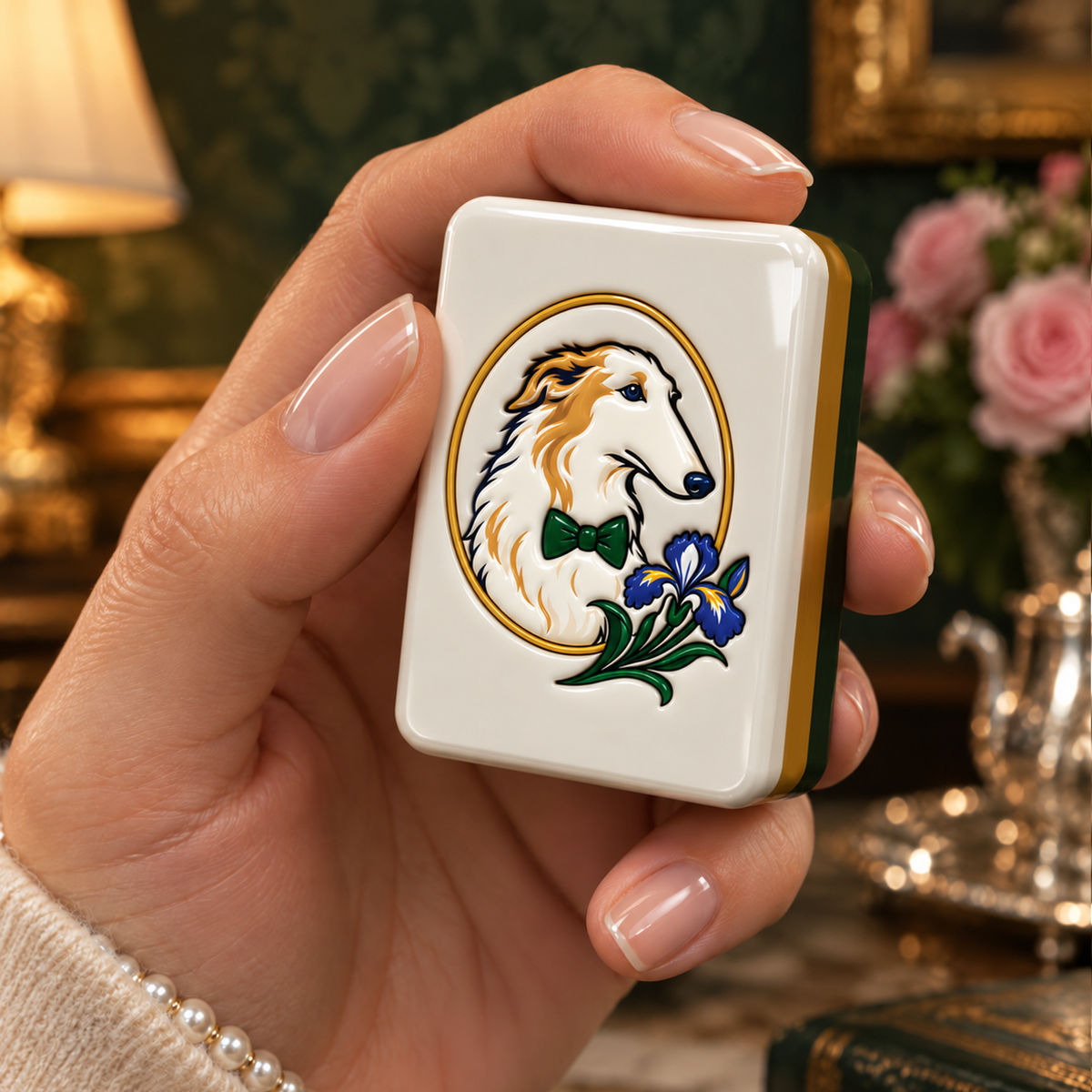
Hand-eye coordination in mahjong means the brain's ability to track tiles, recognize patterns, and direct hand movement with speed and accuracy—all under the pressure of a live game. Your eyes scan the wall and discard pile; your hands draw, arrange, and move tiles; your mind matches what you see to the current year's card. Unlike video games with constant feedback, mahjong demands sustained attention over 30–90 minutes. The coordination improves because every turn forces a decision: is that tile useful? Where does it go in your rack? Can you spot an opponent's dangerous discard? Players report sharper focus within weeks of weekly games. We recommend starting with a well-designed best-selling mahjong set and a padded mat so tiles slide smoothly, reducing hand strain and letting you concentrate on strategy rather than fumbling.
Mahjong trains hand-eye coordination by requiring rapid tile identification, precise hand movement, and sustained visual focus across 152 tiles. Your eyes scan the wall and discard pile; your hands draw, arrange, and move tiles; your mind matches what you see to the current year's card. Unlike video games with constant feedback, mahjong demands sustained attention over 30–90 minutes. The coordination improves because every turn forces a decision: is that tile useful? Where does it go in your rack? Can you spot an opponent's dangerous discard? Players report sharper focus within weeks of weekly games.
🀄 Shop best-selling mahjong sets →
How does mahjong train your eyes differently than other games?
Mahjong forces your eyes to work in three zones at once: your rack (13–14 tiles you hold), the discard pile (36+ tiles face-up, ever-changing), and the wall (the drawn tiles). Chess fixes the board; mahjong's information landscape rotates. You must also decode the current year's card—a laminated reference sheet with dozens of valid hand patterns—while keeping track of exposed melds. This rapid switching between detail (reading small numbers and symbols on tiles) and broad scanning (spotting which tiles are safe to discard) builds visual stamina. After five games, your scan speed accelerates; after twenty, your eyes anticipate patterns before you consciously recognize them.

What hand movements strengthen coordination?
Drawing from the wall demands smooth, controlled wrist motion: reaching, grasping, and rotating your hand to slide the tile into your rack without disrupting the others. Discarding requires precision—you must push a tile onto the discard pile clearly enough that the other three players see it instantly. Arranging your rack rewards dexterity: sorting tiles by suit, moving them left-right to try combinations, and removing jokers quickly all rely on fine-motor control. Over time, your fingers move with less hesitation. We've noticed players who use mahjong racks with pushers develop even stronger hand positioning because the pusher lever train precise finger pressure and thumb positioning. The rack itself props tiles at a consistent angle, reducing hand strain and letting you focus on accuracy rather than holding tiles upright.
Does speed improve coordination, or does accuracy matter more?
Both grow together, but accuracy comes first. A rushed discard that upsets the pile or a misread tile slows the entire table. New players benefit from playing at a comfortable pace—no timer, no rushing. Once your eyes reliably identify tiles and your hands move with confidence, speed follows naturally. We recommend practicing with high-contrast tiles (white background, clear numbers and symbols) rather than ornate designs; your eyes will lock onto the tile faster. A padded mahjong mat with a wrist rest zone helps newer players maintain consistent hand position and reduces fatigue that slows accuracy. After 10–15 games on a quality mat with clear tiles, most players find their speed has doubled without effort.
Can you measure hand-eye improvement in mahjong?
Yes—track three metrics: draw speed (seconds from wall touch to tile in hand), pattern recognition time (seconds to find a matching hand on the card), and discard accuracy (how often you avoid dangerous tiles). In week one, average draw time is 3–4 seconds. By week eight of weekly games, it drops to 1.5–2 seconds. Error rate (misread tiles or missed winning opportunities) typically falls 60–70% over the same period. Keep a simple log: date, game count, fastest draw of the session, and any hand you recognized instantly. You'll see the trend. Video your own hand mid-game and watch your wrist—efficient players move with one smooth arc from wall to rack; fumbling players use multiple stops. Seeing this on tape motivates refinement faster than any coach can describe it.

What equipment makes coordination training easier?
The surface matters most. A bare table transfers every impact; your hands tense and your movements become jerky. A padded mahjong mat with a soft, non-slip base cushions tiles and reduces hand shock. Tile size and weight affect grip: standard acrylic tiles (0.8–1 inch) are lighter and smoother than bone, which suits newer players. Clearer tile markings (high-contrast numbers and symbols) cut visual processing time. Engraved sets with personalized designs don't improve coordination directly, but they increase motivation to play weekly, and consistency is what drives skill growth.
Equipment | Coordination benefit | Best for |
Padded mat | Reduces hand fatigue, smooth gliding | All players |
Racks with pushers | Consistent hand angle, finger precision | Beginners to intermediate |
High-contrast tiles | Faster visual recognition | Rapid-fire games |
Tile bag with wrist strap | Reduces arm reach strain | Weekend hosts |
Standard acrylic set | Light, smooth, durable | Daily play |
🎁 See our most-loved mahjong sets & accessories →
What are common mistakes that slow coordination growth?
Playing on a hard, slippery table forces your hands to grip tightly—this locks your wrist and slows draws. Mixing tile sizes or styles in one set confuses visual recognition; your brain must re-identify each tile before moving it, wasting milliseconds. Ignoring the card during play (trying to memorize patterns) splits your focus; keep the card visible and use it freely. Sitting at an awkward height (too low or too high) strains your shoulder and forces compensatory hand tension. Rushing early games—before your eyes have mapped the tile positions—locks in poor habits. We recommend one beginner-paced game per session for the first month, then speed up only after you notice you're reading tiles before consciously looking. Poor lighting is underrated: glare on tiles or shadows over your rack cuts recognition speed. Play in bright, diffused light (no direct sun in your eyes).
We host weekly games, and we've seen coordination growth in players aged 8 to 92. The oldest learners sometimes improve fastest because they approach the game intentionally—no distractions, full focus. Younger players develop speed but often need reminders to check the card instead of guessing. Consistent play (once a week or more) beats marathon sessions; your muscle memory builds incrementally. A travel bag that keeps your set organized and portable encourages you to host or join games wherever you are—home, community center, friend's house. The more you play, the sharper your coordination becomes.
✨ Find your Mahstead set — free US shipping →
What to check before you buy:
Mat surface: Ensure it's padded and non-slip (tiles should glide smoothly without sliding uncontrollably).
Tile contrast: Look for clear, high-contrast numbers and suit symbols; avoid overly ornate designs if you're building coordination.
Set completeness: Confirm 152 playing tiles plus jokers; a full set supports consistent practice.
Playing space: 36+ inches square minimum so all four players can see tiles without stretching.
Lighting: Position your game table away from glare and under bright, diffuse light.
Read our beginner guide how to play American mahjong to understand the rules that govern the tile movements you're training, and see how the Charleston ritual itself builds hand dexterity before the game even starts.

FAQ
How long does it take to develop noticeable hand-eye coordination improvement in mahjong?
Most players notice sharper tile recognition and faster draws within 3–4 weeks of weekly play. Significant improvement (60% faster, fewer errors) typically appears by week 8–12. Consistency matters more than duration; one hour per week for eight weeks beats one eight-hour marathon.
Does mahjong improve hand-eye coordination if you play online?
No—online mahjong trains pattern recognition and strategy, but not hand-eye coordination. Your hands don't draw, arrange, or discard real tiles. In-person play is required for the physical, visual, and motor-skill benefits.
Is hand-eye coordination training different for American, Chinese, and Riichi mahjong?
The underlying coordination (tile movement, visual scanning, rack arrangement) is identical across all variants. American mahjong is slightly easier for coordination training because tiles are larger, numbers are clearer, and the discard pile stays visible—reducing eye strain.
What tile size is best for coordination training?
Standard 0.8–1 inch acrylic tiles suit most players. Smaller tiles (0.6 inch) challenge eye focus but increase hand strain; larger tiles (1.2+ inch) are easier but slower. Stick with standard size for the first 20 games unless you have vision or arthritis concerns.
Can children under 12 improve hand-eye coordination through mahjong?
Yes. Mahjong is especially effective for children because tile colors and symbols are visually distinct, hand movements are natural and repeatable, and there's no screen glare. Children often show the fastest speed gains (1–2 seconds per draw) within the first month.


View More
View More
View More
