
Mahjong Groups in South Carolina: How to Find & Join
Last updated: Nov 23, 2026
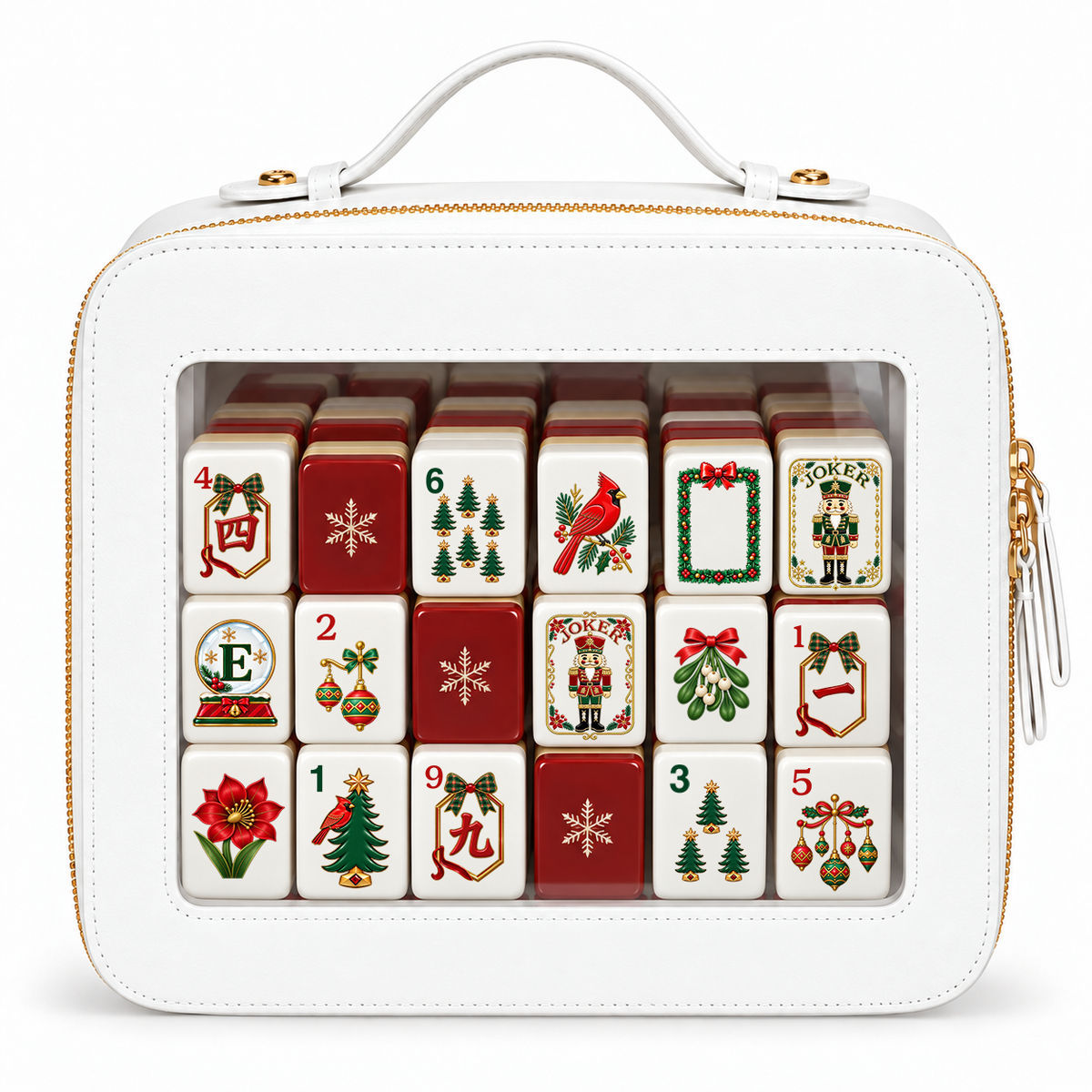
American mahjong groups in South Carolina meet year-round in community centers, libraries, synagogues, country clubs, and retirement communities—especially in Charleston, Columbia, and Greenville. Most groups play weekly, teach beginners, and welcome players of all skill levels. Games use the current year's National Mah Jongg League card, which refreshes every spring. To find a group, search library bulletin boards, ask at local senior centers, check synagogue activity calendars, or post on community meetup sites. First-time players should expect a teaching session on basic tile recognition, hand reading, and the Charleston (pre-game tile pass). Most groups provide loaner sets, but owning your own best-selling acrylic set transforms the experience—you'll recognize your tiles faster and feel more connected to the game. #
Where are South Carolina mahjong groups located?
Mahjong groups cluster in urban and suburban areas with established communities. Charleston has the strongest presence, with regular games at libraries and senior living centers near downtown and the peninsula. Columbia hosts weekly meetups in library meeting rooms and community centers around the city. Greenville's growing scene includes groups at country clubs and retirement communities. Coastal towns like Hilton Head and Beaufort have seasonal groups that swell in winter with snowbirds. Smaller cities—Spartanburg, Florence, Rock Hill—increasingly host informal home games and library gatherings. Check your local public library's event calendar first; most post club meetings and game times online. Ask the reference desk directly; librarians often know active mahjong players in town. Synagogues and Jewish community centers frequently host games open to non-members. Country clubs and retirement communities usually permit new members to observe or join after a brief introduction. Post on neighborhood Facebook groups or Nextdoor to find informal home games near you.
🀄 Shop best-selling mahjong sets →

How do you join a South Carolina mahjong group as a beginner?
Most groups welcome beginners and expect to teach the rules during your first visit. Arrive 15 minutes early and introduce yourself to the host or coordinator. Bring a small notepad to jot down tile names—Bams, Craks, Dots, Winds, Dragons, Flowers. The group will explain the current year's National Mah Jongg League card, which contains all legal hands. Don't worry if you don't understand immediately; every player remembers their first game. Groups almost always provide loaner sets for newcomers, but owning your own set speeds learning—you'll practice tile recognition at home and feel confident in the room. Most groups meet weekly at a set day and time; ask about the next session and whether registration is needed. If you're joining a library group, you may need a library card. Home games are usually informal; show up with snacks or drinks if invited. Mention if you have any experience with other games like bridge or card games; mahjong players respect strategic thinkers.
What are typical weekly schedules for South Carolina mahjong groups?
Groups meet year-round, though summer can be quieter as players travel. Most gather on a single weekday—often Tuesday, Wednesday, or Thursday—from late morning (9–10 a.m.) through early afternoon (2–4 p.m.). Evening games (6–8 p.m.) are less common but do exist in Charleston and Columbia. Saturday morning games attract working players and families. Some groups run a formal season from September through May, aligned with the school year and the National Mah Jongg League schedule. Summer replacement groups or "casual play" sessions happen monthly at libraries but may not follow the League card—check first. Holiday breaks (Thanksgiving week, Christmas, New Year's) often shift dates or cancel that week. Contact the group host to confirm the current schedule; volunteer coordinators sometimes skip a month or two. If you find one group that doesn't fit your schedule, post a wanted ad locally; a second group often exists but meets at a different time. Retirement communities and senior centers tend to play year-round without breaks, even through summer.
What equipment do you need to play in a South Carolina group?
The National Mah Jongg League requires exactly 152 tiles and 8 jokers per game. Your group provides sets initially, but after a few sessions, buying your own set is the natural next step—it speeds recognition, supports the game's culture, and lets you practice at home. An American mahjong set includes the 152 playing tiles, 8 jokers, a rack with pushers for each player, and often a cloth mat. Some groups use a mat or table cover to protect the playing surface and mark boundaries; this is optional but helpful in a shared library or community space. A rack with pushers organizes your tiles and lets you draw tiles cleanly without fumbling. Many groups use a turntable in the center for the wall and tile pass. You do not need a score pad if your group tracks points orally, but some players bring one. The National Mah Jongg League card (new each spring, free at group meetings) is mandatory. If you plan to host friends or travel with your set, a padded bag or case protects the investment. Below is a checklist of what's actually used in a South Carolina group setting:
Item | Why You Need It | Group Provides? | Buy Your Own? |
152-tile acrylic set | Core game | Yes, initially | Yes, after 2–3 sessions |
Racks with pushers (4) | Organize your hand | Yes, usually | Only if upgrading |
Mat or table cover | Protect surface & mark boundaries | Sometimes | Optional but nice |
Current year's League card | Read legal hands | Yes, free | Not needed; group has one |
Dice (2) | Draw order & tile selection | Yes, usually | Not needed |
Score pad | Track points (optional) | No | Only if you keep detailed scores |
Bag or case | Transport & storage | No | Yes, if you host or travel |
🎁 See our most-loved mahjong sets & accessories →

What should beginners know about American mahjong rules specific to group play?
American mahjong is distinctive: unlike Chinese variants, it has no sequences (chows) you can call or expose—you may only expose pungs (3 identical tiles), kongs (4), quints (5), and sextets (6). Jokers can never be used as a single tile or as a pair. All hands come from the current year's National Mah Jongg League card—your group will teach you to read it. Before the first hand is dealt, players pass tiles in a ritual called the Charleston: you pass 6 tiles to your right, then 6 to your left, then 6 across. You then have one optional pass—this is how the Charleston works. Jokers substitute for any tile in an exposed set (pung, kong, etc.) but cannot fill a pair or a single-tile spot. Most groups use League-standard scoring, though informal home games sometimes simplify. If you make a mistake—exposing an illegal pung or calling a wrong hand—the group stops the round and corrects it; this is normal and not embarrassing. Ask the group coordinator to walk you through the card during your first visit. Download the current League card online before you arrive; reading the patterns at home will boost your confidence enormously.
How much does it cost to join or play in a South Carolina mahjong group?
Most South Carolina mahjong groups are free or nearly free. Library-hosted and synagogue-based groups have no membership fee. Community centers may charge a small room rental that's split among players, but this is uncommon. Home games sometimes ask players to contribute a few dollars to cover refreshments or the host's supplies. Senior living communities include mahjong in resident activities at no additional cost. The only real expense is buying your own set after you've decided to stay active—see current price on the best-selling collection or the matching product collections for engraved sets, which are popular as gifts. Once you own a set, the only ongoing cost is the annual National Mah Jongg League card, which your group usually distributes for free or at a nominal cost. If you travel to a different group or host friends, shipping or storing your set costs nothing with our free US shipping when you buy from Mahstead. The game itself is one of the lowest-cost hobbies in South Carolina.
What to check before you buy your first set
Ask your group which tile material they prefer. Acrylic is durable, loud (satisfying for experienced players), and easy to clean. Bamboo and bone sets are quieter and more traditional but need careful storage. Most American players use acrylic.
Verify the group uses the current year's National Mah Jongg League card. If they use an older edition or a Chinese variant, set choice may differ—check with your coordinator first.
Check if your group has a preferred set size or design. Some groups appreciate matching sets for tournaments; others embrace variety. A basic acrylic set with clean markings works for everyone.
Test the tiles and racks in someone else's set during your first session. This tells you instantly whether you want the same weight, size, and feel—don't guess.
If you want an engraved set or a holiday gift design, order early. Customized mahjong titles and Christmas sets ship free across the US but have lead time during peak season.
Confirm your group's room allows acrylic tile sound. Library meeting rooms and senior centers always do; some apartment buildings have noise rules.
✨ Find your Mahstead set — free US shipping →
#

FAQ
How do I find a mahjong group if my city isn't listed online?
Call your local public library reference desk and ask if they host or know of a mahjong group. Post on Nextdoor or a local Facebook group asking "Looking for a mahjong game in [your town]"—most towns have hidden home games. Check synagogue or Jewish community center websites for scheduled games. Contact retirement communities directly; many host regular games open to non-residents by introduction.
Can I play with a borrowed set or do I need to own my own immediately?
Borrowed sets are perfect for your first 2–3 visits. You'll recognize your tiles faster with practice at home, so buying your own set (available from Mahstead with free US shipping) boosts learning speed significantly. Most groups expect you to own a set after 4–6 sessions, but there's no formal rule.
What if I'm the only beginner in an advanced group?
Experienced players enjoy teaching; it keeps them sharp and grows the game locally. Arrive early, watch one hand before playing, and ask clarifying questions about the card and the rules. You'll catch up within 3–4 sessions. Ask the group if they have a beginner-friendly time or day; some offer both.
Do I need to travel to Charleston or Columbia to find a regular game, or are smaller towns covered?
Charleston and Columbia have the most frequent games, but Greenville, Beaufort, and Hilton Head each support at least one active group. Smaller towns (population under 50,000) usually don't have scheduled groups, but informal home games exist—ask at libraries or post locally. Starting your own game with 3–4 friends is entirely normal and fun.
What's the difference between American mahjong groups and Chinese or Hong Kong groups in South Carolina?
American groups use the National Mah Jongg League card and rules (no sequences, jokers only in exposed sets). Chinese and Hong Kong variants allow chows and have different scoring. Most South Carolina groups play American mahjong because it's the dominant style in the US. If you want to try a variant, ask your group coordinator—some cities have both types meeting on different nights.
Should I buy a set before I find a group, or after I attend my first game?
Attend your first game with the group's loaner set. During session two or three, you'll know whether you want to continue. If you do, order a set then. This gives you time to observe preferences (tile size, rack style, mat thickness) and ask experienced players for recommendations. Mahstead sets ship free across the US, so ordering mid-week and playing with it the following week is realistic. --- 🀄 Shop best-selling mahjong sets →


View More
View More
View More
