
Riichi vs Singapore Mahjong: Key Rules & Differences
Last updated: Nov 23, 2026
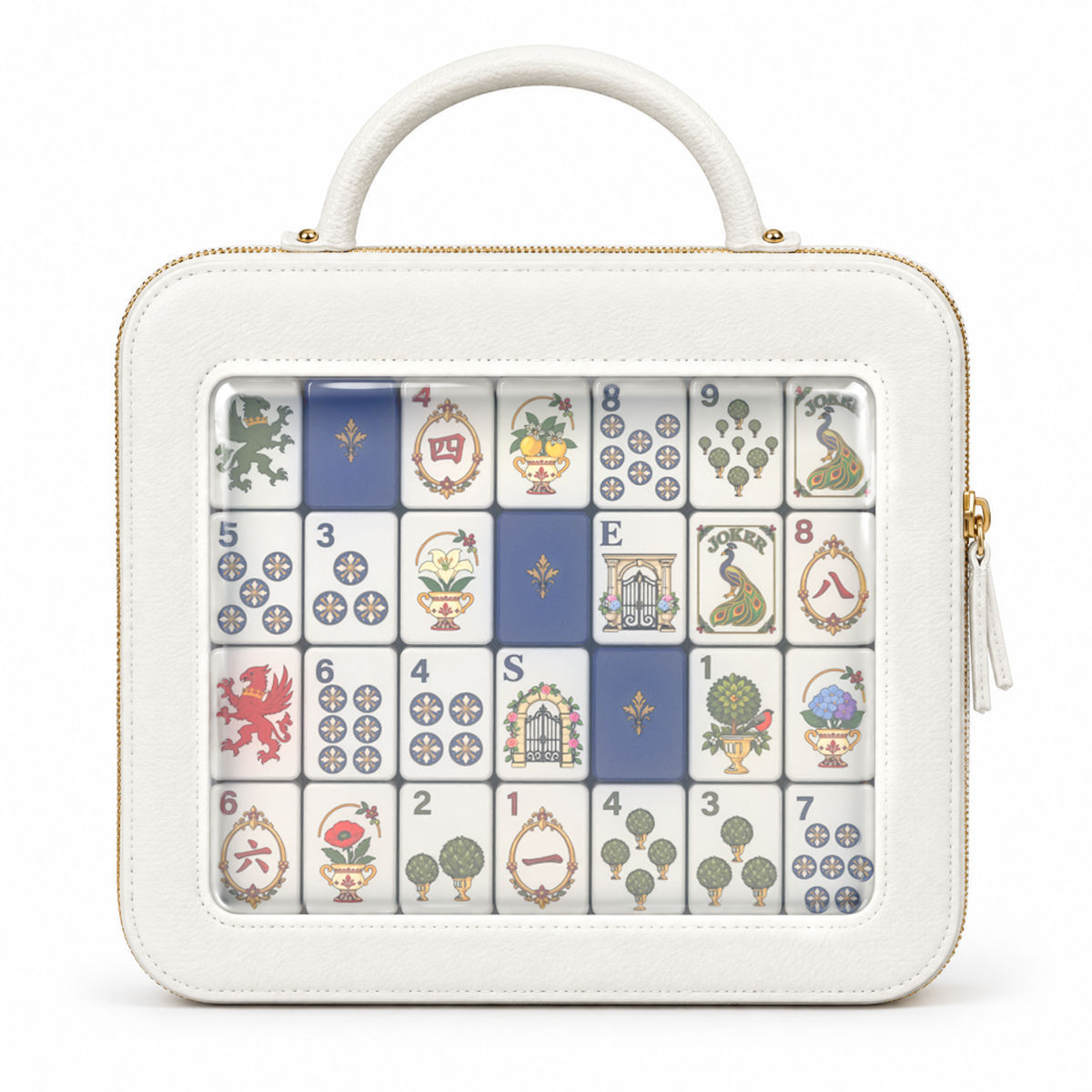
Riichi mahjong (Japan's standard) and Singapore mahjong (played across Malaysia, Singapore, and Taiwan in regional variants) both use 136 tiles: three suits of 1–9 (36 tiles), 16 winds, 12 dragons, and 8 flowers. Riichi emphasizes concealment—you hold all tiles hidden and declare a ready state ("riichi") to earn bonus points before winning. Singapore variants permit more tile exposure: melds (pungs, kongs, chows) are declared and revealed face-up mid-play, similar to Hong Kong mahjong. Riichi awards points for hand patterns and drawing conditions; Singapore scores by melds completed and tile sequences. Riichi typically plays with one deck; Singapore uses 136 tiles fixed. Neither variant is American mahjong—no jokers, no Charleston passing, no season/flower tile draws. If you host weekly games across regions, you'll need separate tile sets for each variant; the best-selling acrylic sets come in American-only designs, so Riichi or Singapore players should source rule cards and region-specific tile sets locally. 🀄 Shop best-selling mahjong sets →
What is Riichi Mahjong—and Who Plays It?
Riichi mahjong dominates Japan and attracts competitive worldwide play. The game uses 136 tiles (no blanks, no jokers) and rewards a player for declaring "riichi"—announcing readiness with a ready hand before drawing a winning tile. Once riichi is declared, your hand is locked: you may not change melds or patterns. You earn bonus points for riichi itself (1 additional point called "riichi bonus") and double points if you win immediately after. This mechanic makes Riichi highly tactical: declaring too early invites others to fold or block your win. Play is entirely concealed until reveal; melds are never exposed. Winning hands must follow specific patterns (yaku: hand "types") such as all Simples (2–8 in each suit), All Honors (winds and dragons only), or self-drawn wins (tsumo). Riichi is fastest at two hours for four players and is the official Japanese tournament standard.

How Does Singapore Mahjong Differ in Play?
Singapore mahjong (and its variants in Malaysia and Taiwan) permits exposed melds—the opposite approach. When you form a pung (three identical tiles), kong (four identical), or chow (sequence: 1-2-3, 2-3-4, etc.), you may declare and place it face-up on the table immediately. This transparency lets opponents plan around visible melds and adjust their own hand strategy mid-game. Chows are unique to Singapore variants; Riichi prohibits sequences entirely. Winning hands in Singapore focus on melds completed (each meld scores), not pattern types. A hand win scores based on the number and type of melds (e.g., a hidden pung scores higher than an exposed one). Singapore play averages 90–120 minutes per four-player round. The rule set is looser: some tables permit tile "stealing" (claiming a discard to complete a meld out of turn) under strict conditions, whereas Riichi forbids this. Singapore is social and beginner-friendly; Riichi rewards deep study and memory.
Tile Count & Composition: Where They Agree and Diverge
Both Riichi and Singapore mahjong use exactly 136 tiles, never more or fewer. Here's what's identical: three suits (Bam, Crak, Dot) × 1–9 each = 108 tiles; 16 winds (4 copies each of North, East, South, West); 12 dragons (4 Red, 4 Green, 4 White); 8 flowers (4 Plum, 1 Orchid, 1 Bamboo, 1 Chrysanthemum—or other regional variants). Where they diverge: American mahjong adds 8 jokers and seasons, totaling 160 tiles in play. Riichi and Singapore drop jokers and seasons entirely. This means a Riichi or Singapore set is smaller and lighter than an American set—no spare jokers, no blank tiles, no push racks needed. If you're switching variants mid-season at your table, you'll need two distinct tile sets. Our best-selling acrylic sets are designed for American mahjong exclusively (152 tiles + 8 jokers); for Riichi or Singapore, consult your local mahjong supplier or a Japan-focused specialty retailer.

Winning Conditions: Pattern vs. Meld Scoring
Variant | Win Trigger | Hand Type | Scoring Focus | Speed | Social Level |
Riichi | Hidden hand + draw or discard match | Yaku (pattern name) | Bonus for riichi, self-draw, pattern rarity | 2 hours | Competitive |
Singapore | Exposed or hidden melds completed | Meld count + concealment | Points per meld (hidden > exposed); sequences valued | 90 min | Social |
In Riichi, a winning hand must match a named yaku—a specific hand shape. For instance, "All Simples" means every tile is 2–8 (no 1, 9, or honors). Declaring riichi early signals strength but locks your strategy. If another player wins before you, you lose the round and pay the table. Singapore rewards flexibility: you build melds one by one, each earning partial points. A player can win with three hidden pungs and two exposed chows—scoring for each meld as it's revealed. Riichi offers larger single-round payouts; Singapore spreads points across rounds. Riichi players study yaku names for years; Singapore players focus on quick meld recognition and adaptability.
Common Mistakes When Switching Variants
Mistake 1: Assuming Chows Work the Same Way. In Riichi, chows (sequences) don't exist—you can only form pungs and kongs. In Singapore, chows are standard melds. Many players new to Singapore accidentally try to expose a sequence as if it were a valid meld under Riichi rules; it isn't. Always confirm your variant's meld rules before the first hand.
Mistake 2: Declaring Riichi Too Early. Riichi players often declare readiness prematurely to collect the bonus, only to have an opponent win before their draw comes. Beginners underestimate the cost: you pay double if another player wins while you're riichi. Singapore has no equivalent risk, so the psychology is entirely different.
Mistake 3: Mixing Tile Sets. American mahjong tiles are larger and include jokers and blanks; Riichi and Singapore tiles are smaller and exclude them. Accidentally mixing a few American jokers into a Riichi game invalidates the hand. Keep sets physically separate if your group plays both variants.
Mistake 4: Scoring Confusion. Riichi scoring is point-value based on pattern rarity and conditions; Singapore scoring is meld-count based. Asking "how many points is that hand?" without specifying the variant will cause a 10-minute argument. Write your scoring sheet for the variant before seating players.
What to Check Before You Buy | Answer |
Do you already own an American set? | Yes → keep it separate; no Riichi/Singapore mixing. |
How often will your group switch variants? | Often → buy dedicated sets for each (don't share). |
Are you teaching or hosting? | Hosting → clarify variant before invitations. Teaching → start with one and stick to it for 6 weeks. |
How many players? | Riichi & Singapore: 4 only (rare 3-player house rules exist; avoid them as a beginner). |
Can your table accommodate a rule card? | Yes → print the variant's rule sheet and keep it face-up. |
🎁 See our most-loved mahjong sets & accessories →
When to Choose Riichi, When to Choose Singapore
Choose Riichi if: your group includes Japanese speakers, you value tournament-standard rules, players want to study hand patterns seriously, or you're competing in events. Riichi suits committed, long-term players. Hosting a Riichi night requires pre-game study and a printed yaku chart.
Choose Singapore if: your table mixes experience levels, you want faster rounds, players prefer social play over tactics, or you're teaching mahjong to newcomers. Singapore's exposed melds and flexible scoring let beginners contribute immediately. If you're building a weekly game from scratch, Singapore is more forgiving.
Mixed tables: Don't do it. Switching mid-night causes rule disputes and slows the game. Pick one, commit for the season, then rotate if your group votes. This keeps the culture consistent and prevents tile-mixing accidents.
✨ Find your Mahstead set — free US shipping →

FAQ
Can I use American mahjong tiles to play Riichi or Singapore?
No. American sets include 8 jokers and 8 season tiles (160 tiles total); Riichi and Singapore use exactly 136 tiles with no jokers. The tile count breaks both variants. You need a region-specific set.
Is Riichi mahjong harder than Singapore?
Yes, for most learners. Riichi requires memorizing 13+ named hand patterns (yaku) and hidden-hand strategy. Singapore teaches meld recognition and scoring, which is more intuitive. Start with Singapore if you're new.
Do Riichi and Singapore use the same wind and dragon tiles?
Yes. Both use North, East, South, West (16 total) and Red, Green, White dragons (12 total). Flowers differ slightly by region, but core honors are identical.
How long does a Riichi game take vs. Singapore?
Riichi typically runs 90–120 minutes for four players; Singapore runs 60–90 minutes. Riichi includes more analysis; Singapore moves faster because melds are exposed.
What's the best way to teach someone Riichi if they only know American mahjong?
Teach them that there are no jokers, no Charleston passing, no season tiles, and that all hands are hidden until win. Have them study 5 basic yaku before the first game. Consider a free online simulator (Mahjong Soul, Tenhou) for practice.
Can three people play Riichi or Singapore?
Official rules require four. Some house variants exist for three-player, but they involve rule modifications not in standard play. Stick to four for competitive or learning games.
Do I need special racks or pushers for Riichi?
No. Riichi players hold tiles in hand; Singapore players may use short racks. American mahjong racks with pushers (designed for pushable 160-tile sets) are larger and incompatible with the smaller 136-tile Riichi and Singapore tiles.


View More
View More
View More
