
Mahjong Groups in New Jersey: Where to Play & What You Need
Last updated: Nov 23, 2026
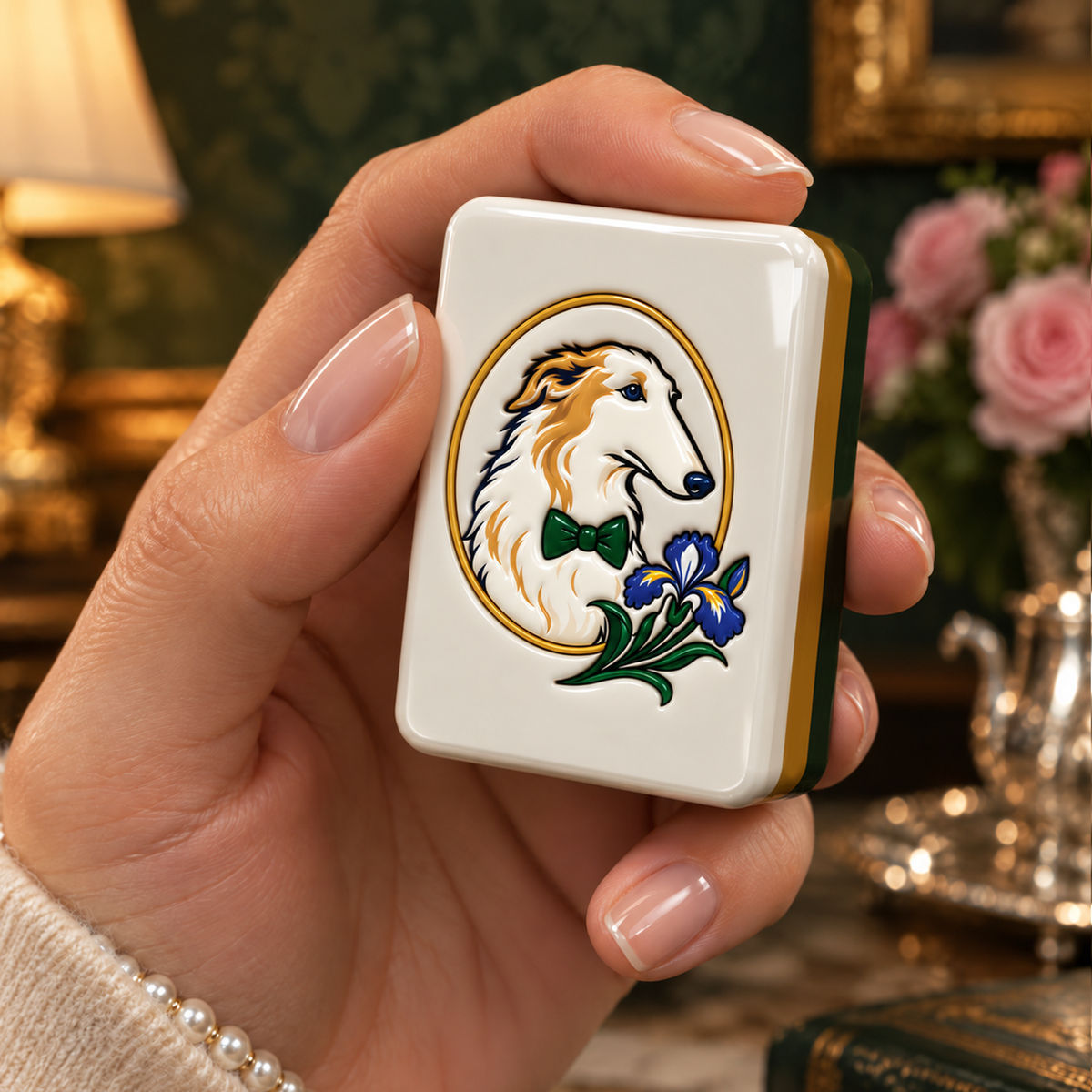
New Jersey's mahjong scene is strongest in the northern suburbs (Bergen, Essex, Hudson counties) and around the Shore, though players organize in most mid-sized towns. Community centers, public libraries, synagogues, country clubs, and Meetup boards host regular games—most run weekly on Tuesday through Thursday evenings or weekend afternoons. Players are mixed: longtime devotees, recent retirees, and 30-somethings learning American mahjong for the first time. Expect a 152-tile American set (the standard), a current National Mah Jongg League card, a mat, and snacks; games cost nothing to a modest table fee. Start by calling your local library or searching Meetup for "mahjong" + your town name; many groups welcome newcomers at their first session, and most players will loan you a set if you arrive without one. Mahstead's best-selling mahjong sets arrive ready to play, so if you decide to buy, you'll have your own.
New Jersey's mahjong groups range from casual home games to organized clubs that meet year-round. Most American mahjong players in the state follow the National Mah Jongg League card (issued every spring), which dictates all legal hands for that season. The community is welcoming, and finding a group is easier than most people think—you just need to know where to look and what to expect on your first night.
Where exactly do New Jersey mahjong groups meet?
Your best bets are public libraries (ask the reference desk or check the events calendar), community recreation centers, synagogues and Jewish community centers, country clubs with recreation programs, and senior centers in towns with retiree populations. Some groups also meet in homes or reserved rooms at restaurants. Search Meetup.com for "mahjong + [your town]" or "[county] mahjong"; browse Facebook groups like "New Jersey Mahjong Players" (though verify before attending); call your library directly—many have bulletin boards or staff who know local players. Northern Jersey (Bergen County, Essex County, Hudson County area) has the highest concentration of clubs, but games exist in Monmouth, Ocean, Union, and Morris counties too.

How do I know if a group is for beginners or experienced players?
Most groups publish their skill level in their description: "beginner-friendly," "beginner to intermediate," or "experienced only." If the listing doesn't say, contact the organizer directly and ask whether they teach newcomers or expect you to know how to play American mahjong. Beginner-friendly groups will explain the Charleston, scoring, and how to read the National Mah Jongg League card. Experienced-only groups assume you know the rules and will move fast. Honest tip: if you've never played, choose a beginner group first. You'll learn faster and feel less pressure.
What should I bring to my first mahjong night?
Bring a mahjong set if you own one, but don't panic if you don't—most groups have spares or will lend you one. You'll also need the current season's National Mah Jongg League card (ask the group organizer for the year, or order online for about the cost of a sandwich). A pen or pencil for scoring, snacks to share (optional but appreciated), and cash for any table fee (if one exists). Many groups charge nothing; others ask a small amount per game to pay for space rental or supplies. Wear comfortable clothes—you'll sit for 2–3 hours. Many New Jersey clubs meet in rooms where you can open windows or control temperature, so dress in layers. If you're serious about joining regularly, our best-selling mahjong sets include everything needed and free shipping across the US.
🀄 Shop best-selling mahjong sets →
How often do groups meet and what's a typical game night?
Most weekly groups gather once per week, usually Tuesday, Wednesday, or Thursday evening (6 or 7 p.m. start) or Saturday/Sunday afternoon. A typical session lasts 2–3 hours and includes 3–5 games depending on pace. Each game takes 30–50 minutes once everyone knows the rules. You sit around a table or mat with three other players. One person draws and discards, others follow suit, and play continues until someone completes a legal hand from the current National Mah Jongg League card. Between games, players chat, eat, and sometimes rotate tables. Beginners often play slower; don't feel rushed. Most groups are relaxed and social—the game is the excuse, not the pressure. Ask the organizer if drop-ins are welcome or if you need to RSVP.

What's the real cost, and is equipment provided?
Games themselves are free or cost a small table fee (typically a few dollars per person per session to cover room rental or a host's snacks). You don't gamble or lose money on tiles or hands in American mahjong—no betting. Equipment is not always provided, so understand what you're walking into. Some groups own communal sets; others expect players to bring their own. If you need to buy, our best-selling mahjong sets come 160-tile (152 tiles for play + spares) and are ready out of the box. You'll also eventually want a mat (protects your tiles and makes the table easier to read), a rack with pushers (holds your tiles and keeps hands organized), and a bag if you carry your set between homes. None of this is mandatory to start, but after a few weeks most players own at least a set and a mat.
What You'll Need | First Night | After 4–6 Weeks | Why It Matters |
Mahjong set | Borrow or bring | Own | Rules say you play with exactly 152 tiles + 8 jokers. Spares come in 160-tile sets. |
National Mah Jongg League card (current year) | Ask organizer | Purchase yourself | Hands come only from the card. Without it, you can't read legal hands or score. |
Mat or table cover | Optional | Recommended | Protects tiles, organizes play, easier to read. |
Rack with pushers | Optional | Very helpful | Holds your tiles, prevents miscounts, reduces shuffle time. |
Bag or case | Optional | Nice to have | Carries your set between locations. |
🎁 See our most-loved mahjong sets & accessories →
What should I check before I buy my own set?
If you decide to purchase, verify that any set you buy includes all 152 playing tiles (the standard) plus spares. American mahjong sets are not all the same size, thickness, or tile count, so measure before ordering. A comparison of best American mahjong sets explains the differences. Check that jokers are marked clearly (you'll need to tell them apart from regular tiles). Make sure the set comes with a felt-backed mat or you can buy one separately—naked tiles on a bare table cause tiles to scatter during the shuffle. If you attend a club regularly, an engraved set with your name or a funny title makes a great personal investment and becomes a talking point. For travel between games, consider a bag or case so your set doesn't get damaged.
✨ Find your Mahstead set — free US shipping →
How to find a group: the step-by-step checklist
Step 1: Identify your town or county in New Jersey. Open Meetup.com or Facebook and search "mahjong + [town name]" or "[county] mahjong players." Write down any group names, contact info, and meeting times.
Step 2: Call your local library (ask for the reference desk or recreation coordinator). Say: "Do you host a mahjong group or know of one in town?" Many libraries keep event flyers or contact lists.
Step 3: Check community recreation centers and senior centers in your area. These often host Wednesday or Thursday afternoon games.
Step 4: Ask at your synagogue, JCC, or country club if you're a member. Many have internal clubs or know who organizes games.
Step 5: Contact the organizer by phone or email. Ask three things: (a) What day and time do you meet? (b) Are newcomers welcome, or do I need prior experience? (c) Should I bring a set, or will one be provided?
Step 6: Show up 10 minutes early on your first night. Introduce yourself as a newcomer, ask where to sit, and watch the first hand before playing. Most groups will guide you through the Charleston and first hand.
Step 7: If you like the group, ask if they have a mailing list or text thread for cancellations or schedule updates.

FAQ
Do I need to know how to play before I show up to a group?
No. Beginner-friendly groups will teach you. Tell the organizer you're new when you contact them, and they'll place you with patient players. Experienced-only groups will assume you know the rules, so confirm the skill level first.
Can I play American mahjong with fewer than four people?
American mahjong requires exactly four players per the standard rules. Some groups offer 2 or 3 player variants, but these use different tiles and hands. Ask your group if they ever run a 2- or 3-player version.
What if I don't have a National Mah Jongg League card?
Ask the organizer for the current year's card (they may have extras) or order one online. Games cannot legally proceed without the card—all hands come from it. Without one, you won't know what counts as a winning hand.
Is there an age limit, or do young people play in New Jersey clubs?
No age limit. Most clubs are mixed, with players aged 30 to 85. Some clubs skew older (retirees), others younger (newer players). Ask the organizer about the typical age range if that matters to you.
What if I make a mistake or misread a hand during play?
Mistakes happen constantly. Players will politely correct you or ask if you meant something else. American mahjong is competitive but social—no one plays perfectly at first. Experienced players expect beginners to learn as they play.
Do I have to pay money to learn or play?
Not typically. Games are free or cost a small table fee (a few dollars) to cover room rental or a host's snacks. There's no gambling or betting in American mahjong. You're paying for access to a table and company, not for tile outcomes.
What if the nearest group meets too far away?
Consider starting your own game at home or your library. Gather three friends, watch our how-to-play guide, and buy a 152-tile set. Many New Jersey games started exactly this way—a group of four people who wanted to learn together.
Can I bring my own set to a group that has communal sets?
Almost always yes. Many experienced players bring personal sets. Just ask the organizer first. If your set looks different (tile color, size, joker design), mention it so players know it's yours and not the house set.


View More
View More
View More
