
Singapore Mahjong Winning Hands: Rules and Patterns
Last updated: Nov 23, 2026
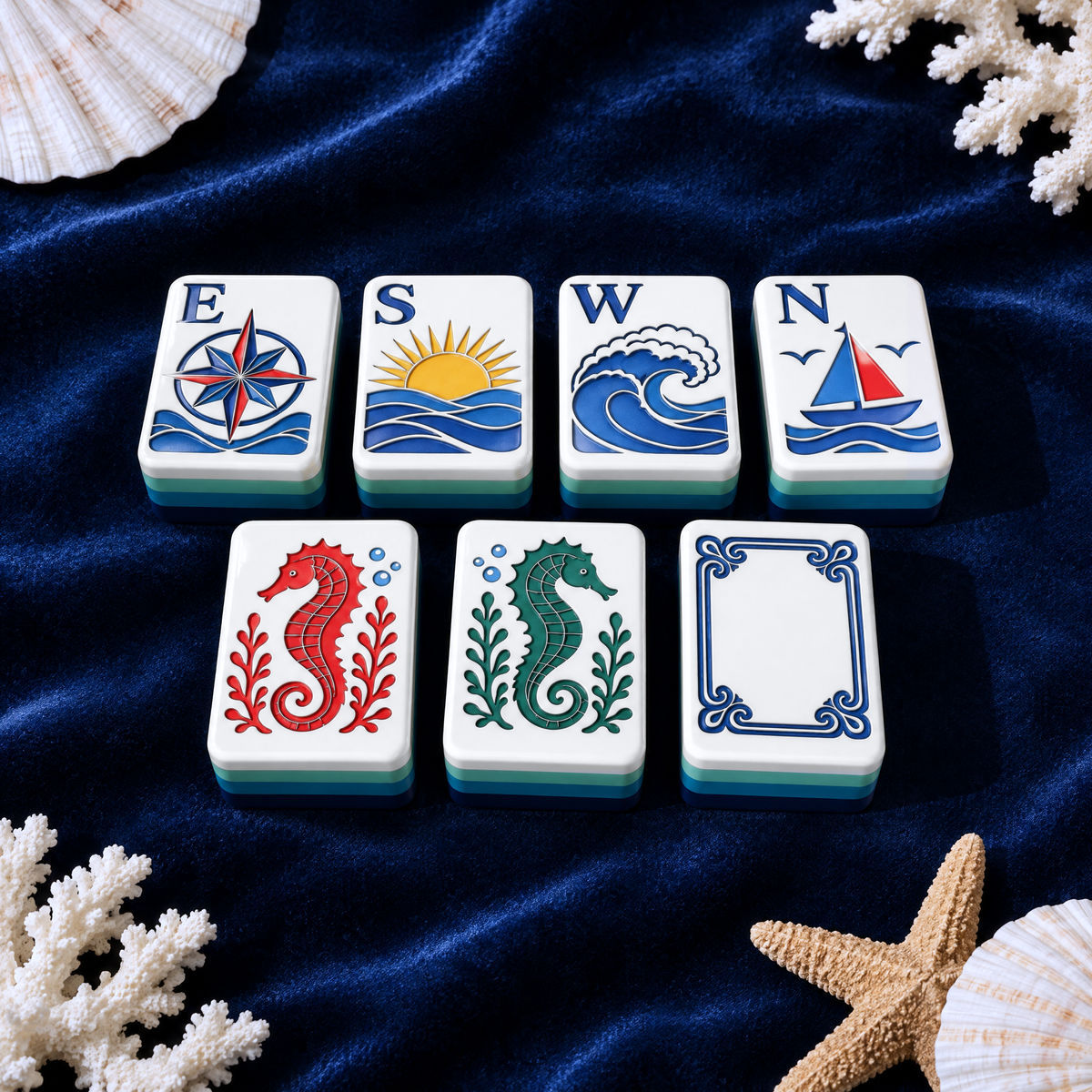
Singapore mahjong winning hands are built from 14 tiles: one pair plus four melds (chows, pungs, kongs, or quints). A chow is three consecutive numbers in one suit (like 4–5–6 Dots); a pung is three identical tiles; a kong is four identical tiles. Players win by completing a hand that matches one of several pattern categories: all simples (no terminals or honors), all terminals and honors, all one suit, winds and dragons only, or mixed combinations. The hand must be declared "ready" (waiting for one specific tile) before drawing that winning tile, either from the deck or claimed from another player's discard. Singapore mahjong plays faster than American mahjong—no card needed, no jokers used, and hands reset each round—making it ideal for players who enjoy speed and pattern recognition over elaborate scoring.
What is a valid Singapore mahjong winning hand?
A winning hand contains exactly 14 tiles: one pair (two identical tiles) and four melds. Each meld is either a pung (three identical tiles), a kong (four identical tiles), a chow (three consecutive numbers in one suit), or a quint (five consecutive numbers in one suit). The hand must follow one of the defined winning patterns—such as "all simples," "mixed bamboo and circles," or "all honors"—set by the table before the round begins. Once your hand is complete and matches the declared pattern, you win immediately by announcing "mahjong."

How do chows and pungs differ in Singapore mahjong?
A chow is a meld of three consecutive tiles from the same suit: 1–2–3, 4–5–6, or 7–8–9 Bams, Craks, or Dots. You can form a chow from your own tiles or claim a discard from the previous player if it completes your chow. A pung is three identical tiles—three 5 Dots, three East Winds, three Red Dragons—and you can only form or complete a pung from your own hand or by claiming a discard. Pungs are safer because they require exact matches; chows offer more flexibility since consecutive numbers allow edge cases like 1–2–3 or 7–8–9. The difference matters when you're "ready": if you need one tile to win, your waiting tile must complete either a chow or pung within your declared pattern.
What does "ready" mean and how does it affect winning?
In Singapore mahjong, a hand is "ready" (or "ting") when you need exactly one more tile to win and you have declared that state to the table. You cannot win on a tile you draw yourself once you are ready—you must win by claiming a discard from another player. This rule prevents players from hiding their hand strength and keeps the game transparent. Once ready, other players know you are one tile away and can play more defensively. If you draw the tile you need while ready, you must discard it and pass the turn; you do not win. This creates strategic tension: you must decide whether to declare ready early (giving away information but increasing chances of winning on a discard) or stay hidden longer (losing the ability to win on your own draw).
Which winning patterns rank highest in Singapore mahjong?
Common winning patterns include all simples (only number tiles 2–8, no terminals 1–9 or honors), all terminals and honors (only 1–9 and winds/dragons), all one suit (any combination of one suit plus honors), and concealed hand (all tiles drawn from the deck, no discards claimed). Patterns that are harder to achieve—such as all honors (only winds and dragons) or seven pairs (seven individual pairs instead of melds)—typically earn higher payments. Some tables use a point system: a basic win pays one unit to each player; a win with a harder pattern pays two, three, or more units per player. The exact pattern list and payouts depend on house rules, so confirm the pattern list and payment structure before starting. Learn more about how mahjong scoring works across variants.
How does Singapore mahjong differ from American or Chinese variants?
Singapore mahjong uses 144 tiles (all identical) with no jokers or blanks, whereas American mahjong uses 152 playing tiles plus 8 jokers. Singapore play emphasizes speed: a round takes 15–30 minutes, hands are simpler to build, and there is no Charleston (tile-passing ritual). Chinese mahjong (standard Cantonese) also has no jokers but includes additional rules like "eye" (the pair must be a specific tile) and more complex melds. American mahjong, by contrast, requires the current year's National Mah Jongg League card listing all legal hands, forbids chows entirely (only pungs, kongs, and sextets may be exposed), and uses jokers liberally. For players transitioning from American to Singapore mahjong, the biggest mental shift is learning to recognize chows (sequences) and embrace the faster, pattern-driven rhythm.
Hand Pattern Comparison: American vs. Singapore
Feature | American Mahjong | Singapore Mahjong | Strategic Impact |
Tiles in set | 152 playing + 8 jokers | 144 identical tiles | Singapore faster, no wildcards |
Hand structure | 4 melds + pair (from card) | 4 melds + pair (any pattern) | American rigid, Singapore flexible |
Chows allowed | No (only exposed pungs/kongs) | Yes (any position) | Singapore favors sequence play |
Winning patterns | ~40–50 on current card | 5–10 house rules vary | American more combos, Singapore simpler |
Round time | 30–60 minutes | 15–30 minutes | Singapore suits fast-paced sessions |
Joker usage | Wildcards in exposed melds | None | American more lenient substitution |
🀄 Shop best-selling mahjong sets →

How to recognize when you're one tile away from winning
When you have 13 tiles arranged into one pair and three complete melds (chows or pungs), you are waiting for one specific tile to fill your fourth meld or replace your pair. This is "ready." For example: if you hold pair of East Winds, pung of 5 Dots, pung of Red Dragons, and a chow of 2–3–4 Craks, you are waiting for a 5 Crak to complete your second chow (2–3–4 becomes 2–3–4–5 as a quint, or you substitute the 5 Crak elsewhere). Experienced players scan the discard pile: if your waiting tile has already been discarded by another player, your chance to win is gone. If the tile is still in play, stay patient and play defensively (discard tiles unlikely to help other players). Once ready, only a discard from another player can make you win—drawing your tile yourself means you must fold and wait for the next round.
What to check before you play Singapore mahjong
Before your first Singapore mahjong game, confirm these house rules with your group:
Pattern list: Which winning patterns are legal? Are seven pairs, all honors, or all simples included?
Discard claiming: Can you claim a discard out of turn to complete a chow, or only for a pung/kong?
Ready declaration: Must you announce "ready" verbally, or can you signal silently?
Payment: Is winning a simple hand one unit per player, or does pattern difficulty change payouts?
Kong rules: If you draw a kong, do you draw a replacement tile from the end of the deck (as in Cantonese mahjong)?
Dealer: Does the dealer rotate each round, or does the winner deal next?
Clarifying these rules in the first five minutes saves confusion and keeps the game social.
🎁 See our most-loved mahjong sets & accessories →
Why Singapore mahjong appeals to pattern-driven players
Singapore mahjong rewards rapid tile recognition and sequence spotting. The absence of a hand card means you build any legal pattern, and the inclusion of chows means many more combinations exist than in American mahjong. Players enjoy the puzzle aspect: given your tiles and the discard pile, how many routes exist to a winning hand? Do you hold 2–4–5–6 Dots—can you make a chow with a 3 or a 7? If a 3 is visible in the discard pile, the 7 is likelier to appear next. This forward-planning sharpens your pattern intuition and makes each round feel fresh. For groups who tire of the rigid American card or want a break between lengthy scoring rounds, Singapore mahjong offers exactly this balance of simplicity and tactical depth. Many players in Singapore, Malaysia, and across Southeast Asia play Singapore mahjong as their daily game and switch to American or Cantonese mahjong for special occasions or tournament play.
✨ Find your Mahstead set — free US shipping →
Building your Singapore mahjong toolkit
If you're hosting Singapore mahjong nights, you'll want durable tiles, a clean play surface, and secure racks to keep hands private. Our best-selling mahjong sets feature acrylic tiles that glide smoothly and resist wear—essential for weekly play. Pair your set with a dedicated mahjong mat to protect your table and keep the discard pile organized. Racks with pushers let players sort their tiles without revealing them to opponents, a small courtesy that keeps the game fair and speeds up decision-making. If you travel between venues or store your set between sessions, a protective bag or case ensures your tiles stay clean and complete. All Mahstead sets ship free across the US.

FAQ
Can I win on a discard if I haven't announced "ready"?
No. In standard Singapore mahjong, you must declare "ready" before you are eligible to win on any discard. If you draw your winning tile while ready, you must discard it—you cannot win on your own draw once ready. Some house rules allow concealed wins (winning without declaring ready), but this is rare and must be agreed before the game starts.
What happens if two players claim the same discard?
If a discard completes a pung or kong, the player claiming it has priority over a player claiming it for a chow. If both players want a chow, turn order determines who gets it (typically the player closest to the discarder in clockwise order). If both are equally positioned and want the same tile, house rules decide: some allow the first to speak, others require the player closest in turn order.
Can I use a five-tile quint instead of a pung or chow?
Yes. A quint (five consecutive tiles in one suit) is a valid meld in most Singapore mahjong games. It counts as one of your four melds, just like a pung or chow. Some house rules cap quints or require them to be declared before the game; confirm with your group.
Is the pair in a Singapore mahjong hand always the same suit?
No. The pair can be any two identical tiles—East Winds, 5 Dots, Red Dragons, etc. The pair does not have to match the suit or honor of your melds. This flexibility makes many more hand patterns possible than in American mahjong.
How do I know if I'm playing Singapore or Cantonese mahjong?
Singapore mahjong typically plays in 15–30 minute rounds with simpler winning patterns and no "eye" rule (the pair doesn't have to be a specific tile). Cantonese mahjong (standard Hong Kong rules) enforces an "eye" tie-in and has more complex, region-specific patterns. Ask your group which ruleset they're using before you sit down; the tile set looks identical, but the hand requirements differ.
What if I discard a tile and another player cannot reach that tile to claim it?
The discard remains in the discard pile. If a player needs that tile to win, they cannot claim it retroactively once another tile has been drawn. Play continues with the next player's turn. This is why discard piles are arranged in clear rows—so every player can see and reach any previous discard without ambiguity.


View More
View More
View More
