
Mahjong for Stress Relief: How the Game Calms Your Mind
Last updated: Nov 23, 2026
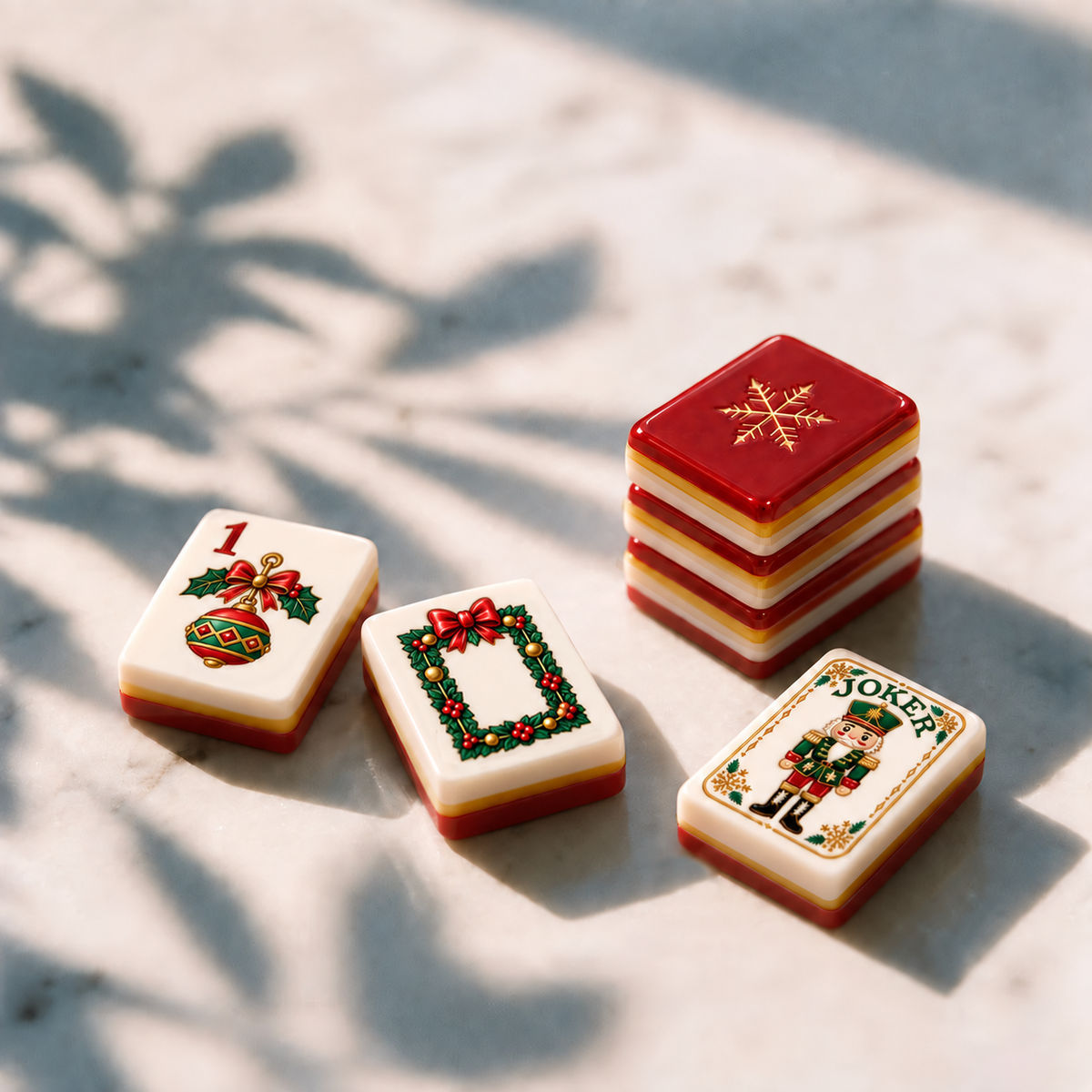
Mahjong reduces stress by engaging focus, memory, and social connection in equal measure. Players report lower anxiety during and after games because the tile-matching task occupies the conscious mind, blocking rumination. A typical Thursday night game lasts three to four hours; the combination of concentration, mild competition, and laughter with friends creates a neurological "reset." The social aspect matters as much as the gameplay—isolation fuels stress, and mahjong's four-player format, Charleston tile exchange, and communal hand-reading combat loneliness. You need a best-selling American mahjong set, a mat, and three friends or a local club. Most groups meet weekly at community centers, libraries, or home tables. Mahstead players often find that the ritual and tactile feedback of shuffling and clicking tiles grounds them the way knitting or gardening does, but with the bonus of strategic play and genuine companionship.
What makes mahjong a stress-relieving game, not just any hobby?
Mahjong demands present-moment thinking in a way scrolling or passive hobbies don't. You're reading the discard pile, tracking other players' patterns, managing your hand, and interpreting the seasonal National Mah Jongg League card simultaneously. This cognitive load quiets the anxious inner voice because there's no bandwidth left for it. The game's pace—deliberate but not frantic—mirrors meditation. You're not racing; you're matching patterns under gentle time pressure. The physical act of drawing, discarding, and organizing tiles by suit and number also soothes the nervous system through repetition and tactile input.

How does the social aspect of mahjong reduce anxiety?
Playing alone teaches no one anything, but mahjong is inherently social. The Charleston—the ritual passing of tiles before play begins—breaks the ice and signals collaboration before competition. During play, you joke about bad draws, sympathize with blocked hands, and celebrate wins together. Four players sitting face-to-face for hours create accountability and belonging. If you're absent, someone notices. If you're stressed, the table asks. Research on "social prescribing" shows that consistent group membership reduces loneliness markers and cortisol levels as effectively as some anxiety medications. Mahjong clubs meet weekly, which means you have a standing appointment to belong. That regularity—knowing Thursday is mahjong night—itself combats the formlessness that breeds dread.
How long before you feel the stress-relief benefit?
Most players report feeling calmer during the first game. The absorption in tile-reading and hand-building provides immediate relief from racing thoughts. Within four to six weeks of weekly play, people notice they sleep better, approach work problems with more clarity, and feel less reactive to minor setbacks. Long-term players (a year or more) describe mahjong as their mental health anchor—something they'd stop other activities to protect. The cumulative effect compounds: you're not only getting cognitive relief from the game itself, but you're also building a social safety net that buffers stress overall. The key is consistency; sporadic play doesn't build the ritual or relationship depth needed for lasting calm.
What's the beginner's trap that prevents stress relief?
New players often arrive expecting the game to entertain them passively, like watching TV. Instead, mahjong requires you—which is the point, but it surprises people. If you show up stressed and expecting the game to relax you immediately without effort, you'll feel frustrated when your hand isn't working or you don't understand the card. This defeats the purpose. Stress relief comes from engaged play, not effortless play. The remedy: learn the basics of American mahjong before your first table game. Spend 20 minutes understanding the tile types, how the Charleston works, and how to read the yearly mahjong card. That foundation transforms confusion into confidence, and confidence lets you breathe.
🀄 Shop best-selling mahjong sets →
How to build a consistent mahjong habit for long-term calm
Start by committing to a specific day and time. Pick a partner or two (or check meetup boards and community centers for existing games) and claim Thursday at 7 p.m., or Sunday brunch, or whatever suits your life. Consistency matters more than frequency—one game every week beats three games once a month. Set up a home table or rotate homes if you're the organizer. A good mat and a set with matching racks and pushers signal that mahjong is a real practice in your home, not a novelty. Many players keep their set in a travel bag and carry it to friends' houses, making it as portable as yoga mats but more social.
Setup Type | Best For | Stress-Relief Rating | Why It Works |
Weekly home game (same night, same friends) | Anchored players with consistent schedules | ⭐⭐⭐⭐⭐ | Ritual + community + control |
Rotating host dinners with mahjong | Social butterflies who value variety | ⭐⭐⭐⭐ | Novelty + deep bonds |
Local club drop-in (library, center, synagogue) | People new to town or wanting flexibility | ⭐⭐⭐⭐ | Easy entry + larger player pool |
Solo play or learning | Beginners testing the waters | ⭐⭐ | No social buffer; good for skill-building first |

What to check before you buy
Set quality: Thick, weighted tiles feel calming to handle; thin plastic tiles create frustration and hand fatigue. Our best-selling sets use acrylic tiles sized for comfortable four-player use and smooth shuffling.
Tile clarity: Muddled suit symbols or tiny numbers force you to lean in and squint, which defeats the relaxation goal. Good tiles have bold graphics and high contrast.
Complete inventory: A full 160-tile American mahjong set contains 152 playing tiles plus spares. Never start a game short; it breaks flow and breeds frustration.
Mat and storage: A mat prevents tiles from sliding off the table and keeps the game grounded. A storage bag means you're more likely to actually play because setup is frictionless.
Racks and pushers: These aren't luxury—they reduce hand strain during long games and let players organize their tiles one-handed, keeping the game flowing.
🎁 See our most-loved mahjong sets & accessories →
Three ways mahjong beats other "mindfulness" activities for stress relief
Speed of entry: Meditation and yoga require months of habit-stacking before they feel natural. Mahjong feels calming from week one because the game structure enforces presence—you can't zone out or you'll miss your turn.
Social accountability: Running alone or journaling are valuable but isolating. Mahjong's four-player requirement means four people are counting on you to show up, which combat avoidance and shame spirals.
Competitive engagement without ego: Unlike tennis or poker, mahjong has a built-in randomness (tile draw, Charleston) that levels the playing field and prevents the ego-bruising of repeated losses. You win sometimes, lose sometimes, and the outcome depends as much on luck and partnership as skill. This teaches acceptance—a core stress-relief principle—faster than solo practice.
Common mistakes that kill the stress-relief benefit
Mistake: Playing only with highly competitive friends or strangers where the vibe is cutthroat. Fix: Seek a beginner-friendly or social group where winning matters but camaraderie matters more.
Mistake: Buying a cheap set and struggling with peeling tiles, illegible markings, or wobbly racks mid-game. Fix: Invest in a proper acrylic set from the start. Frustration with equipment erases the game's calm.
Mistake: Trying to memorize all hand patterns before playing. Fix: Play with the yearly League card in front of you. The card is supposed to be there; referencing it reduces anxiety, not shame.
Mistake: Skipping the Charleston or rushing through setup. Fix: The Charleston and shuffle rituals are the unwinding phase. Rushing them misses half the stress-relief.
✨ Find your Mahstead set — free US shipping →
Why weekly mahjong beats monthly or sporadic play
Your nervous system doesn't calm from sporadic input; it calms from rhythm. A weekly anchor—"I know I'm playing Thursday"—shifts your baseline anxiety downward. You start thinking, "I'll tell the table about that on Thursday," which means you're anticipating social connection days in advance. That anticipation itself reduces stress. Monthly or occasional play doesn't create that loop. You also need consistency to improve, and improvement (building confidence in the game) feeds calm. Sporadic players stay in the beginner confusion zone longer, which perpetuates stress.
If you're ready to start, begin by learning the rules, then find or form a group. Set a day. Buy a set that'll last—acrylic, weighted, clear tiles. A mat and pushers are worth it. Then commit to eight weeks of weekly play. By week six, you'll notice you're sleeping better and your shoulders aren't up at your ears.

FAQ
Can I play mahjong alone for stress relief?
Solo play teaches rules and builds muscle memory, but the stress-relief magic happens with others. The social connection and shared laughter are non-negotiable parts of why mahjong calms. Use solo practice to prepare, then find a group.
Is American mahjong easier to learn than other variants for beginners seeking calm?
American mahjong has no confusing sequences (chows), making it more forgiving. You match identical tiles and reference a card; the structure is simpler than Chinese or Riichi variants, so you reach "relaxed play" faster. Simplicity breeds confidence, which breeds calm.
How much does it cost to start playing mahjong at home?
A quality acrylic American mahjong set covers the core gameplay. Adding a mat, pushers, and racks improves comfort and flow. Pricing varies; see current prices on our product pages. Many groups share sets, so you might not need to buy one immediately.
What if I'm too anxious to join a club or group?
Start with one trusted friend or family member. Learn the game together at home using a tutorial video or online guide. Once you're confident, finding a larger group feels less daunting. Many clubs welcome nervous newcomers because regulars remember their first game.
Can I play mahjong online for stress relief?
Online play teaches strategy and fills some social connection gaps, but it lacks the tactile and in-person presence that makes the game uniquely calming. The clicking of tiles, the huddle of four players, and the ability to read faces are core to the stress relief. Online is a supplement, not a replacement.


View More
View More
View More
