
Mahjong Starter Kit for a Mahjong Group: What to Buy
Last updated: Nov 23, 2026
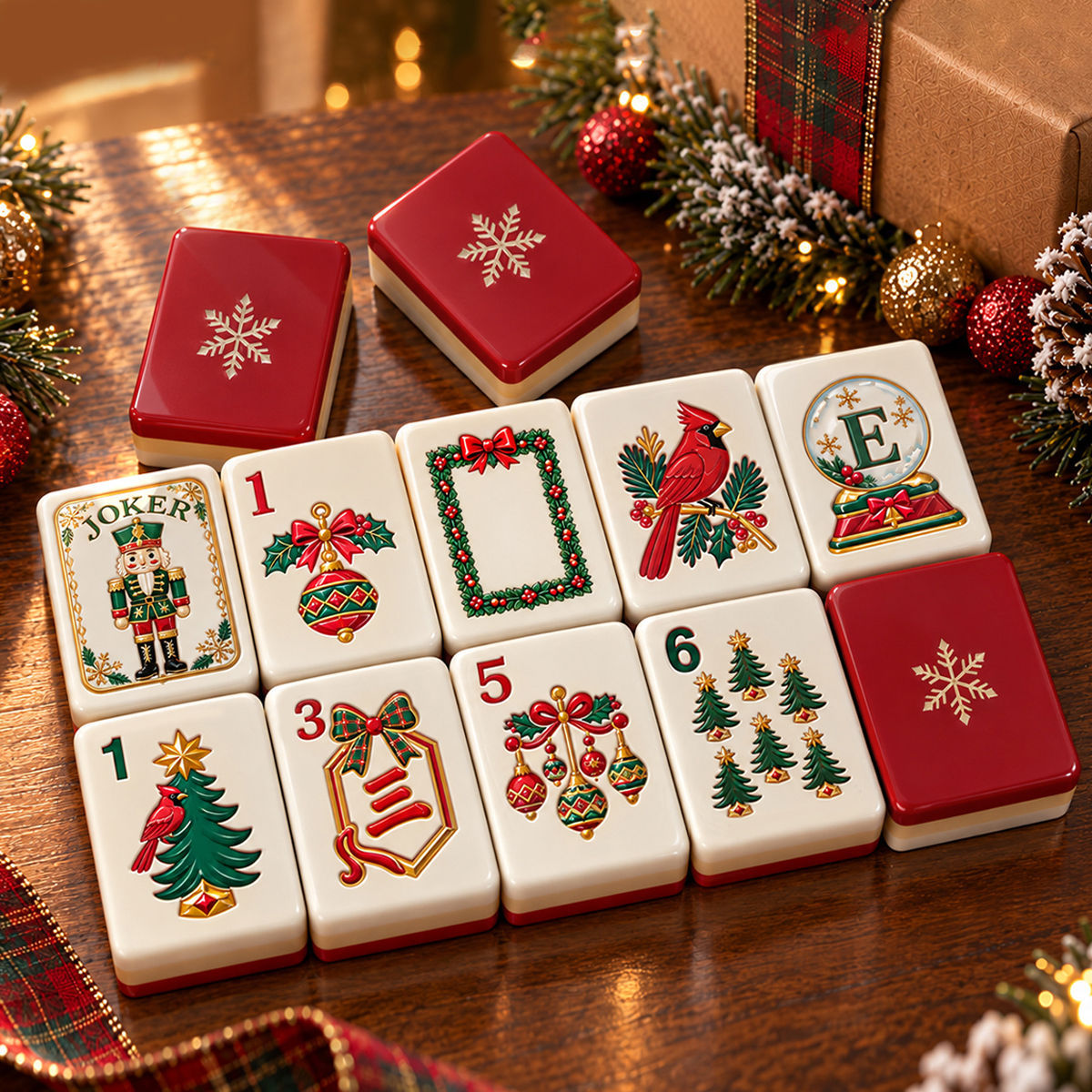
A mahjong starter kit for a group means buying one set—but knowing what else makes play smooth prevents frustration mid-game. We walk you through every choice: tiles, mat, racks, and the setup that lets your group play for hours without stopping.
What does a complete mahjong starter kit include?
A complete kit has four parts: the tile set itself (152 tiles plus 8 jokers), a mat, four racks with pushers, and a bag or case. The set is non-negotiable—that's your game. The mat protects both the tiles and your table surface, reducing chipping and keeping play level (crucial for fair draws). Racks with pushers let players hold thirteen tiles neatly and arrange melds without mixing them; they also slow down speed-focused players, which some groups prefer. A bag or case keeps tiles organized and transport safe. Most groups we know started with just a set and mat, then added racks after one season of play. Starting with all four parts from the beginning is smarter: you avoid buying twice.

How do you choose between acrylic, bone, and bamboo tile sets?
American mahjong sets come in acrylic (most common, affordable, loud, durable for decades), bone/bamboo (traditional sound and feel, heavier, more expensive, require humidity control to prevent cracking), and occasionally resin or other composites. Acrylic tiles shuffle loudly—groups like this because it signals activity and creates atmosphere. Bone and bamboo are quieter and feel premium, but they demand storage at stable humidity or they warp. For a weekly group game in an air-conditioned room, acrylic wins on practicality and cost. If your group values tradition and has a dedicated storage spot (humidity-controlled cabinet, not a basement), bone or bamboo are worth considering. Acrylic sets from the best-selling collection start at an accessible entry point and outlast casual wear.
🀄 Shop best-selling mahjong sets →
What size mat do you need for your table?
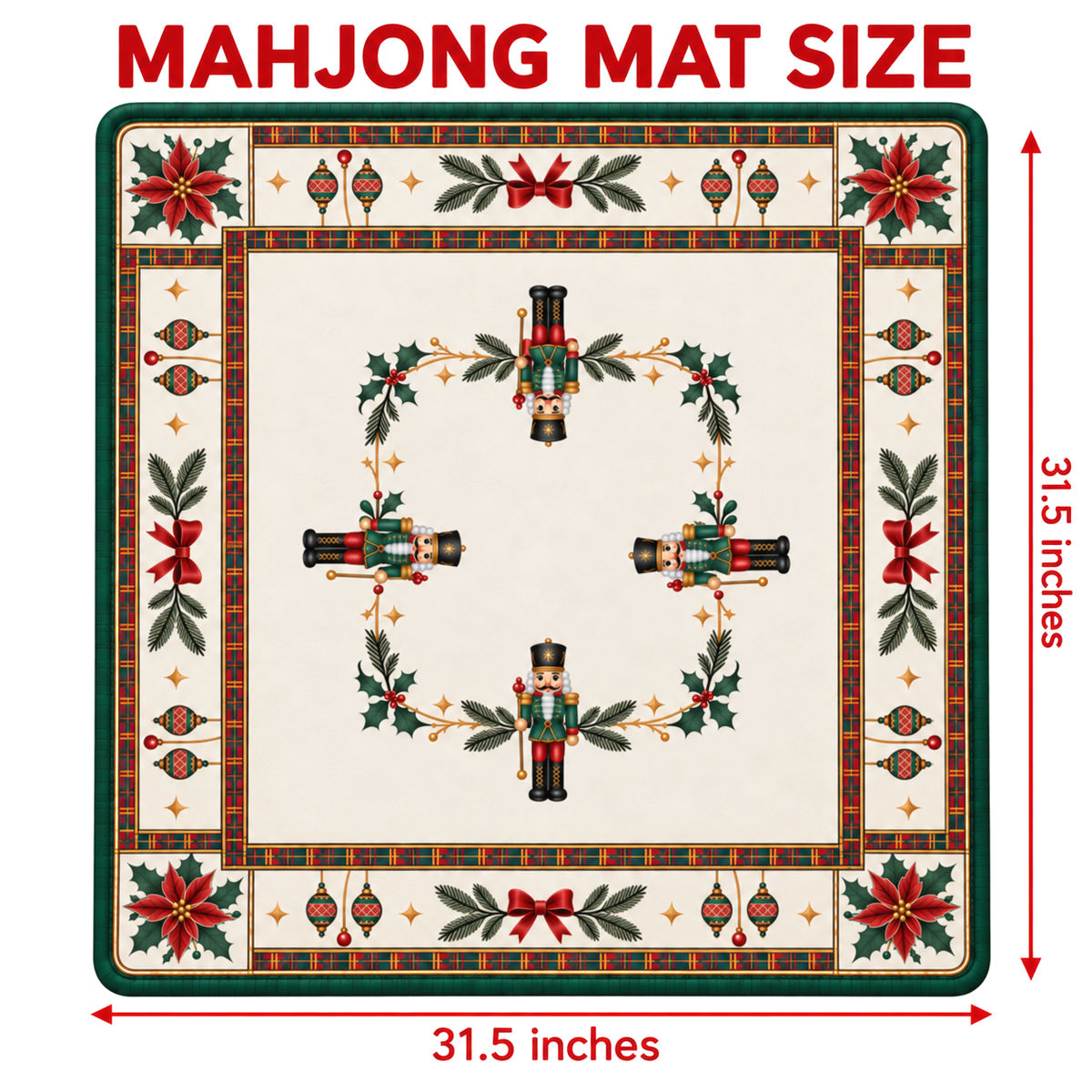
Mat size depends on your table's working surface, not overall dimensions. Most four-player games sit at a 36"–48" square or round table; a standard rectangular dining table (36"–40" wide) works if players sit only on long sides. Measure your table's usable center space: that's where the wall (live tiles), your discard area, and the meld zone live. A mat should cover the entire center without bunching off edges or requiring players to reach awkwardly. Oversized mats pool and create uneven surfaces; undersized mats leave corners exposed, where tiles slip. Most groups use a mat that fits their table surface with 1–2 inches of clearance on all sides. Read our guide on choosing a mahjong mat to measure precisely before ordering—mat sizes are not one-size-fits-all, and a poorly sized mat creates tension during play.
How many racks with pushers does a group actually need?
You need exactly four racks and four pushers for a four-player game—one per player. Racks hold thirteen tiles; pushers let players confidently move tiles left and right without fumbling or misreading their hand. If your group plays 2–3 games in succession at one table, you need only one set of four racks (players swap out between rounds). If you run multiple tables simultaneously or want spares for tiles that break, buy two sets of four. Many groups skip racks for the first season, then add them because they cut play time and reduce disputes over what was called. A racks with pushers guide explains how to install pushers and why cheap plastic racks fail—wood or acrylic racks last longer than flimsy models.

What's the difference between a bag and a case for storage and transport?
Bags hold a set and mat together, weighing 5–8 pounds; they're portable and fit in a car trunk easily. Cases (hard-shell or soft-padded) protect tiles more during travel, take up more space, and suit groups that transport sets weekly across town or store them in a garage. For home-hosted games where the set stays in one place, a bag is sufficient. For traveling to different venues or storing in unpredictable conditions (heat, moisture, dust), a padded case is worth the cost. Our bags and cases guide breaks down what to look for: waterproof zippers, reinforced handles, and compartments for racks. A well-chosen bag or case adds years to your set's life.
How to decide: a starter kit comparison table
Kit Level | Who it's for | What's included | When to add racks |
Essentials | Budget-conscious groups, casual play | 1 set + 1 mat | After 4–5 gatherings if speed slows |
Standard | Weekly groups, dedicated space | 1 set + 1 mat + 4 racks | From day one; most groups start here |
Premium | Multi-table hosts, traveling groups | 1 set + 1 mat + 4 racks + padded case | From day one; case protects investment |
Most weekly groups we host with choose the "Standard" kit: one complete set, a mat that fits their table, and four racks with pushers, all packed in a durable bag. This setup costs less than many hobby purchases but runs games smoothly for years without upgrades. Groups that skip the mat often regret it within a season—tile chipping becomes visible, the table gets scarred, and play feels less controlled.
🎁 See our most-loved mahjong sets & accessories →
What to check before you buy a mahjong starter kit
Tile count: Confirm the set has 152 playing tiles plus 8 jokers (160 total). Sets sold with fewer tiles or no jokers won't work for American mahjong.
Mat dimensions: Measure your table's center play area in inches and confirm the mat fits within 1–2 inches of each edge. Bunching or overhang causes tile movement.
Rack compatibility: Check that racks fit your table's underside (some overhang the edge awkwardly). Test one before buying four.
Bag or case condition: Inspect zippers, seams, and handles in photos. Cheap bags tear under the weight of a set plus mat.
Spare jokers: A 160-tile set includes spare jokers; confirm these are included—they prevent mid-game shortages if a tile cracks.
Shipping: Mahstead ships free across the US, which eliminates a hidden cost many groups overlook when comparing kits.
Design matters more than first-time buyers expect. A set your group loves seeing every week keeps people returning. Engraved sets and themed collections (our Christmas mahjong sets and mahjong titles collection are popular gift choices) add a personal touch that plain sets don't deliver. Most groups report that a beautiful set lifts the mood of the game itself.
✨ Find your Mahstead set — free US shipping →
FAQ
Can we start with a cheaper set and upgrade later?
Yes—acrylic sets hold up for years. Upgrade only if your group outgrows one table or a tile cracks beyond repair. Most groups stick with their first set.
Do we need a mat if we play on a dedicated mahjong table?
Even a mahjong table surface benefits from a mat: it reduces tile noise, prevents edge wear, and keeps humid air away from the playing surface. Worth the investment.
Can four people play with one set at two separate tables?
No. American mahjong requires exactly 152 tiles and 8 jokers per game. Two tables need two sets. If your group wants to split, buy a second set or play shorter rounds at one table.
What happens if a tile cracks during play?
A 160-tile set includes spare jokers; use a spare to replace the cracked tile temporarily. Order replacement tiles from Mahstead or retire the set after one season. Acrylic tiles rarely crack with normal play.
Should we buy engraved or plain tiles?
Engraved sets cost slightly more but personalize your group's experience. Plain tiles are cheaper and feel traditional. Neither affects gameplay; choose based on how your group values aesthetics and group identity.
Do racks really speed up the game?
Yes—racks eliminate hand-reading disputes and let players organize melds clearly. They also slow down speed-focused players, which some groups appreciate. Most groups report 10–15 percent faster rounds with racks.
Is a padded case necessary or just a nice-to-have?
Padded cases are necessary if you transport the set weekly or store it in unpredictable conditions. For a home-based group, a sturdy bag is sufficient. Cases add weight and cost; buy one only if you'll use it regularly.


View More
View More
View More
