
Mahjong Groups in New York: Where to Find & Join Games
Last updated: Nov 23, 2026
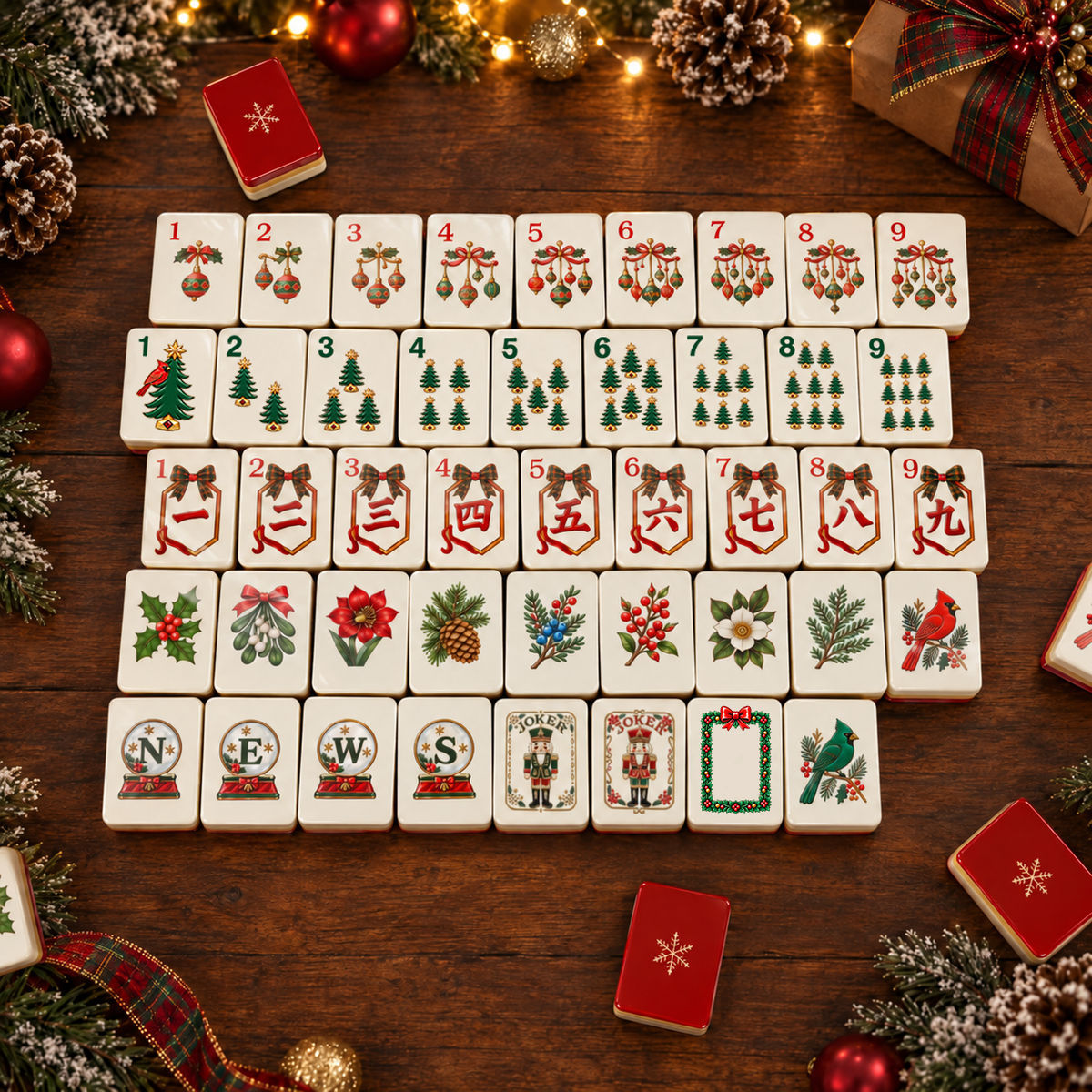
New York mahjong groups range from formal clubs meeting in synagogues, community centers, and senior programs to casual weekly home games. Most play American mahjong (the 160-tile version with the annual National Mah Jongg League card). Start by calling your neighborhood community center, public library, or local synagogue to ask about standing games—many have Thursday or Friday afternoon sessions. For active meetup communities, check online boards like Meetup, Craigslist "Activities," or Facebook groups specific to your borough. A typical game lasts 2–3 hours, costs nothing to join (or a small pot for prizes), and welcomes beginners alongside experienced players. If you can't find an established group, start your own: you'll need a 160-tile American mahjong set, a mat with pushers, and four willing friends who want to learn or play.
Where exactly do New York players meet?
The largest concentrations of standing weekly games are in Manhattan (Upper West Side, Midtown, and Greenwich Village synagogues), Forest Hills and Flushing in Queens, and Sunset Park in Brooklyn. Libraries often host games on weekday afternoons; community centers frequently have programs on Mondays, Wednesdays, and Thursdays; senior centers almost always have an active mahjong room. Many clubs don't advertise online—they rely on word-of-mouth and repeat players. Your best approach: visit a community center in person during daytime hours, ask the front desk or a staff member, and they will often direct you to the mahjong group leader's phone number or introduce you that same day. Synagogues typically welcome non-members to join their mahjong programs.

How do I find a beginner-friendly group?
Most established New York groups actively recruit beginners because players retire or move away. When you call ahead, ask: "Do you teach new players?" A good sign is if they say yes and ask what day suits you best—not if they demand prior experience. Senior centers and libraries almost always have beginner slots; private home games vary. If you're nervous, bring a friend and watch one hand before playing. Everyone will teach you the basic tile recognition (Bams, Craks, Dots, winds, dragons, flowers, and jokers) and how to follow the current year's National Mah Jongg League card. Most groups spend the first 15 minutes refreshing the rules anyway. Arrive early, introduce yourself, and sit between two experienced players—they'll help you read hands and manage your rack.
What do I need to know before my first game?
Show up 10–15 minutes early with no expectations beyond learning. Bring a small notebook if you're a beginner; taking notes on hand patterns is normal and respected. Ask the group leader which year's card they use (it changes every spring). Dress casually and be ready for 2–3 hours at a table. Most groups have a casual snack—bring coffee or tea to share if you feel like it, but it's never required. Don't worry about money: most public games are free or charge a nominal amount (ask before you sit). If tiles or racks look worn or unfamiliar, arrive early and ask someone to show you how the tiles are arranged and how the rack system works. The tone is almost always friendly and patient—New York mahjong players have survived decades of generational teaching and know that every player was once confused.
Finding a Game: Your Checklist | What It Means | Best Fit |
Call community centers first | No signup delays; staff know the leader's number | Beginners, daytime availability |
Check library programs | Free, regular schedule, beginner sections common | Working people, retirees, all skill levels |
Visit a synagogue mahjong program | Welcoming, mid-week and weekend options, mixed experience | Anyone, even non-members |
Search Meetup or Facebook groups | Peer-led, sometimes home-based, direct contact | Flexible schedule, social scene seekers |
Ask at a current game | Best referrals; word-of-mouth usually leads to the most active groups | Once you know one player |
🀄 Shop best-selling mahjong sets →

What if no group near me is active right now?
Start your own. You need four players (yourself, three others) who commit to a regular day—usually Thursday or Friday evening, 1–2 p.m. on weekends, or a weeknight that works for everyone. Recruit via social media, ask friends of friends, or invite coworkers. Once you have four, invest in a quality American mahjong set with a mat and racks—this signals you're serious and removes friction (no one has to bring tiles or guess at the rules). Learn how to play American mahjong yourself first by studying the National Mah Jongg League card, or watch a teaching video together in your first session. Host at a neutral location (your home, a library private room, or a café) where you can leave a mat and racks set up. Within two weeks, you'll develop a rhythm—and within a month, people from outside your starting four will ask to join. New York's largest active groups all started this way.
What equipment do I actually need to host?
A 160-tile set is mandatory (8 jokers are included; you'll use all 152 tiles plus spare jokers for replacements if a tile cracks). Add a mat to keep tiles organized and reduce noise—crucial in apartments and homes. Racks with pushers make the game flow faster because players don't have to hold heavy tiles; this matters especially for longer sessions and players with arthritis. You don't need a dedicated mahjong table; a dining table works fine. Optional but popular: a small card stand to hold the National Mah Jongg League card at a readable angle, and a dice cup if your set didn't include one (most do). For a home game, our best-selling collection includes sets with mats and pushers already bundled—this saves you matching pieces and ensures everything works together. Avoid cheap plastic sets; tiles that don't slide smoothly frustrate players and slow the game.
✨ Find your Mahstead set — free US shipping →
What to check before you buy or borrow a set
Always verify you have a complete 152-tile set plus 8 jokers before hosting a game. Count: 36 tiles per suit (Bams, Craks, Dots), 16 winds (4 each: North, East, West, South), 12 dragons (4 Red, 4 Green, 4 White), 8 flowers, and 8 jokers. If one tile is missing, the hand can't be completed fairly. Inspect tiles for cracks, fading, or warping—they should slide smoothly on a mat. Check that racks fit tiles without gaps (custom-engraved sets from Mahstead are calibrated to fit standard tile dimensions). If you're borrowing a set from a friend, have them confirm it's complete and they know where the spare jokers are kept. For a group you're joining, ask the leader how old the set is—tiles used for 10+ years may be worn thin. If you're investing your own money, engraved American mahjong sets with custom titles make a home game feel more like a real venue and last longer because you'll care for them.
🎁 See our most-loved mahjong sets & accessories →

FAQ
Do I have to know American mahjong rules before joining a New York group?
No. Almost every group in New York welcomes absolute beginners and teaches the rules during the first game. Let the leader know beforehand that you're new; they'll seat you next to experienced players who will coach you through each hand. Expect your first session to move slowly as you learn tile names and hand patterns.
Are most New York mahjong games free to join?
Yes. Community center and library games are always free. Synagogue programs rarely charge members but may ask a small donation from guests. Private home games sometimes have a small pot (each player contributes a few dollars) that goes to the winner or pizza fund; ask before you sit down. No game should pressure you for money.
What's the age range of players in New York groups?
Highly variable. Senior centers skew 65+. Synagogue games range from retirees to professionals in their 40s. Library and community center games often mix retirees, mid-career players, and younger adults learning the game. Many groups deliberately recruit younger players to keep the community alive.
How long is a typical game session in New York?
Most games last 2–3 hours. A single hand takes 10–20 minutes once you're comfortable. A group usually plays 6–12 hands in one sitting, with a break or snack halfway through. Home games sometimes run longer (3–4 hours) if players want extra hands; ask the host before committing.
If I start a home game in New York, what's the best day and time?
Thursday or Friday evenings (6–9 p.m.) work best for working people. Weekend afternoons (1–3 p.m. Saturday or Sunday) suit retirees and those with flexible schedules. Weekday mornings (10 a.m.–12 p.m.) are popular in New York for retired players. Pick a time that works for all four starting players, then stick to it for at least one month so people build the habit.
Should I buy a set before or after I find a group?
If you're joining an existing group, wait—they almost always have sets you can use for free. Buy only if you're hosting or if you've joined a portable group that meets in different homes. A quality 160-tile set with a mat and racks is an investment, but it's the fastest way to be taken seriously as a host and ensure tiles and racks work smoothly together. Many serious hosts say the set paid for itself in friendship and community within the first year.


View More
View More
View More
