
Mahjong for Pinochle Players: What Actually Transfers
Last updated: Nov 23, 2026
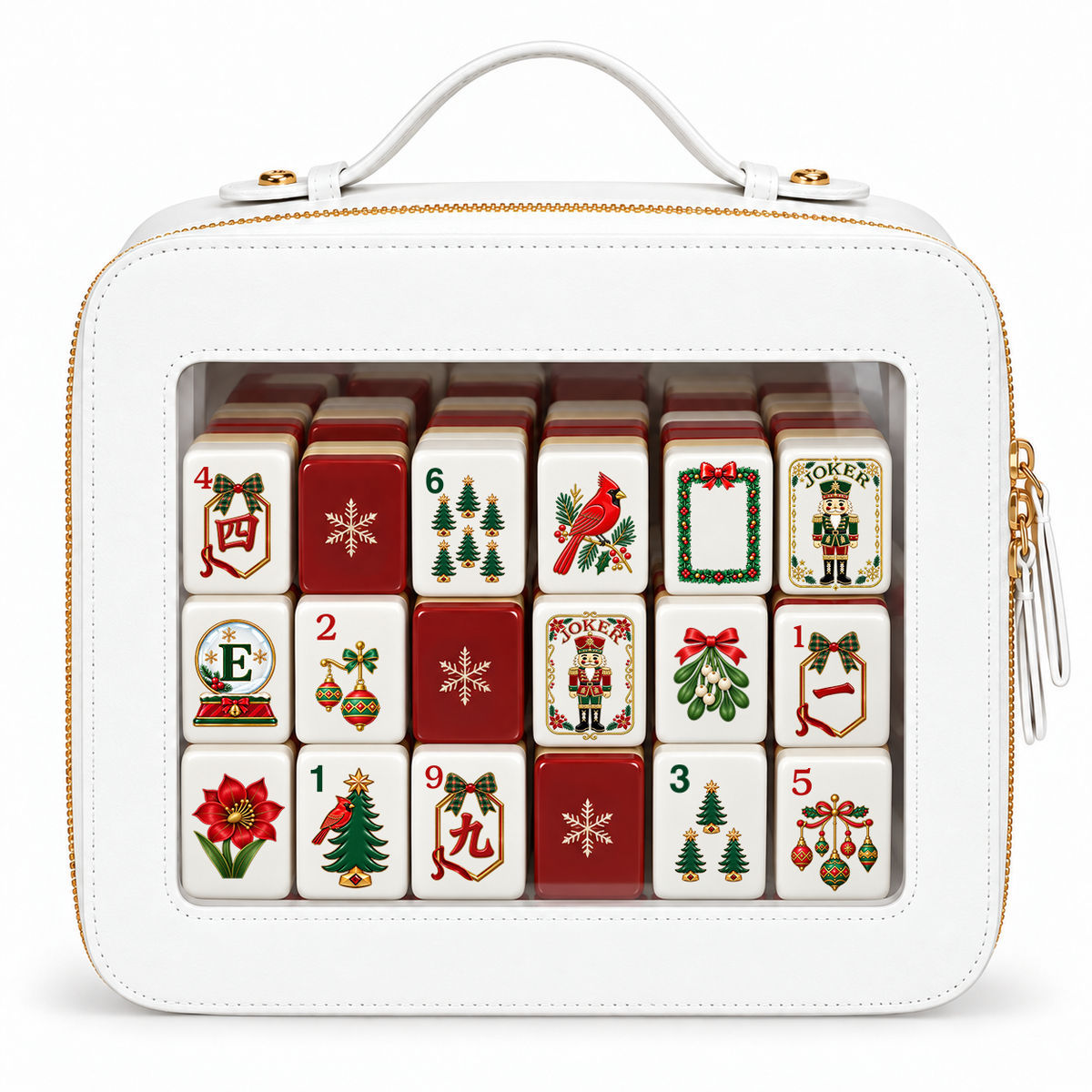
Both pinochle and American mahjong reward card (or tile) memory, quick pattern spotting, and hand discipline—but the similarities end there. Pinochle uses 48 cards in trick-taking play with bidding and melds; American mahjong uses 152 tiles in a draw-and-discard game where hands come only from the current National Mah Jongg League card. You won't declare contracts or score combinations mid-game. Instead, you'll manage a 13-tile hand, pass tiles during the Charleston ritual, and hunt for one of the card's legal winning patterns. Pinochle teaches you to track discards and count suits—both critical in mahjong. But in mahjong, you can't build sequences or call combinations freely; you're bound to the card's exact patterns. The learning curve is real, but pinochle players typically pick up the tile rules within two or three sessions. Start with a best-selling acrylic set and a beginner's guide to the card.
What skills from pinochle actually help at the mahjong table?
Pinochle trains you to track what's been played and count remaining cards in each suit—directly useful in mahjong. You'll watch which Bams, Craks, and Dots hit the discard pile, estimate how many are left in the wall, and hold back tiles others are collecting. Both games reward long-term focus and punish distraction; a single missed discard can cost the hand. Pinochle also builds your ability to read table dynamics—who's chasing what, when to block, when to pivot. That social reading transfers instantly. The biggest carryover: discipline. In both games, a weak hand is a weak hand, and winning depends on knowing when to fold mentally and chase only realistic patterns.

Why doesn't pinochle bidding exist in mahjong?
American mahjong has no auction phase because there's no trump and no partnership negotiation. In pinochle, you bid based on what you hold; in mahjong, you play with what you draw and what the current National Mah Jongg League card permits. Pinochle rewards aggressive bidding; mahjong penalizes greedy hands. The card—issued fresh every spring—defines all legal winning patterns, not player creativity. This removes negotiation but adds a new challenge: learning to read the card. You study the card before play starts, spot which hands are viable from your tile draw, and commit to one pattern before going out. No auction; no talking your way into a win. It's pure execution against a fixed ruleset, not negotiation against opponents.
Where do the two games differ most?
Aspect | Pinochle | American Mahjong |
Cards/Tiles | 48 cards | 152 tiles + 8 jokers |
Hand Size | 12 cards | 13 tiles |
Combinations | Melds declared during bidding | Patterns from annual card only |
Play Sequences | Trick-taking (follow suit) | Draw-discard (no sequences allowed) |
Bidding | Yes; declares trump | No; card is fixed law |
Winning | Reached through tricks + melds | Hand matches one card pattern exactly |
Passing | None | Charleston (tile exchange ritual) |
Jokers | None | 8 jokers; core strategy tool |
Partnerships | Yes (most often) | Usually individual, table-dependent |
The sharpest break: pinochle flows through negotiation and trick execution, while mahjong flows through pattern hunting and discard psychology. Pinochle is about what you declare and how you execute tricks; mahjong is about what the card says you can win and whether you can grab the tiles to match it.
How does the National Mah Jongg League card change the game compared to pinochle?
The card is law in American mahjong; there is no house variation equivalent to pinochle's regional rule tweaks. Every year in spring, the League publishes a new card with roughly 80 winning hands—combinations of matching tiles, special patterns (like all flowers, or a pair plus four sets), and joker rules. Players study this card before the season; you don't invent hands or apply judgment. If your hand doesn't match the card exactly, you don't win. In pinochle, you rely on knowledge of standard melds, bidding strategy, and card counting. In mahjong, you memorize one year's patterns and hunt for them methodically. For a pinochle player, this feels rigid at first but becomes liberating: no ambiguity, no argument over whether a meld counts. The card removes politics. You focus entirely on tile luck, discard timing, and pattern recognition—pure mechanics, no negotiation.

What should a pinochle player practice first when learning mahjong?
Start by studying how jokers work—they're unlike any tool in pinochle and central to almost every winning hand. In pinochle, you play what you hold; in mahjong, jokers are wildcards that substitute for missing tiles, and understanding their limits (you can't use them for a single tile or a pair, for example) takes a full session to internalize. Next, watch the Charleston—the pre-game tile exchange. There's no equivalent in pinochle; it's a ritual that sets hand balance and play flow. Sit through two Charlestons before you feel the rhythm. Then read the card. The card is divided into sections—Consecutive Run, Like Numbers, Honors, Special hands—and each section contains patterns. Pinochle players grasp this quickly because you already categorize melds; the card just makes categories non-negotiable. Finally, track discards obsessively. Pinochle trained you; now apply it to mahjong. Every tile on the table is evidence. If nobody discarded a Green Dragon in the first ten turns, assume someone has it and is building around it.
🀄 Shop best-selling mahjong sets →
What equipment do pinochle players need to buy for mahjong?
You'll need a standard American mahjong set—152 tiles plus 8 jokers in acrylic or bone. Skip ceramic if you're new; acrylic tiles are durable, quiet, and affordable for learning. A mat isn't mandatory but transforms play. It prevents tiles from sliding, marks each player's area, and signals to guests that this is organized play, not casual fumbling. Racks with pushers help; they organize your hand and ease the physical load if you play long sessions. Many pinochle players who play bridge or poker already own a card table—mahjong fits perfectly. The one purchase you must make: a current-year National Mah Jongg League card (available from league distributors, not Mahstead). Without it, you can't play. Choose engraved or themed sets to celebrate your pinochle-to-mahjong transition; many players enjoy a set that carries personal meaning.
🎁 See our most-loved mahjong sets & accessories →
What to check before you buy
Tile size. American mahjong tiles are larger than Chinese or Japanese; buy American-sized only.
Joker count. A 160-tile set has enough spares; don't buy multiple sets unless you play simultaneous games.
Mat thickness. If your table is uneven, a thicker mat helps. If your table is level, a standard mat suffices.
Rack comfort. Test one at a local game if possible; not all wrist positions work for all hands.
Card access. Confirm the current year's League card is in print before your first game. Older cards are legal in casual play but not in tournament settings.
How long until a pinochle player feels comfortable in their first mahjong game?
Most pinochle players are comfortable by game three. Your memory and hand management already exist; you're just learning a new ruleset and card. The first session will feel slow—you'll reread the card often and second-guess tile safety. That's normal. By game two, you'll recognize card patterns faster and understand why certain tiles move between players. By game three, discard psychology clicks and you'll spot traps. A friendly group can accelerate this; play with patient teachers who pause to explain calls (exposing tiles), blocked hands, and the logic of specific card sections. Avoid high-stakes games until you've played five times. Pinochle confidence doesn't transfer to mahjong confidence; they're different muscle memories. But if you've played pinochle seriously, you have the discipline, focus, and social awareness to pick up mahjong fast. Set a goal: attend weekly games for a month, read the beginners' guide, and invest in one quality set so you can practice tile recognition at home.
✨ Find your Mahstead set — free US shipping →

FAQ
Can I apply pinochle hand-ranking strategy to mahjong?
No. Pinochle ranks hands by point value; mahjong hands are either legal (match the card) or not. There's no "better" hand—only whether it's playable. Focus on pattern matching, not strength.
Do I have to memorize the entire National Mah Jongg League card before playing?
No. Study one section at a time (Consecutive Run, Like Numbers, etc.) and reference the card during play. After three games, patterns stick. Memorization comes naturally.
Does a pinochle player's card-counting skill transfer directly to mahjong?
Partially. You'll be faster at tracking which tiles are gone and estimating remaining ones. But mahjong has no trump, so count by suit (Bam, Crak, Dot) and wind/dragon, not by rank hierarchy.
Is mahjong faster or slower than pinochle?
Slower initially; faster once you know the card. A pinochle hand takes 15–20 minutes; a beginner's mahjong hand takes 20–30 minutes. Experienced players finish in 15–20. Games are four-handed (not three) and best-of-luck, so a session takes 1–2 hours.
Should I buy bone or acrylic tiles for learning as a pinochle player?
Buy acrylic. Bone is beautiful but fragile; you'll worry about chipping instead of focusing on play. Acrylic sets are loud (good—you hear each tile played), durable, and affordable. Upgrade to bone later if you love the game.
Do pinochle clubs and mahjong groups overlap in my area?
Rarely, but check community centers, libraries, synagogues, and country clubs; many host both. Meetup boards and local game-group forums list current gatherings. Call ahead to confirm skill levels and table count before your first visit.


View More
View More
View More
