
Mahjong for Kids: Teaching American Mahjong to Young Players
Last updated: Nov 23, 2026
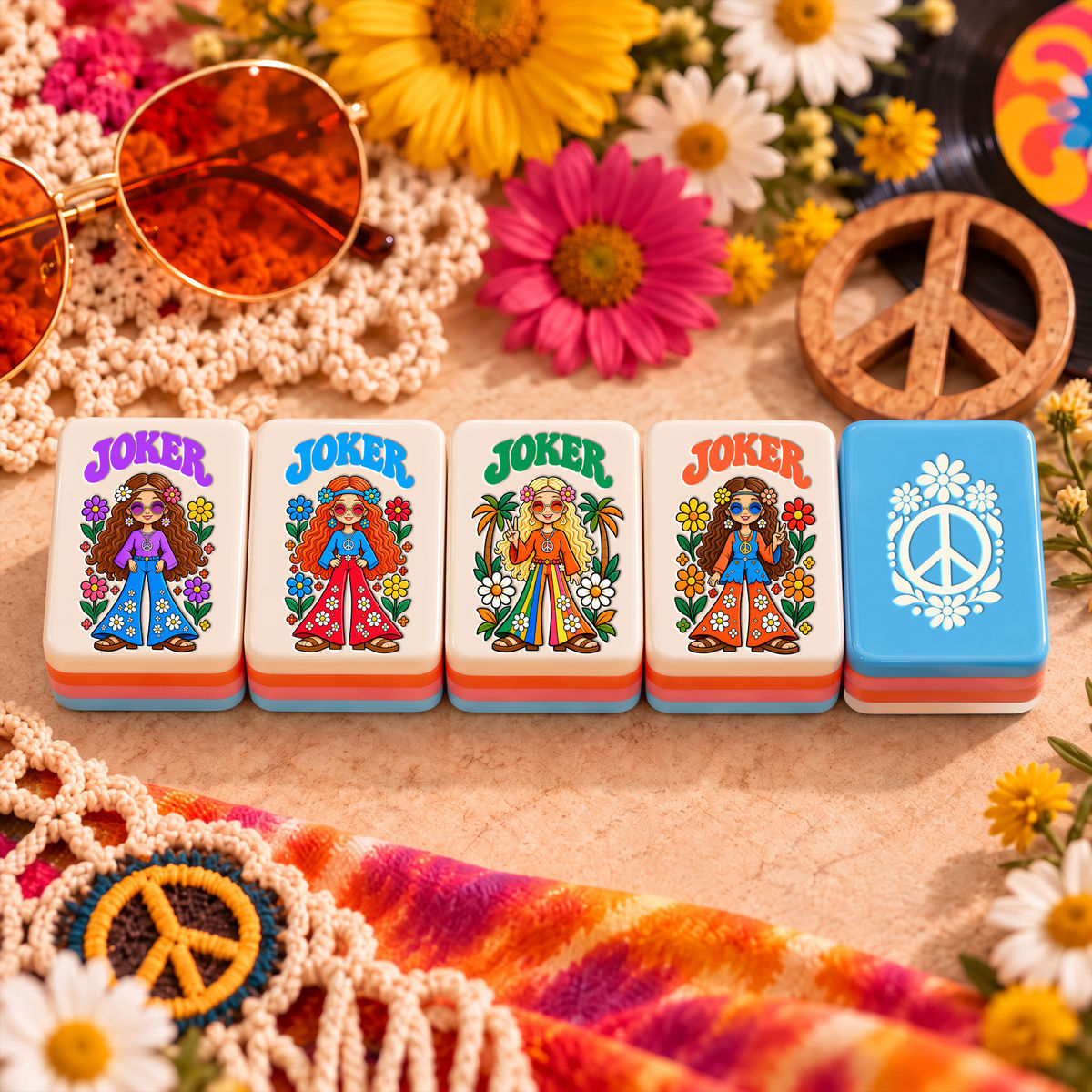
American mahjong works for kids aged seven and up, though nine is the sweet spot for consistent play. Unlike Chinese variants, American mahjong uses a printed card that changes yearly, turning it into a puzzle hunt—kids follow patterns rather than memorize hand theory. A 160-tile acrylic set (152 playing tiles plus spares) lasts through childhood and into adulthood. Start with the current National Mah Jongg League card, which comes free with most sets; teach the Charleston passing ritual first, then basic hand-reading. Kids grasp the visual pattern-matching faster than adults expect. Budget 30–45 minutes for the first lesson, then 20 minutes per game once they're rolling. Avoid teaching house rules initially—stick to American standard rules so they can play anywhere. A sturdy acrylic set from our best-selling collection withstands spilled juice and dropped racks better than bamboo. 🀄 Shop best-selling mahjong sets →
What's the Best Age to Start?
Seven is the minimum; nine is ideal. At seven, kids can count, follow visual patterns, and sit still for 30 minutes—the core requirements. They'll struggle with hand-reading strategy but learn fast with repetition. Nine-year-olds grasp the card system in one afternoon. Teens master it completely. Younger than seven, children lose interest mid-game and need constant rule reminders, which slows everyone down and frustrates them.

How Does American Mahjong Differ for Young Learners?
American mahjong requires the official yearly card—kids don't memorize hand shapes; they find them. Each spring, the National Mah Jongg League publishes a new card with hundreds of winning patterns. This visual, puzzle-like approach suits young brains far better than Chinese or Hong Kong mahjong, where players must internalize hand combinations before they can play. Kids see a pattern on the card, then hunt the tiles. It's concrete, achievable, and keeps them engaged because the card constantly resets their goal. No "study for months before playing" barrier exists—they play and learn simultaneously.
How to Teach the Game in Three Steps
Step 1: Teach the Charleston first. Before anyone looks at winning hands, teach the Charleston—the tile-passing ritual that feels like magic to kids. Each player passes three tiles right, then three left, then one face-down to the player opposite. Kids love the rhythm and the surprise. It takes five minutes and is the gateway to caring about the rest.
Step 2: Show them the card, not the rules. Hand them the current season's National Mah Jongg League card. Don't explain scoring yet. Say: "A hand is three or four groups of tiles plus a pair. The card shows what combinations win. Your job is to find one." Point to a simple pattern—say, three 1 Dots, three 2 Dots, three 3 Dots, and a pair of Winds. Now hand them a small pile of tiles and ask them to build it. They will, instantly. That's the aha moment.
Step 3: Play one short game together. Set up a four-player game with one adult or teen who knows the rules. Deal 13 tiles to each player. Play with the card face-up on the table. When a player's turn comes, let them pick a tile from the wall, look at their hand against the card, and either discard or call "Mahjong" if they match a pattern. The first game will take 45 minutes. By game two, you're at 20. Let them win the first game—confidence sticks.
Choosing the Right Mahjong Set for Kids
Feature | Why It Matters for Kids | What to Pick |
Material | Durability (spills, drops, rough handling) | Acrylic; won't crack or stain like bone |
Tile Size | Easier grip, less frustration | Standard 1¼" × ⅞" tiles (not mini) |
Rack Type | Stability during play—prevents slides & topples | Racks with pushers; they keep tiles upright |
Storage | Keeps tiles from scattering; easy cleanup | Sturdy bag or case; kids lose individual tiles otherwise |
Design | Motivation to play (kids want "cool" sets) | Bright colors, clear fonts; avoid yellowed or worn tiles |
Our best-selling acrylic sets are built for families because acrylic shrugs off water, stays bright through years of use, and tiles won't split if dropped. They also come with racks and pushers—essential for kids, who otherwise fumble with loose tiles.

Five Common Mistakes When Teaching Kids
Mistake 1: Rushing the card. Don't expect a child to read the card fluently by game three. Laminate a printed card, put it flat in the middle, and let them point. Fluency comes after five to ten games.
Mistake 2: Playing house rules from day one. American mahjong has one rule set. Stick to it. Local variation comes later, after they're solid on the standard. Mixed signals derail kids faster than confusing rules alone.
Mistake 3: Letting tiles scatter. Loose tiles on the table = lost focus and lost tiles under the couch. Racks with pushers aren't optional for kids; they're how the game stays organized and playable.
Mistake 4: Not showing them how jokers work. Kids assume jokers are "wild cards" like in poker—they can be anything. They can't. A joker stands in for a single missing tile only when you're declaring Mahjong, and you must say which tile it replaces. Explain this once, clearly, with an example.
Mistake 5: Skipping the mahjong mat. Kids bump elbows, tiles slide, and the game stops to reorganize. A felt mat defines the play zone, dampens noise, and keeps tiles from rolling onto laps. Invest in one.
🎁 See our most-loved mahjong sets & accessories →
What to Check Before You Buy
Tile clarity. Hold the tiles under light. Can your child read the numbers and suits easily? Worn or faded tiles cause frustration and slow the game.
Rack stability. If you're buying racks separately, test them in-store or read details carefully. Flimsy racks topple constantly; sturdy ones with pushers keep tiles upright.
Set completeness. A proper American mahjong set includes 152 playing tiles (three suits × 1–9, four of each; 16 winds; 12 dragons; eight flowers) plus eight jokers. Count them in the bag or box—missing tiles ruin game nights.
Bag or case. Kids will lose tiles unless there's designated storage. A travel bag or case keeps the set intact and makes storage feel like part of the ritual.
Current card included. The set should ship with the current year's National Mah Jongg League card (issued each spring). If not, you'll need to order one separately—don't skip it.
Why Mahjong Teaches Skills Beyond the Game
Mahjong sharpens memory (tracking discards), pattern recognition (reading the card), probability (counting remaining tiles), and social skills (turn-taking, friendly competition). Kids who play regularly show measurable gains in spatial reasoning and short-term recall. It's also screen-free, family-paced, and playable across four generations—grandparents and nine-year-olds compete on equal footing once everyone knows the card.
For young players, the game is less about winning and more about belonging. They're playing the same game as the adults at the table, following the same rules, reading the same card. That feeling—being a real player—is what hooks them. The tiles become familiar. The card becomes second nature. And mahjong becomes something they'll carry into adulthood.
✨ Find your Mahstead set — free US shipping →
How to Host a Mahjong Night for Kids and Their Parents
Set a standing date—Friday or Sunday afternoon works. Invite two to four families; rotate who hosts. Stock water and snacks (tiles absorb moisture; enforce a no-sticky-fingers rule). Before guests arrive, set up the table with a mat to define the play zone. Have the current card printed or laminated. Play 2–4 games, keeping sessions to 90 minutes total; kids lose focus after that. Keep a score sheet on paper—the visual record of who won motivates returning players. After each game, save 15 minutes for snack and chat; this is where kids internalize that mahjong is social, not just competitive.
See our pillar guide on mahjong for beginners for deeper strategy and rule clarity as your household advances.

FAQ
Can a five-year-old learn mahjong?
Not reliably. Five-year-olds can't count consistently or sit still through a 30-minute game. Seven is the earliest practical age; nine is where real comprehension begins. Wait until they can read numbers without help.
Do I need a real set, or can we print tiles?
Real acrylic tiles are essential. Printed paper tiles warp, stick together, tear, and feel cheap. Kids lose interest fast. A 160-tile acrylic set costs less than two weeks of after-school snacks and lasts two decades.
What if we play 2-player or 3-player mahjong instead of 4?
American mahjong is designed for four players. Two- and three-player versions exist but use different rules and are harder to teach kids. Start with four. Once they're solid, explore variants—see 2 and 3 player mahjong rules for details.
How long does one game actually take?
First game: 45 minutes (lots of rule questions). Games 2–5: 20–30 minutes. After ten games: 15–20 minutes. Kids speed up fast once the card becomes familiar.
Is the mahjong mat really necessary?
Yes, for kids especially. Mats define the play zone, prevent tiles from rolling off the table, muffle sound (fewer distractions), and make cleanup instant. It's not a luxury—it's how you keep the game playable.
Where do I find the current mahjong card?
It comes free with most quality sets. If not, the National Mah Jongg League sells it online each spring. Print a copy and laminate it—kids handle it rough, and lamination adds two years of durability.


View More
View More
View More
