
How to Store Mahjong Racks: Best Practices for Long-Term Care
Last updated: Nov 23, 2026
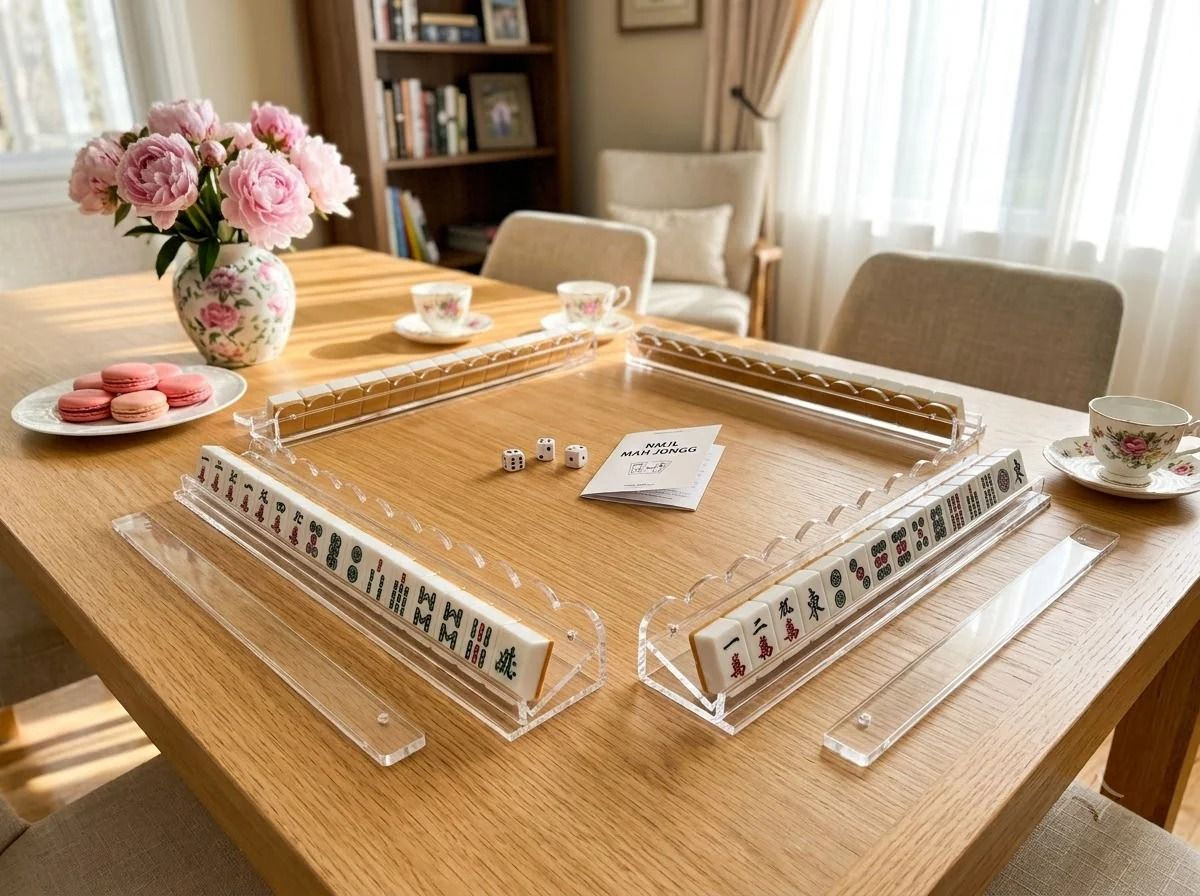
Mahjong racks should be stored flat or upright in a cool, dry place away from direct sunlight and heat sources—ideally between 50–75°F and 30–50% humidity. Store them in a dedicated drawer, cabinet, or box with protective dividers to prevent tile shift and pusher misalignment. Never stack heavy objects on top or leave them in hot cars, attics, or damp basements, as acrylic and wood can warp and tiles may crack. Check racks every few months for loose tiles or bent pushers. Many players we know keep racks in the same mahjong bags and cases as their sets for compact, portable storage. A climate-controlled closet or game room shelf is ideal; if space is tight, vertical storage in a shallow bin with felt dividers works well and keeps them ready for your next game.
Keeping mahjong racks with pushers in good working order means thinking beyond the table. We've learned from years of weekly games that storage habits determine whether a rack lasts decades or becomes a liability—warped wood, cracked tiles, sticky pushers, and loose corners eat into your setup time and can ruin a hand.
Where should mahjong racks live between games?
The best storage spot is a climate-controlled cupboard or shelf in your game room, bedroom, or study—anywhere you keep cards and board games. Avoid kitchens (humidity), bathrooms (steam), garages (temperature swings), and outdoor sheds. If you travel to tournaments or host games elsewhere, invest in a protective case that holds both racks and tiles. One drawer per player works if your household has space; label each rack so no one bends it accidentally. Keep them away from windows, radiators, and air-conditioning vents—direct sunlight fades the wood and acrylic, and thermal cycling warps the frame.
What's the difference between flat and upright storage?
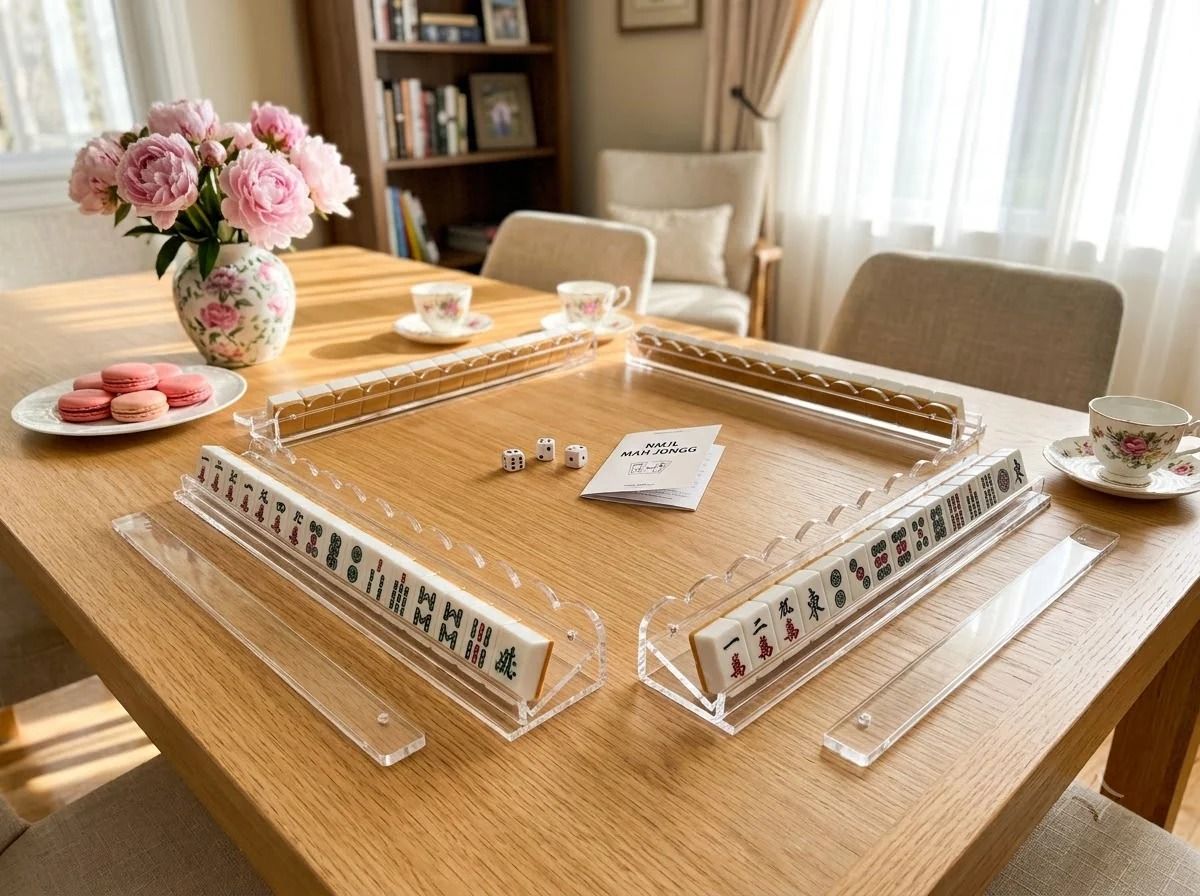
Flat storage (stacked like trays or files) saves space but risks uneven pressure on tile edges and pusher springs. Upright storage (propped vertically in a bin or rack holder) keeps weight off the tiles and lets gravity settle them evenly in the groove. For long-term storage, upright is safer. Place a thin felt sheet or foam pad between racks if you must stack them; never exceed two or three high. Upright storage also lets you spot a loose tile or bent pusher at a glance, so you can repair it before the next game.
How do humidity and temperature affect rack longevity?
Acrylic racks can crack if exposed to temperature swings greater than 20°F in a short time. Wood frames and bamboo pushers absorb moisture and swell, then shrink and split as humidity fluctuates. We aim for 50–75°F and 30–50% humidity—the same comfort zone as paper mahjong cards. A basement or crawlspace with poor air circulation is your enemy; a climate-controlled closet or game cabinet is your ally. In winter, avoid storing racks directly above a heating vent. In summer, keep them away from south-facing windows. If you live in a very dry climate, a small humidifier near your storage area helps prevent wood cracking; in humid climates, a silica gel packet in the storage box absorbs excess moisture.
What maintenance prevents storage damage?
Before putting racks away, wipe tiles and pushers with a soft, dry cloth to remove dust and oil buildup. Check that all tiles sit flush in the groove and that pushers slide smoothly without resistance. Tighten any loose hardware (screws, joints) with a small screwdriver or wrench—a wobbly frame gets worse in storage. If a pusher is bent or sticky, address it before packing; frozen pushers become worse when left idle in a cold garage. Every 3–6 months, open your storage container and do a quick visual scan for cracks, discoloration, or mold—early detection prevents catastrophic failure during a game. We keep a small maintenance log: date, what we checked, and any repairs made. This simple habit has cut our mid-game equipment failures by more than half.
How does storage method change with travel and frequent use?
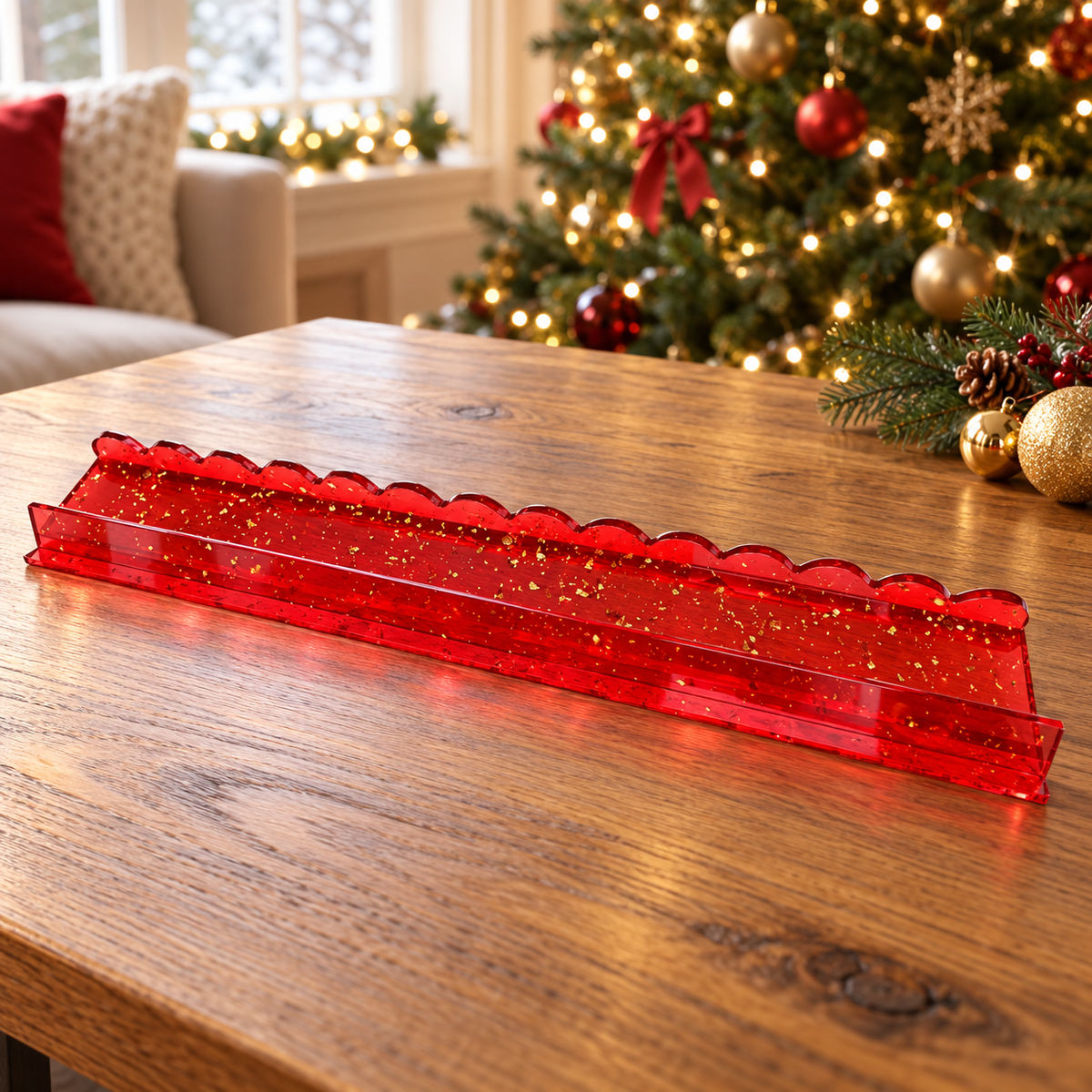
If you're a road warrior taking your racks to friends' houses or tournaments weekly, a padded mahjong case or bag is non-negotiable. Racks bouncing loose in a car trunk absorb vibration and sudden impacts; a bag with internal dividers keeps everything snug. For frequent players, we recommend storing racks in the bag permanently rather than unpacking them into a drawer—fewer transitions mean fewer chances for damage. Label your case clearly so it doesn't get confused with luggage. If you store racks for months between seasons (e.g., summer cottage play), pack them in an airtight bin with 1–2 silica packets and a brief condition note (e.g., "checked Nov 2025, all tiles flush, pusher #2 slightly stiff"). This saves you scrambling to remember which rack has that notorious warped corner.
Storage Scenario | Method | Best For | Climate Check |
Weekly game at home | Upright in game room cabinet | Active players | Room temp, <50% humidity |
Monthly tournament travel | Padded case with dividers | Road warriors | Climate control en route |
Seasonal storage (off-season) | Airtight bin + silica packets | Part-time players | Cool, dry, stable |
Multiple racks (4+) | Shallow drawer with felt dividers | Clubs, family groups | Consistent 50–75°F |
🀄 Shop best-selling mahjong sets →
What should you check before buying storage solutions?
Before investing in a new storage container, measure your racks: standard American racks are typically 15–17 inches long and 2–3 inches wide. A container must accommodate them without forcing or bending. If you own four racks (one per player), a shallow under-bed storage bin with a handle works; if you own more, a small filing cabinet or shelving unit is worth it. Check the container's material: plastic off-gases in heat, so avoid cheap bins in unventilated spaces. Wood storage is excellent if kept dry. Metal is durable but conducts temperature, so line it with felt. Label everything clearly—plastic bins all look alike after a few years. For mahjong sets and racks together, consider a unified storage solution: a hard case holds the set box, and a divided compartment stores racks and pushers, eliminating the need for separate containers.
Real-world storage checklist for your weekly game group
Inspect racks before packing after every game (5 minutes).
Wipe tiles and pushers dry; air-dry in a warm room for 1 hour if wet or dusty.
Tighten hardware monthly (screws, hinges, clasps).
Monitor humidity with an inexpensive hygrometer in the storage space.
Rotate racks every 6 months so weight doesn't concentrate on one side.
Never stack more than 2–3 racks without dividers or padding.
Replace damaged pushers immediately; don't defer to "next season."
Keep a log of repairs and conditions checked; date each entry.
Test racks before tournaments 1 week in advance so you catch surprises early.
✨ Find your Mahstead set — free US shipping →
Why does proper storage matter?
A single warped rack ruins the table balance for all four players and can cause tiles to tumble during the Charleston or mid-hand draws. Cracked tiles cost money to replace and slow down the game. Sticky or bent pushers mean some players can't manage their hand efficiently, which breeds frustration and slows rounds. Over five years of weekly games, we've noticed that groups who invest 10 minutes per month in rack maintenance avoid surprises, keep equity fair, and preserve the pleasure of the game. Storage is not a luxury—it's the foundation of consistent, enjoyable play.
Proper storage also protects your investment. A high-quality mahjong set with matching racks represents months of weekly games and often becomes a cherished heirloom. Racks are the workhorses—they hold tiles upright, manage the hand layout, and shield against accidental spills or bumps. Neglecting their storage is like parking a car in the sun without a cover; the damage isn't catastrophic at first, but it compounds. We treat rack storage as seriously as storing board game components: in a stable environment, away from extremes, checked regularly, and inventoried.
🎁 See our most-loved mahjong sets & accessories →
FAQ
Can I store mahjong racks in a plastic bin with other game supplies?
Yes, if the bin is airtight and away from heat. Use felt dividers between racks and a silica gel packet to control moisture. Label the bin clearly so no one mistakes it for storage junk and throws it away.
How do I fix a warped acrylic rack?
Gentle heat from a hair dryer on low setting held 6 inches away may help slightly, but don't force it—acrylic is fragile when warm. If warping is severe, accept it or replace the rack. Prevention is easier than cure.
Is it okay to store racks in a garage during winter?
Only if the garage is heated and humidity-controlled. Unheated garages drop below 40°F and experience large swings when the door opens; this causes wood to split and acrylic to crack. Use a climate-controlled closet instead.
Do I need to store racks separately from the tile set?
No, but keep them organized. Many players store racks inside a protective case or bag alongside the set box. This consolidates storage and ensures nothing gets lost or separated.
What's the safest way to pack racks for mail or shipping?
Wrap each rack individually in bubble wrap, then place in a sturdy cardboard box with foam peanuts or crumpled paper on all sides. Ship via a tracked method. Include a note listing what's inside so the recipient doesn't confuse racks with packaging material.
Can humidity damage push on the tiles during storage?
Excess humidity swells tiles and can make them stick in the groove. Low humidity causes them to shrink and rattle. 30–50% humidity keeps tiles seated evenly. Use a hygrometer to check your storage space regularly.


View More
View More
View More
