
Mahjong for Homeschoolers: A Complete Teaching Guide
Last updated: Nov 23, 2026
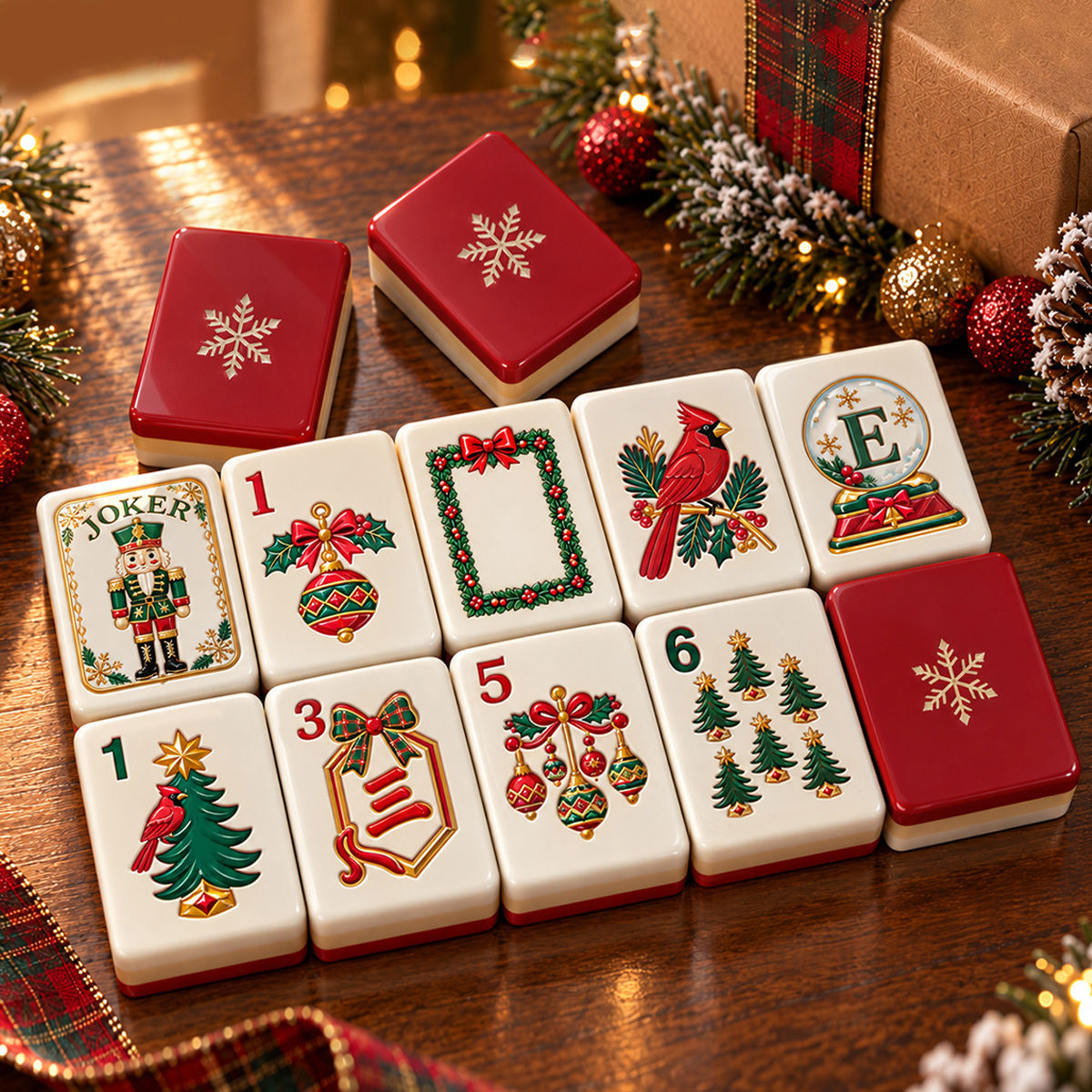
American mahjong is a 152-tile game combining strategy, memory, and math—perfect for homeschool enrichment. Players score by completing hands from the current year's National Mah Jongg League card. A standard game takes 30–60 minutes with four players. Each hand teaches pattern matching (recognizing Pung, Kong, and tile sequences), probability (managing a 14-tile hand), and social negotiation. Cost basis: a quality set from Mahstead runs mid-range for engraved acrylic, with mats and racks available separately. Start with players aged 10+; younger learners can play simplified versions. Avoid cheap sets with illegible tiles or brittle racks—homeschoolers benefit from durable equipment they'll use weekly for years. 🀄 Shop best-selling mahjong sets →
Why Mahjong Fits Homeschool Curriculums
Mahjong isn't just entertainment—it's a tool for teaching math, critical thinking, and cultural literacy simultaneously. The game forces players to calculate probability (which tiles remain in play), recognize combinatorial patterns (how to build a winning hand), and manage risk (when to discard, when to hold). Students ages 10–17 grasp these concepts without a lecture. The cultural angle—learning about East Asian traditions, hand symbolism, and history—naturally integrates social studies. We've watched homeschool groups adopt mahjong as a weekly enrichment activity; families report that kids who resist traditional math practice eagerly debate tile strategy. One homeschooling parent told us their son improved at chess because mahjong taught him to think three moves ahead. The game also requires turn-taking, listening, and respectful negotiation—soft skills that shine in co-op settings.
Start with the mahjong for beginners guide to understand the fundamentals before introducing the game to your group.

How Do I Teach Mahjong to Mixed Ages?
For ages 8–12, teach simplified rules and shorter games (first to 2 wins instead of playing a full round). Introduce only the most common hand patterns first—forget about exotic combinations. Ages 13+, play by the official National Mah Jongg League card and full scoring rules. Use the Charleston explained as a teaching moment: the tile-passing ritual builds spatial reasoning and negotiation. Pair younger learners with older "coaches" during games. Play with open hands initially (everyone sees tiles on the table) so newcomers learn pattern recognition without shame. Adjust table seating so beginners can watch strong players and ask questions. Keep your first session to 15 minutes; let play time grow as confidence builds.
🎁 See our most-loved mahjong sets & accessories →
What Equipment Works Best for a Homeschool Group?
A best-selling mahjong set with 160 acrylic tiles lasts years in a group setting. Acrylic tiles withstand weekly play; plastic cracks and bamboo chips when kids are enthusiastic. Racks with pushers (which keep tiles organized and hidden) are nearly essential—without them, children struggle to manage 14 tiles and accidentally reveal their hand. A mahjong mat defines the play zone, reduces noise, and protects tables. If your group plays at a library or community center, a travel bag keeps the set intact between sessions.
Equipment | Why It Matters for Homeschoolers | Notes |
Acrylic tile set (160-tile) | Durable for weekly play, legible tiles | Avoid bamboo if kids are rough; avoid plastic which cracks |
Racks with pushers | Teaches hand management, hides tiles from opponents | Plastic or acrylic both fine; pushers prevent accidental discards |
Mat (optional but recommended) | Quieter play, defines table space, protects furniture | Helps younger players feel "official" and engaged |
Bag (optional) | Secure transport between locations | Worth buying if the group meets in rotation |
Engraved sets (personalized with group names or inside jokes) build a sense of ownership and pride—homeschoolers often treasure shared tools.
What Hands Should Beginners Learn First?
Study the current year's National Mah Jongg League card in sections: start with Pung hands (three identical tiles stacked), Kong hands (four identical), and quints (five identical). These patterns are visual and easy for kids to spot. Once confident, introduce Like Numbers (e.g., five 5-Craks in different groupings) and Consecutive (like 3-4-5 but only as grouped pairs, never sequences like in Chinese mahjong). Avoid the complex color-mixed hands and "Like Numbers Plus" until kids have won a few hands cleanly. Use how to read the mahjong card as a reference—learning to decode the card itself teaches problem-solving. Have each learner mark their favorite hand patterns with a highlighter on a printed card copy; it builds a personal study guide.

How Do I Score Without Slowing Down Play?
American mahjong scoring can intimidate newcomers, so start with pass/no pass: whoever plays a hand gets one point; first to five wins. Once comfort builds, introduce the American mahjong scoring system properly. Use a simple scoresheet (printed from a template, available online) that students fill in after each hand. Rotate scoring duty so everyone learns. For young kids, use a physical tally—four marks and a cross-through line keeps them engaged. Never let scoring slow the game; if kids get stuck, rule "no points count, play next hand" and move on. The goal is to build confidence and love for the game before perfectionism sets in.
What Are Common Beginner Mistakes?
Mistake: Using jokers in a pair. Jokers cannot form the pair in American mahjong—that pair must be identical regular tiles. Kids naturally try this; gently correct each time. See how jokers work for a full explanation.
Mistake: Exposing random tiles. Players can only expose pungs (3), kongs (4), quints (5), or sextets (6)—never a pair or two tiles. Remind them: exposed tiles must match.
Mistake: Playing too fast and discarding the wrong tile. Teach the pause: "Name the tile aloud before you drop it." This prevents regret and builds mindfulness.
Mistake: Ignoring the card. Kids often play from memory or intuition. Insist: check the card first, always. It trains them to trust the rules over guessing.
Mistake: Treating wall-draw like a garbage dump. Explain that the wall matters: each draw changes odds for remaining players. Strategic players pay attention to what's been drawn.
Lesson Plan Framework for Homeschool Groups
Week 1: Tile names, hand categories (Pung/Kong), how to pass (the Charleston). Play open-hand games.
Week 2: Read the card in depth. Play with hidden hands. Introduce scoring.
Week 3: Discuss strategy: when to discard, when to hold, which hands to pursue. Play two full rounds.
Week 4+: Rotate players, introduce variant hand types, host a small tournament.
Print a Mahstead set guide for each participant—they'll reference it at home.
What to Check Before You Buy
Tile clarity: Can you read every number and symbol clearly under typical home lighting? Cheap sets have faded printing that frustrates learners.
Rack fit: Do all four racks hold 14 tiles without bowing or cracking? Test by hand before committing.
Tile count: Verify the set includes 152 playing tiles plus jokers and any spares. A 160-tile set from Mahstead ensures you have replacements if tiles go missing.
Carrying case: If the group meets offsite, does a mat and set fit in one bag without crushing tiles? Homeschool co-ops need travel-friendly equipment.
Noise level: Acrylic tiles are louder than bamboo. If your group meets in a library, warn them—or buy a quality mat to muffle sound.
Age-readiness: Ensure tile size and weight suit your youngest player. Kids under 8 may struggle with standard tiles; there's no official "junior" set, so judge your group.

FAQ
Can younger than age 10 play mahjong?
Yes, with simplified rules—focus on pattern matching, not scoring. Ages 6–9 benefit from open hands and "first to find three Dots" games. Expect shorter sessions (10–15 min). For formal American mahjong rules, wait until age 10.
Do I need the current year's National Mah Jongg League card?
Yes. Hands change yearly. Homeschoolers use the card published each spring; playing last year's card leads to confusion. Purchase or print the current card before your first session.
How many sets do I need for a homeschool group of 12?
Three complete sets. Play in rotating groups of four, or have younger learners watch and rotate in. A best-selling set serves as your anchor; buy two more.
Is American mahjong different from Chinese mahjong?
Significantly. American mahjong uses 152 tiles, no sequences (called chows), and requires a card; Chinese uses 144 tiles, allows sequences, and plays from memory. Teach only one—mixing rules confuses kids.
How do I handle students who feel bored or frustrated?
Pair them with a patient co-player, rotate table positions weekly, and celebrate small wins. Frustration often means they're not reading the card—coach them one-on-one. Boredom may signal the game is too easy; introduce advanced hand patterns or let them coach a beginner.
What if a player wants to quit mid-game?
In homeschool groups, prioritize belonging over rules. Gently reset: "Let's finish this hand, then you can take a break or help tally score." Frame it as social, not punitive. Mahjong is for joy. --- ✨ Find your Mahstead set — free US shipping →


View More
View More
View More
