
Mahjong During Lunar New Year: Tradition, Play & Setup
Last updated: Nov 23, 2026
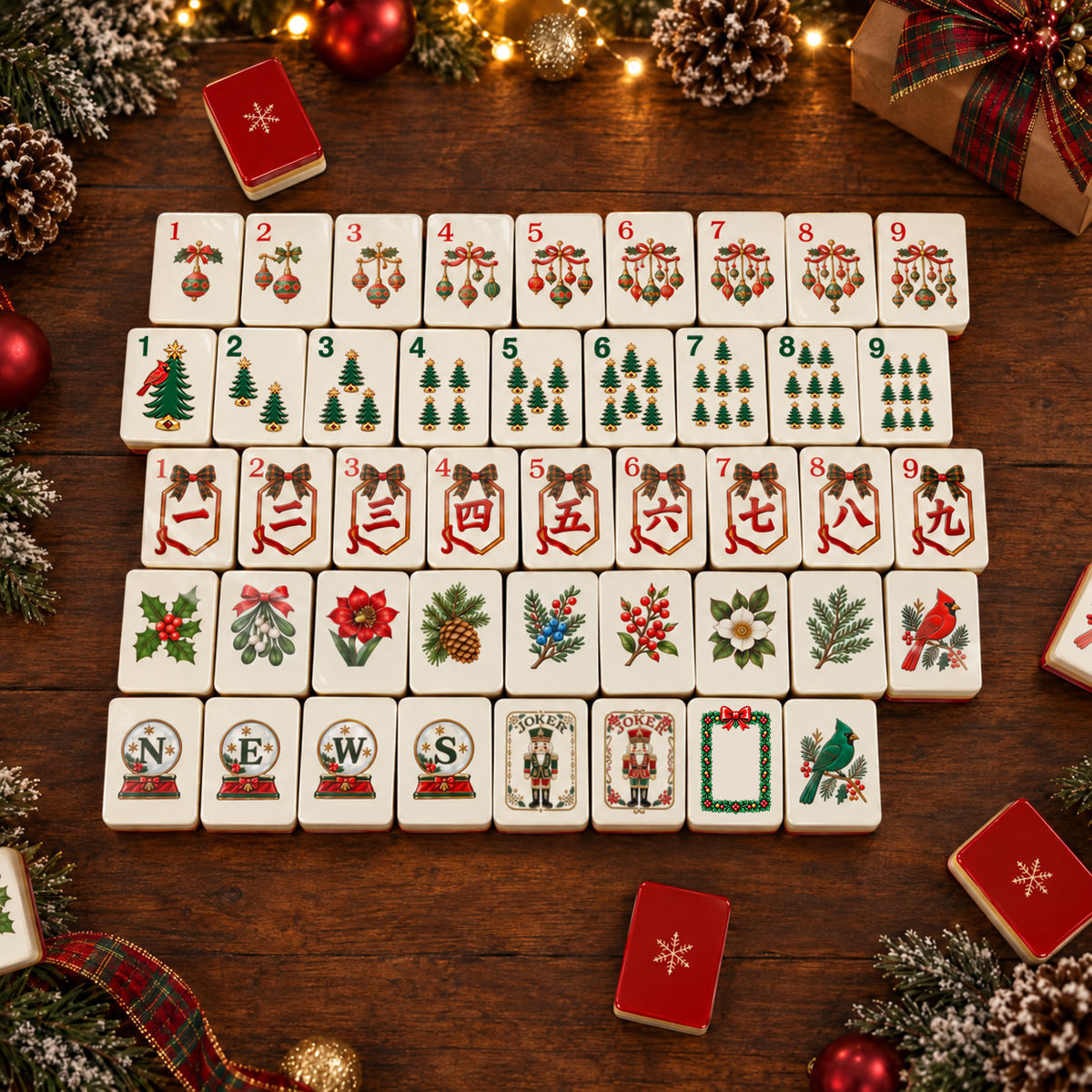
Mahjong during Lunar New Year is a centuries-old tradition across East Asia, blending strategy, luck, and family celebration. We'll show you how to host and play authentically.
Why is mahjong part of Lunar New Year tradition?
Mahjong symbolizes unity, prosperity, and the renewal of relationships at the year's threshold. In Cantonese and Mandarin culture, the game's matching tiles represent harmony, and winning early in the festival is believed to forecast good fortune. The ritual of shuffling, discarding, and calling—especially the rhythmic clacking of tiles—signals togetherness and joy. For many families separated by work or geography, Lunar New Year mahjong is the one guaranteed gathering, played over hours or days. Playing mahjong on the evening of the first day is considered especially auspicious; some traditions hold that the first winner of the season will enjoy luck throughout the year.

Which mahjong variant should we play for Lunar New Year?
The variant depends on your family's region of origin and skill level. Chinese mahjong (144 tiles, chows allowed, flexible hand patterns) dominates mainland China and is fastest for casual family play. Cantonese mahjong (similar to Chinese but with distinct melds and rules) is common in Hong Kong, Macau, and overseas Cantonese communities. American mahjong (152 tiles, no chows, fixed hands from the annual League card) is popular among diaspora players in North America who learned from elders or clubs. Taiwanese mahjong (144 tiles with regional scoring rules) has its own following. For a mixed group or beginners, American mahjong offers clear structure via the card; for a close family, Chinese or Cantonese mahjong is more flexible and forgiving. Choose the variant your elders know—tradition trumps novelty at Lunar New Year.
How do we set up for a Lunar New Year mahjong marathon?
Before guests arrive:
Lay out your set and verify all 152 tiles are present (no missing or warped pieces).
Place mahjong mats at each player's zone to protect the table and define play areas.
Set racks with pushers for each player so hands stay upright and organized—critical when playing for hours.
Prepare a scorer's sheet or use the current year's National Mah Jongg League card (for American play) or a standard scoring guide for your variant.
Stock snacks, tea, and water; Lunar New Year mahjong sessions can last 4–6 hours.
When play begins:
Ensure the wall is shuffled thoroughly; superstition holds that a careless shuffle invites chaos.
Establish who plays which position (East, South, West, North). In some traditions, the host is East, and seating rotates clockwise.
For American mahjong, run the Charleston and confirm everyone understands the current card before tile-drawing.
For Chinese variants, agree on the winning hand types and scoring multipliers in advance to avoid disputes.
During play:
Use mahjong bags or cases to store spare tiles or sets if you're playing multiple rounds with guests who want to rotate in.
Keep the atmosphere unhurried. Lunar New Year mahjong is about presence, not speed.
What are the regional differences in Lunar New Year mahjong play?
Region | Variant | Play Style | Lucky Ritual | Stake |
Mainland China | Chinese (144) | Fastest; chows allowed; flexible hands | Winner toasted at midnight on Day 1 | Often played for coin stakes as symbolic blessing |
Hong Kong/Macau | Cantonese (144) | Competitive scoring; strict meld rules | Red packet (hongbao) from loser to winner | Small cash stakes common in social play |
Taiwan | Taiwanese (144) | Moderate pace; regional scoring variants | First win of the year declared aloud to bless the household | Varies by family; some stakes, some friendly |
Vietnam | Vietnamese (144) | Similar to Chinese; fewer strict rules | Played after Tết dinner as family ritual | Usually friendly, no significant stakes |
North America (diaspora) | American (152) | Steady pace; card-driven hands; chows forbidden | Winning early in the holiday cycle favors the household | Friendly or small-stakes depending on group |
The key insight: in all variants, the first win of the Lunar New Year holds symbolic weight. Play the variant your family knows best—authenticity beats novelty.

How do we keep a Lunar New Year mahjong session smooth and joyful?
Before the first hand:
Brief all players on the exact rules you're using. Disputes over hand validity will break the mood.
If mixing skill levels, pair a beginner with a seasoned player as opponents (not tablemates) so learning doesn't slow the game.
Remind players that the goal is togetherness, not competition—encourage conversation, laughter, and celebration between hands.
During play:
Agree in advance on stakes (if any) so no one is surprised. Many families play for fun only; others use small symbolic amounts (coins, lucky money) to keep the energy light.
Keep the pace relaxed. Lunar New Year mahjong is measured in hours of presence, not speed.
Use bright, high-contrast tiles—our best-selling mahjong sets feature clear tile markings so elderly players and long play sessions don't strain eyes.
Rotate players every few hands if you have more than four people, so no one sits out the entire celebration.
Superstitions to honor (without fanaticism):
Don't sweep or clean the play area during the game—it's believed to sweep away luck.
Welcome the first winner warmly; many families toast them or give a small red envelope as a blessing.
Avoid playing if you're upset or in poor health; tradition holds that negative energy taints the game's auspiciousness.
Don't discuss or recap losses; focus on celebrating wins and the shared time.
🀄 Shop best-selling mahjong sets →
What tile set and equipment is best for Lunar New Year hosting?
A reliable, durable set is the foundation of a good session. Our best-selling mahjong sets are designed for 152-tile American play and work equally well for Chinese play (simply remove the extra jokers or use an acrylic set marked with clear Bam, Crak, and Dot suits). For Lunar New Year specifically:
Tile quality matters:
Acrylic tiles are durable, lightweight for long play, and resist wear from constant shuffling.
Hand-carved tiles look beautiful but are fragile and expensive; save them for occasional play.
Avoid plastic tiles that fog or warp after heavy use—Lunar New Year sessions tax the tiles heavily.
Mats protect and organize:
A good mat defines the play zone, protects the table from tile wear, and keeps the game grounded visually.
For family play, choose mahjong mats in auspicious colors (red, gold, jade green) to honor the holiday.
Racks and pushers are essential for long sessions:
When playing 4–6 hours, racks with pushers keep hands organized and reduce fatigue, especially for older players.
Pushers help quickly discard tiles and keep the game flowing without fumbling.
Bags and cases for multi-round or multi-family play:
If you're hosting guests who want to sit in and out, or if you're playing across multiple nights, mahjong bags and cases protect your set during storage and transport.
What to check before you buy a Lunar New Year mahjong set
Tile count: A full American set is 152 tiles. Verify before checkout; incomplete sets disrupt play.
Suit clarity: Bam, Crak, Dot must be visually distinct, especially under varying light or for older eyes.
Joker count: American sets include 8 jokers. For Chinese play, you may not use jokers, but they don't hurt.
Mat size: Measure your table; mats typically accommodate standard 4-player layouts (3–4 feet square).
Rack compatibility: Ensure racks work with your tile size; acrylic tiles differ slightly from bamboo/bone.
Auspicious design: For Lunar New Year, many players prefer sets with engraved designs, red accents, or traditional motifs over plain tiles.
Shipping before the festival: Lunar New Year dates vary (late January to mid-February); order early to ensure delivery.
🎁 See our most-loved mahjong sets & accessories →
Hosting your first Lunar New Year mahjong night: a checklist
Two weeks before:
☐ Choose your mahjong variant and confirm all players know it.
☐ Order or inspect your set (all 152 tiles present, no cracks).
☐ Confirm mats, racks, and bags are clean and ready.
One week before:
☐ Send invites with the date, time, and expected end time.
☐ Clarify the rules, stakes (if any), and expected player count.
☐ Plan snacks and beverages; Lunar New Year often includes specific lucky foods (longevity noodles, whole fish, oranges).
The day of:
☐ Set up the table with mats at each seat; place racks and pushers.
☐ Lay out the mahjong set and verify tile count one final time.
☐ Have the League card or rule sheet visible for reference.
☐ Prepare a scorer's sheet or digital scoreboard.
Opening the game:
☐ Greet guests warmly and invite them to settle with tea or snacks.
☐ Explain the rules briefly; answer questions before the first hand.
☐ Light any red candles or incense if it fits your tradition (symbolic, not required).
☐ Shuffle the wall with intentional care; announce the first hand is beginning.
☐ Play the first hand slowly to allow everyone to settle into the rhythm.
✨ Find your Mahstead set — free US shipping →

FAQ
Can we play Lunar New Year mahjong if we have fewer than four people?
Yes. Two- and three-player American mahjong uses modified hands and wall mechanics. Chinese mahjong is less suited to fewer than four but is playable with rule adjustments. For Lunar New Year's spirit of togetherness, four players is ideal, but family versions adapt gracefully.
Is it bad luck to play mahjong on certain days of Lunar New Year?
Traditions vary by region. Most hold that playing on the first day (after dinner) is especially auspicious. Some avoid play on the second day (visiting in-laws) or during mourning periods. Check your family or community's customs; intention and respect for tradition matter more than strict rules.
What if we don't know how to play mahjong but want to start for Lunar New Year?
American mahjong is beginner-friendly because hands are defined by the current year's card. Start with our guide to how to play American mahjong or mahjong for beginners. Chinese mahjong has a steeper learning curve but is taught best by a family elder. Invite an experienced player to teach during your Lunar New Year night.
Can we play for money during Lunar New Year mahjong?
This varies by local law and family tradition. Many families play for symbolic small stakes (coins, lucky money) as a blessing, not gambling. Others play friendly without stakes. Agree beforehand and keep stakes modest so the focus remains on celebration, not profit.
How long does a typical Lunar New Year mahjong session last?
Most sessions run 3–6 hours. Each hand takes 15–30 minutes depending on player experience and variant. Plan for 8–12 hands in an evening. Time passes quickly when focused on play and conversation, so give yourself flexibility and no hard end time.
What are how jokers work in American vs. Chinese mahjong for Lunar New Year play?
In American mahjong, jokers substitute for any tile in a pung, kong, or quint but cannot form a single tile or pair. Chinese mahjong typically has no jokers; the game uses only the core 144 tiles. For Lunar New Year, if playing Chinese style, set jokers aside. If playing American, jokers are part of authentic play and add flexibility.


View More
View More
View More
