
Mahjong Tournaments in Oklahoma City: Where to Play & How to Join
Last updated: Nov 23, 2026
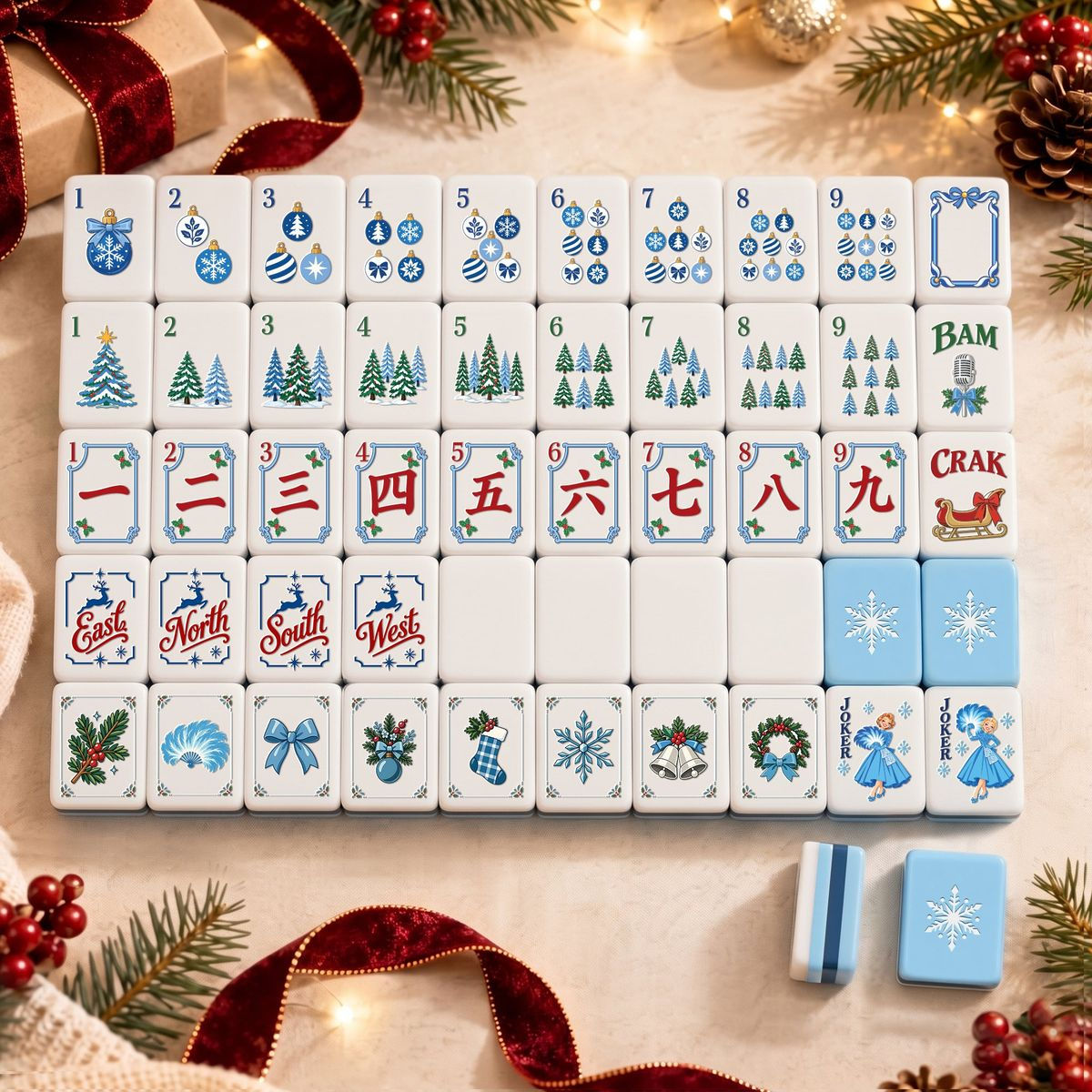
Mahjong tournaments in Oklahoma City run year-round through community centers, libraries, senior centers, and private clubs—ask your library or Meetup.com for current schedules. American mahjong tournaments follow National Mah Jongg League rules, play with 152 tiles and 8 jokers, and hand patterns change annually (the League releases a new card each spring). Tournaments range from casual weekly sessions to weekend championships; entry fees and prize structures vary by venue. Most require you to bring your own set, a mat, and racks with pushers—our best-selling mahjong sets are tournament-standard acrylic with clear tile faces. Serious players also pack a travel bag for security and portability. Before your first tournament, confirm the variant (American mahjong is the standard in Oklahoma), tile count, and whether jokers are house-modified. 🀄 Shop best-selling mahjong sets →
Where do Oklahoma City mahjong tournaments happen?
Community centers remain the most reliable venue—contact your city recreation department or check bulletin boards for weekly or monthly schedules. Public libraries (especially those with senior programming) often host games or know organizers. Senior centers almost always have Thursday or Friday afternoon tournaments; drop in or call ahead. Private clubs (country clubs, synagogues, and Masonic lodges) may require membership but usually offer the most consistent, year-round play. Meetup.com occasionally lists Oklahoma City mahjong groups—search for "mahjong" and filter by your location. Call venues directly rather than relying on outdated websites; schedules shift seasonally.

What's the difference between casual and tournament play?
Casual play means flexible rules, house variants, and relaxed scoring—perfect for learning. Tournaments enforce strict American mahjong rules: one hand per round, fixed tile draws, official National Mah Jongg League card patterns only, and recorded scores. Tournament tables use timers, formal winds (dealer rotation), and standardized equipment—no bent tiles or mismatched racks. Most Oklahoma City casual clubs run "friendly tournaments" as a bridge: tournament rules but no entry fee or prizes. Knowing the difference helps you choose the right game and prepare your gear accordingly.
What equipment do tournament players actually bring?
A full tournament kit includes a 160-tile acrylic set (152 playing tiles plus spares), a cloth or rubber mat with table guides, racks with pushers for four players, dice, the current year's National Mah Jongg League card, a notebook for scoring, and a padded travel bag for transport. Serious players upgrade to engraved sets with personalized titles—they're easier to spot in a crowd and feel more professional. Mahjong mats prevent tile slipping and protect tables; racks with pushers speed up play and reduce hand strain. A padded travel bag protects your set and keeps tiles organized between tournaments. Don't skimp on these basics—worn tiles and missing jokers cause delays and frustration at the table.
Equipment | Why It Matters for Tournaments | When to Upgrade |
Acrylic set (160 tiles) | Standard at all venues; durable; consistent tile weight | If your tiles are chipped or jokers are missing |
Mat with guides | Prevents tiles shifting; speeds play; protects table | If you're playing weekly or traveling monthly |
Racks with pushers | Speeds dealing; reduces hand strain; professional look | If you notice arthritis or slow play holding up your table |
Travel bag | Keeps set organized; prevents theft; eases transport | If you drive to games or play at multiple venues |
Dice | Determines wind, seat, and draw order—required | Only if your set is missing or damaged dice |
How do you prepare for your first Oklahoma City tournament?
Step one: confirm the variant is American mahjong (152 tiles, no chows, jokers allowed in exposed sets only). Step two: learn how American mahjong works—understand the Charleston tile-passing ritual, how to read a hand from the card, and basic scoring. Step three: practice with a group or online simulator for at least four weeks before entering a tournament. Step four: assemble your kit: a clean 160-tile set, a mat, racks, dice, current year's card, and a travel bag. Step five: arrive 15 minutes early, introduce yourself to the organizer, and ask which version of scoring they use (some Oklahoma City groups use house variants). Step six: ask a veteran player to sit next to you in your first game so you can watch their tile management and discard strategy.
🎁 See our most-loved mahjong sets & accessories →

What are the most common beginner mistakes at Oklahoma City tournaments?
Confusing a quint (five identical tiles) with a kong plus a pair—they're different in American mahjong scoring. Not checking the current year's National Mah Jongg League card before play starts; hands change every spring and using last year's card invalidates your entire hand. Misplacing jokers: jokers cannot form a pair or stand alone as a single tile; they only replace tiles within exposed pungs, kongs, quints, or sextets. Failing to understand wind rotations—East winds determine seat positions and who deals. Playing too fast: tournament players often rush discards because they're nervous; wait for the discard to settle in the center and confirm no one calls before drawing. Not organizing your rack correctly—seasoned players sort by suit and number for speed and accuracy. Forgetting to note scores: most tournaments require you to record scores after each round; missing this means disputes at the end. Reading the mat guides wrong: the zone closest to you holds your discards, not incoming tiles.
✨ Find your Mahstead set — free US shipping →
What to check before you buy tournament gear
Tile clarity: acrylic tiles must show Bam, Crak, and Dot symbols clearly under tournament lighting. Translucent or airbrushed tiles slow play.
Joker count: confirm your set includes 8 jokers (some older sets have fewer). Tournament rules require exactly 8.
Rack fit: if you have limited hand strength or dexterity, test racks with pushers beforehand; they make a real difference in comfort during long tournaments.
Mat size: measure your tournament table if possible. Most mats fit standard card tables (36–48 inches wide). Verify before ordering.
Bag durability: if you play weekly, a padded bag pays for itself in tile protection. Soft cases absorb shock better than hard cases for acrylic.
Resources for finding Oklahoma City tournaments
City recreation: call the Oklahoma City Parks & Recreation Department and ask about mahjong programs or facilities that host games.
Libraries: check the main branch's bulletin board and ask the reference desk about mahjong groups or senior programming.
Senior centers: neighborhoods usually have at least one; call and ask about mahjong schedules.
Facebook and Meetup: search "Oklahoma City mahjong" on both platforms; private groups often post schedules there.
Word of mouth: once you join one game, ask players about other venues and tournaments in the area.
Oklahoma City's mahjong scene is approachable and welcoming. Start casual, invest in solid gear, and the tournament door opens naturally.

FAQ
Do I need a set to play in Oklahoma City tournaments, or can I borrow one?
Most venues expect you to bring your own set. Borrowed or unfamiliar sets slow the game and frustrate other players. A 160-tile acrylic set is a one-time investment and standard across all serious players in the state.
What's the difference between American mahjong and the Chinese version, and which do Oklahoma City tournaments use?
American mahjong uses 152 tiles, the National Mah Jongg League card, no chows (sequences), and jokers in exposed sets only. Chinese mahjong uses sequences and different scoring. Oklahoma City tournaments are American mahjong—confirm with the organizer before signing up.
How much does it cost to enter an Oklahoma City tournament?
Entry fees and prize structures vary by venue and tournament type. Ask the organizer or venue directly—some casual games are free, while competitive weekend tournaments may charge a registration fee and distribute prizes from the pool.
Can I use old tiles or a set from the 1990s in a tournament?
You can try, but worn, faded, or incomplete sets slow play and may not be accepted if tiles are illegible. Tournament organizers prioritize clear, standard acrylic tiles. A modern best-selling set ensures you're tournament-ready.
If I live outside Oklahoma City, can I still play in tournaments?
Yes. Weekend tournaments sometimes draw players from across Oklahoma and neighboring states. Ask organizers about their travel-player policy and whether they offer multi-round or championship-format events that attract regional competitors.
Do I need to buy a mat and racks separately, or do they come with the set?
Mats and racks are sold separately. A 160-tile set includes tiles and dice only. Most serious players buy mahjong mats and racks with pushers as upgrades; they're not optional at competitive tables.


View More
View More
View More
