
Mahjong Dealer Rules and Hand Examples for American Players
Last updated: Nov 23, 2026
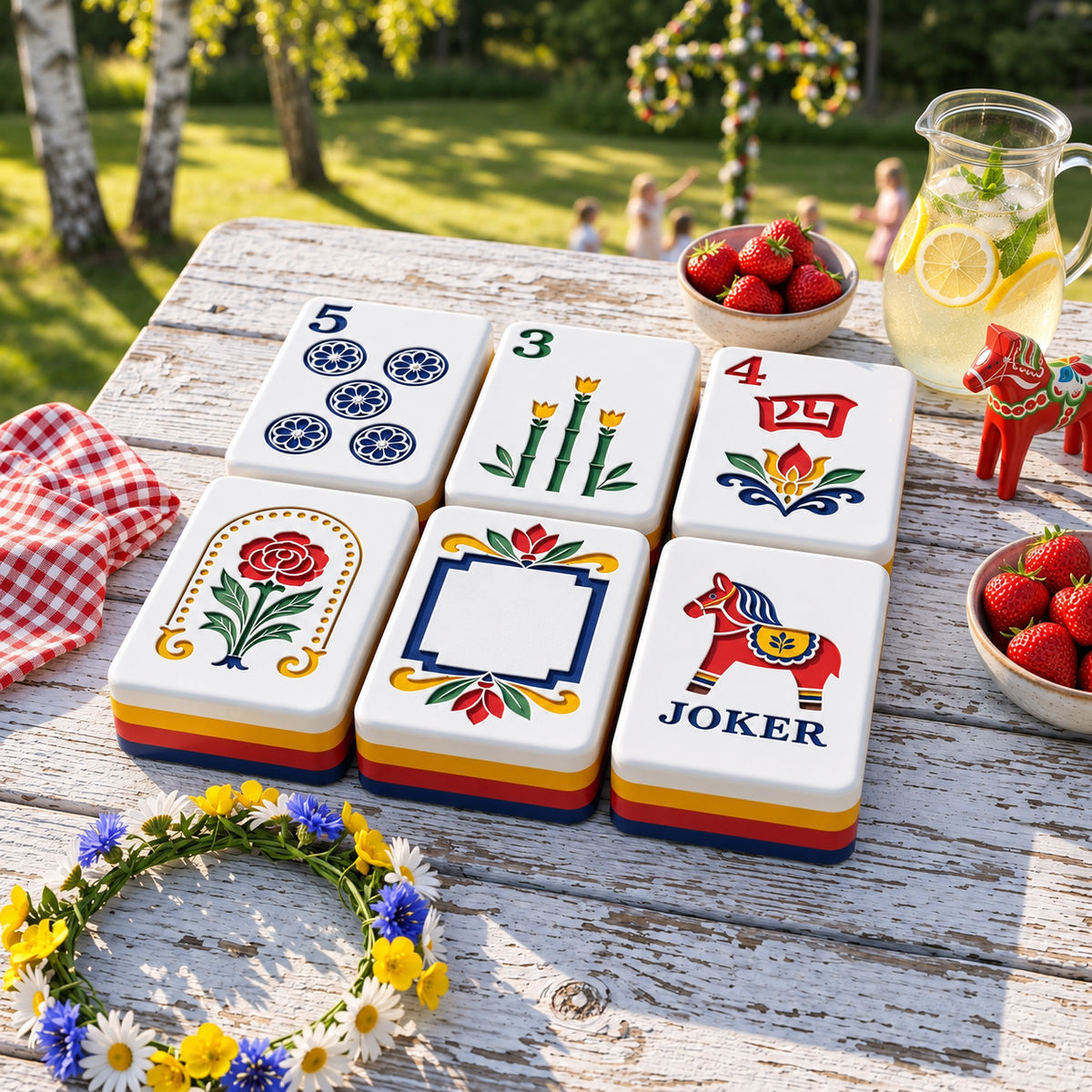
In American mahjong, the dealer (East Wind) draws first and keeps their turn if they win; if they lose, the deal passes counterclockwise. The dealer calls "Mahjong" when a player declares a win and verifies the hand matches a pattern on the current year's National Mah Jongg League card—patterns consist of exposed pungs (three identical tiles), kongs (four identical), quints (five identical), sextets (six identical), and a pair, drawn from one of the card's listed sections. A valid hand never contains sequences (chows); jokers substitute for any single tile within a group but never form a pair alone. The dealer records points (based on the hand's position on the card), manages the tile wall, and ensures all exposed groups stay visible. First-time dealers should keep a best-selling mahjong set at hand so tiles stay organized and clear under play.
What does a dealer actually do at the table?
The dealer runs the game turn-by-turn: they draw first each round, announce the tile drawn aloud, and proceed clockwise through each player's turn. When someone calls "Mahjong," the dealer pauses the game, verifies the winning hand against the card, calculates points, and records the result. Between rounds, the dealer collects all tiles back into the wall, conducts or supervises the Charleston (the ritual pass of tiles before play), and ensures fair play by watching for exposed groups and irregular draws. Most importantly, the dealer never debates—they referee using only the card and the standard rules your group has agreed on before play begins.

How do you verify a winning hand is legal?
When a player calls "Mahjong," lay the winning hand on the mat in full view: separate it into its component groups (three or more of a kind, or a pair) and name each one aloud. Then find the matching pattern on the current year's National Mah Jongg League card by section and number. The hand must match exactly: same suits, same numbers, same number of jokers in each group. Check that no group is a sequence (1-2-3 is not allowed—American mahjong has no chows); verify no joker forms the pair; confirm the pair contains two identical tiles (not one joker and one real tile). If the hand matches the card, it wins. If it does not match the card in every detail, the player has not won; return all tiles to the wall. A mahjong mat with clear zones helps the dealer see each group instantly and prevents argument.
What are common hand types and where do you find them on the card?
The National Mah Jongg League card organizes patterns into 88 categories, each showing multiple hands for that year. Hands generally group into a few recognizable types: like numbers (three 5 Dots, three 5 Bams, three 5 Craks, and a pair—all fives), like winds (North, East, West, South, plus a pair of dragons), same-suit runs (Bam 1-2-3-4-5 in exposed groups, never as a sequence), consecutive (all 2s, all 3s, or mixed numbers in specific patterns), and flowers and dragons (patterns heavy in honor tiles: winds and dragons with two matching flowers as the pair). Each pattern sits in a specific numbered row on the card for the current year; when you win, note the section and pattern number aloud so the dealer can record it correctly. The card changes every spring, so hands that won last year may not win this year—this keeps the game fresh and prevents memorization.
🀄 Shop best-selling mahjong sets →
What mistakes disqualify a hand?
A hand is invalid if it contains a sequence (for example, Bam 1, Bam 2, Bam 3 as a group called together—American mahjong allows no chows), or if the pair includes a joker, or if the pattern does not appear on the current year's card. Common errors: calling a hand with 14 tiles when the dealer counts only 13; declaring a pung (three identical tiles) but actually holding two real tiles and one joker (still valid, but the dealer must see and approve it before play continues); or mixing tile suits (a hand that calls for three Dot numbers but includes a Bam instead). The dealer catches these errors by checking the card and counting the tiles aloud. If an error exists, the hand is dead and play resumes. To avoid confusion, place each group in its own zone on the mat, announce the suit and number of each group, and let the dealer verify before anyone says "Mahjong"—this prevents retractions and hard feelings.

How do scoring and dealer rotations affect the game flow?
The dealer records each win on paper, noting the player's name, pattern number, and base points (from the card). Points then adjust based on who paid: if the winning player is East (dealer), all three opponents pay the base amount to the dealer; if the winner is not the dealer, everyone (including the dealer) pays the winner. The dealer keeps their position if they win; they lose the deal if they do not win on their turn. After every player has been dealer once, a new round begins and the deal moves counterclockwise from East to South. Most groups play four rounds (four-hand games) or eight rounds (longer sessions). Keeping a small scorepad or a printable scoresheet handy prevents disputes and keeps momentum alive—no one waits for mental math or argument over who paid whom. How to read the mahjong card walks through point lookup in detail if your group is new to scoring.
🎁 See our most-loved mahjong sets & accessories →
What should you check before you buy a set for dealing?
Choose a set with durable, large tiles: acrylic or bone tiles read faster under light than bamboo or plastic, and clear engravings save the dealer from squinting. A 160-tile set includes spare tiles, so if a tile cracks during deal, you have a replacement and play does not stop. Keep tiles in a bag during travel or storage so they do not scatter—a travel bag or case protects against chips and dust. Pair your set with a mat that includes marked zones (often a center well and four player areas) so exposed groups stay organized and the dealer never miscounts. If you host weekly games, buy racks with pushers so each player keeps tiles face-down and hidden until draw time—this eliminates dealer stress and keeps the game fair. Keep the current year's card at the table and a pen nearby. Test your setup before your first game day so nothing surprises you mid-hand.
What to Check Before You Buy
Feature | Why It Matters | Red Flag |
Tile size | Dealer counts faster; easier to read engravings | Tiles smaller than 1 inch wide; faint print |
Acrylic or bone | Durable, high-contrast, long-lived under weekly play | Plastic or lightweight feel; tiles scratch easily |
Spare tiles included | Replaces cracked tiles; no game delays | Set has no spares; tiles are one-time-use |
Engraved (not sticker) | Engravings stay clear after 50+ games; no peeling | Sticker labels; edges show wear after 10 games |
Clear tile suit colors | Dealer calls colors fast; prevents errors | Faded or muddy colors; hard to distinguish suits |
✨ Find your Mahstead set — free US shipping →
How do dealer rules differ in Chinese, Hong Kong, or Riichi mahjong?
American mahjong is unique: it uses the National Mah Jongg League card, no sequences (chows), and a 152-tile game. Chinese mahjong (188 tiles in some variants) allows chows and uses a different scoring system with no reference card; the dealer draws first and keeps the deal if they win, but point math differs greatly. Hong Kong mahjong plays with 108 tiles, includes chows, and has a dealer (called "Banker") who wins or loses all three opponents' stakes in one hand. Riichi (Japanese) mahjong plays 136 tiles, uses chows, and has strict rules about when and how the dealer can change. For American players, the key rule is this: never mix variants at the same table. Agree on which game you are playing before the Charleston, and keep the reference card (whether it is the American League card, a Hong Kong chart, or a Riichi rule sheet) where the dealer can see it at all times. American mahjong scoring explains points under American rules only; if your group plays a different variant, consult the variant's official guide before play.

FAQ
Can a dealer declare "Mahjong" for another player, or must the player call it themselves?
The player who wins must call "Mahjong" aloud; the dealer never calls it for them. The dealer's job is to verify and record, not to announce wins. This rule prevents dealer bias and keeps all players alert.
If a dealer miscounts tiles and a hand is declared invalid, what happens to that round?
The round is void; all tiles return to the wall and the deal passes to the next player. No one pays or receives points. Note the error and move forward. This is why keeping a mat and organized tile zones matters.
Can the dealer refuse to play and only manage the game?
No. In American mahjong, the dealer plays as East Wind and participates fully. The dealer draws, discards, and may win or lose like any other player. If someone wants to sit out, they do not sit at the table that round.
What if a player calls "Mahjong" but the hand does not match any pattern on the current year's card?
The hand is dead (invalid). All tiles return to the wall, the deal passes, and no one scores points. The player who called incorrectly does not pay a penalty, but play resumes with the next dealer.
How long should a dealer verify a hand, and what if verification takes too long?
Verification should take 30 seconds to one minute. Lay the hand in clear groups, find the pattern on the card, confirm suit and number, and declare valid or invalid. If the card is hard to read, ask another player to double-check. If all four players cannot find the pattern within two minutes, the hand is considered unverifiable and is ruled invalid.


View More
View More
View More
